English
  中文简体
中文简体  русский
  Español
  عربى
عربى 
-
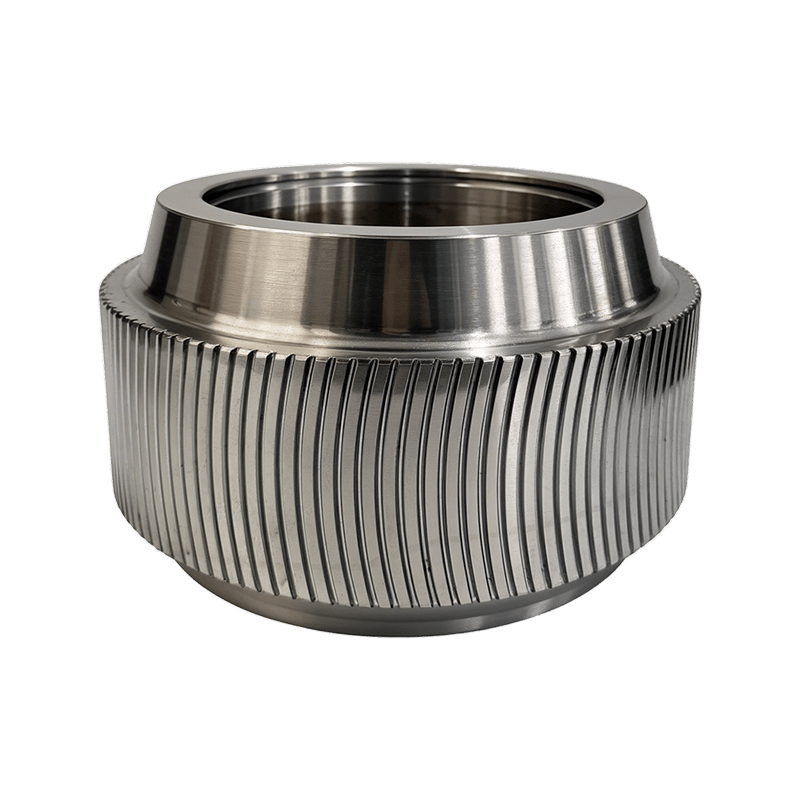 Product Overview The Arc Tooth Roller Shell is a key wearing part of the ring die pellet mill. It wo...View Details
 -
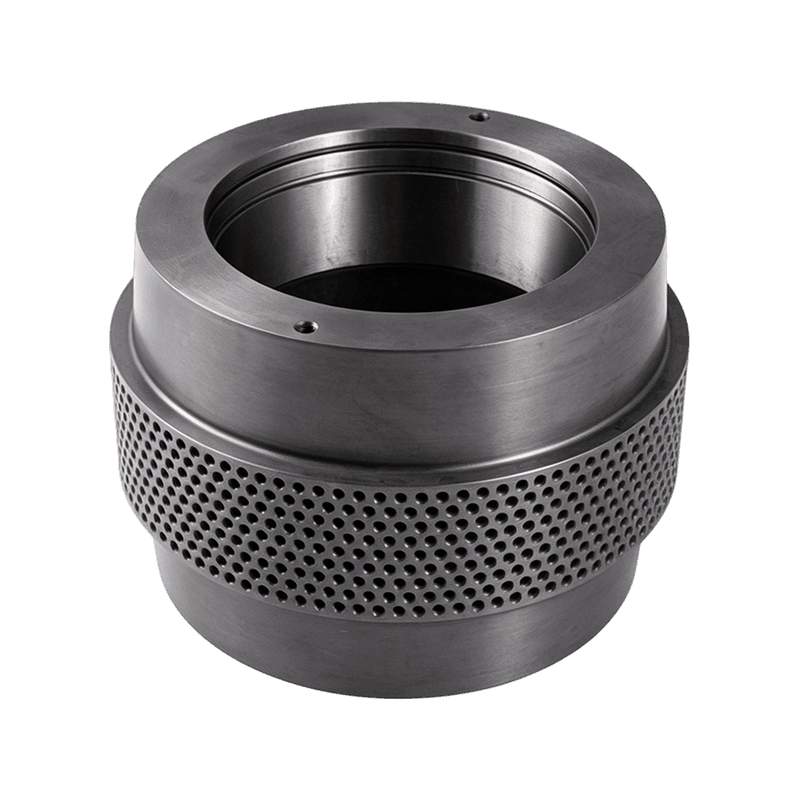
 Product Overview A high-strength, wear-resistant pressure roller component manufactured from top-qua...View Details
 -
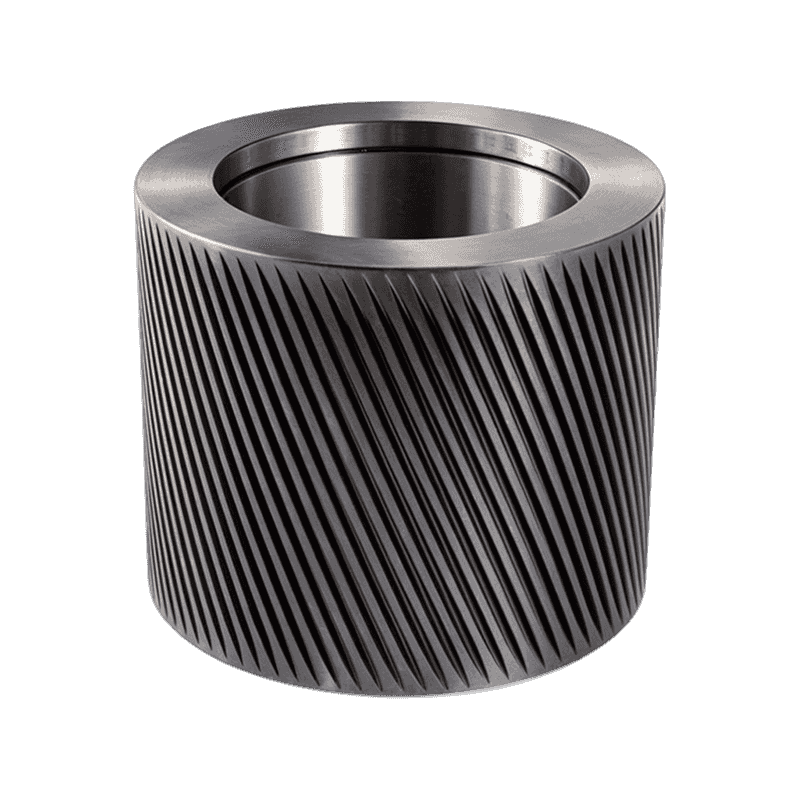
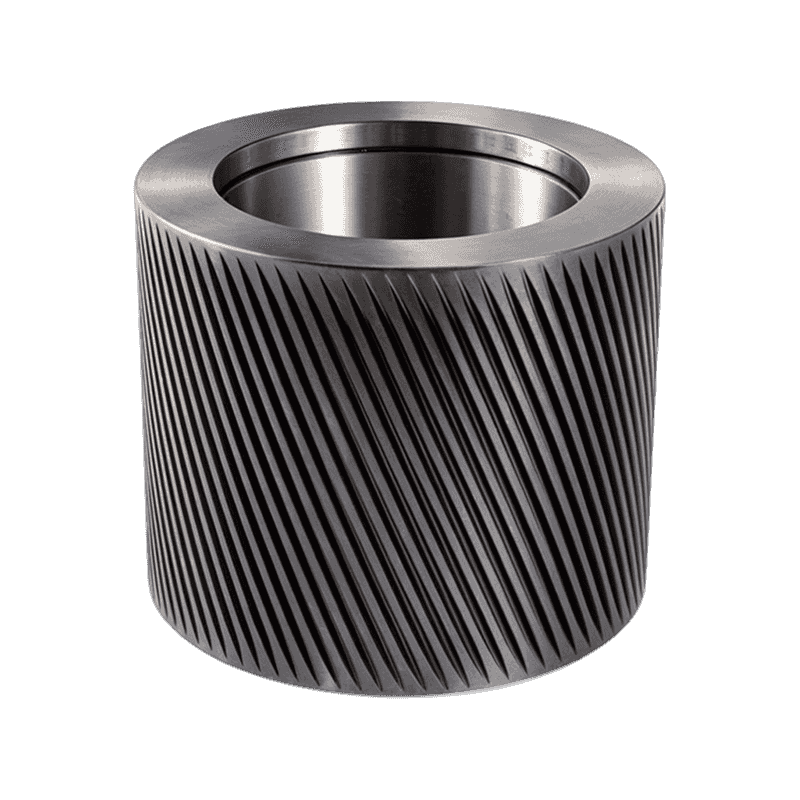 Product Overview Specialized high-performance rollers crafted from GCr15 or 100Cr6 bearing steel, en...View Details
 -
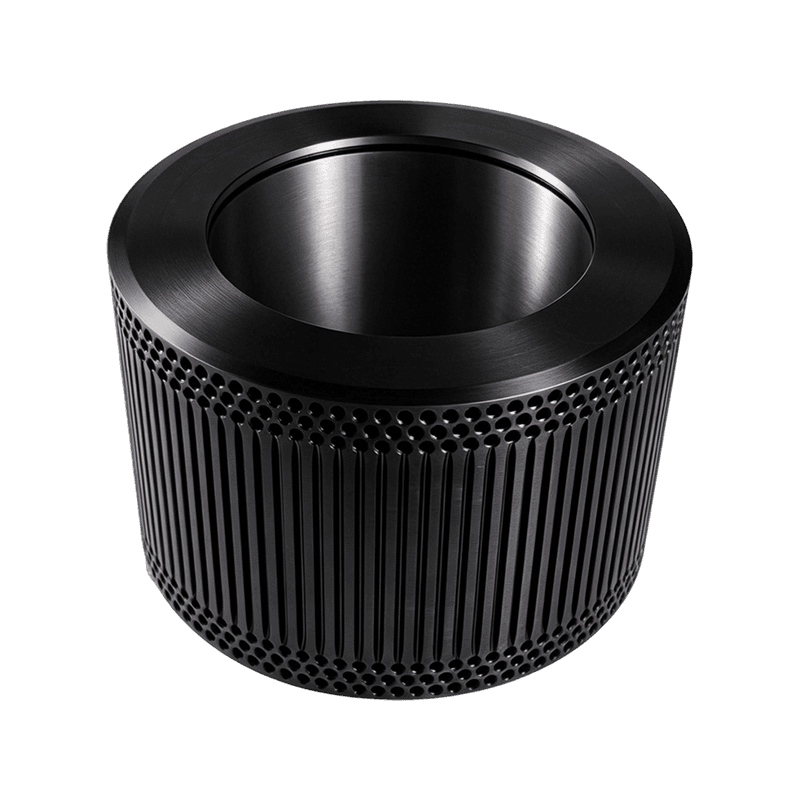
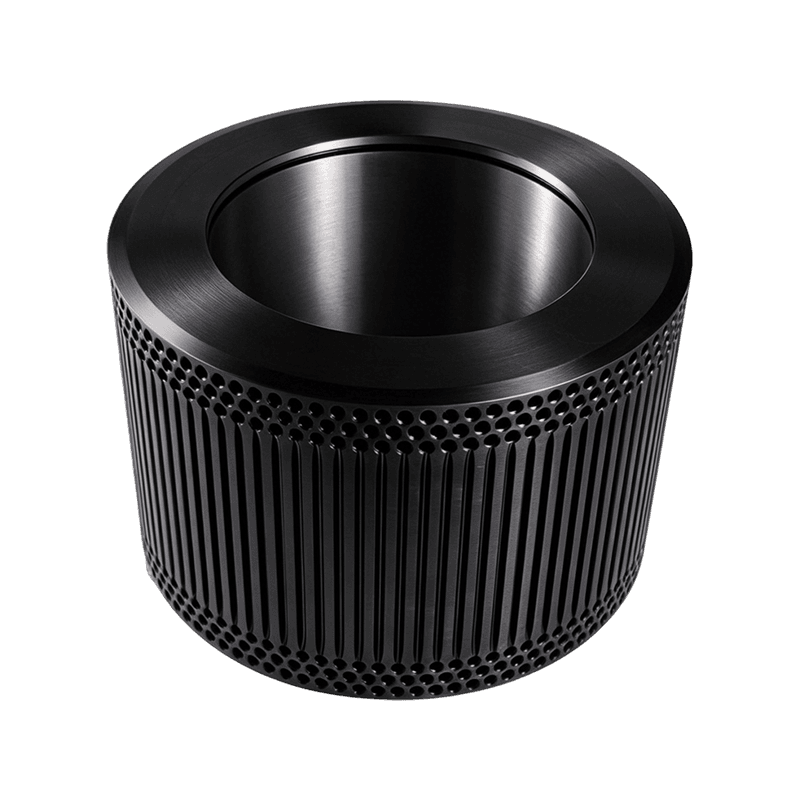 Product Overview A resilient pressure roller shell made from 60Si2Mn spring steel, designed for pell...View Details
 -
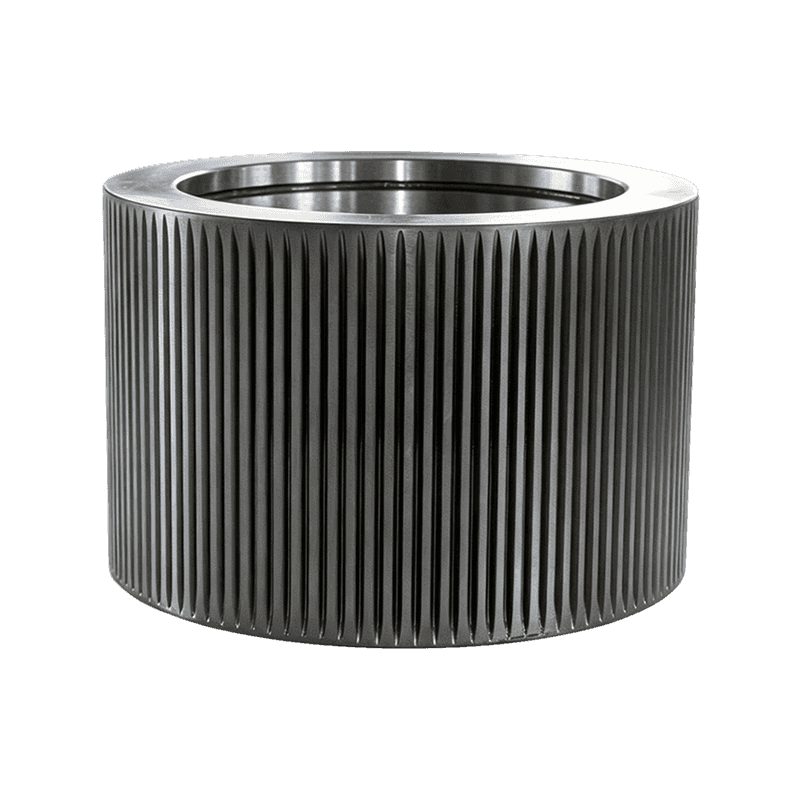
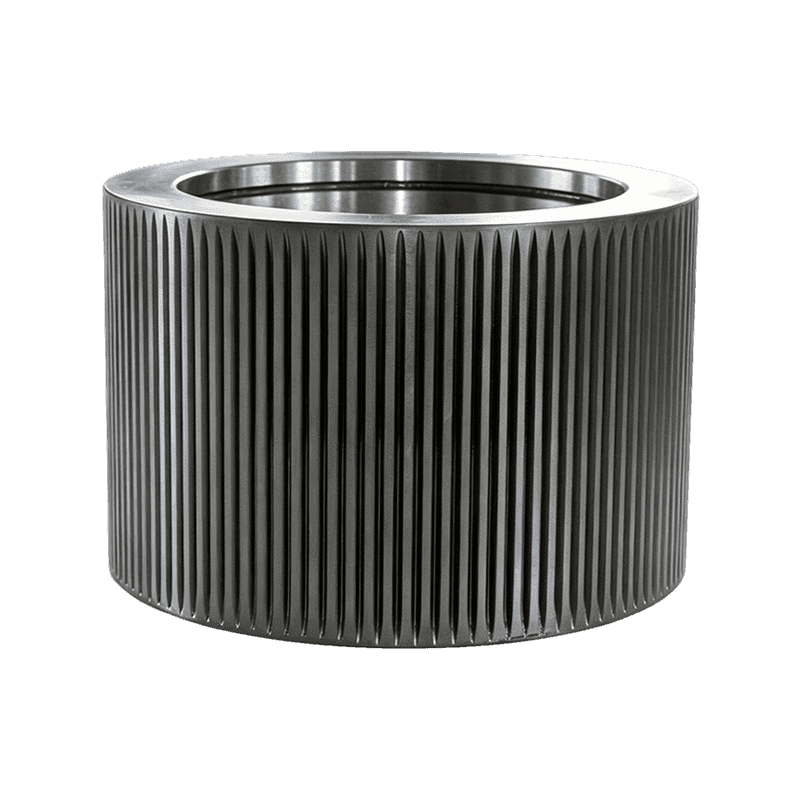 Product Overview A widely used and versatile alloy steel pressure roller, serving as a primary work...View Details
 -
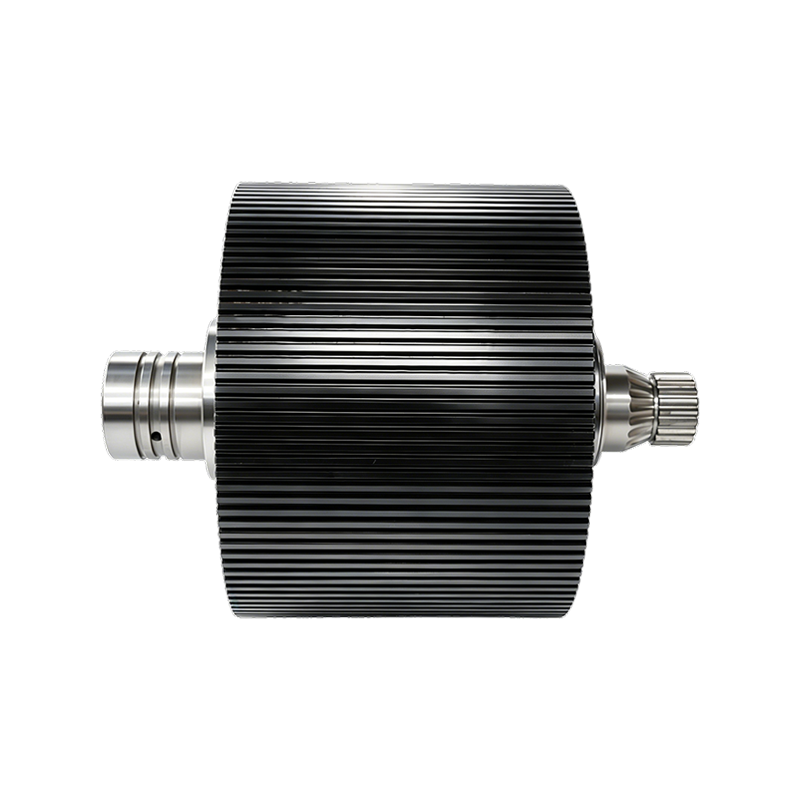
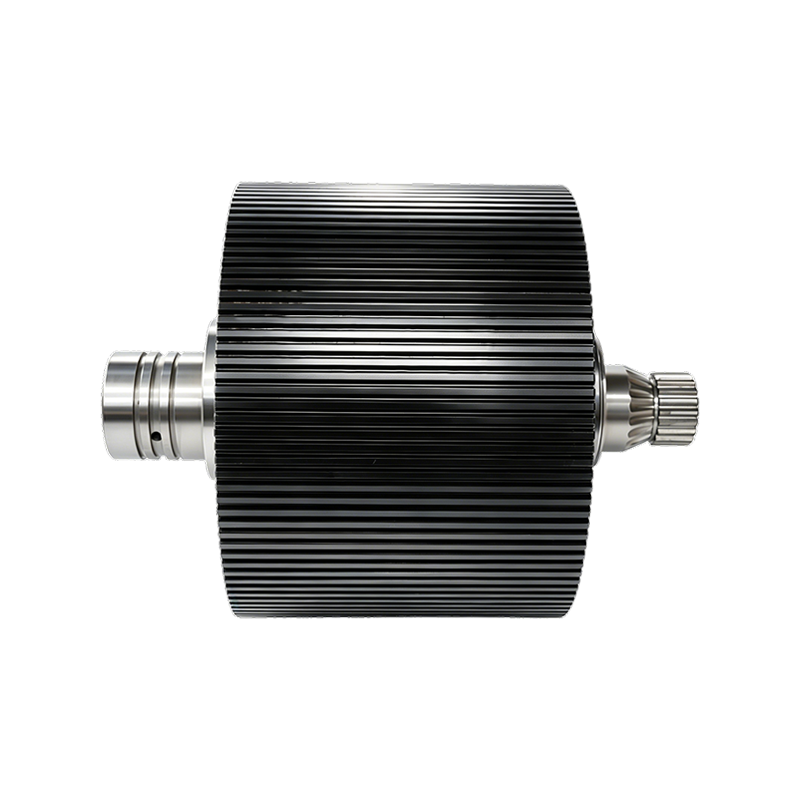
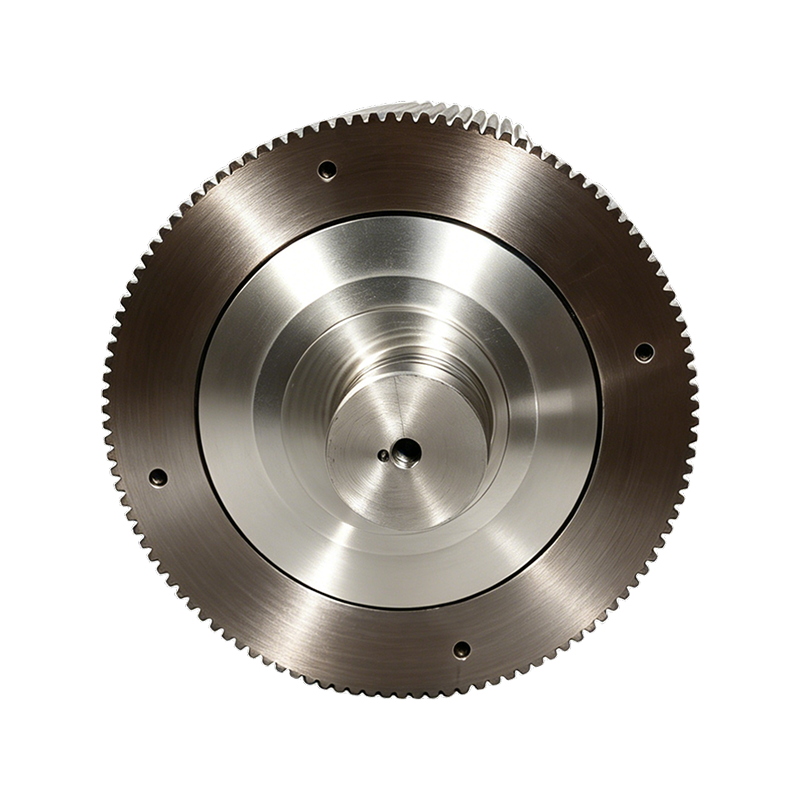
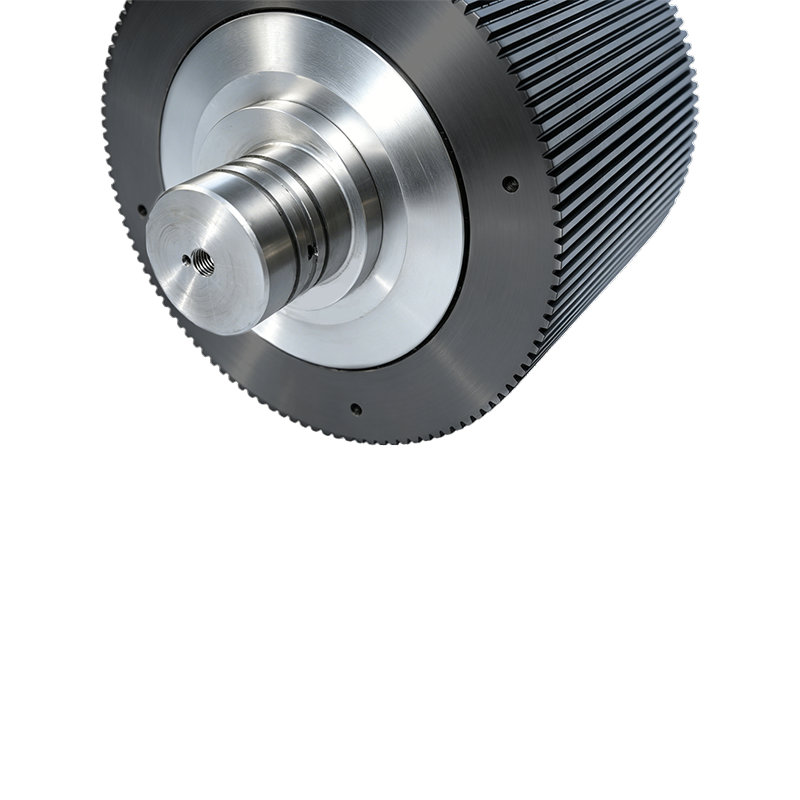
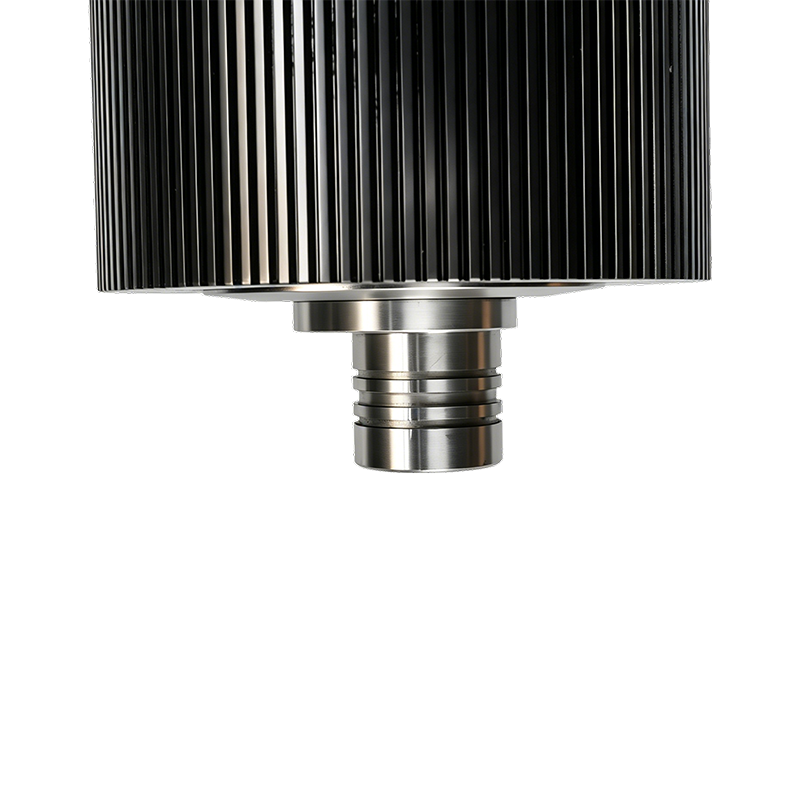
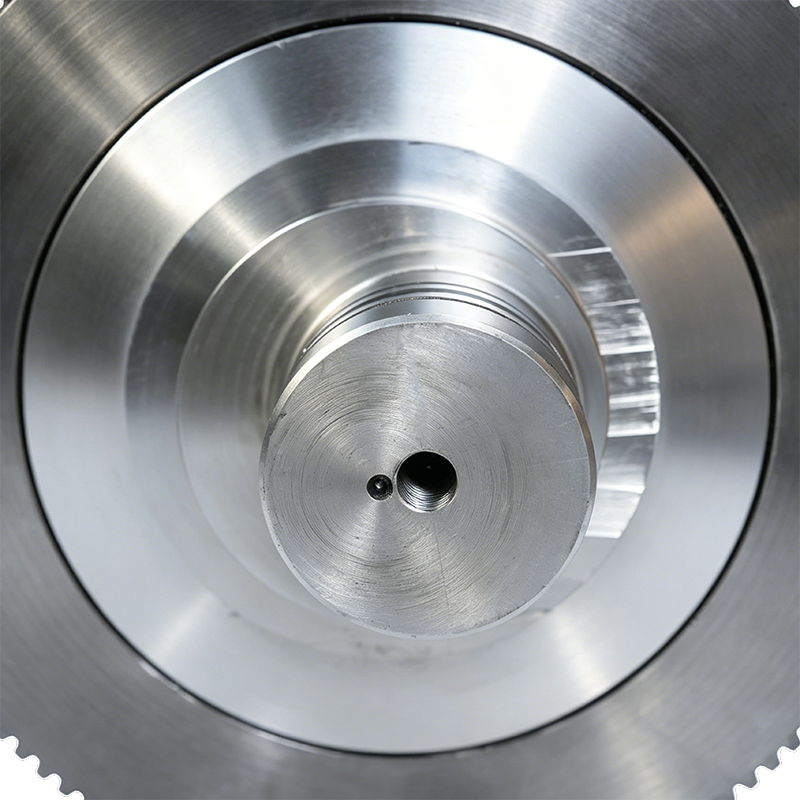
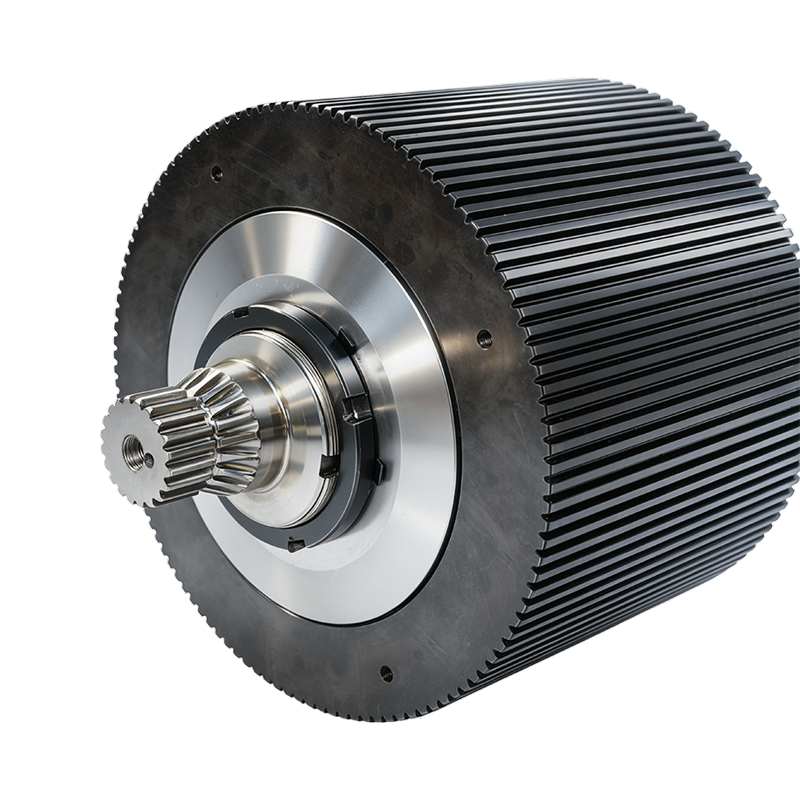
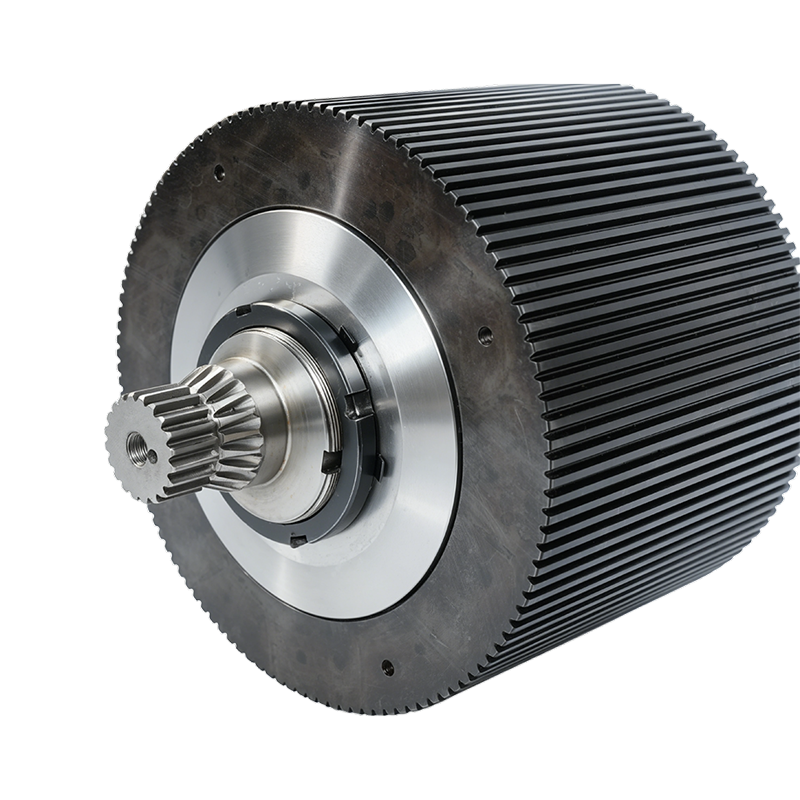
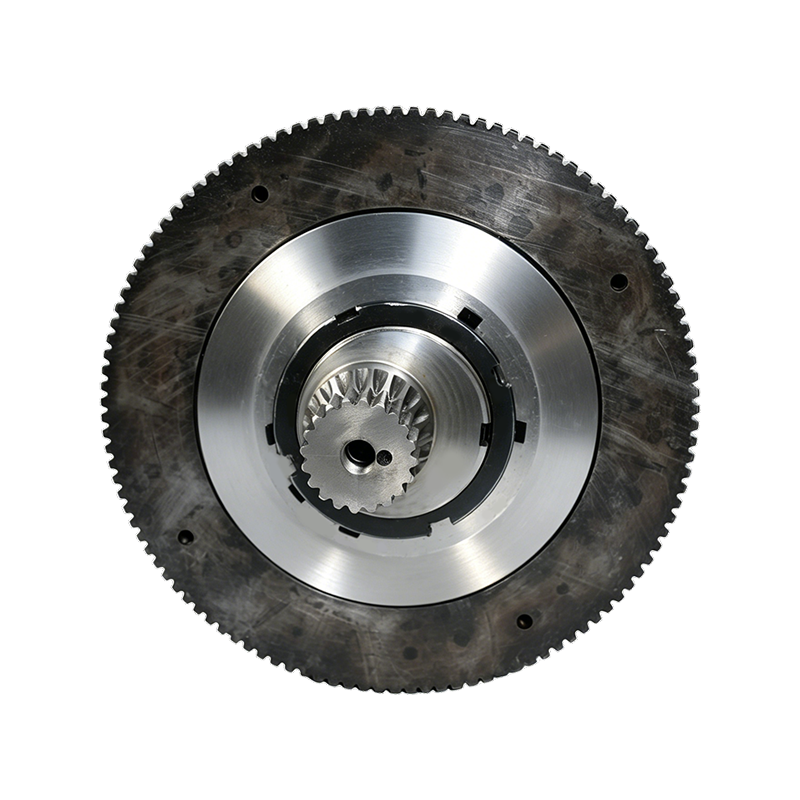
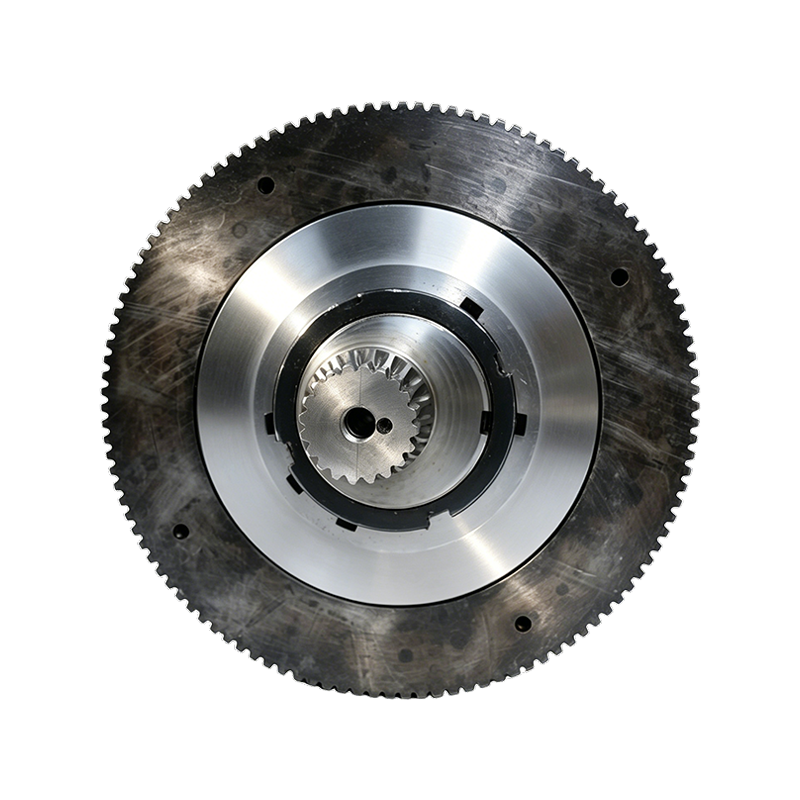
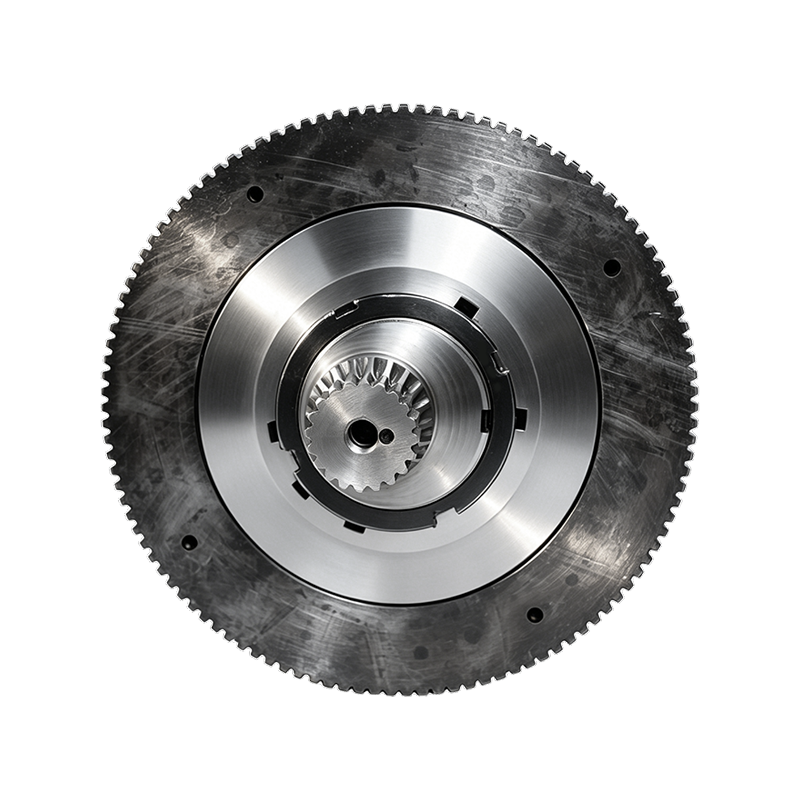
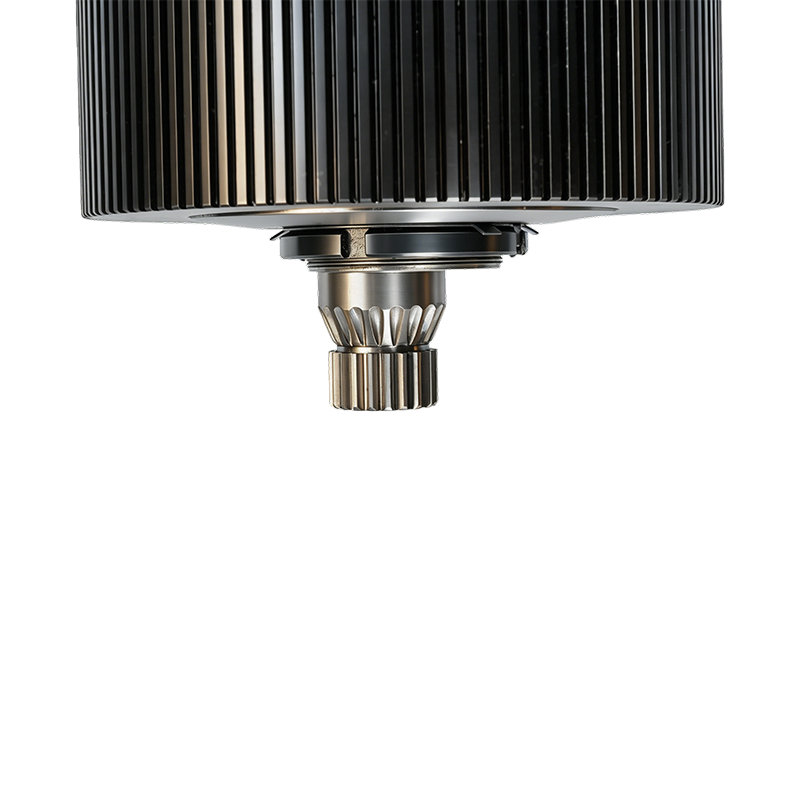
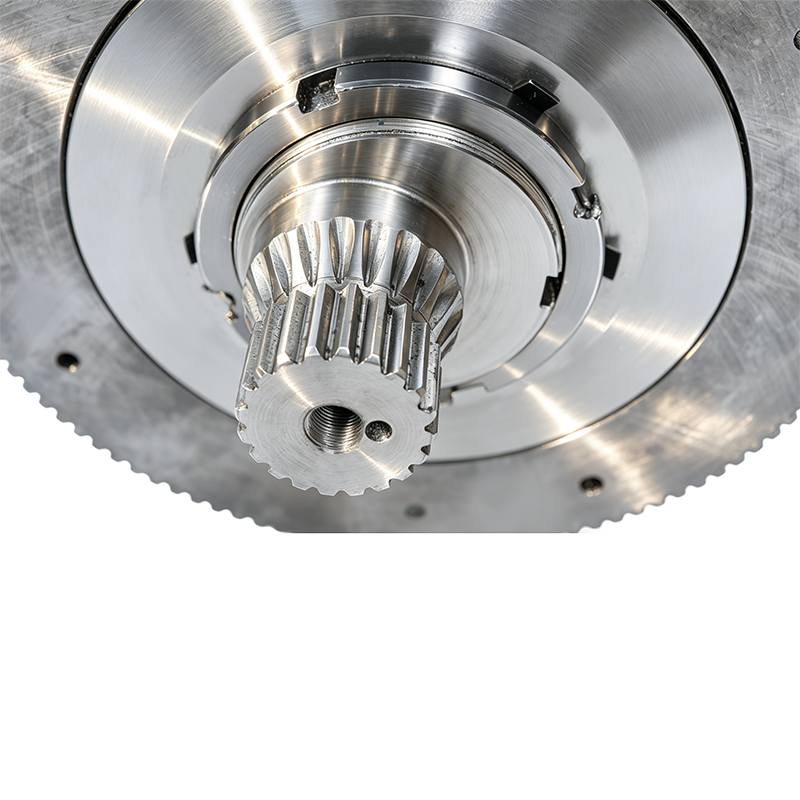
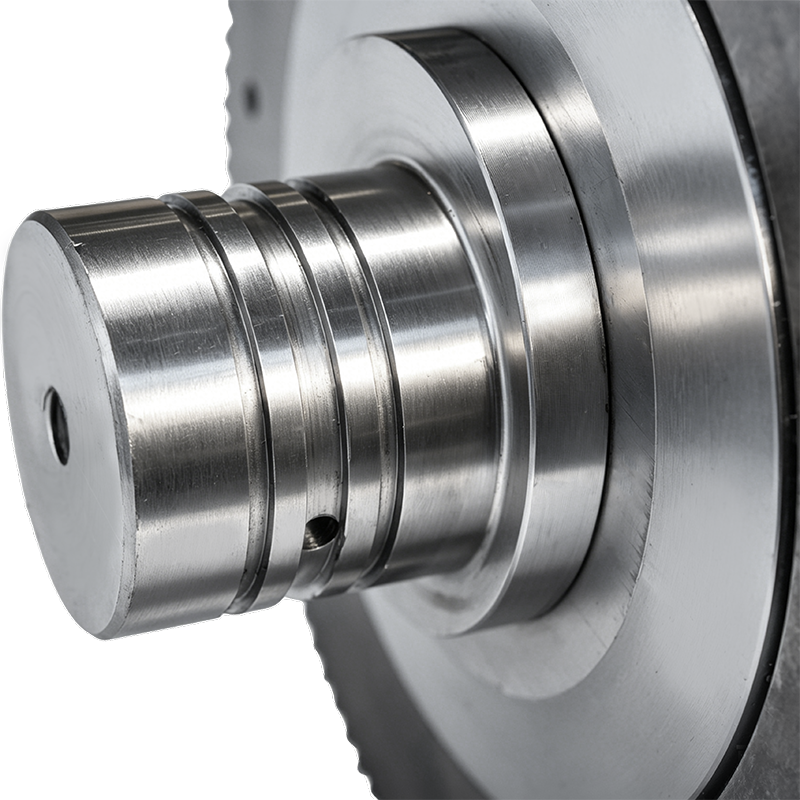 Product OverviewThe High-Productivity Pellet Mill Roller Shell Assembly is a critical component of t...View Details
 -
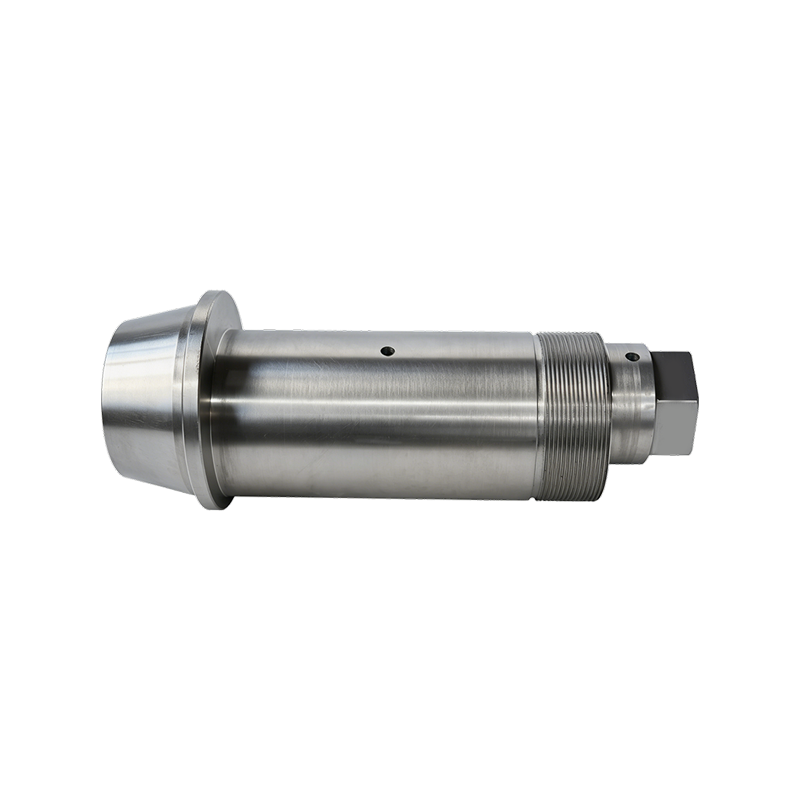
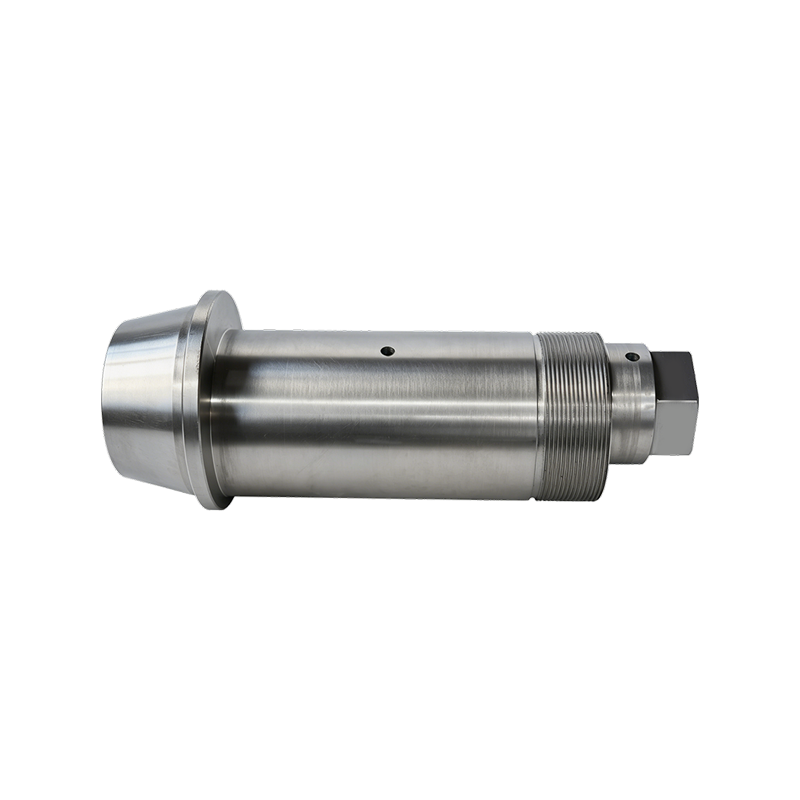
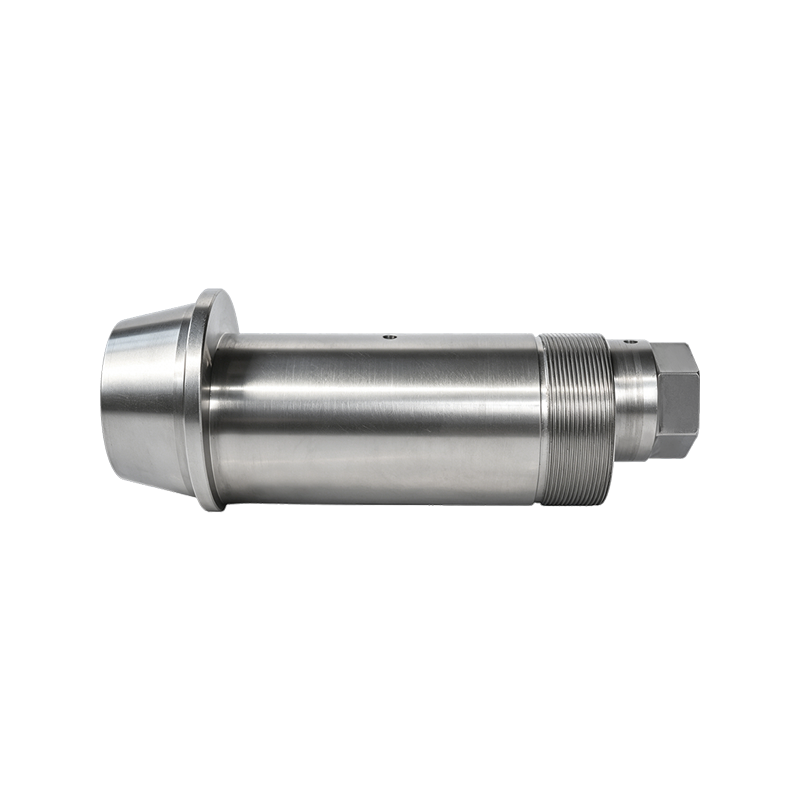 Product Overview: The 42CrMo Eccentric Shaft is a high-strength alloy steel component designed for h...View Details
 -
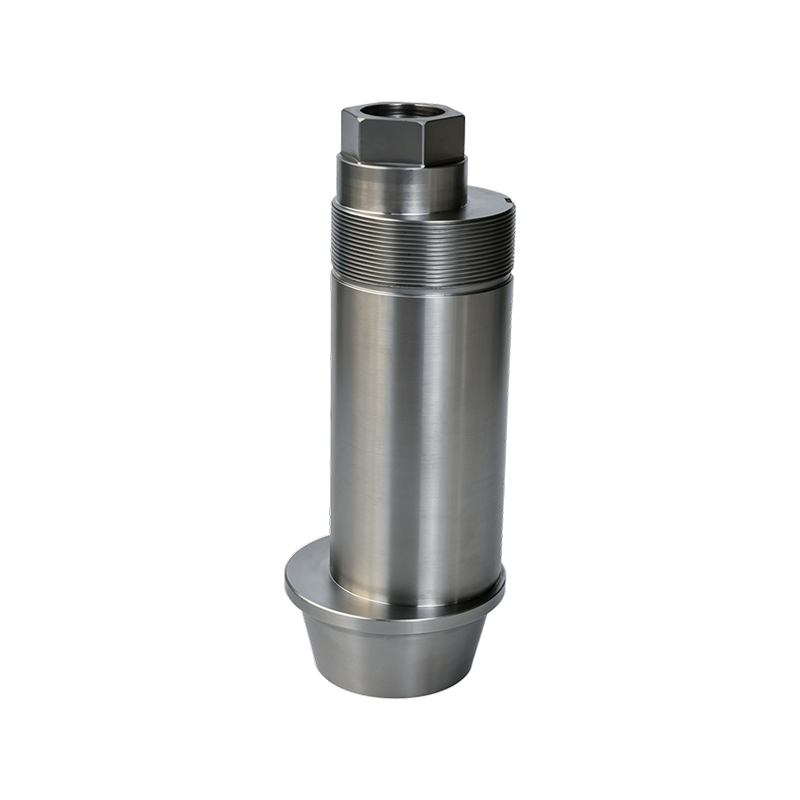
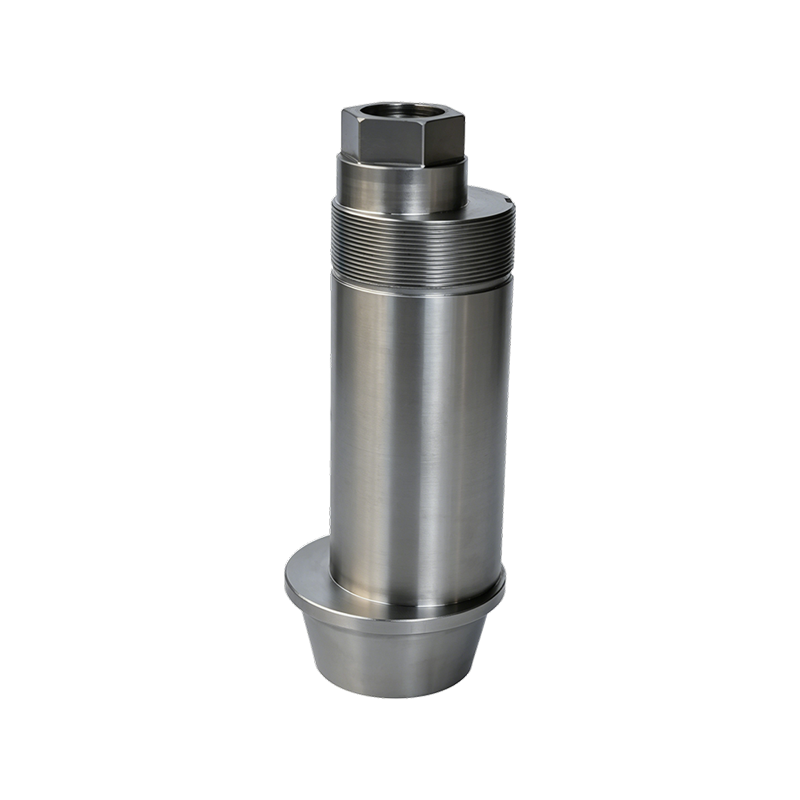
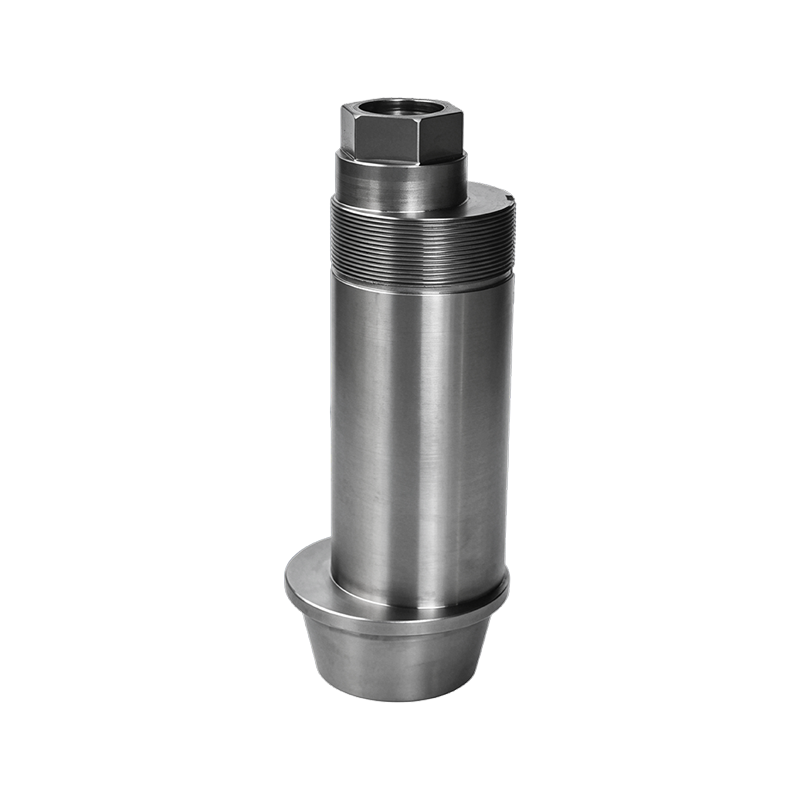
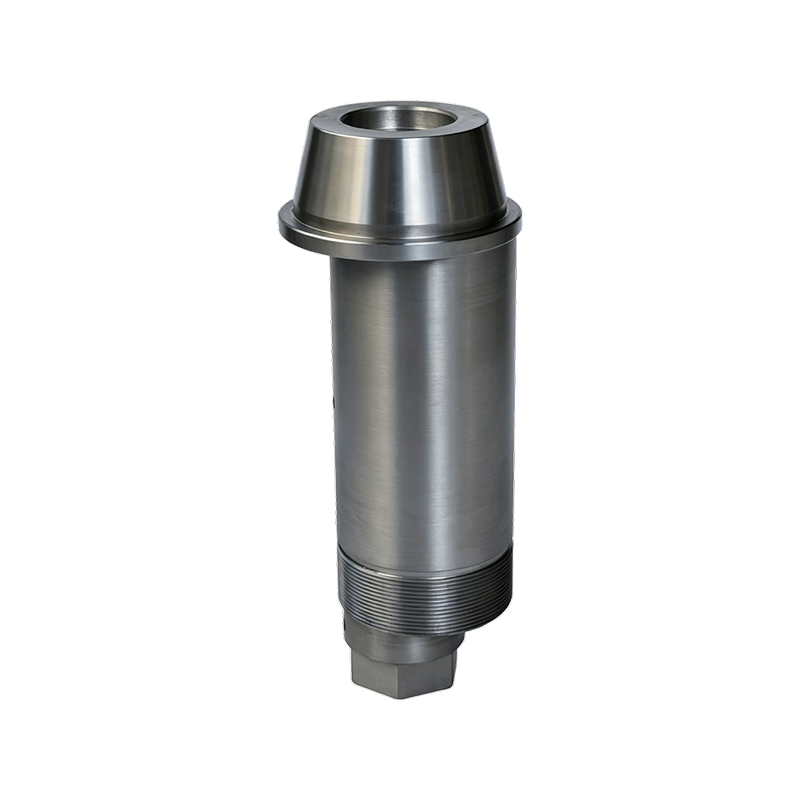
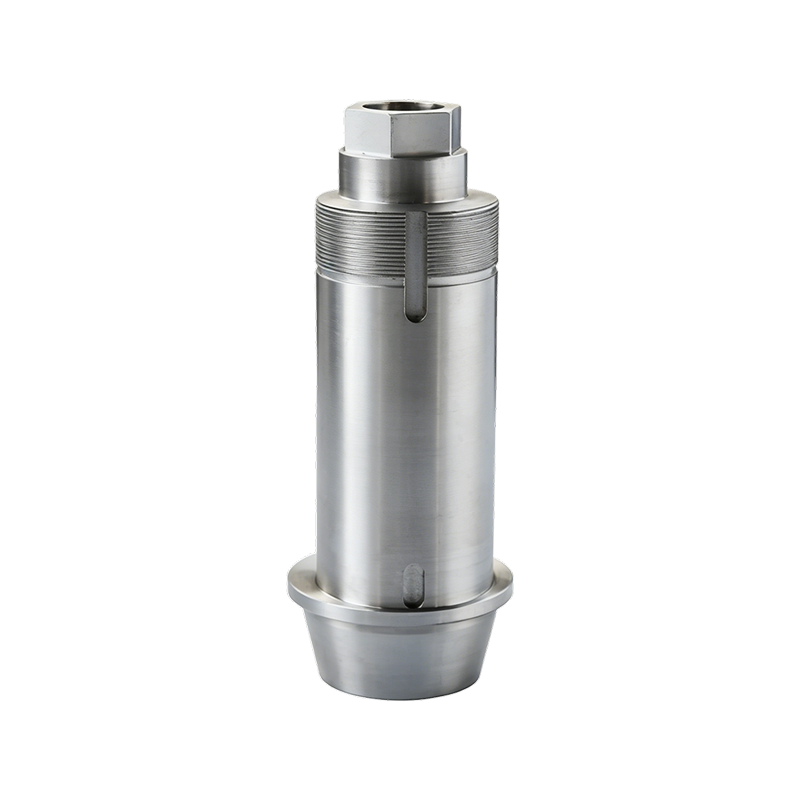
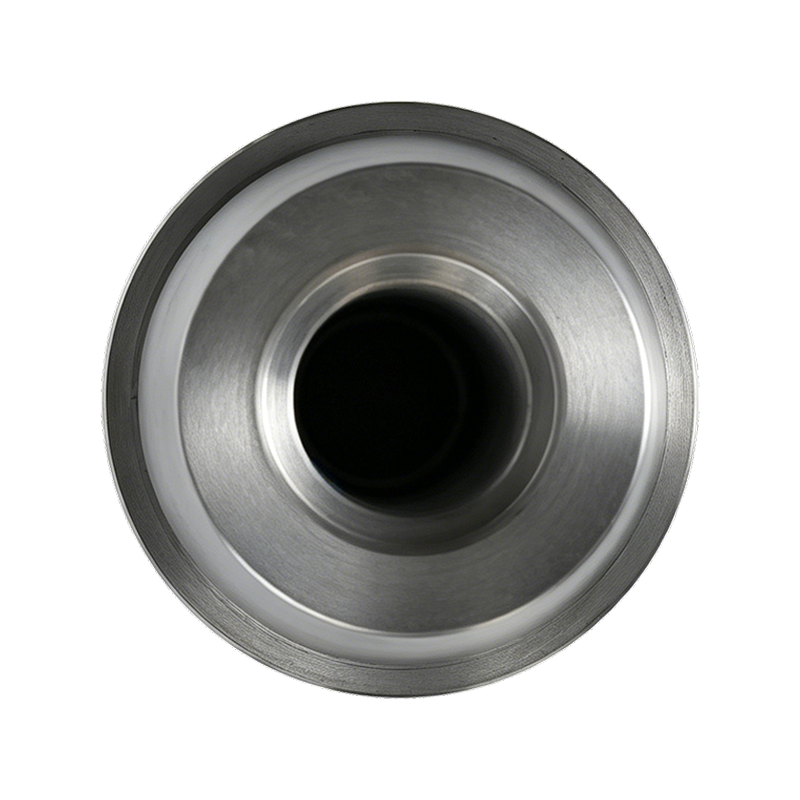
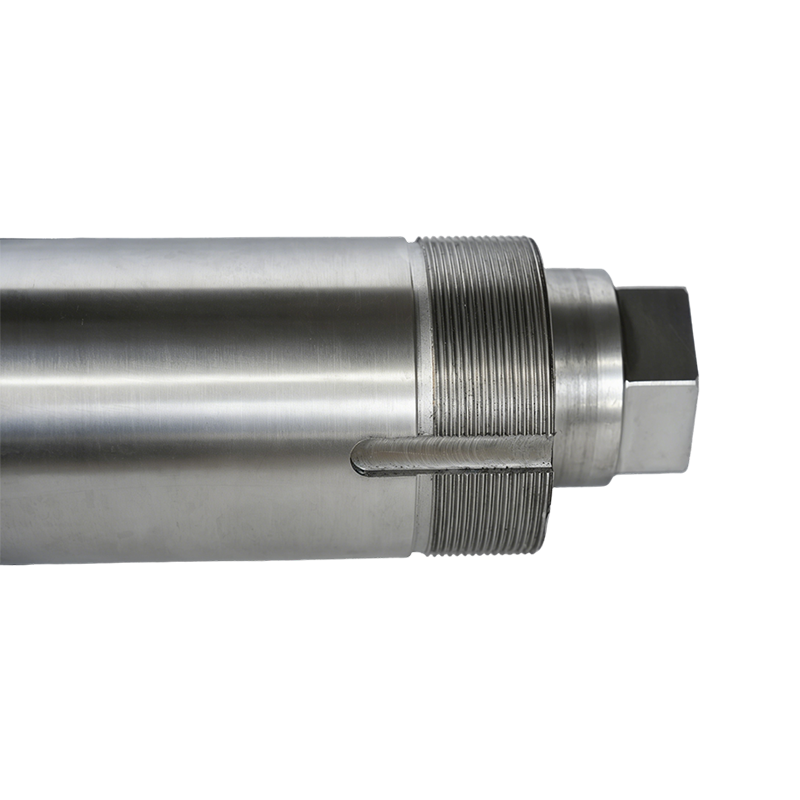
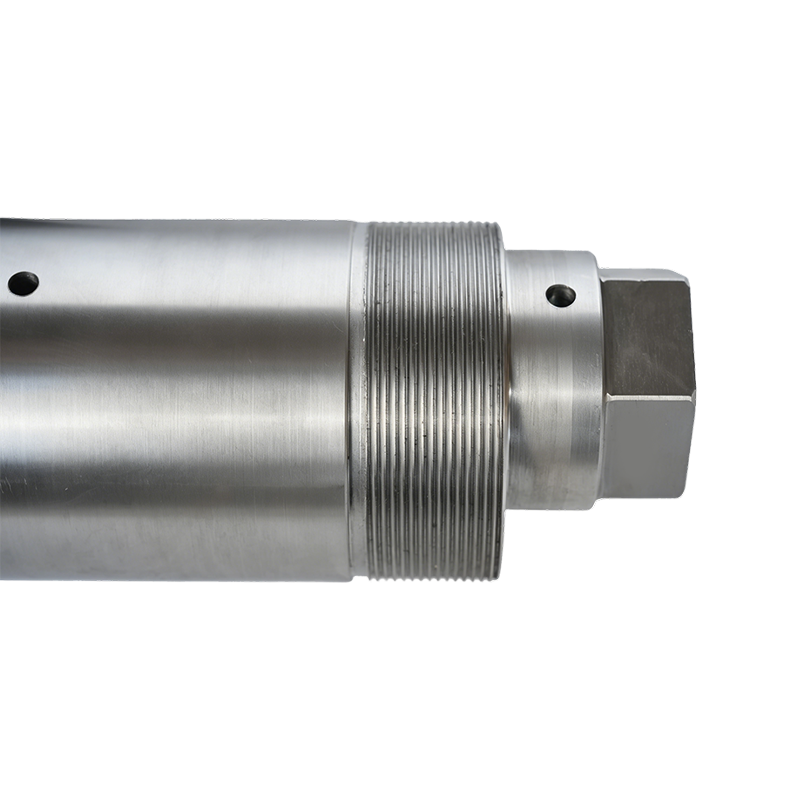
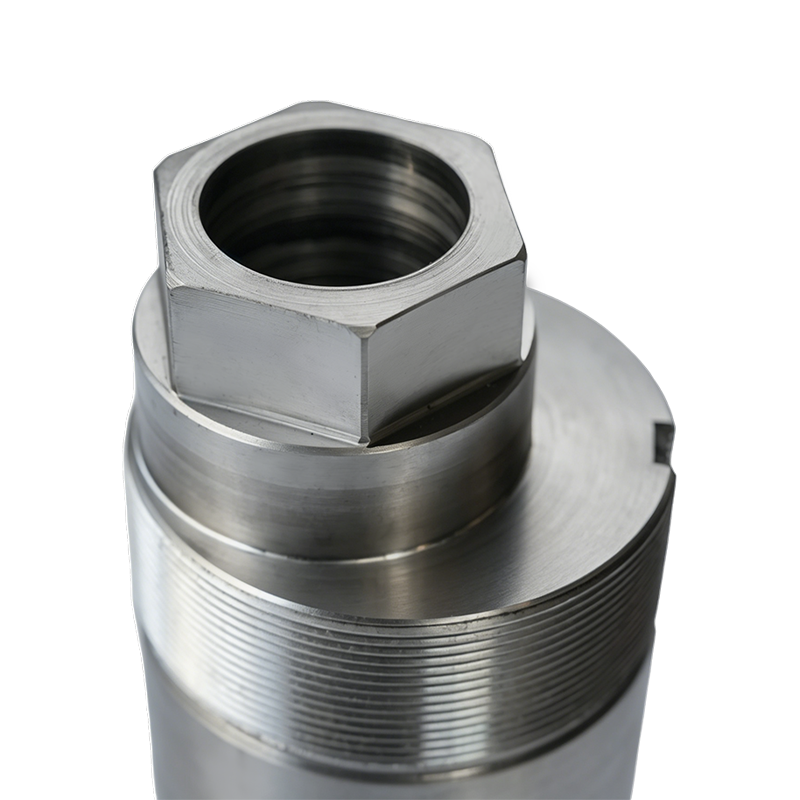
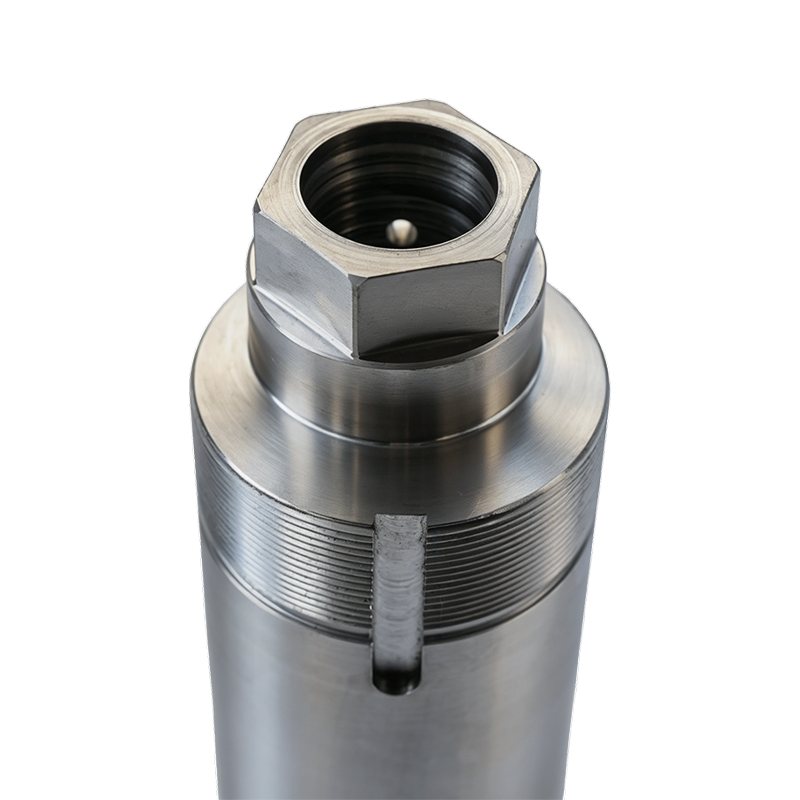
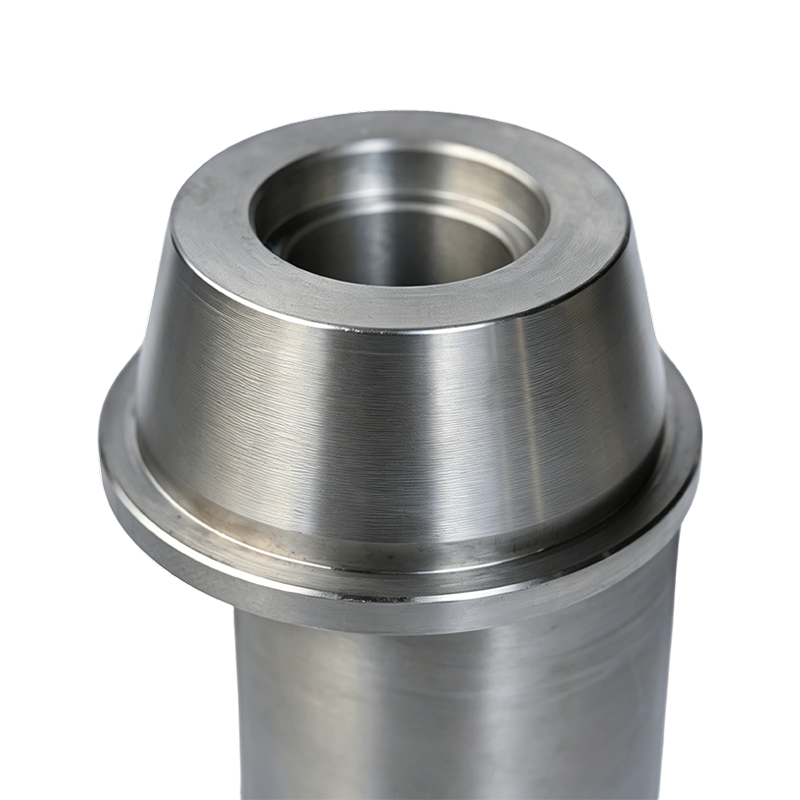 Product Overview: This eccentric shaft is a precision-engineered component made from 45# carbon stee...View Details
 -
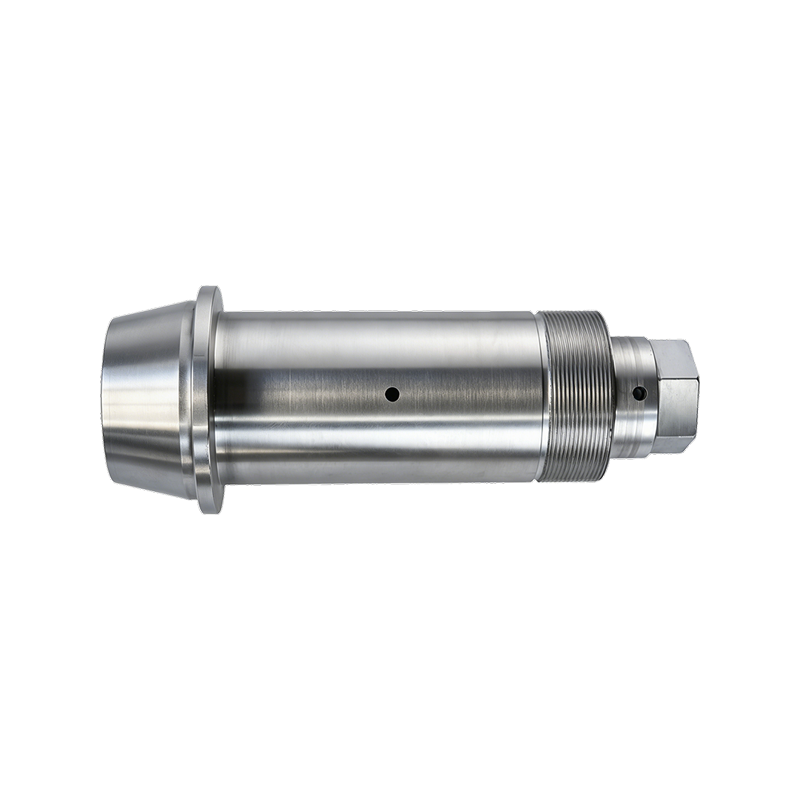
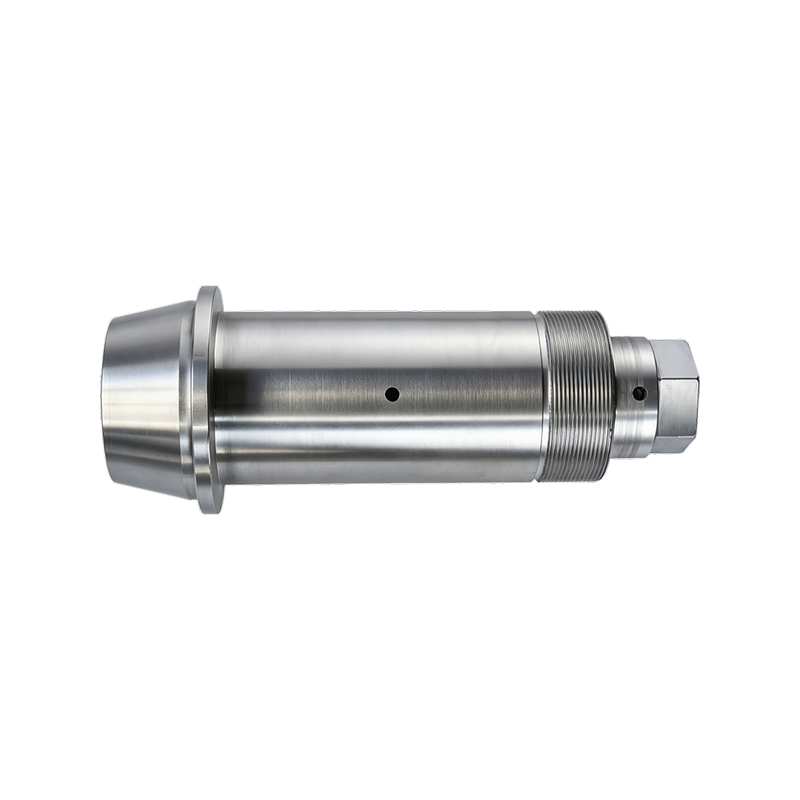 Product Overview: The 40Cr Eccentric Shaft is an alloy steel component manufactured for high-volume ...View Details
 -
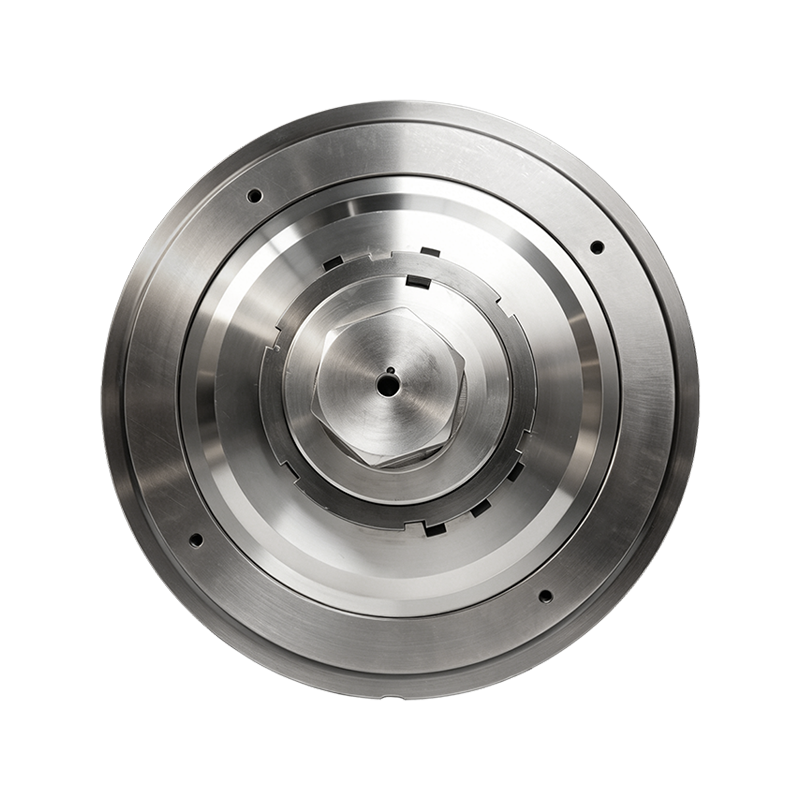
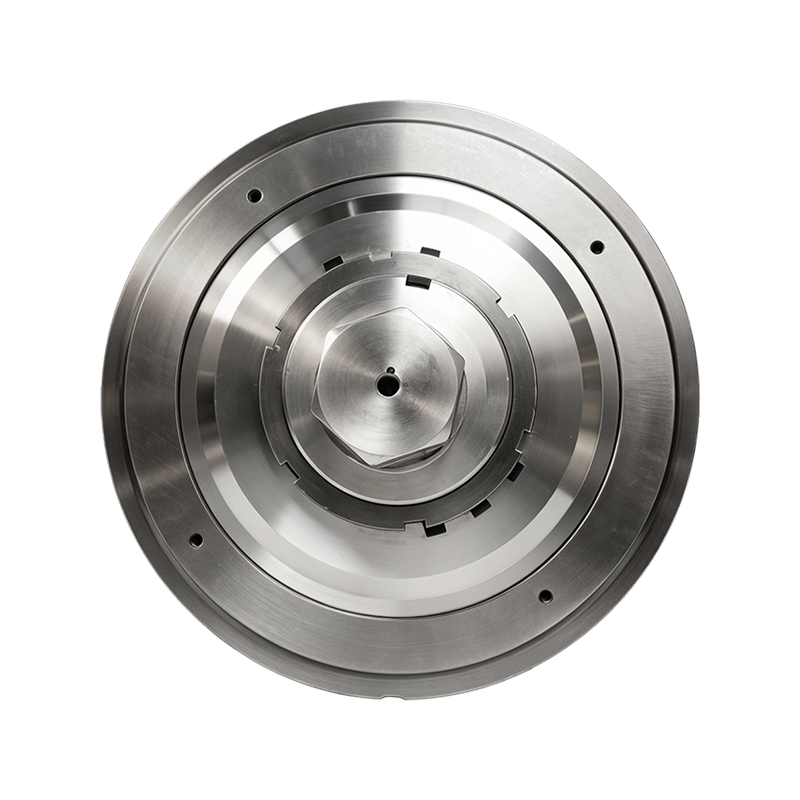
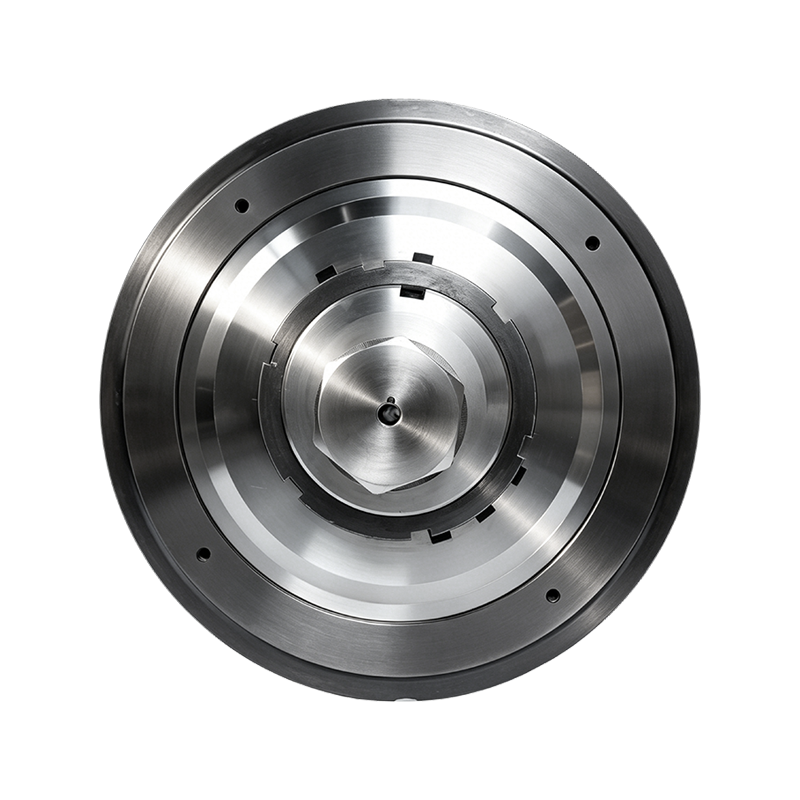
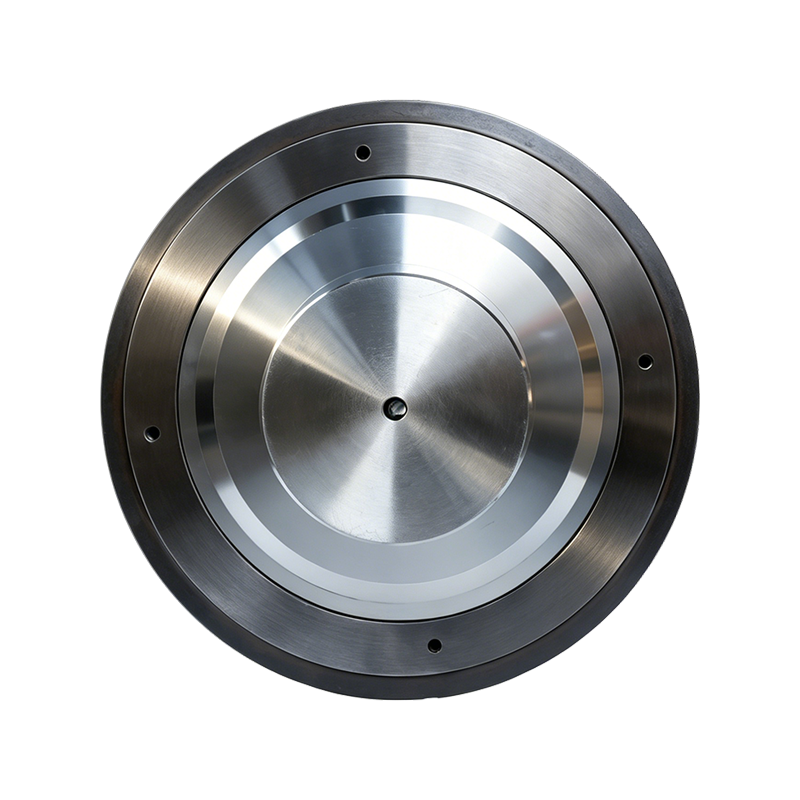
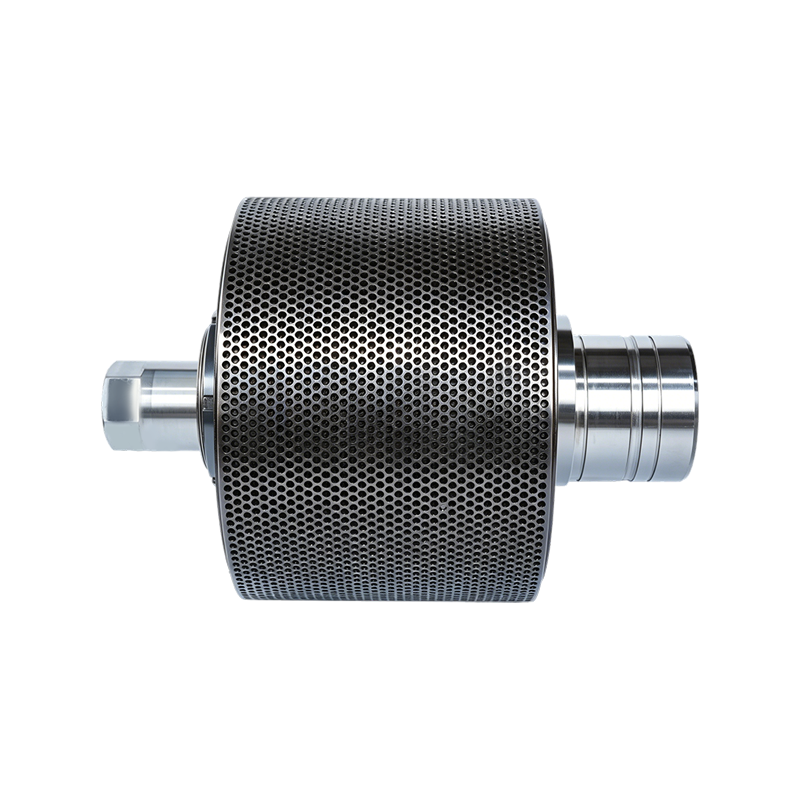
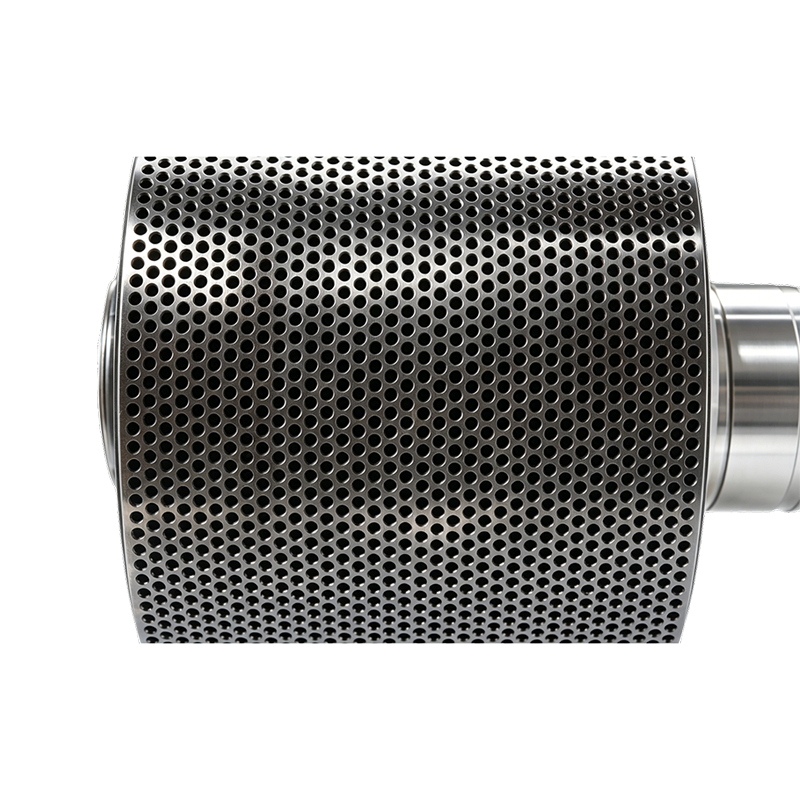
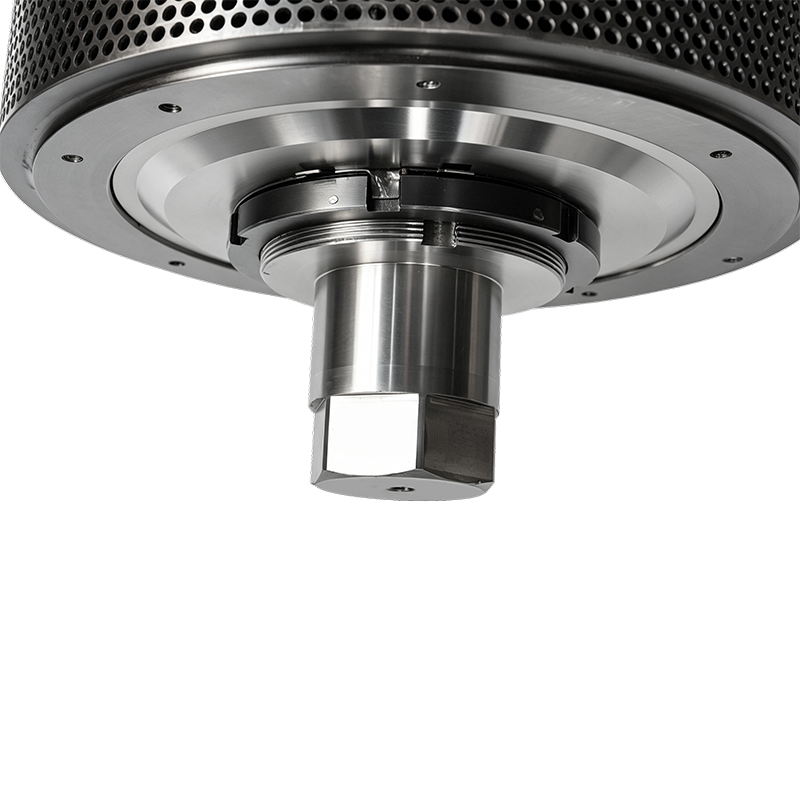
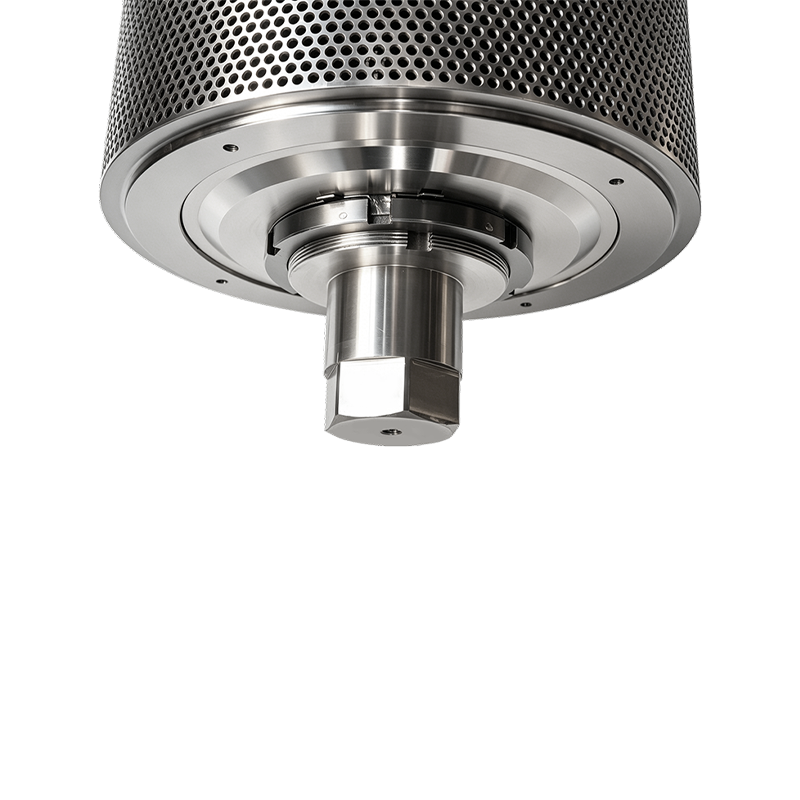
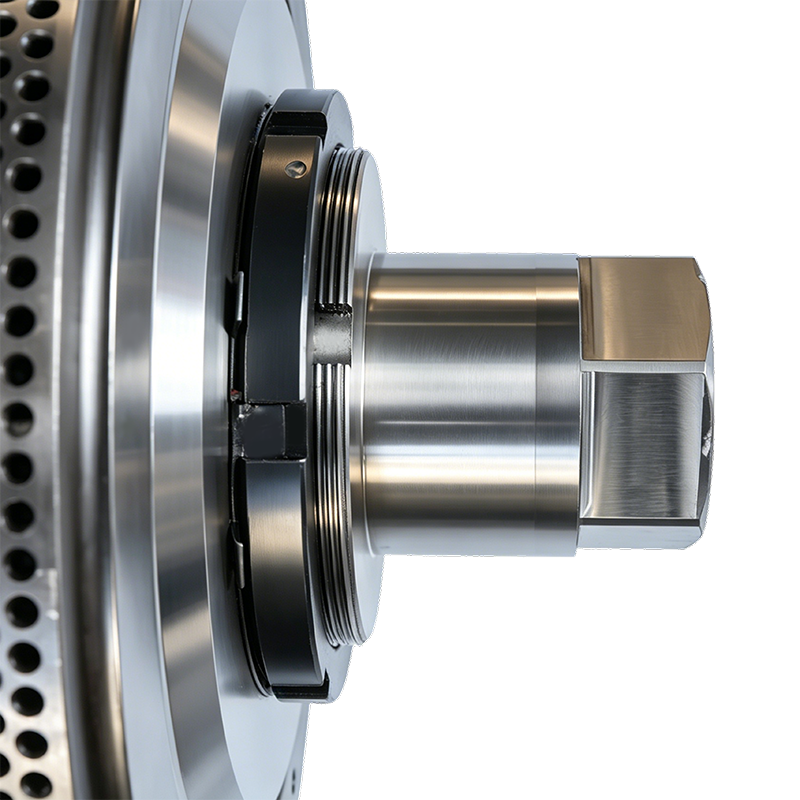
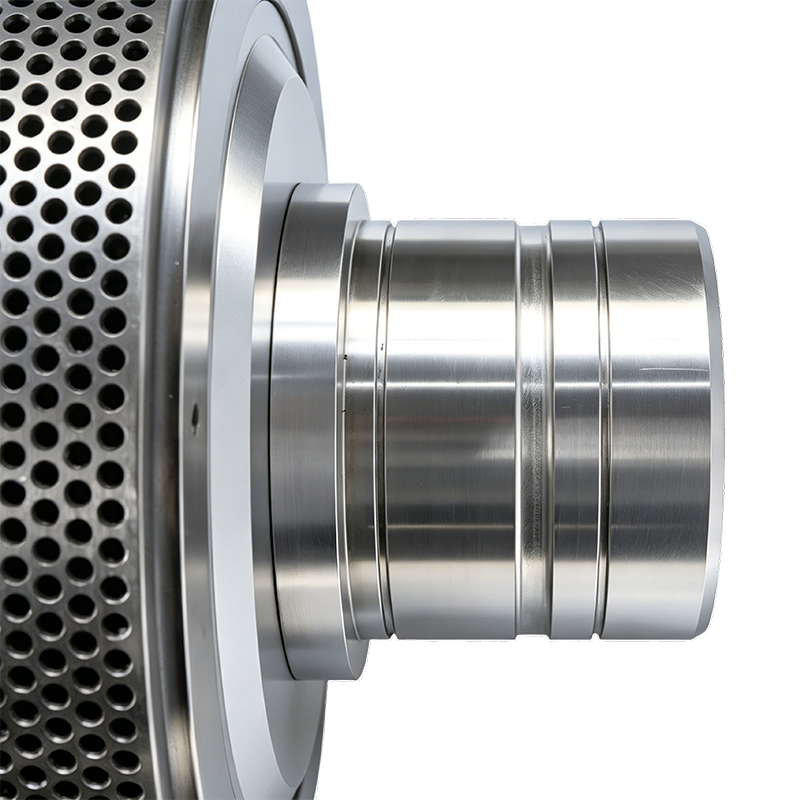
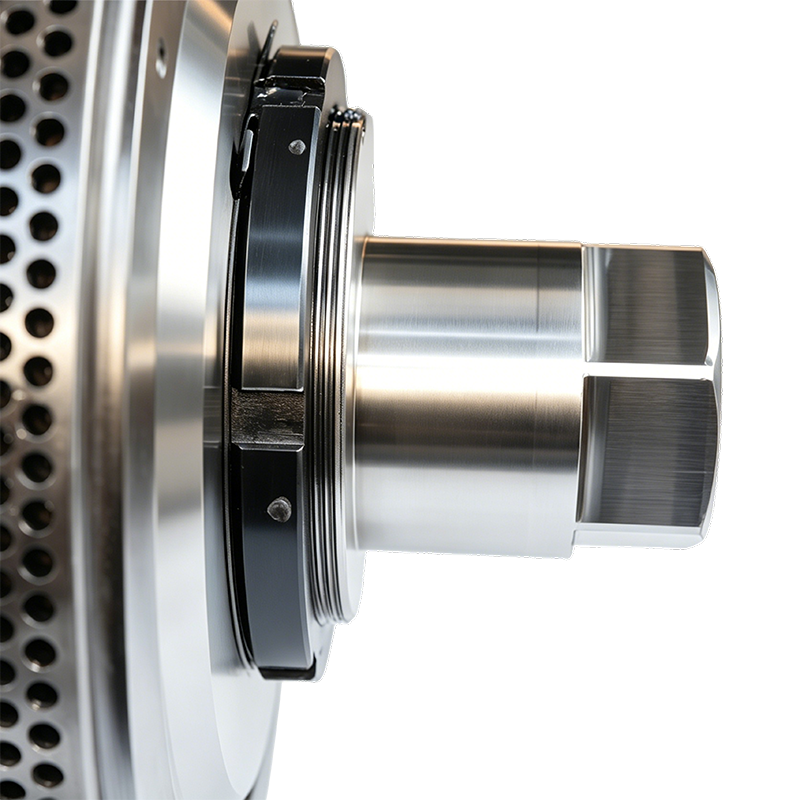
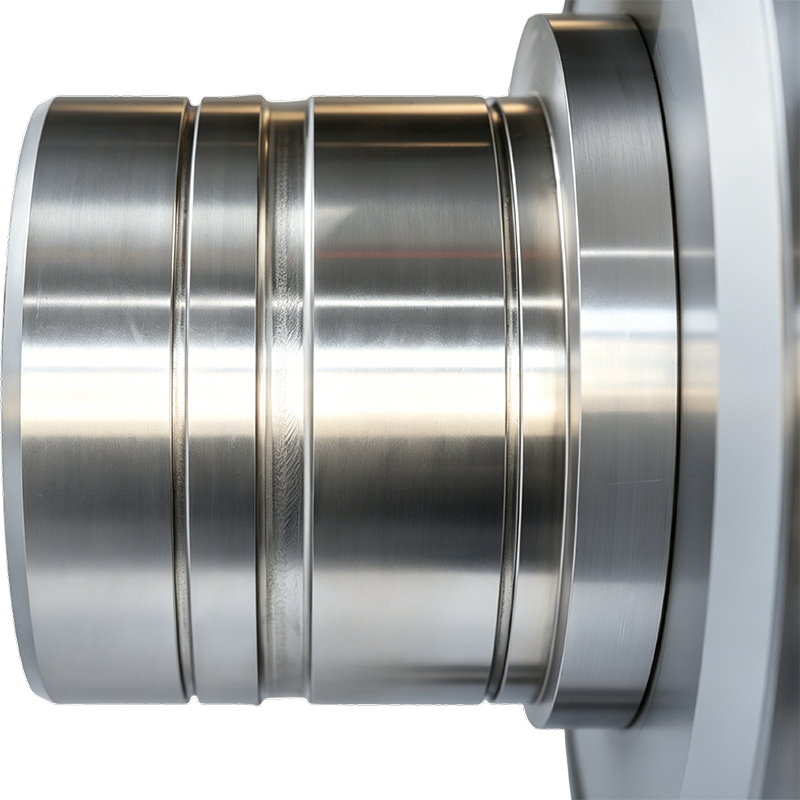
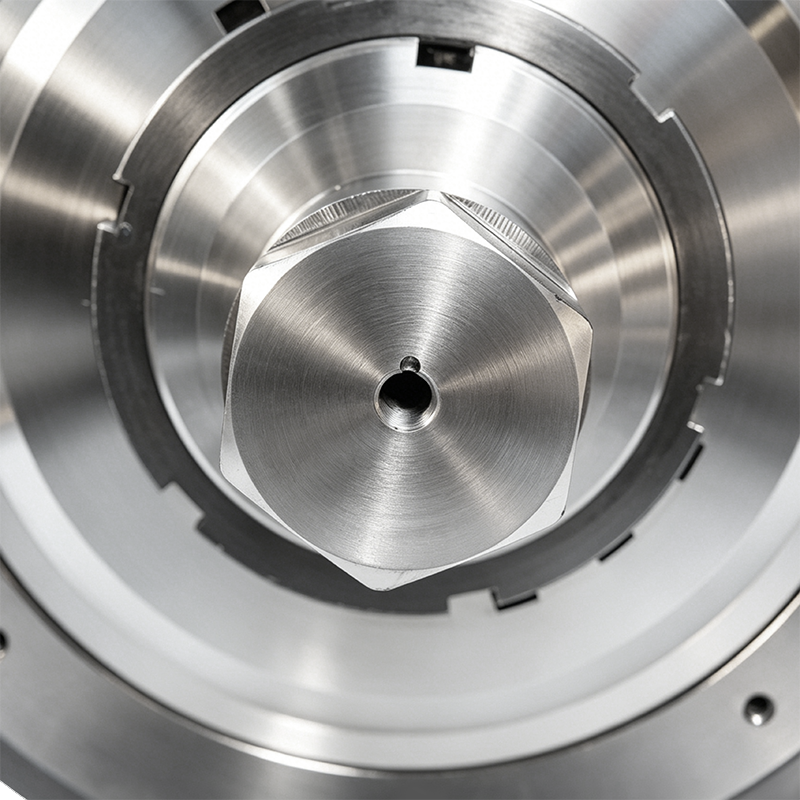 Product OverviewThis product is a precision-machined 45# Steel Gland (Bearing Cover/Seal Cap), speci...View Details
 -
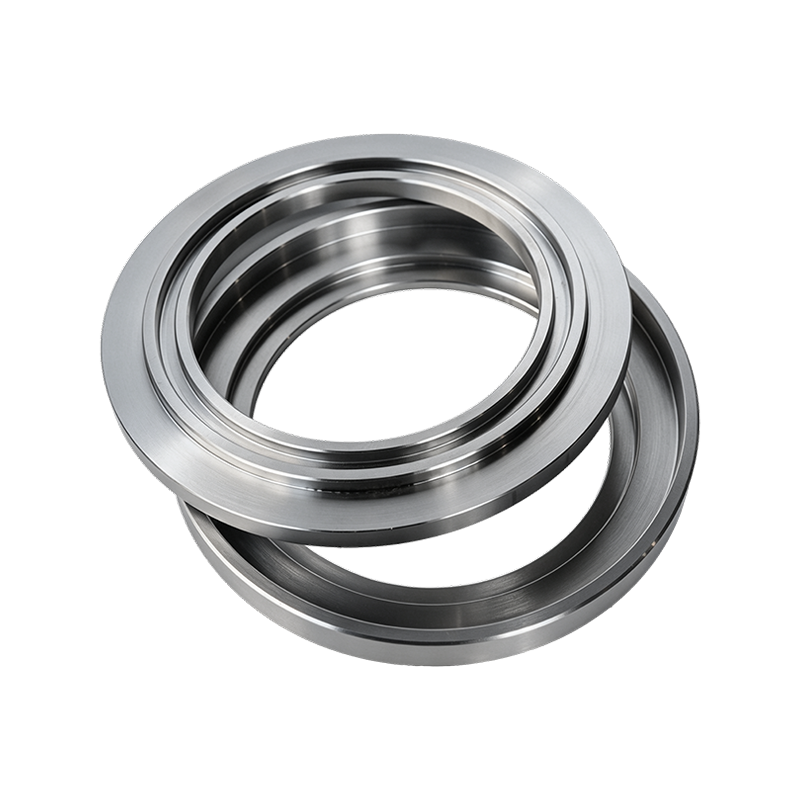
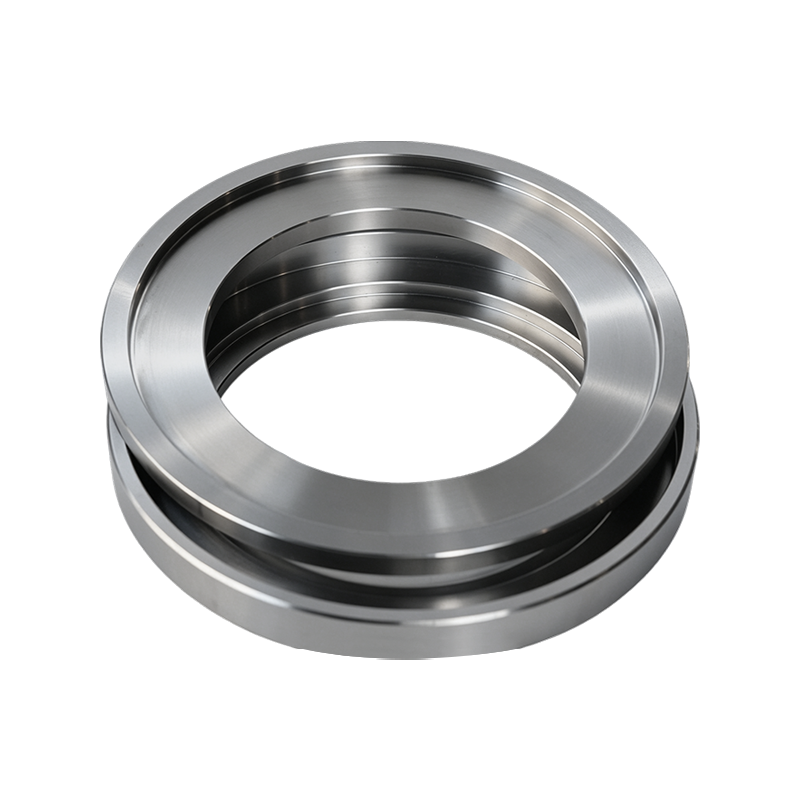
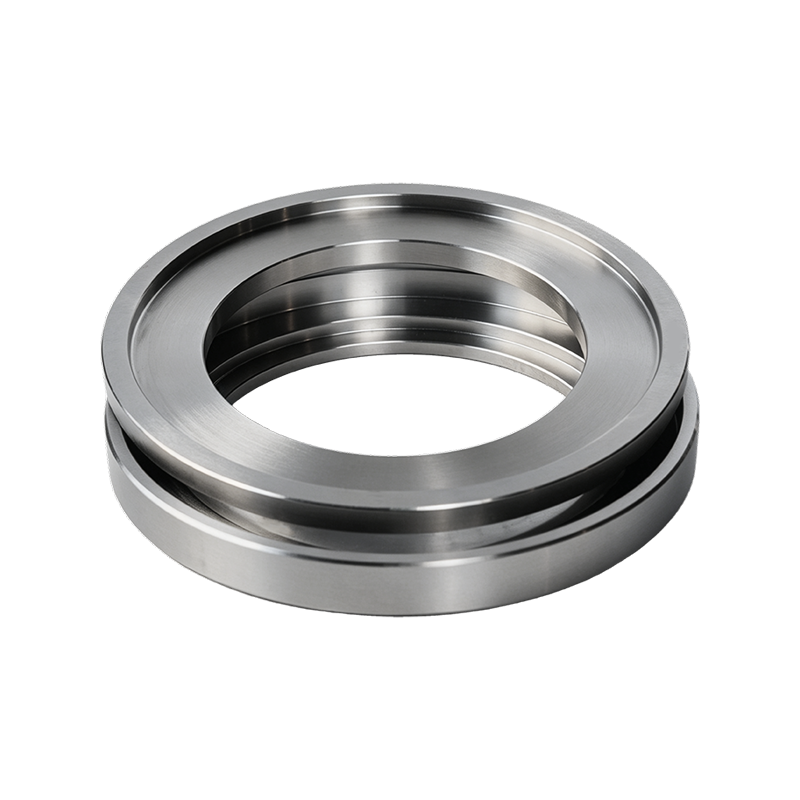
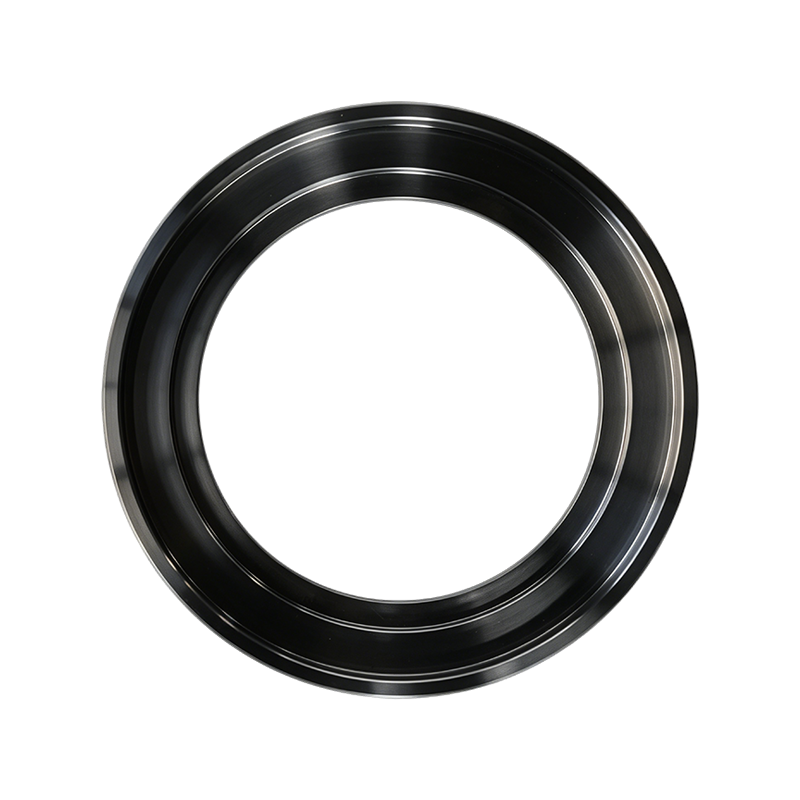
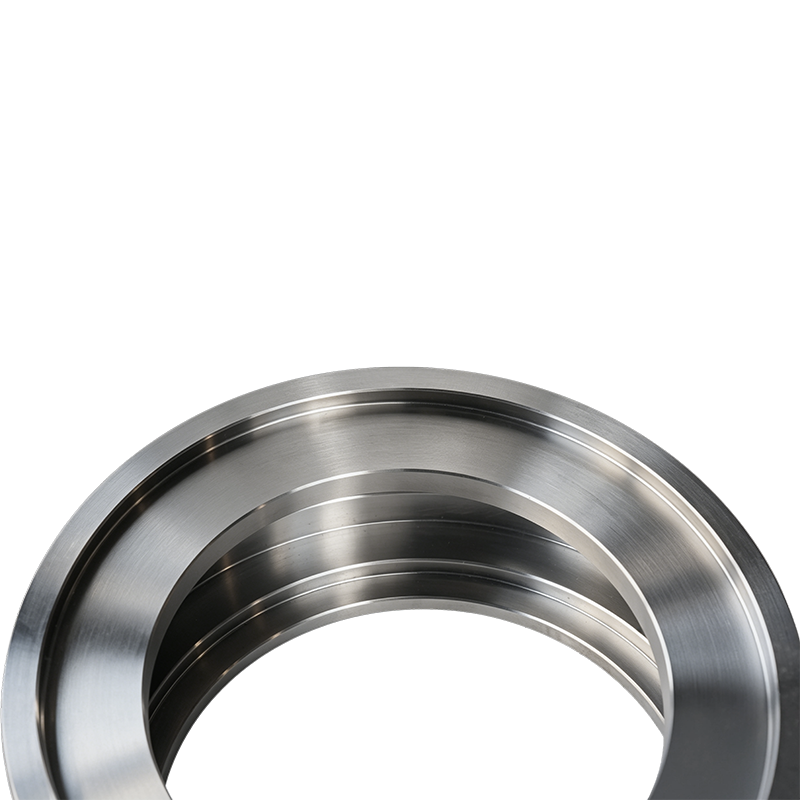
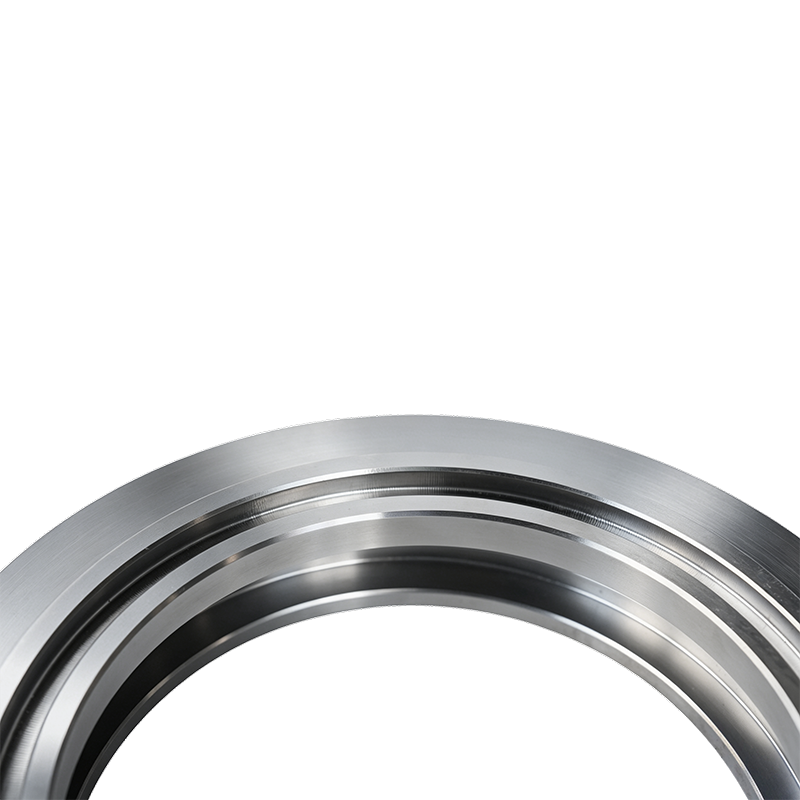
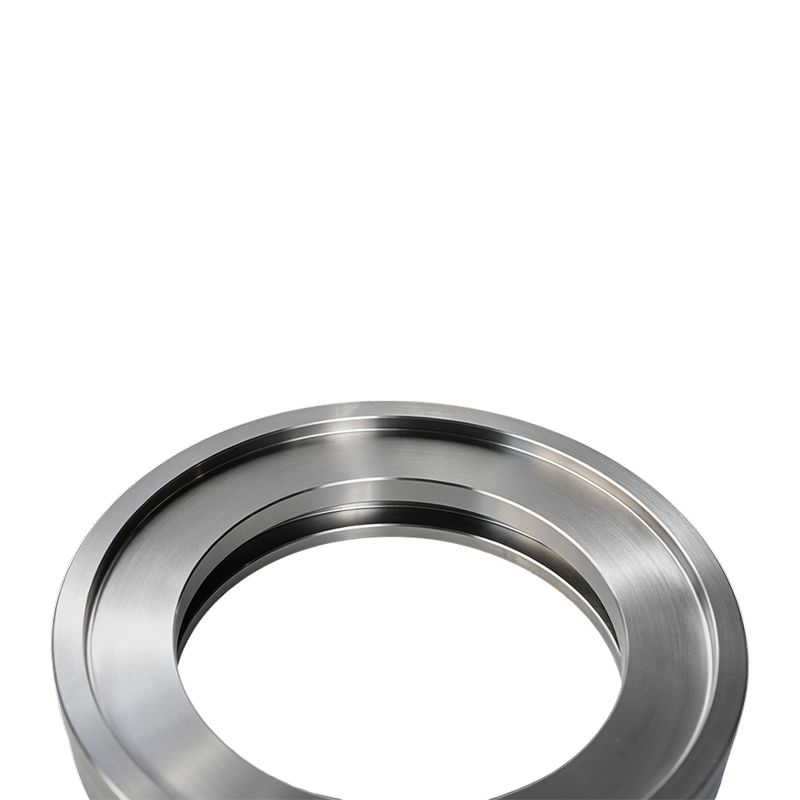
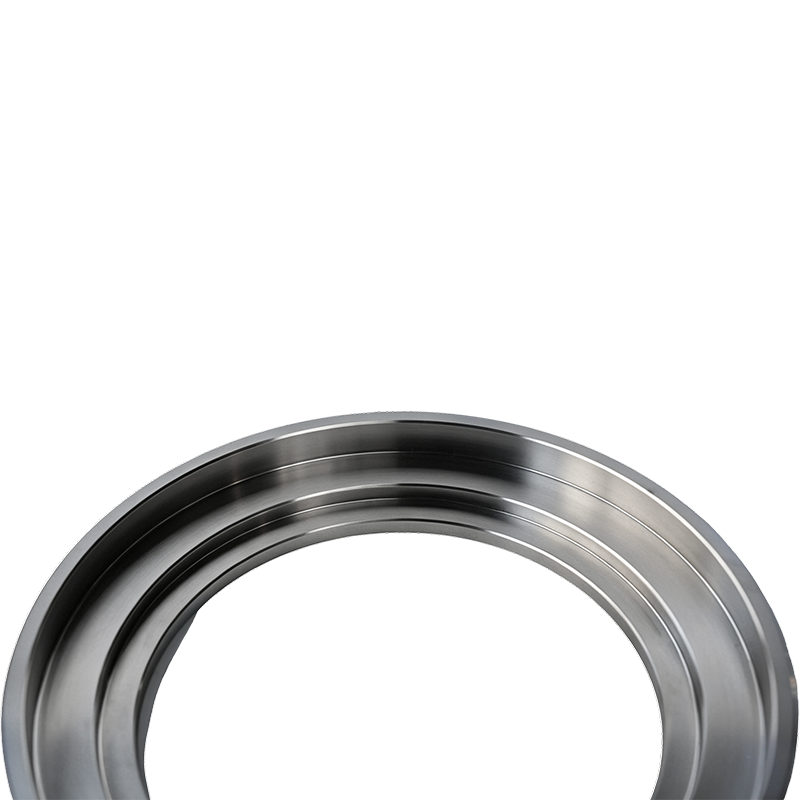
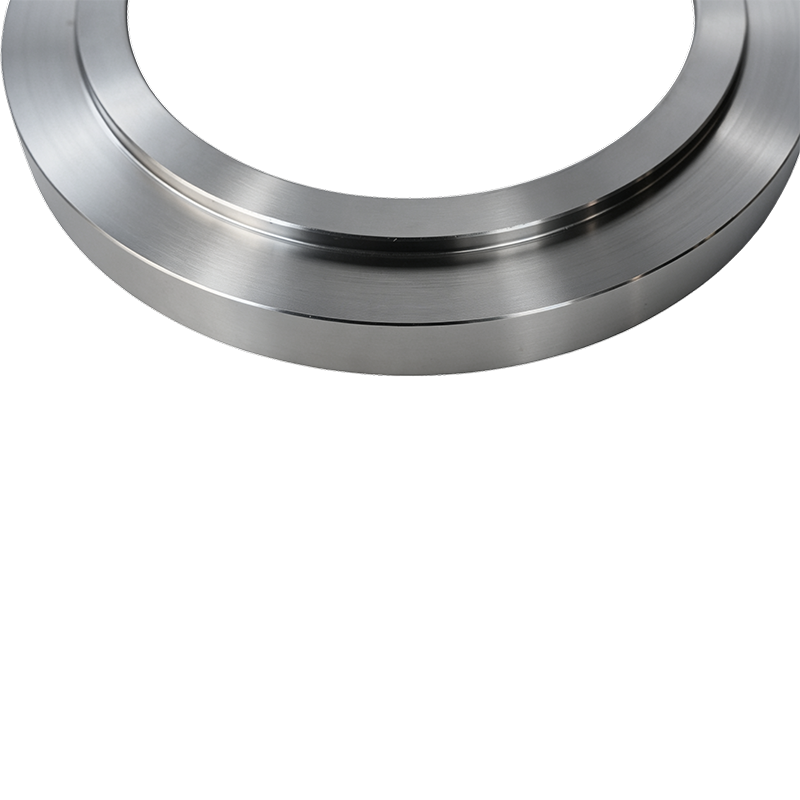
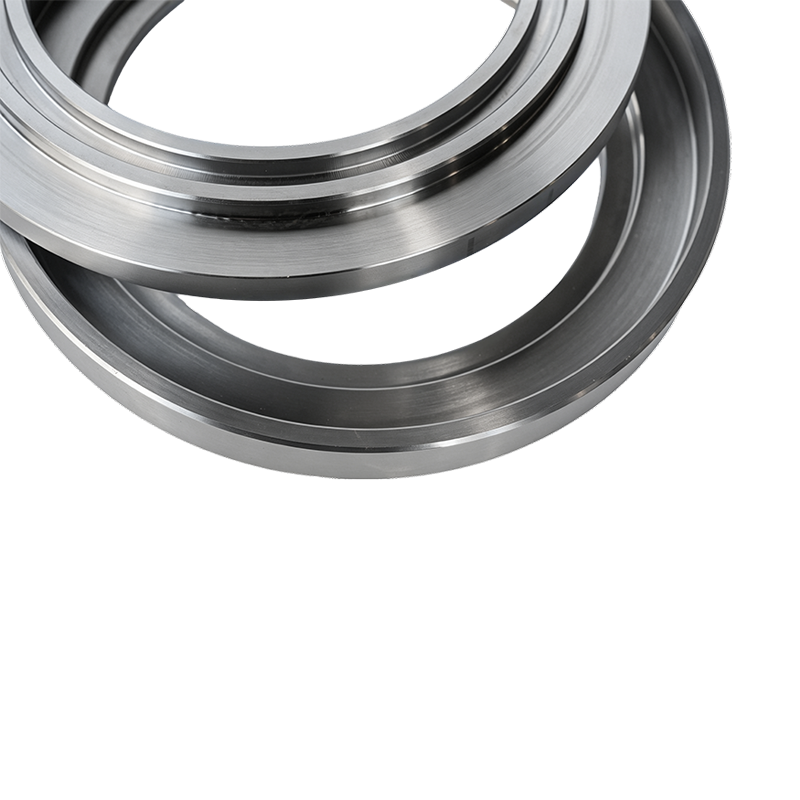 Product OverviewThe 45# Steel Oil Slinger (Oil Deflector) is a precision internal component mounted ...View Details
 -
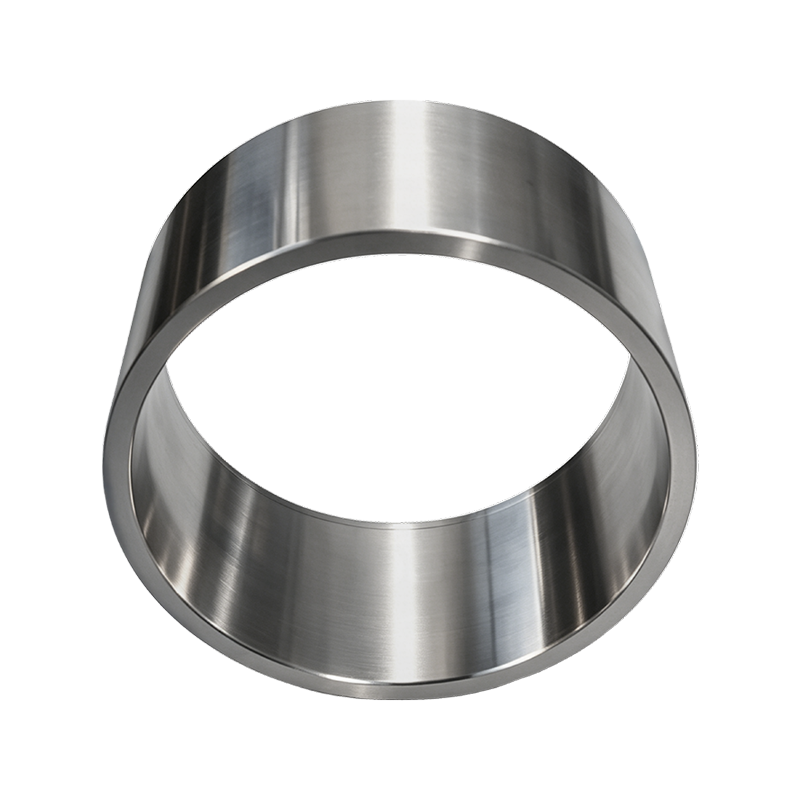
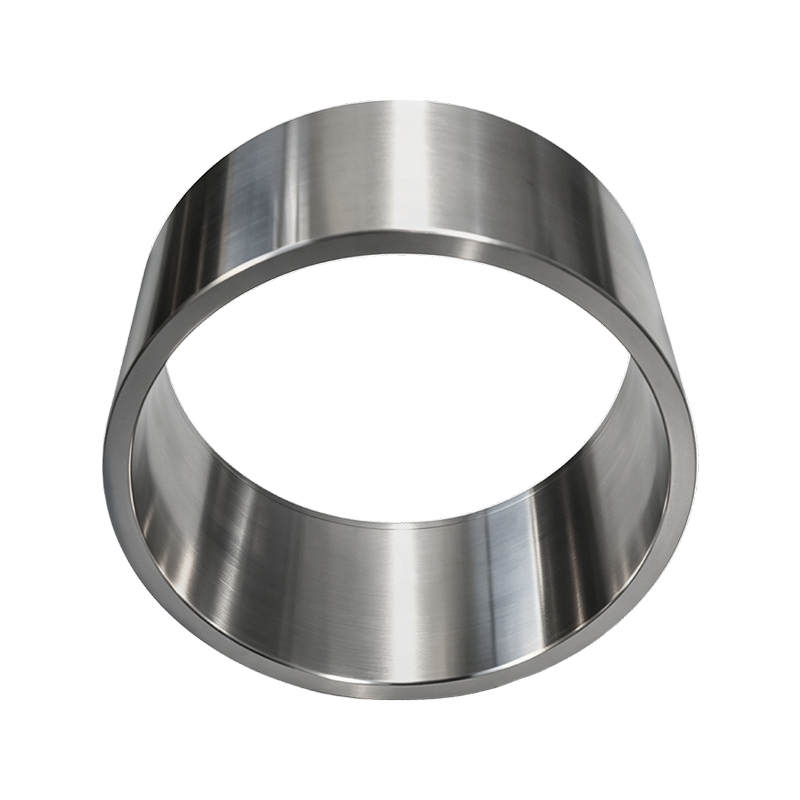
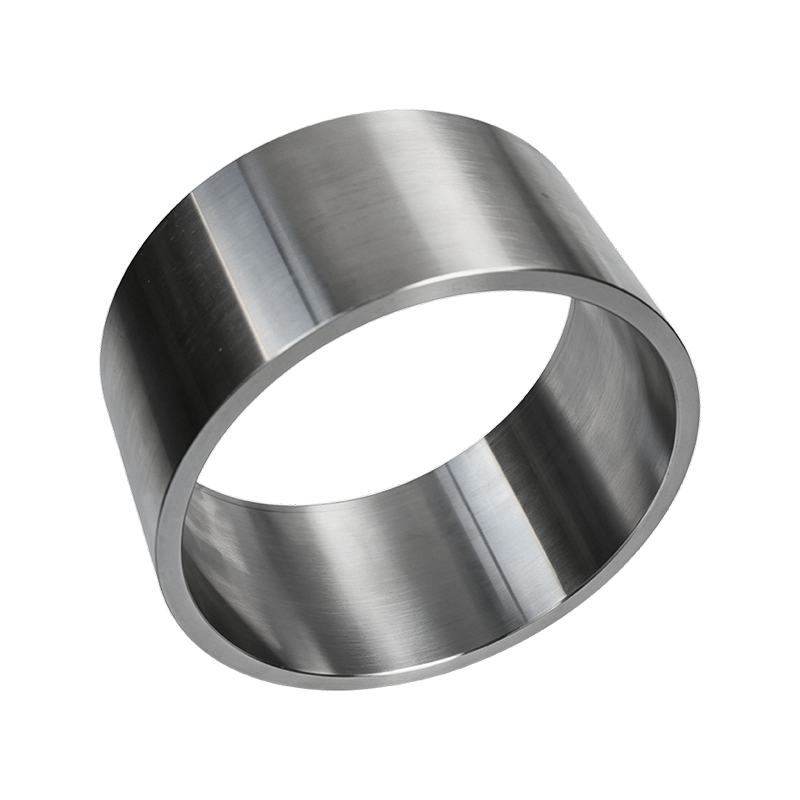
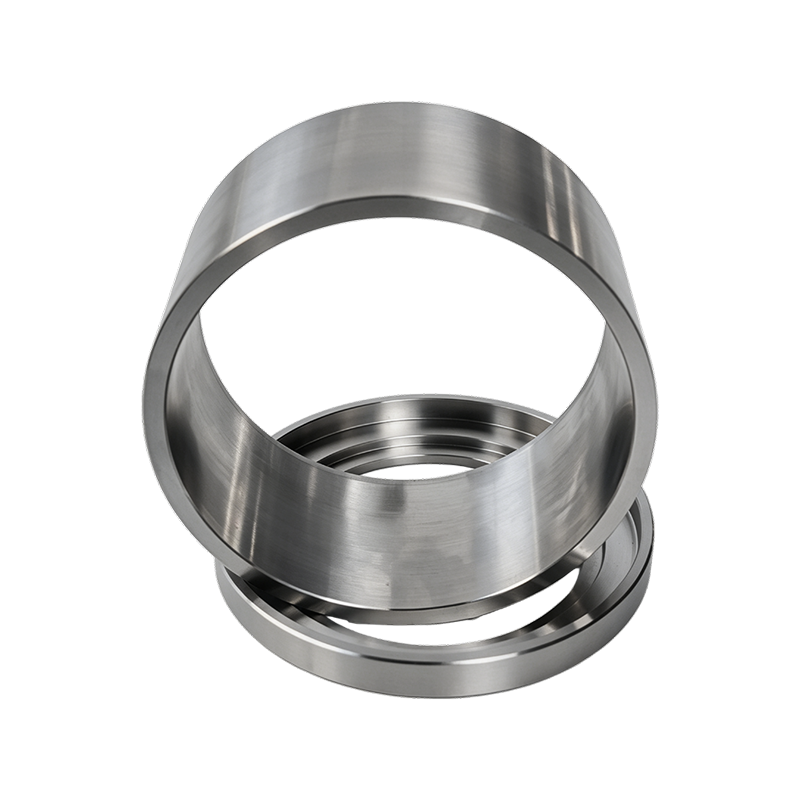
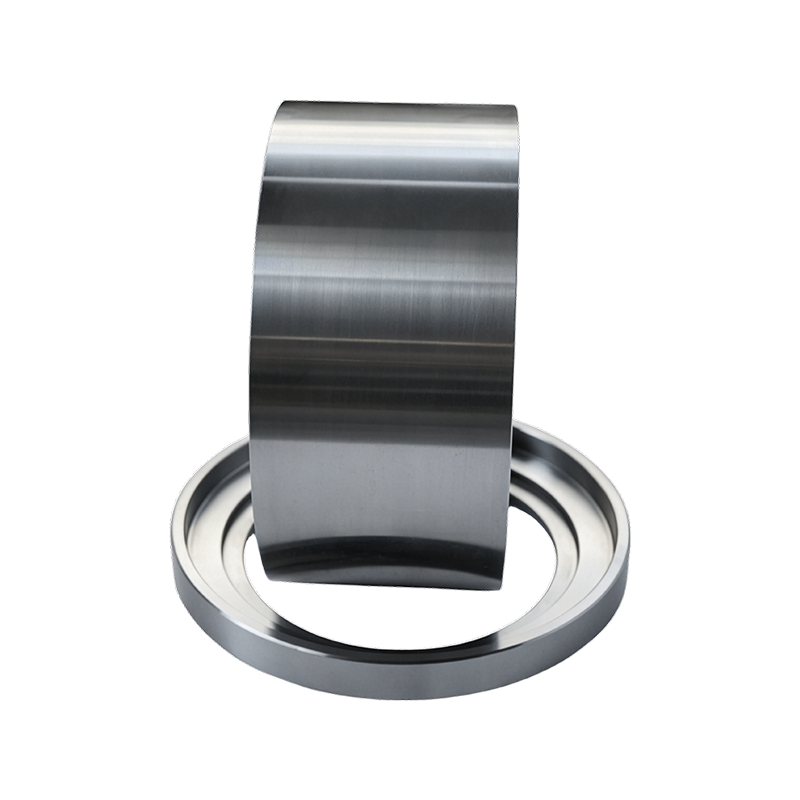 Product OverviewThe 45# Steel Precision Spacer (Spacer Ring) is a critical internal component used t...View Details
Closed End Roller Shells
Forged, heat treated roller shells with a sealed end structure for ring die granulators, manufactured by Anhui Jindingsheng Machinery Co., Ltd.
Closed end roller shells are roller shell components manufactured with a sealed end plate at the roller edge, which retains material pressure against the ring die throughout the compression cycle. The structure is used in ring die granulators across feed, biomass, and organic fertilizer production lines where a single raw material formulation runs continuously over long production cycles, and where a consistent feed profile at the roller edge matters more than rapid cleaning between formulation changes. The sealed end reduces material leakage at the roller edge, which helps maintain even compression across the full width of the roller face during extended operation. The shells are forged from alloy steel and processed through a controlled heat treatment cycle that hardens the working surface while keeping the core structure tough enough to withstand repeated compressive and shear loading from the ring die. Anhui Jindingsheng Machinery Co., Ltd., located in Guangde City Economic Development Zone, Anhui Province, manufactures closed end roller shells to order, matching roller width, diameter, and end plate configuration to the specified ring die model. Production takes place inside a single facility covering raw material handling, forging, machining, heat treatment, and inspection, supporting both domestic supply and export orders to markets including the United States, Japan, South Korea, Vietnam, France, Bangladesh, Russia, India, and the Philippines.
Core Advantages
The sealed end plate retains consistent material pressure against the ring die throughout continuous, long cycle operation
Alloy steel forging with a controlled grain structure resists compressive fatigue under sustained granulator operation
Surface heat treatment produces a hardened wear layer while the core retains toughness against shock loading
The closed end structure reduces material leakage at the roller edge during extended production runs
Roller width, diameter, and end plate configuration are manufactured to match the specified ring die model
Raw material handling, forging, machining, heat treatment, and inspection are carried out inside a single production facility
Product Specifications
Material Alloy forging steel
Structure Closed ended, sealed end plate at the roller edge
Surface Treatment Controlled heat treatment
Roller Width Manufactured to order
Roller Diameter Manufactured per ring die specification
Compatible Equipment Ring die granulators using a closed end roller configuration
Inspection Dimensional check prior to shipment
Packaging Individually wrapped with anti-corrosion coating for export shipment
Where the Closed End Structure Fits Best
Closed End Roller Shells
Suited to single formulation lines running long, continuous production cycles, where a sealed end plate helps retain material pressure against the ring die for a stable feed profile
Open End Roller Shells
Suited to high throughput lines that switch between raw material formulations frequently, since an open structure reduces buildup and shortens cleaning time between batches
Manufacturing and Quality Control
1
Raw Material Inspection
Incoming alloy steel is checked against composition and dimensional requirements before entering production
2
Forging
Billets are forged under controlled temperature to achieve the required grain structure and mechanical strength
3
Machining
Roller shells are turned and ground to the target diameter, width, and end plate profile
4
Heat Treatment
A controlled cycle hardens the surface layer while tempering the core for toughness
5
Dimensional Inspection
Finished roller shells are checked against the ring die pitch circle diameter and mounting requirements
6
Packaging
Parts are coated against corrosion and packed individually for domestic delivery or export shipment
Application Scenarios
Long Cycle Feed Pellet Production
Livestock and poultry feed lines running a single formulation over extended, uninterrupted production cycles
Single Formulation Biomass Lines
Wood pellet and straw pellet lines that maintain the same raw material profile across long production runs
Organic Fertilizer Lines With a Fixed Profile
Compost and manure based fertilizer lines that benefit from stable roller edge pressure over sustained operation
Export Orders Requiring Sealed Roller Performance
Production lines where consistent roller and ring die sealing supports stable output across long shipments and duty cycles
Maintenance and Wear Guidance
- Inspect the end plate seal at scheduled maintenance intervals for wear or gap formation at the roller edge
- Check alignment between the roller shell and ring die, since misalignment concentrates wear on one section of the roller
- Monitor for material leakage at the sealed ends, since this is an early indicator of end plate wear
- Record operating hours per roller shell to build a replacement schedule based on actual wear rate rather than a fixed interval
- Store spare roller shells with the anti-corrosion coating intact until installation
Ordering Considerations
Provide the existing ring die model number or a dimensional drawing, along with the granulator brand, roller width, and end plate configuration, when requesting a replacement closed end roller shell. A sample of the current roller shell can also be used as a production reference where a drawing is not available. Confirm whether the production line runs a single formulation over long cycles or switches between raw material types, since this affects whether a closed end or open end structure is the better fit.
Frequently Asked Questions
What is the difference between a closed end and open end roller shell
A closed end roller shell has a sealed end plate that retains material pressure against the ring die for a stable feed profile, while an open end roller shell has no end plate, allowing material to pass across the full width of the roller face.
How can wear on the end plate seal be identified
Material leakage at the sealed ends of the roller during operation is typically the earliest sign of end plate wear, along with a gradual reduction in feed pressure consistency.
Can closed end roller shells be produced for an existing ring die
Roller shells are manufactured to match a specified ring die model, pitch circle diameter, and end plate configuration. Supplying the ring die model number or a dimensional drawing allows the roller shell to be produced as a direct fit replacement.
Can a roller shell be produced without an existing drawing
A sample of the current roller shell or ring die can be used as a production reference. Key measurements including diameter, width, and end plate configuration are taken from the sample to produce a matching part.
Which production lines benefit most from a closed end structure
Lines that run a single raw material formulation continuously over long production cycles tend to benefit most, since the sealed end plate helps maintain a stable feed profile across extended operation.
How is surface hardness verified before shipment
Each production batch is checked with hardness testing after heat treatment, and results are recorded alongside dimensional inspection data before the roller shells are packaged for shipment.
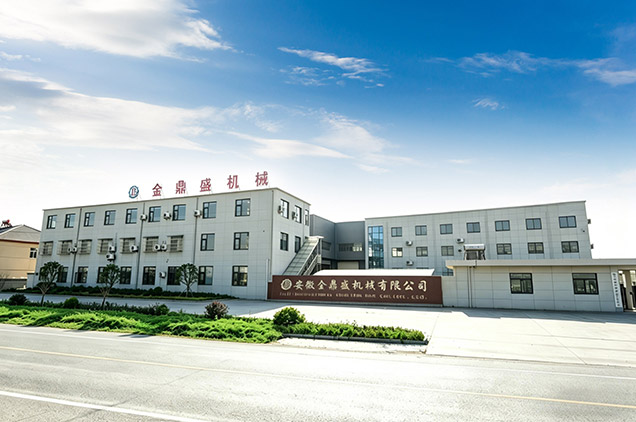
Anhui Jindingsheng Machinery Co., Ltd.
Anhui Jindingsheng Machinery Co., Ltd., located in the North District of Guangde City Economic Development Zone, Anhui Province, was established in 2022. The company covers an area of 14,509 square meters and has 97 employees. We are Custom Closed End Roller Shells Supplier and China Closed End Roller Shells Company, With advanced technology and manufacturing technology at home and abroad, it is at the world's leading level, and is an enterprise that pursues greatness and innovation.
The company focuses on the core business of R&D and manufacturing of granulator ring die, rollers, and related granulator parts services. The main product types are ring die, roller, and granulator accessories. It has the most advanced equipment and more complete service enterprise in China. The company's products are exported to many foreign countries: The United States, Japan, South Korea, Vietnam, France, Bangladesh, Russia, India, the Philippines, and European countries. The company strictly controls all processes from raw materials to forging, finishing, and heat treatment. It is the one-stop service center company in China.
Anhui Jindingsheng Machinery Co., Ltd., in line with the production concept of "refinement", uses stable and reliable quality to create your long-term development.
Friends from all walks of life are welcome to visit, guide, and negotiate business.
Message Feedback