

 English
  中文简体
中文简体  русский
  Español
  عربى
عربى 
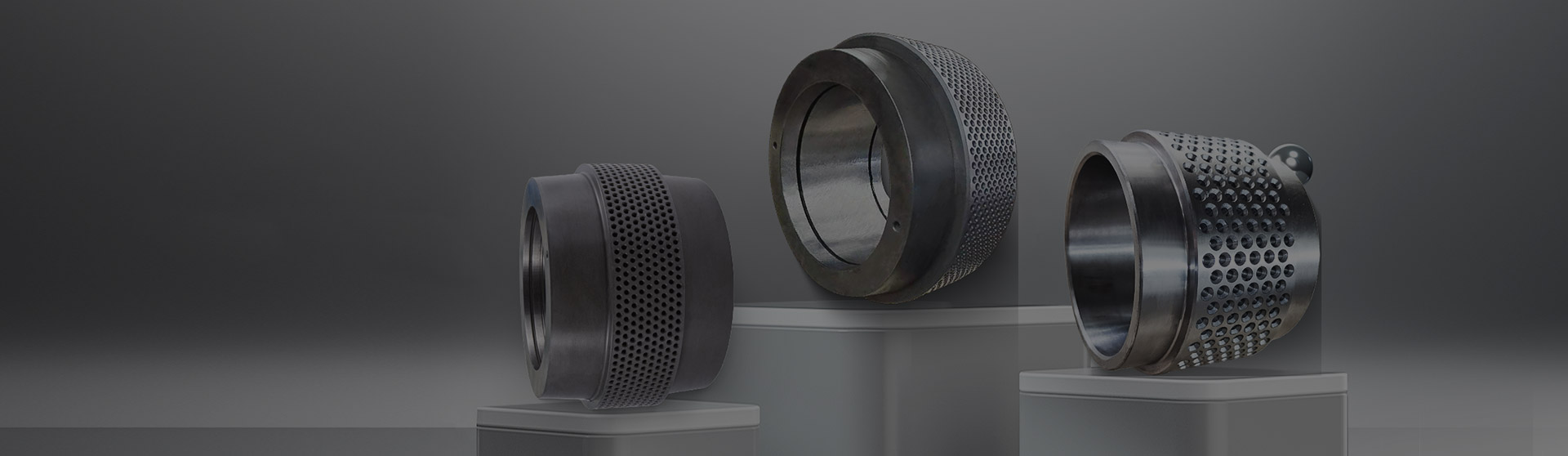
Alloy Steel 20CrMnTi Pellet Roller Shell Supplier
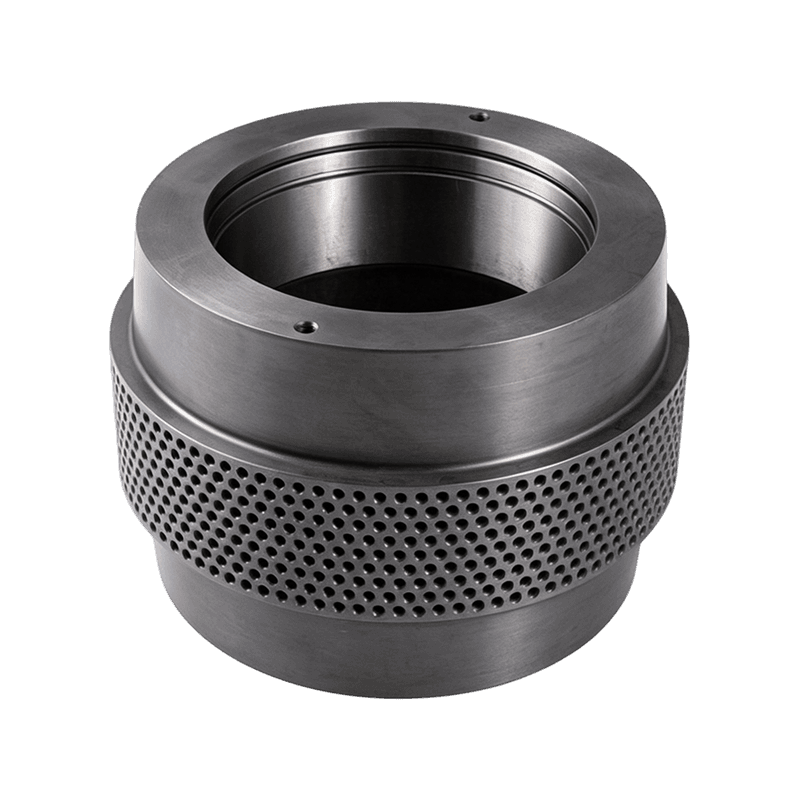
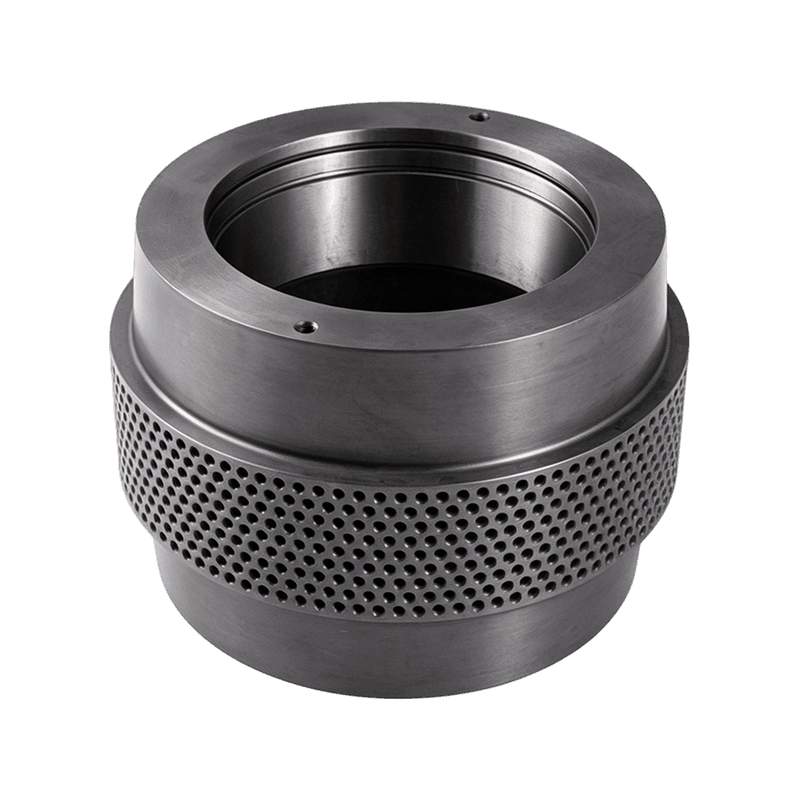
Alloy Steel 20CrMnTi Pellet Roller Shell
Product Overview
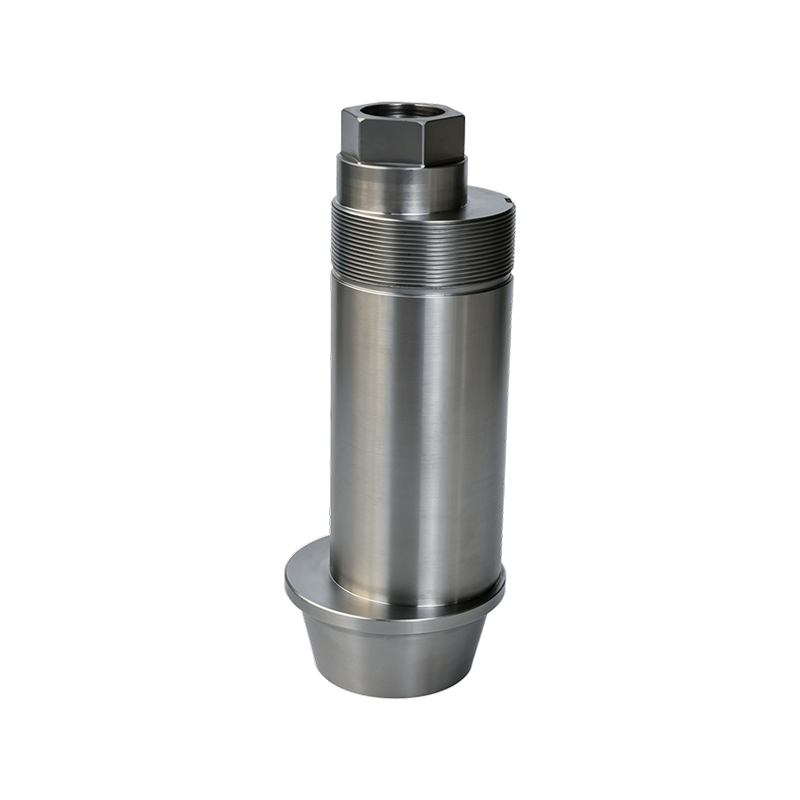
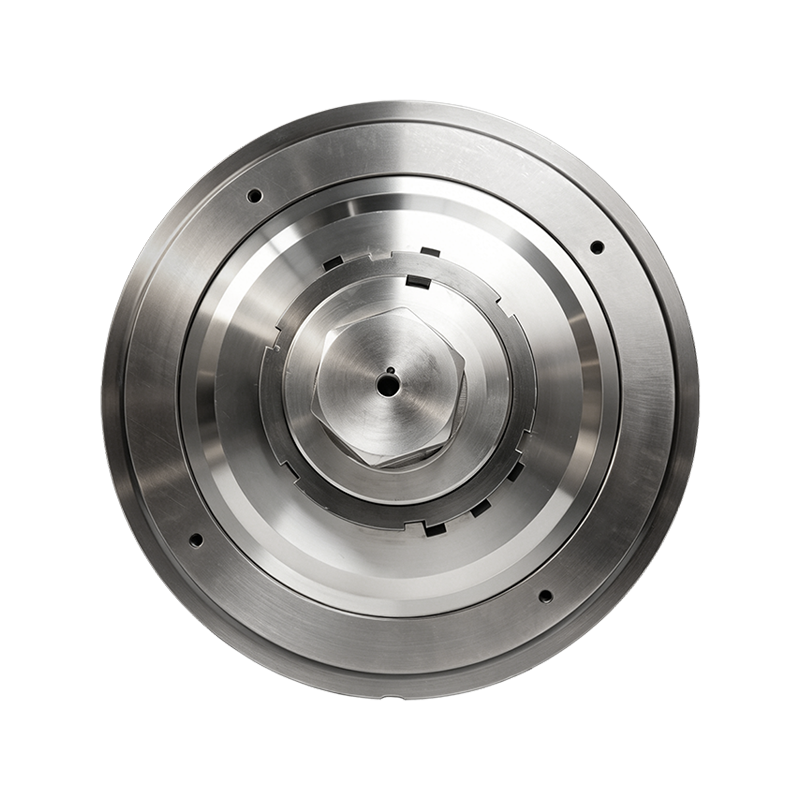
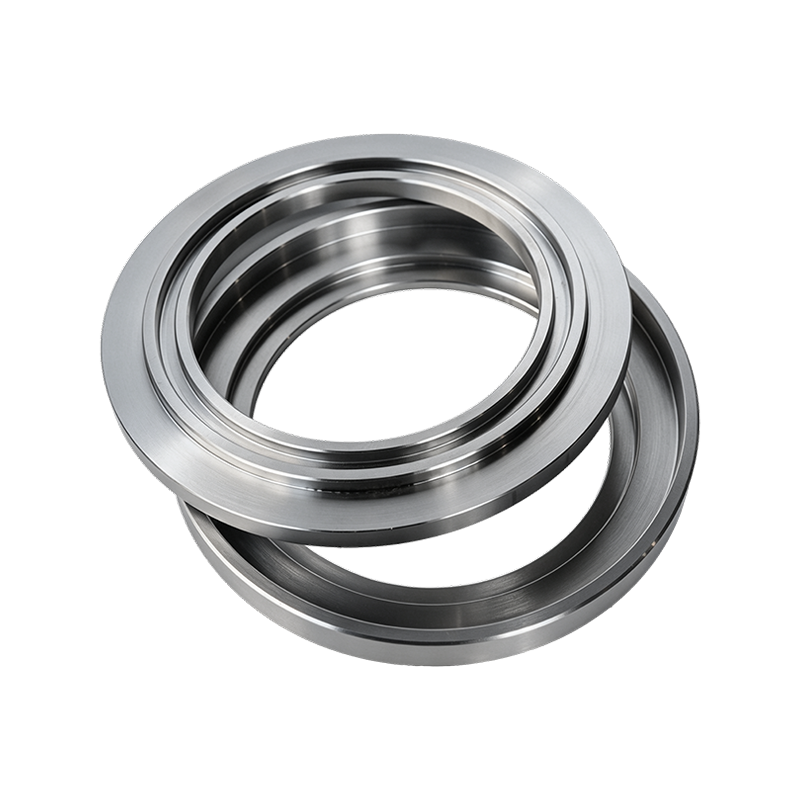
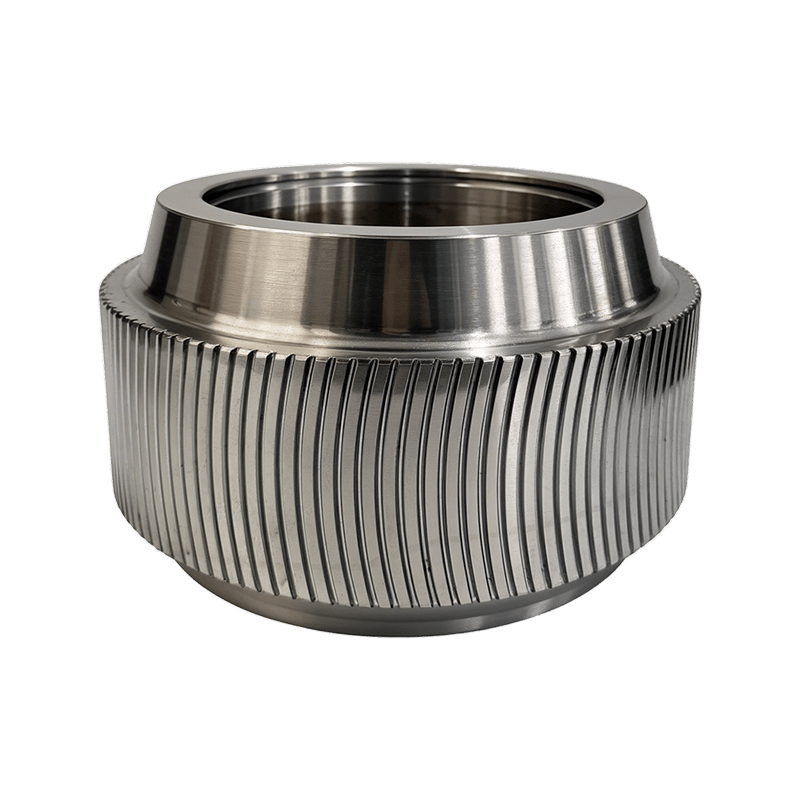
A high-strength, wear-resistant pressure roller component manufactured from top-quality 20CrMnTi alloy steel for demanding pelletizing environments.
Related products
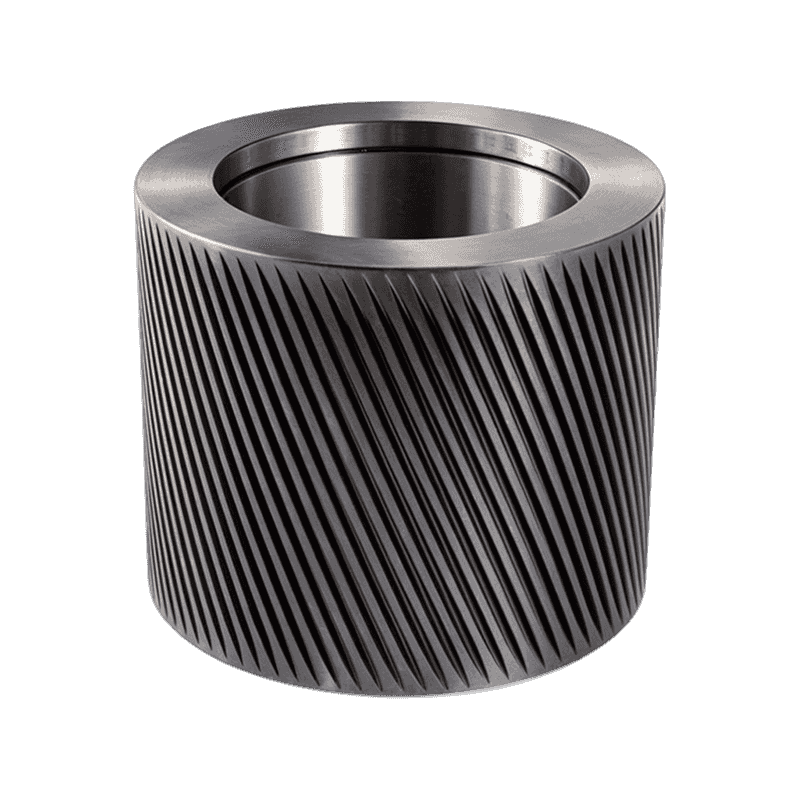
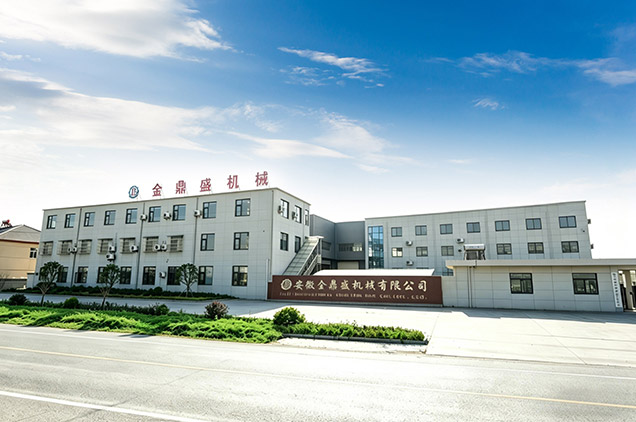
Anhui Jindingsheng Machinery Co., Ltd.
Anhui Jindingsheng Machinery Co., Ltd., located in the North District of Guangde City Economic Development Zone, Anhui Province, was established in 2022. The company covers an area of 14,509 square meters and has 97 employees. We are Custom Alloy Steel 20CrMnTi Pellet Roller Shell Suppliers and China Alloy Steel 20CrMnTi Pellet Roller Shell Company, With advanced technology and manufacturing technology at home and abroad, it is at the world's leading level, and is an enterprise that pursues greatness and innovation.
The company focuses on the core business of R&D and manufacturing of granulator ring die, rollers, and related granulator parts services. The main product types are ring die, roller, and granulator accessories. It has the most advanced equipment and more complete service enterprise in China. The company's products are exported to many foreign countries: The United States, Japan, South Korea, Vietnam, France, Bangladesh, Russia, India, the Philippines, and European countries. The company strictly controls all processes from raw materials to forging, finishing, and heat treatment. It is the one-stop service center company in China.
Anhui Jindingsheng Machinery Co., Ltd., in line with the production concept of "refinement", uses stable and reliable quality to create your long-term development.
Friends from all walks of life are welcome to visit, guide, and negotiate business.
Certificate Of Honour
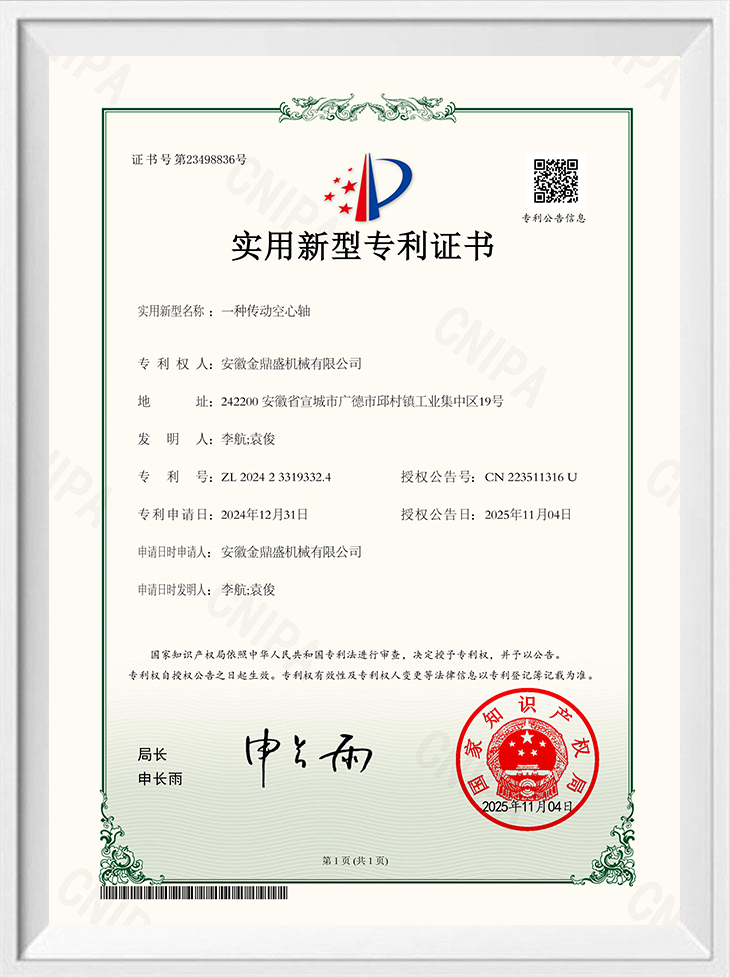
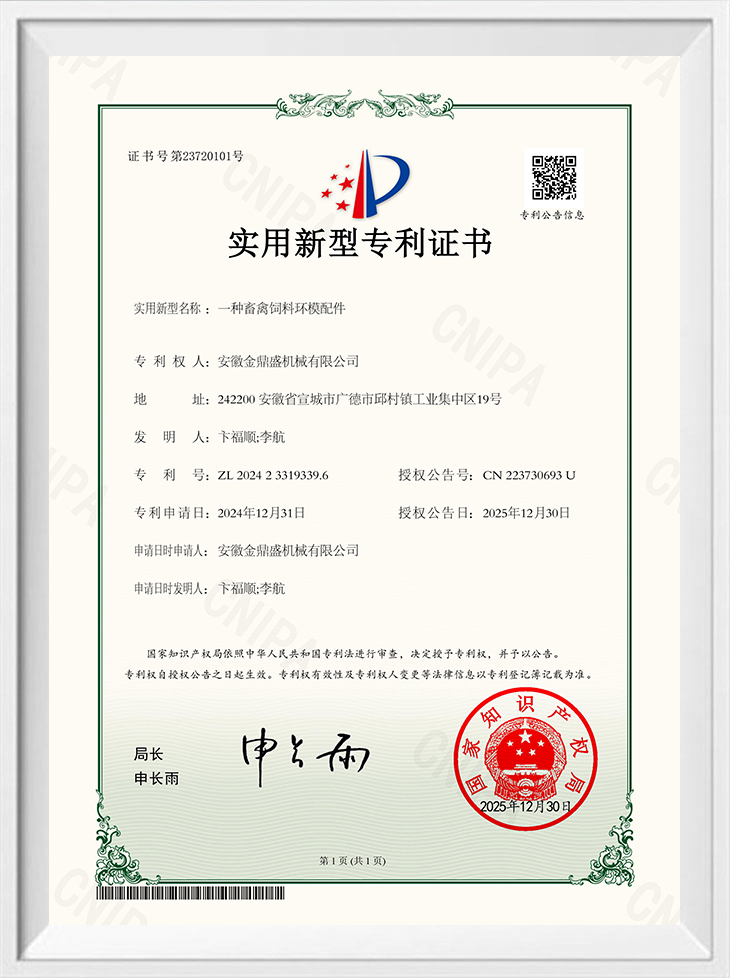
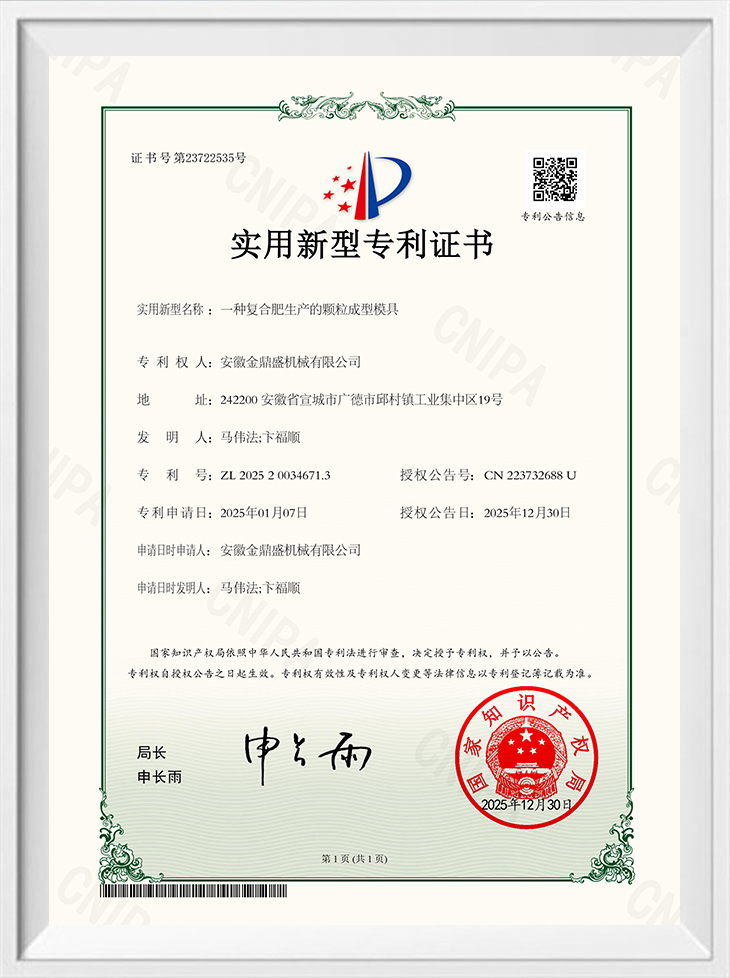
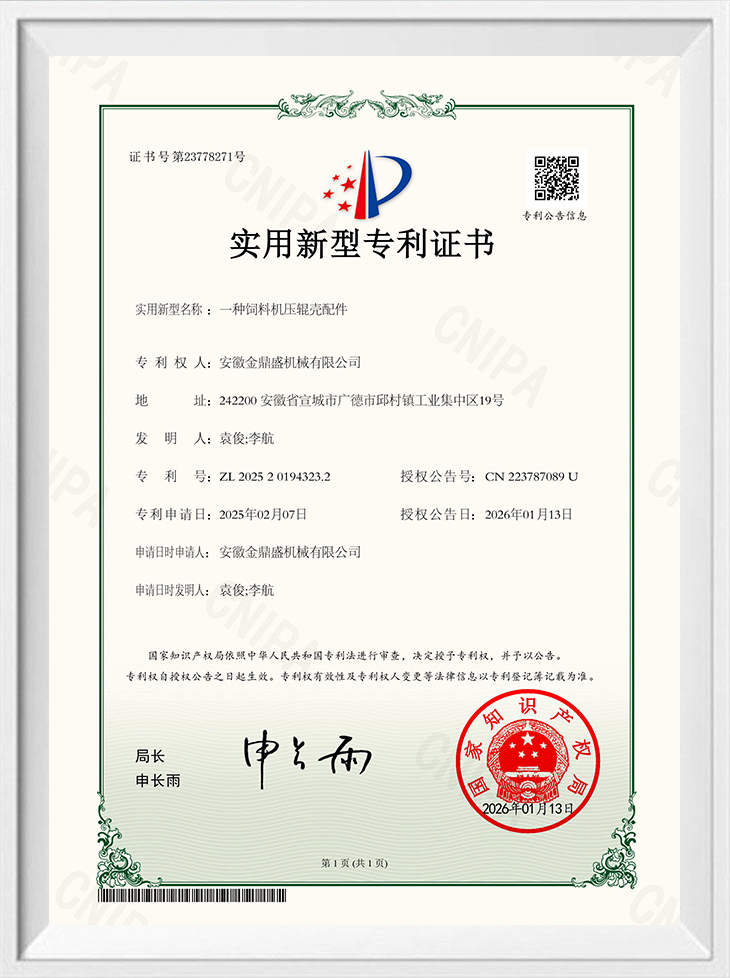
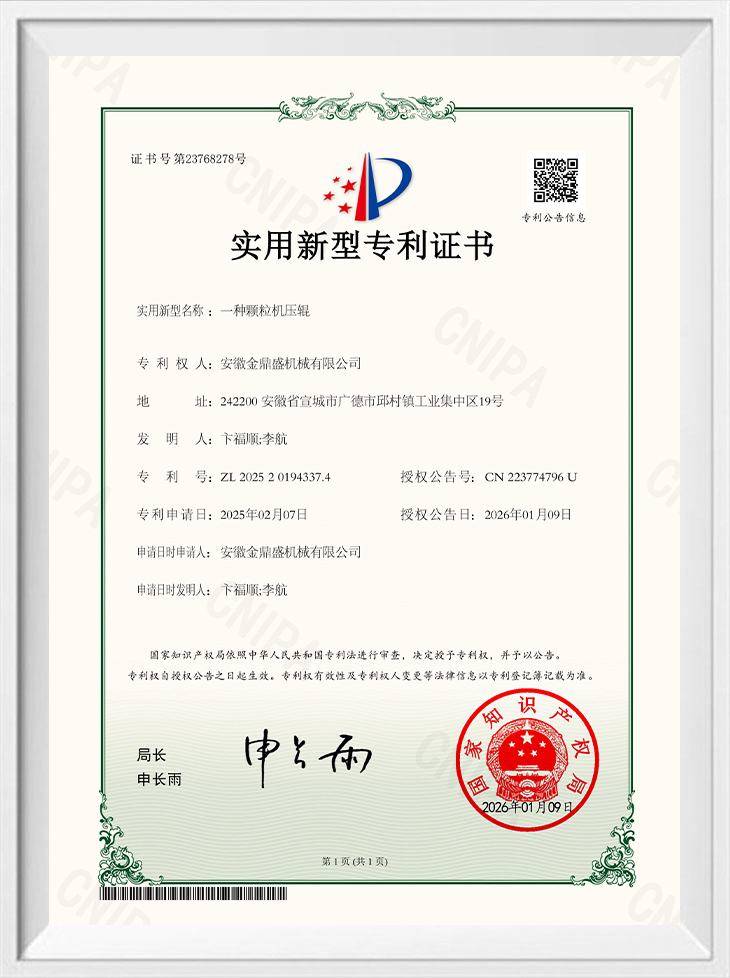
-

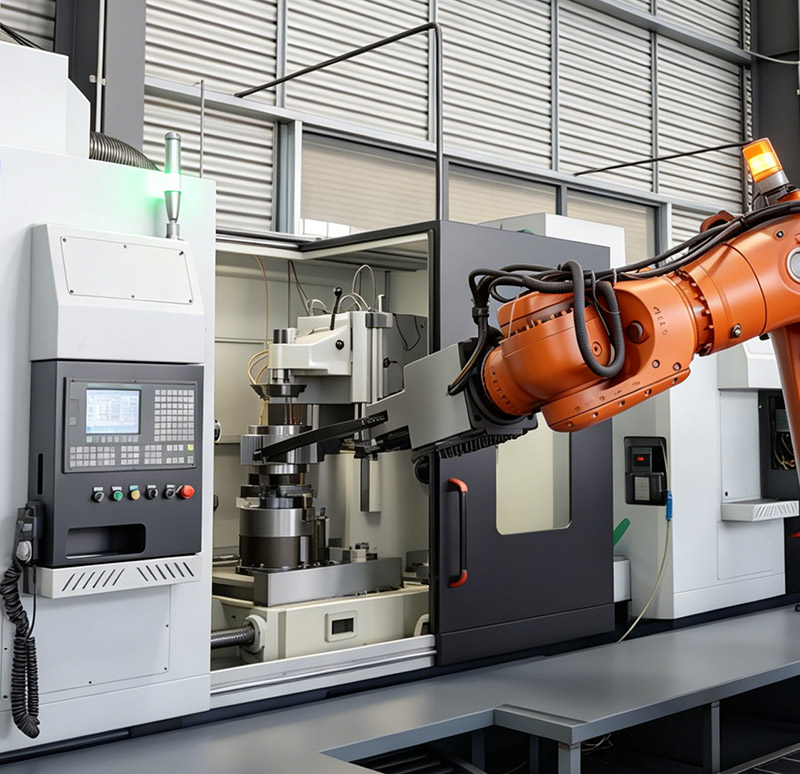
Advanced testing equipment
It is equipped with the most advanced production and processing equipment in China, providing strong hardware support for product manufacturing.
-

Mature technology
The company introduces advanced technology and manufacturing techniques at home and abroad, with world-leading technical and processing levels.
-

Complete variety
The company has a complete range of products, mainly including ring dies, rollers and various granulator accessories to meet diverse customer needs.
News Update
Alloy Steel 20CrMnTi Pellet Roller Shell Industry knowledge
Introduction
The Alloy Steel 20CrMnTi Pellet Roller Shell is a high-strength wear component designed for demanding pelletizing applications. It is manufactured from 20CrMnTi low-alloy carburizing steel and is designed to withstand continuous pressure, friction, and impact during pellet production.
With a hardened working surface and tough core, 20CrMnTi provides a balance of surface hardness and structural toughness. This makes it suitable for pellet mills processing biomass, animal feed, wood pellets, and other materials requiring high-pressure compression.
What Is a 20CrMnTi Pellet Roller Shell?
A 20CrMnTi pellet roller shell is a replaceable wear component installed on the pressure roller assembly of a ring die pellet mill.
The roller shell works together with the ring die to compress raw materials and form pellets. During operation, it is continuously exposed to pressure and friction, so material strength, surface hardness, machining accuracy, and heat treatment are important factors affecting its performance.
20CrMnTi is a low-alloy carburizing steel commonly selected when both a hard working surface and a tough internal structure are required.
Why Is 20CrMnTi Suitable for Pellet Roller Shells?
High Surface Hardness
Carburizing and quenching create a hardened surface designed to improve resistance to wear during continuous pellet production.
Tough Core
The core remains relatively tough and ductile after heat treatment, helping the roller shell withstand repeated mechanical loading.
Balance of Hardness and Toughness
A roller shell needs more than high hardness. Excessive brittleness can increase the risk of cracking, while insufficient hardness can accelerate wear. 20CrMnTi provides a balance between these properties when properly processed.
Suitable for Continuous Operation
The combination of surface hardness and core toughness makes the material suitable for demanding pelletizing environments involving repeated pressure and friction.
How Is a 20CrMnTi Pellet Roller Shell Manufactured?
The manufacturing process has a direct influence on the performance and service life of the roller shell.
Material Selection
20CrMnTi low-alloy carburizing steel is selected according to the required application and component specifications.
Forging and Forming
The material is processed to achieve the required basic structure and dimensions.
Precision Machining
The roller shell is precision machined to achieve the required dimensions and surface accuracy. Anhui Jindingsheng uses automatic CNC equipment for precision machining.
Carburizing and Quenching
Carburizing and quenching are used to create a hardened working surface while maintaining a tougher core.
Finishing and Inspection
Final machining and inspection help ensure dimensional accuracy and compatibility with the corresponding pellet mill and roller assembly.
What Are the Applications of 20CrMnTi Pellet Roller Shells?
The 20CrMnTi pellet roller shell is mainly used in pellet mills for:
- Biomass fuel pellet production
- Animal feed pellet production
- Wood pellet production
- Other high-pressure pelletizing applications
The exact specification should be selected according to the pellet mill model, roller assembly, ring die, and raw material being processed.
How to Choose a 20CrMnTi Pellet Roller Shell?
Buyers should confirm the following information before ordering:
- Pellet mill model
- Roller shell dimensions
- Roller assembly specifications
- Inner and outer diameter
- Working width
- Ring die dimensions
- Required surface design
- Material specification
- Heat treatment requirements
- Required quantity
- Operating conditions
Providing an original drawing, part number, dimensions, or photographs can help the manufacturer confirm compatibility.
What Is the Importance of Heat Treatment?
Heat treatment is one of the most important processes for a 20CrMnTi roller shell.
For this material, carburizing and quenching are used to produce a hardened surface with a tough and ductile core. This combination helps the roller shell resist surface wear while maintaining structural strength under repeated loading.
For buyers, it is therefore important to evaluate not only whether the supplier uses 20CrMnTi, but also whether the supplier has controlled heat treatment processes and appropriate quality inspection.
How Can Roller Shell Service Life Be Improved?
Proper maintenance and operating conditions can help reduce premature wear.
Maintain Correct Roller Adjustment
The roller and ring die should be correctly adjusted according to the pellet mill manufacturer's requirements.
Prevent Foreign Metal
Metal contamination can cause serious damage to the roller shell and ring die.
Maintain Stable Feeding
Uneven feeding can create unstable loading and localized wear on the roller shell.
Inspect Wear Regularly
Regular inspection helps identify surface wear, deformation, or other damage before it affects production.
Use Compatible Replacement Parts
The roller shell should match the pellet mill, roller assembly, and ring die specifications.
What Should Buyers Consider When Purchasing 20CrMnTi Roller Shells?
For industrial buyers, material grade alone should not determine the purchasing decision.
Important factors include:
- 20CrMnTi material quality
- Carburizing and quenching process
- Surface hardness
- Core toughness
- Machining accuracy
- Dimensional consistency
- Production quality control
- Pellet mill compatibility
- OEM capability
- Production capacity
- Delivery capability
- Supplier export experience
A properly manufactured roller shell can help reduce premature wear and unplanned production downtime.
OEM and Custom 20CrMnTi Pellet Roller Shell
Different pellet mills may require different roller shell dimensions and specifications. OEM production allows the roller shell to be manufactured according to customer drawings, dimensions, equipment models, and technical requirements.
Anhui Jindingsheng Machinery Co., Ltd. provides OEM and customized pellet roller shell manufacturing. The company focuses on the R&D and manufacturing of ring dies, rollers, and related pellet mill components and controls key processes including raw materials, forging, machining, finishing, and heat treatment.
The company also states that its roller shells are compatible with major pellet mill brands including CPM, Bühler, Famsun, and Andritz.
FAQ About Alloy Steel 20CrMnTi Pellet Roller Shell
What is 20CrMnTi steel?
20CrMnTi is a low-alloy carburizing steel used for components that require a hard wear-resistant surface together with a tougher core.
Why is 20CrMnTi used for pellet roller shells?
It provides a useful combination of surface hardness and core toughness, allowing the roller shell to withstand continuous pressure, friction, and wear during pellet production.
What heat treatment is used for 20CrMnTi roller shells?
Carburizing and quenching are used to create a hardened surface while maintaining a tough and ductile core.
What materials can be processed with this roller shell?
It can be used for pellet mills processing biomass fuel, animal feed, wood pellets, and other materials requiring high-pressure compression.
How long does a 20CrMnTi pellet roller shell last?
There is no fixed service life because actual wear depends on raw material characteristics, production volume, operating hours, roller adjustment, maintenance, heat treatment, and other operating conditions.
Can you manufacture custom 20CrMnTi roller shells?
Yes. Custom roller shells can be manufactured according to customer drawings, dimensions, pellet mill models, and technical requirements.
Can I order a roller shell without a drawing?
Yes. The pellet mill model, original part number, dimensions, photographs, and other available specifications can be provided for compatibility evaluation.
What information is needed for a quotation?
Buyers should provide the pellet mill model, roller shell dimensions or drawing, required material, heat treatment requirements, quantity, and delivery requirements.
Why choose Anhui Jindingsheng Machinery Co., Ltd.?
Anhui Jindingsheng Machinery Co., Ltd. specializes in the R&D and manufacturing of pellet mill ring dies, rollers, roller shells, and related components. The company has a 14,509-square-meter facility and 97 employees and controls production processes from raw materials through forging, machining, finishing, and heat treatment. Its products are exported to multiple international markets.
Conclusion
The Alloy Steel 20CrMnTi Pellet Roller Shell is designed for pelletizing environments that require wear resistance, strength, and structural toughness. Its carburized and quenched surface, combined with a tough core, makes 20CrMnTi suitable for continuous pressure and friction in pellet mills.
For buyers, the most important factors are material quality, heat treatment, machining accuracy, equipment compatibility, service life, and manufacturing consistency. Choosing a qualified manufacturer and providing accurate equipment information can help ensure the correct roller shell specification for long-term pellet mill operation.
Roller Shell Specification Reference
| Pellet Mill Model | Recommended Roller Shell | Material Grade |
| PM-420 | 20CrMnTi 220x80 | 20CrMnTi |
| PM-508 | 20CrMnTi 260x95 | 20CrMnTi |
| PM-580 | 20CrMnTi 300x110 | 20CrMnTi |
For detailed quotations and OEM support, please contact Anhui Jindingsheng Machinery Co., Ltd.

Get In Touch
Follow us
Quick Links
Contact Us
Tel: +86-13961203188
Email : ysf@jindingsheng.com.cn
Address : No. 19, Qiucun Town Industrial Concentration Zone, Guangde City, Xuancheng City, Anhui Province
Copyright © Anhui Jindingsheng Machinery Co., Ltd. All
Rights Reserved.
Custom Alloy Steel 20CrMnTi Pellet Roller Shell Suppliers
