

 English
  中文简体
中文简体  русский
  Español
  عربى
عربى 
-
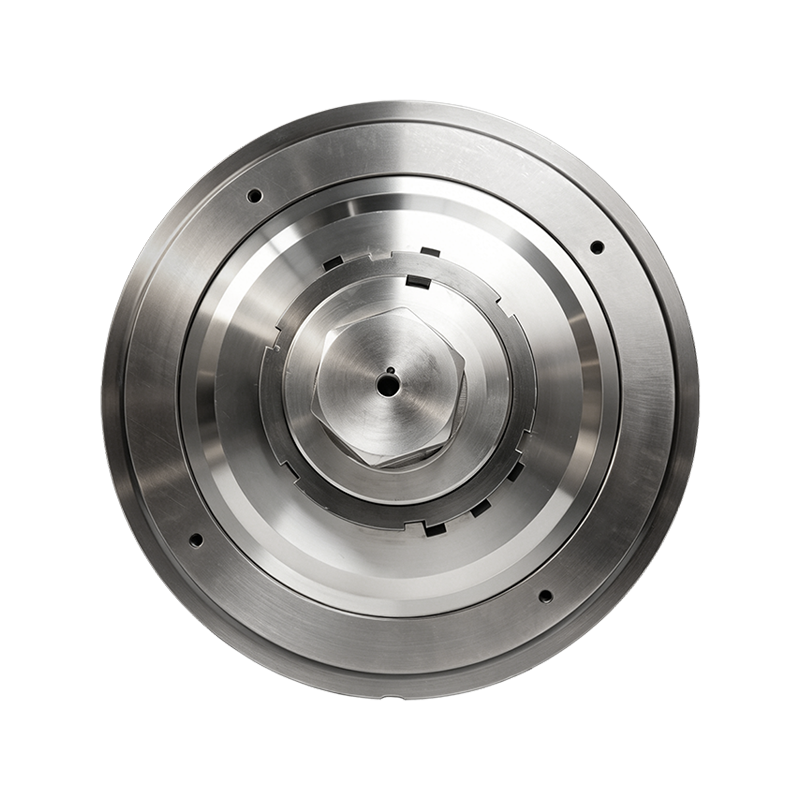
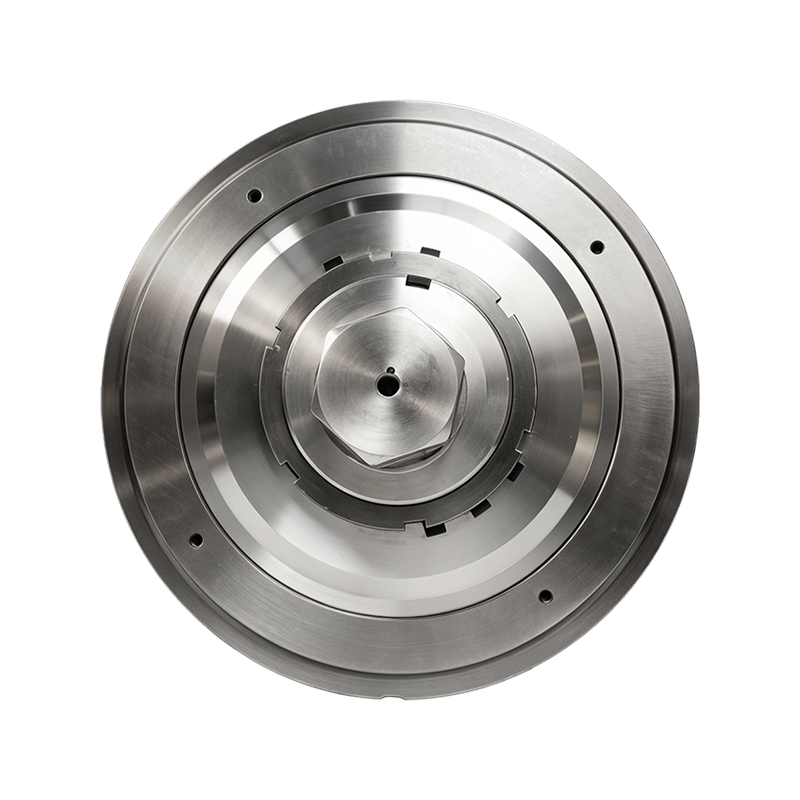
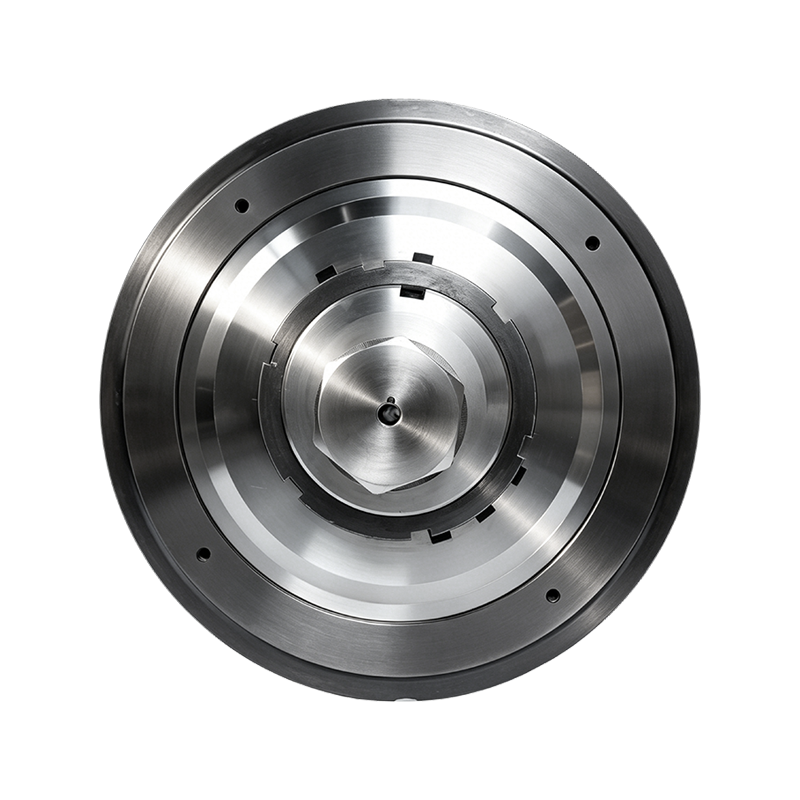
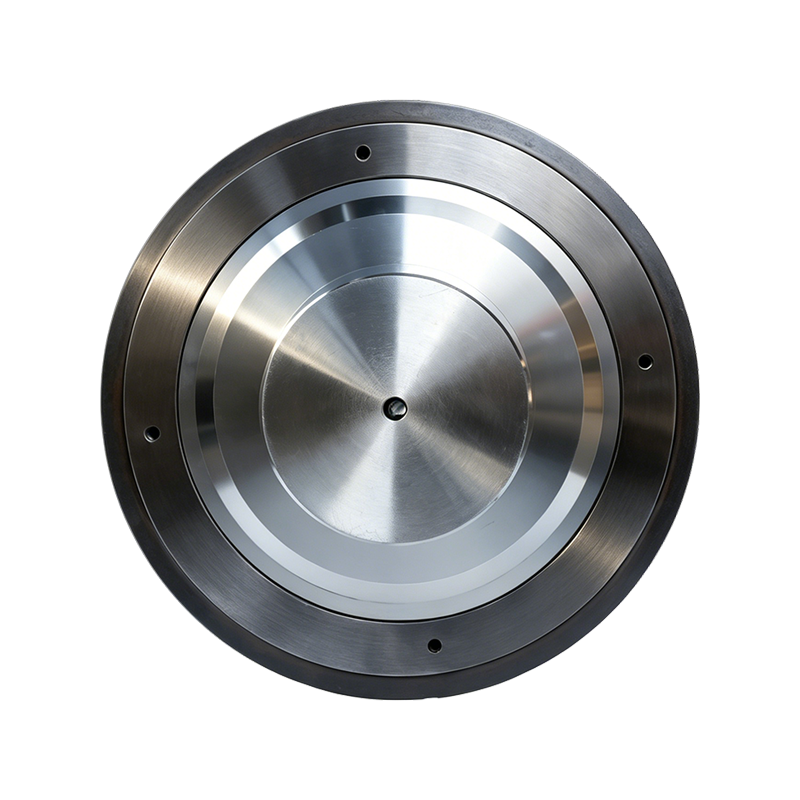
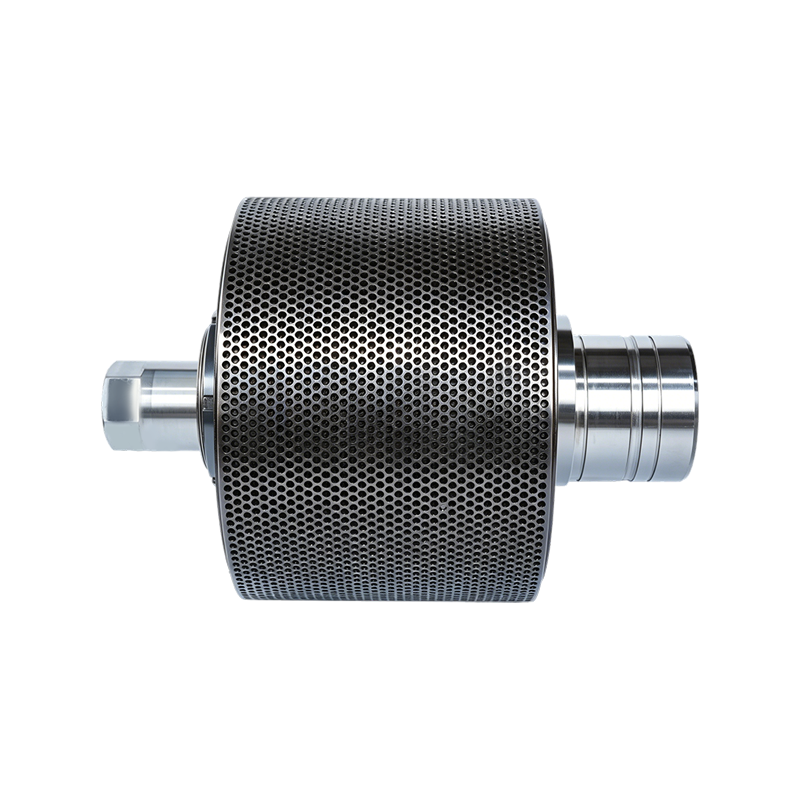
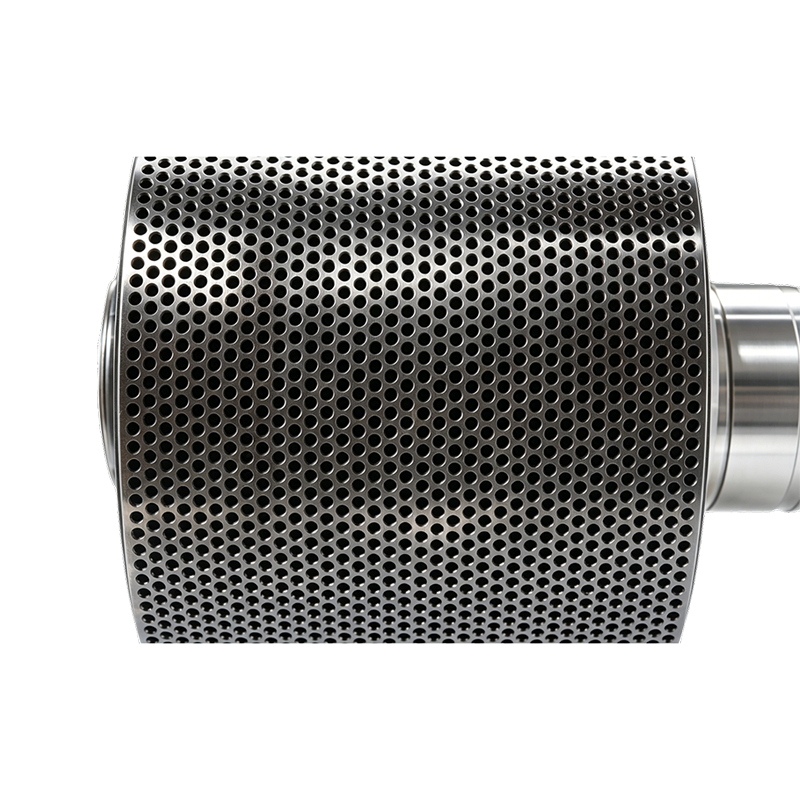
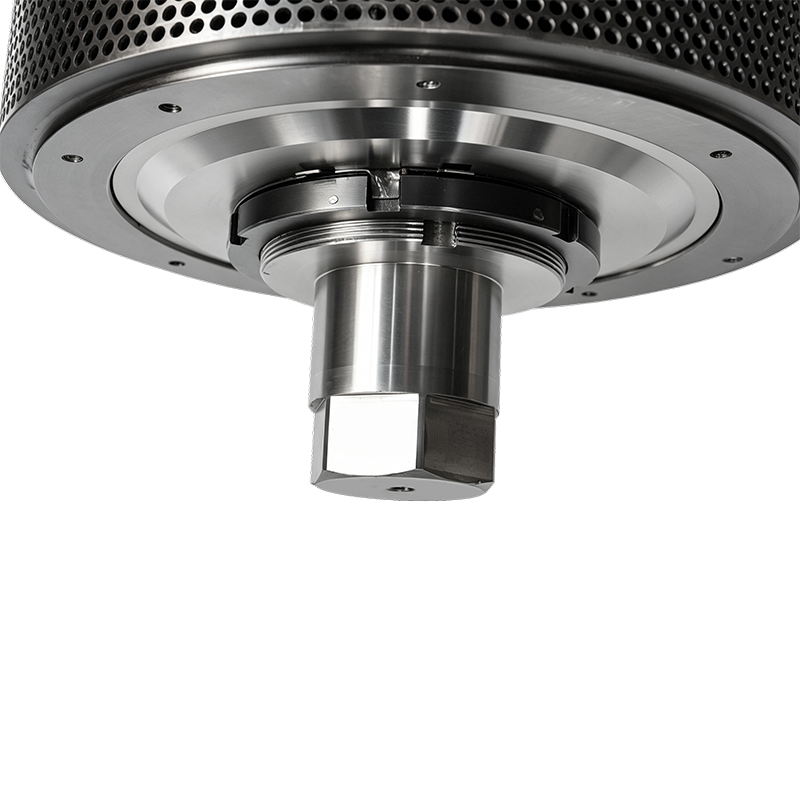
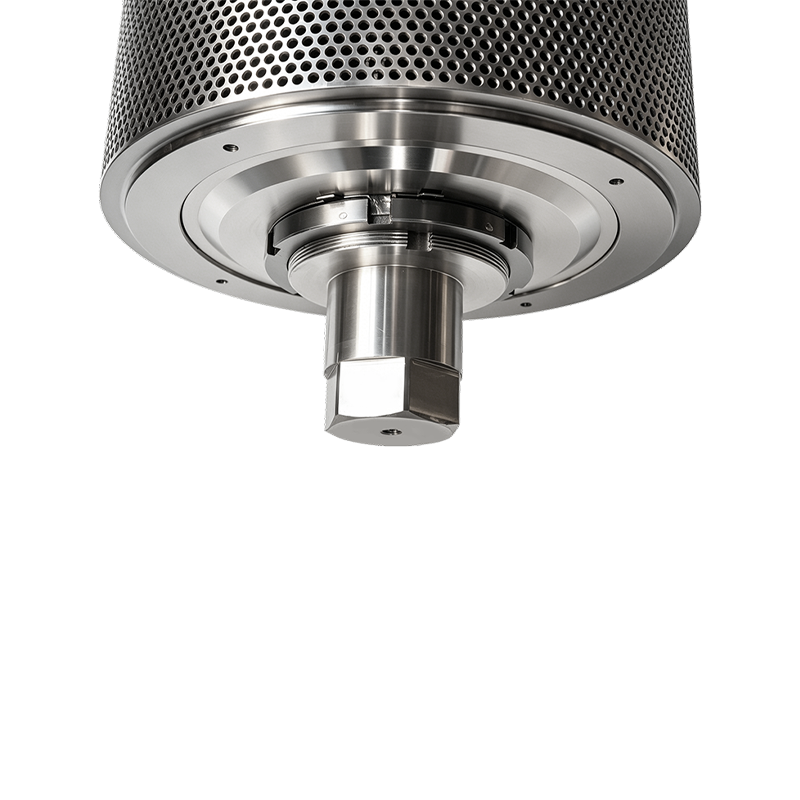
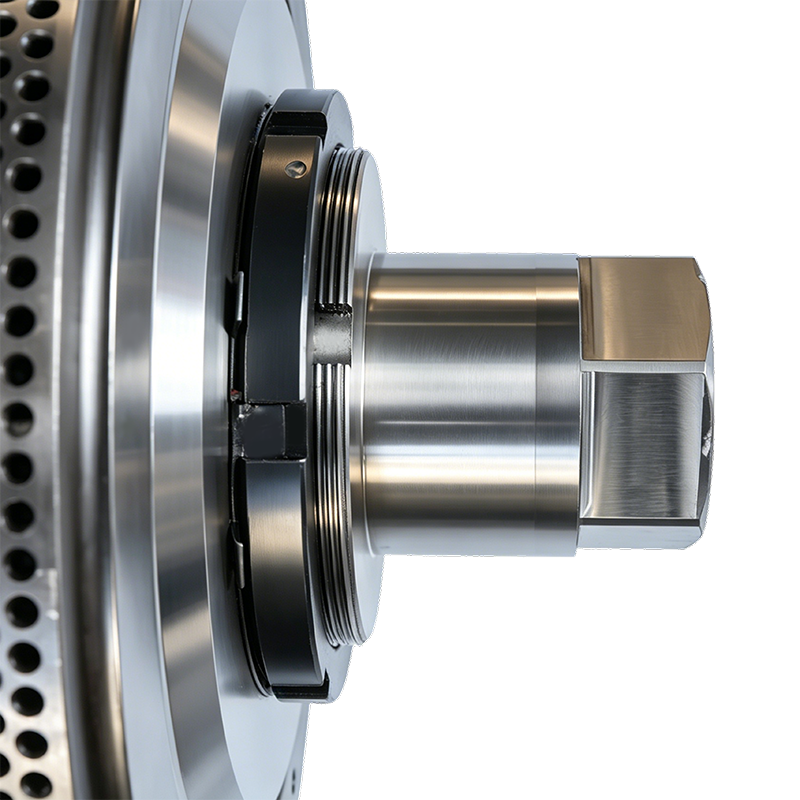
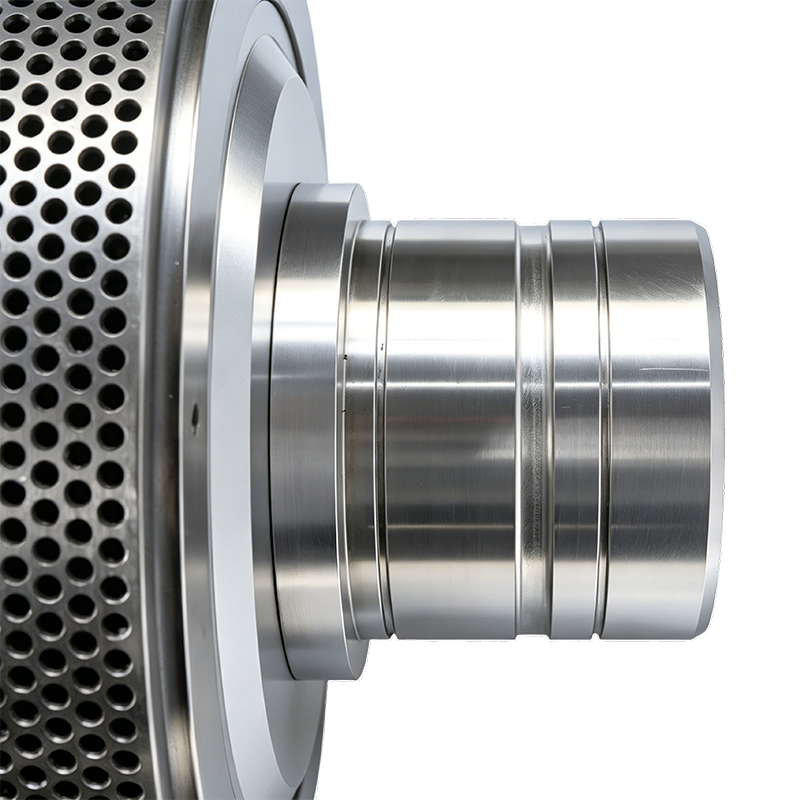
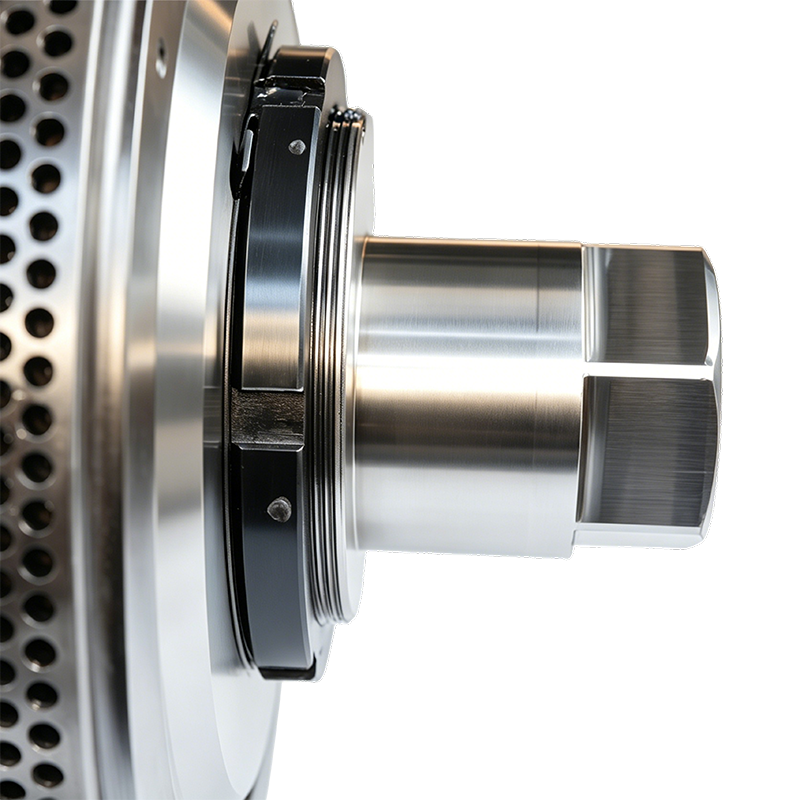
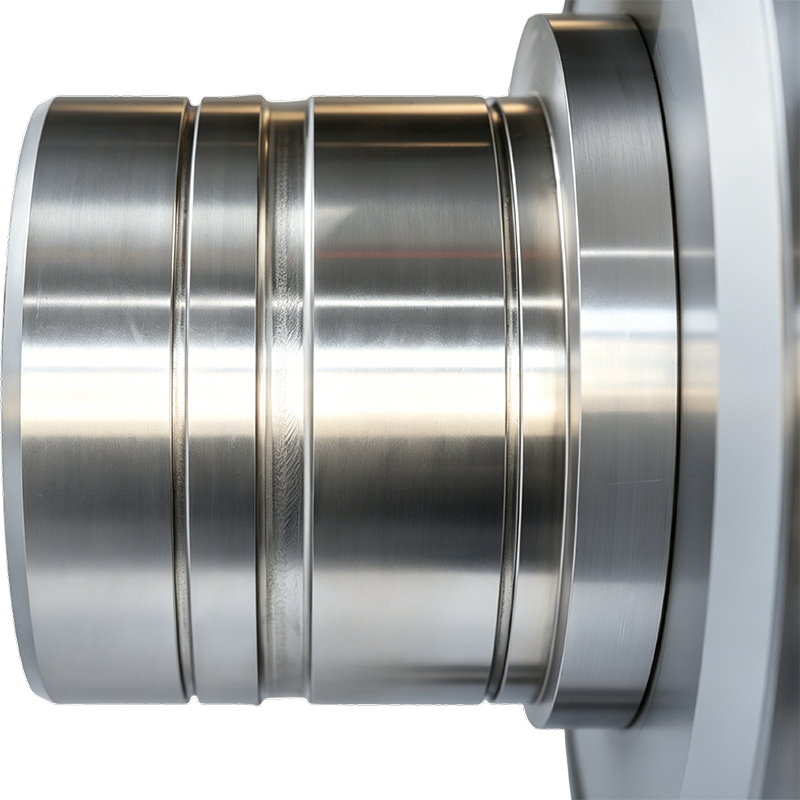
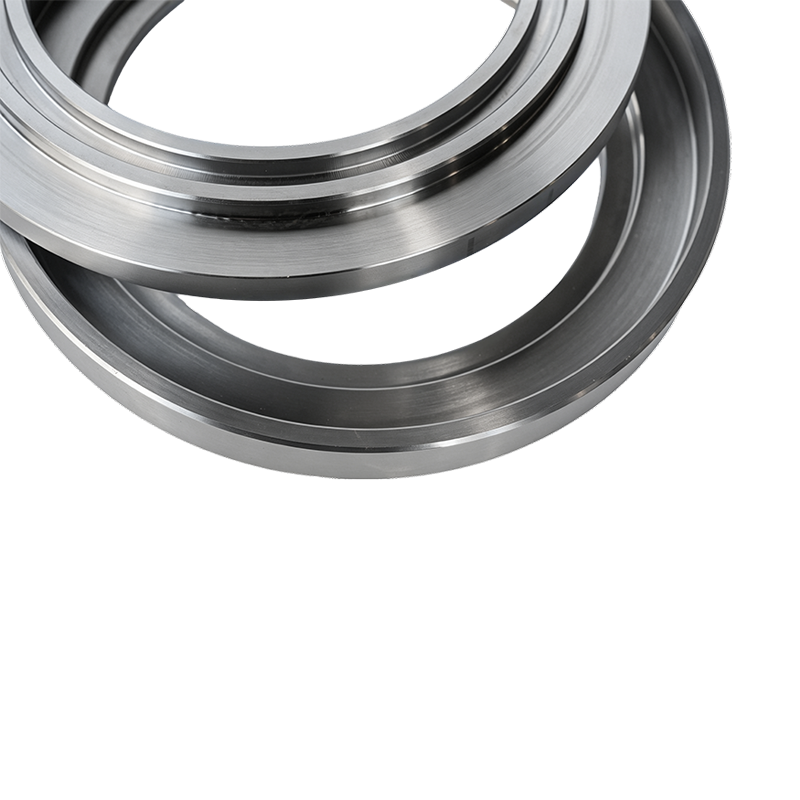
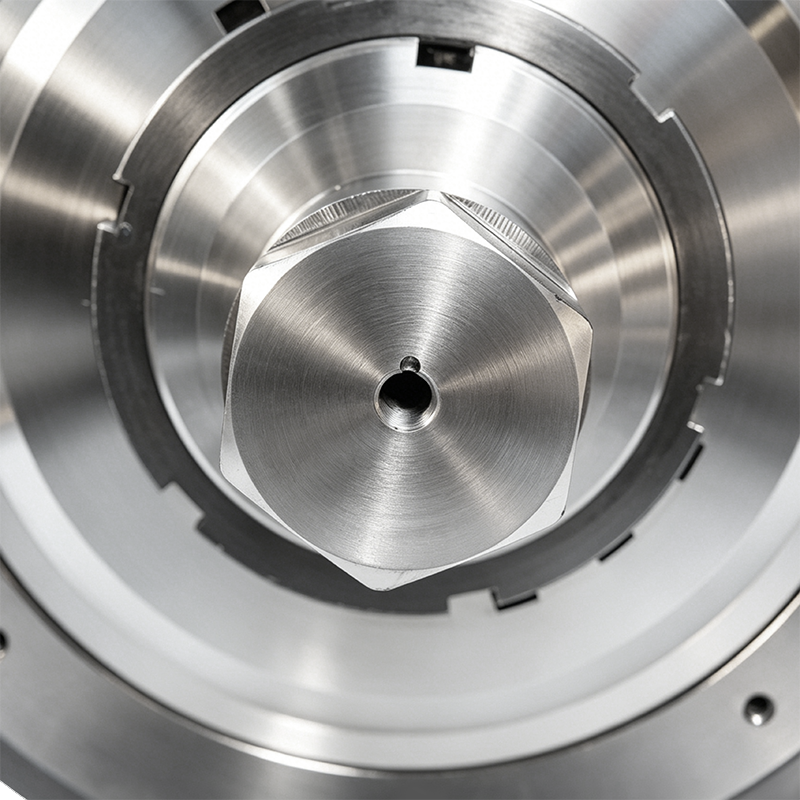 Product OverviewThis product is a precision-machined 45# Steel Gland (Bearing Cover/Seal Cap), speci...View Details
 -
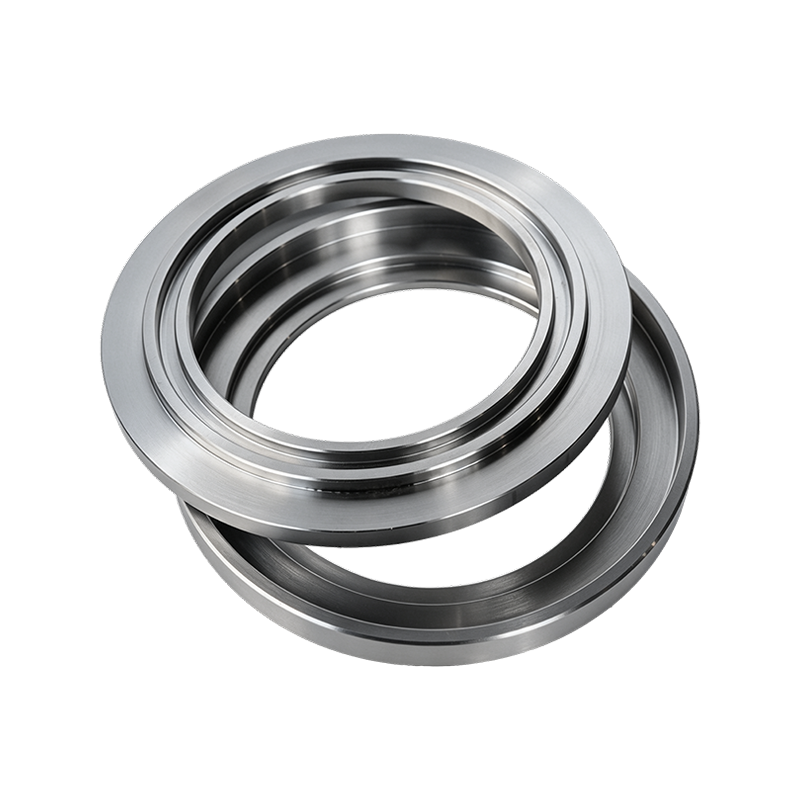
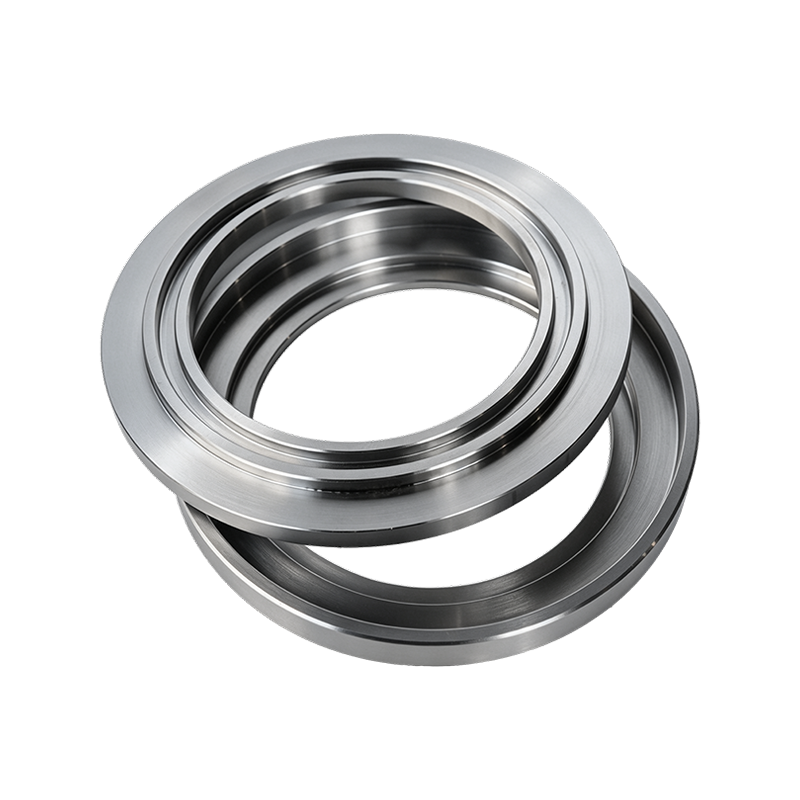
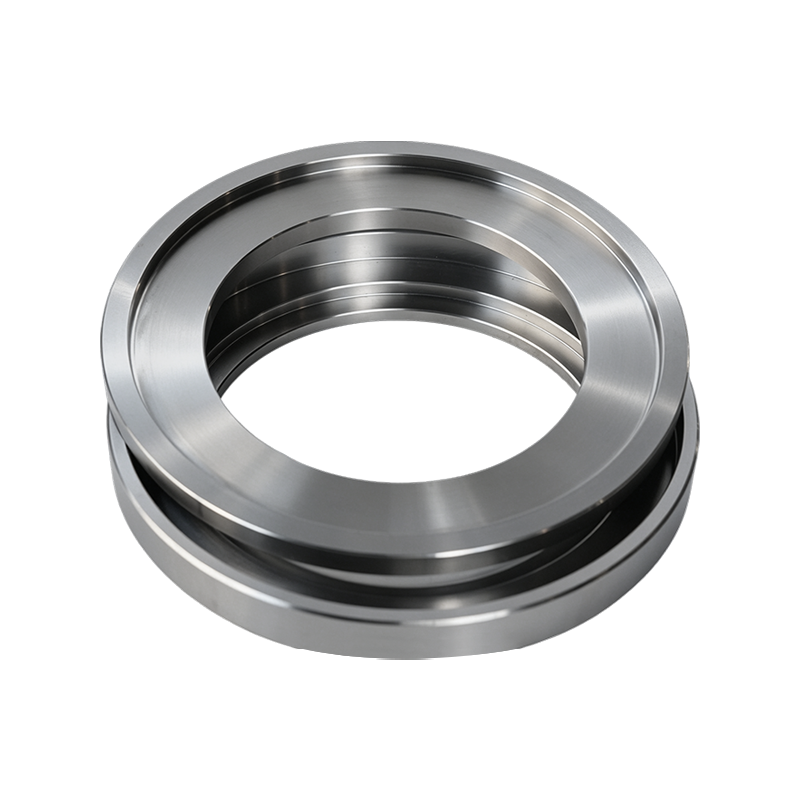
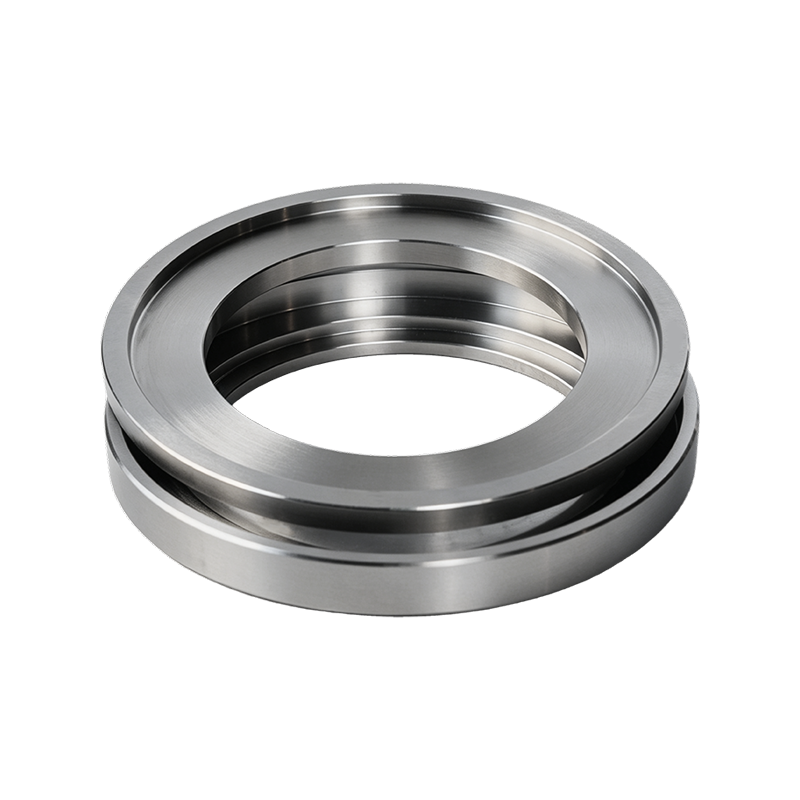
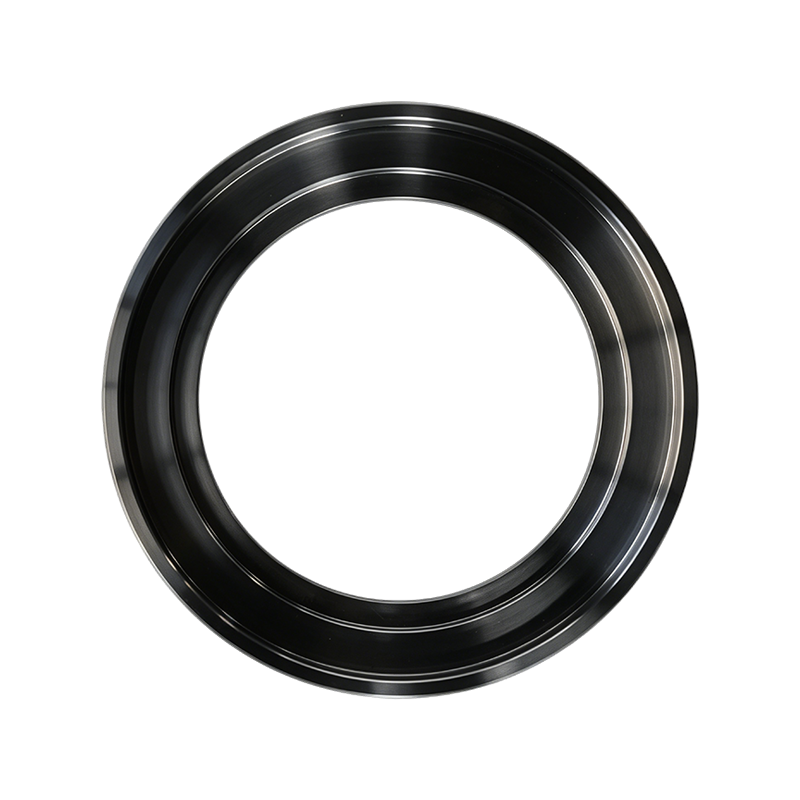
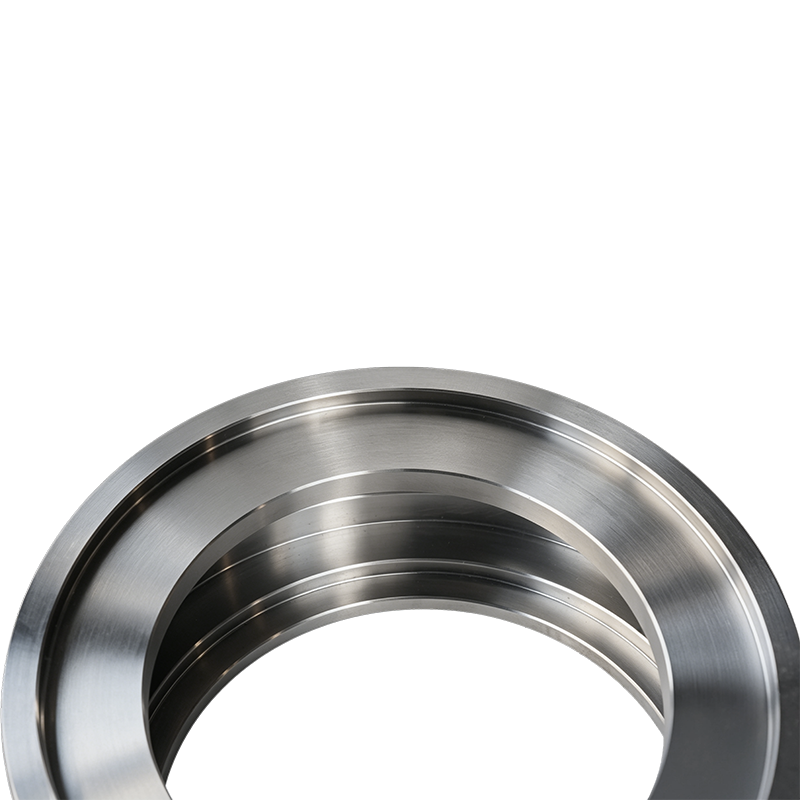
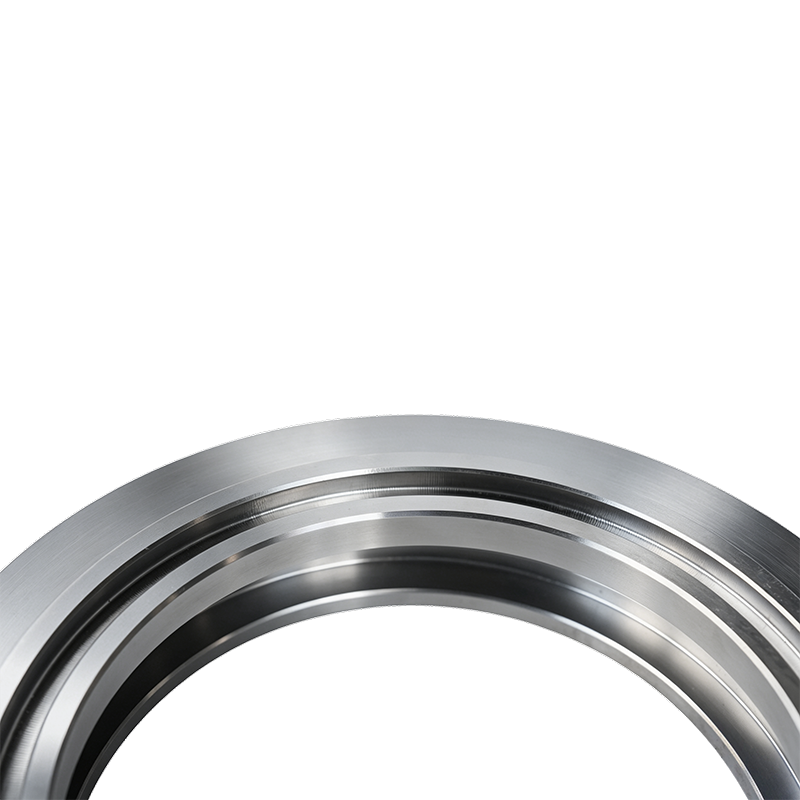
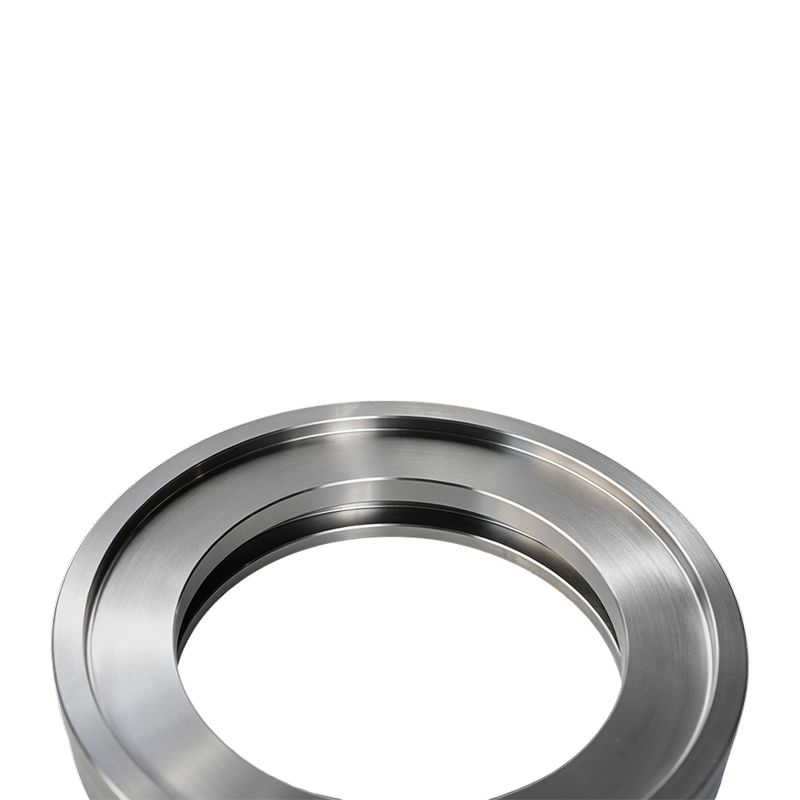
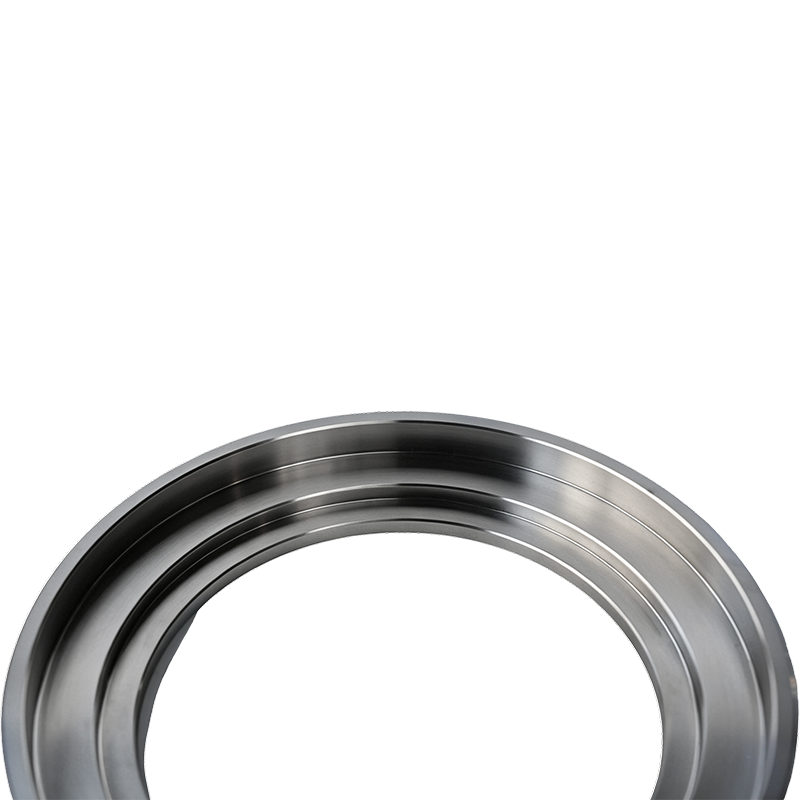
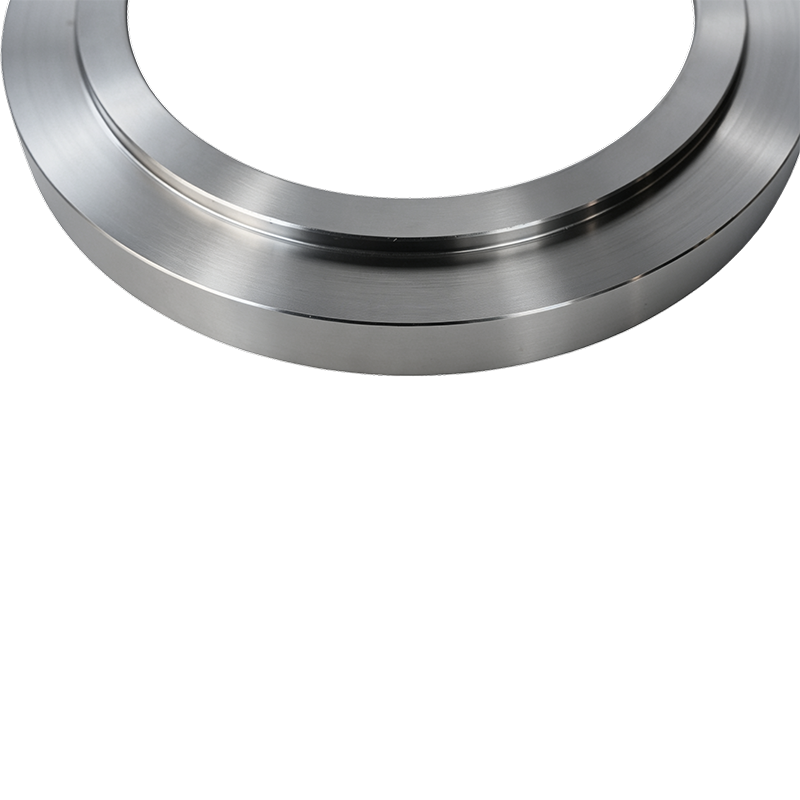
 Product OverviewThe 45# Steel Oil Slinger (Oil Deflector) is a precision internal component mounted ...View Details
 -
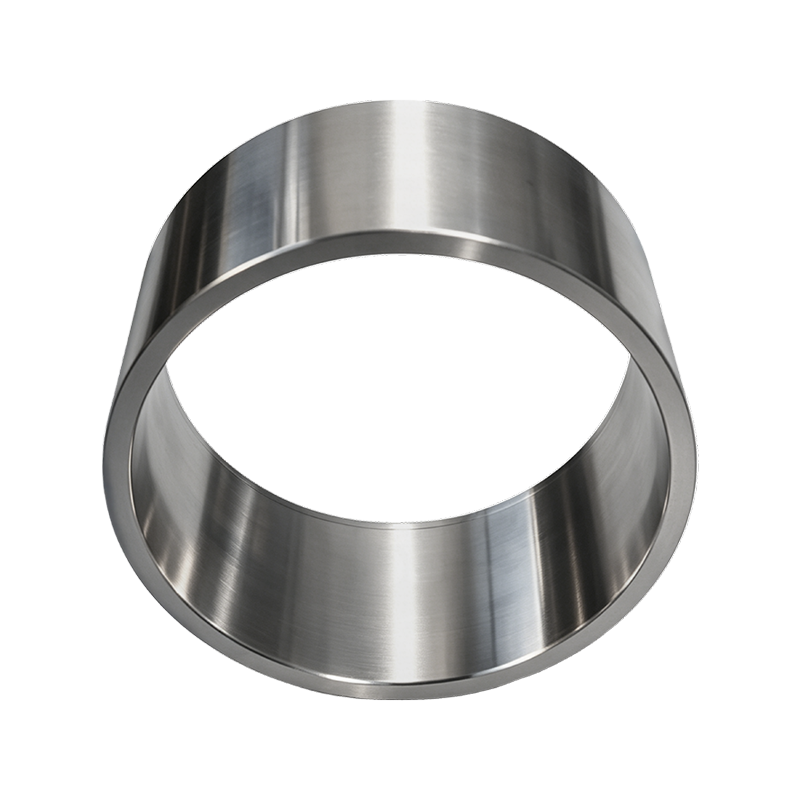
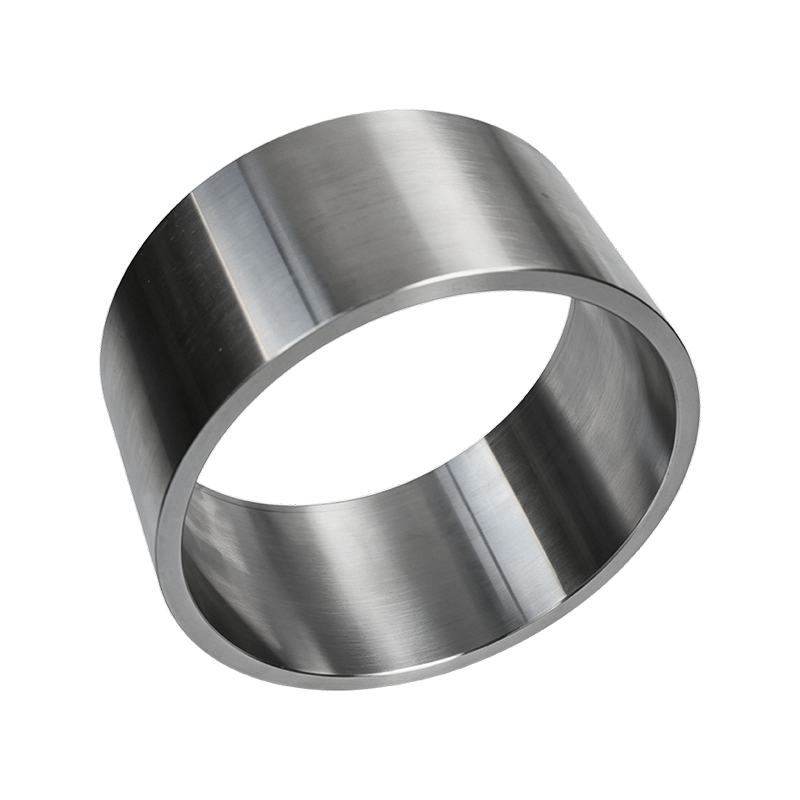
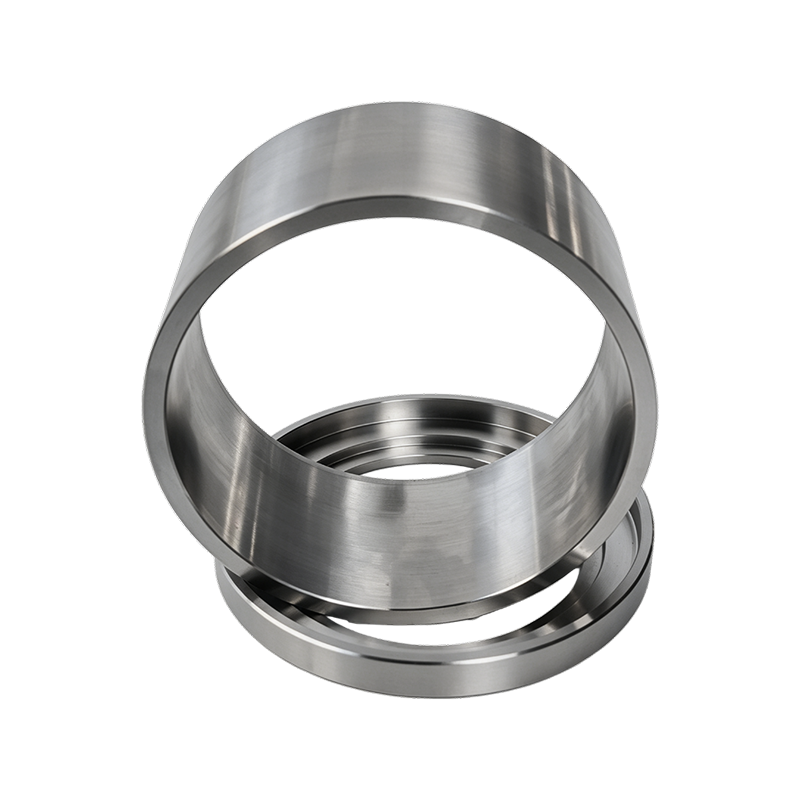
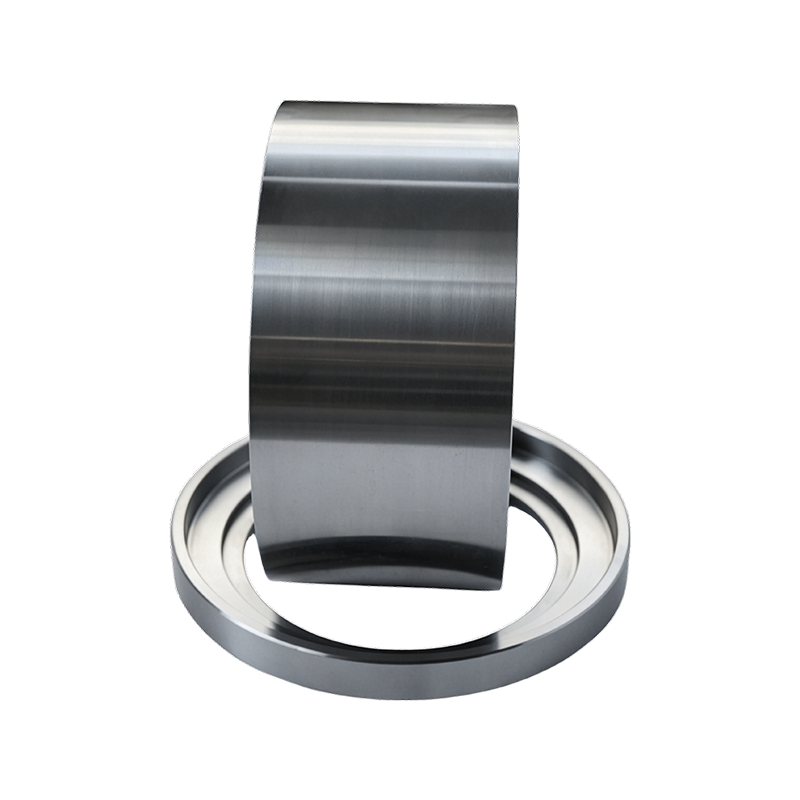 Product OverviewThe 45# Steel Precision Spacer (Spacer Ring) is a critical internal component used t...View Details
Internal Components
Granulator Internal Components Manufacturer
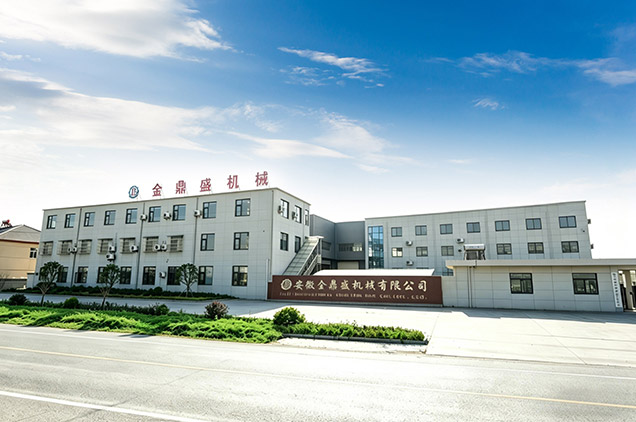
Anhui Jindingsheng Machinery Co., Ltd.
Anhui Jindingsheng Machinery Co., Ltd., located in the North District of Guangde City Economic Development Zone, Anhui Province, was established in 2022. The company covers an area of 14,509 square meters and has 97 employees. As China
Granulator Internal Components Manufacturer and Wholesale
Granulator Internal Components Factory, With advanced technology and manufacturing technology at home and abroad, it is at the world's leading level, and is an enterprise that pursues greatness and innovation.
The company focuses on the core business of R&D and manufacturing of granulator ring die, rollers, and related granulator parts services. The main product types are ring die, roller, and granulator accessories. It has the most advanced equipment and more complete service enterprise in China. The company's products are exported to many foreign countries: The United States, Japan, South Korea, Vietnam, France, Bangladesh, Russia, India, the Philippines, and European countries. The company strictly controls all processes from raw materials to forging, finishing, and heat treatment. It is the one-stop service center company in China.
Anhui Jindingsheng Machinery Co., Ltd., in line with the production concept of "refinement", uses stable and reliable quality to create your long-term development.
Friends from all walks of life are welcome to visit, guide, and negotiate business.
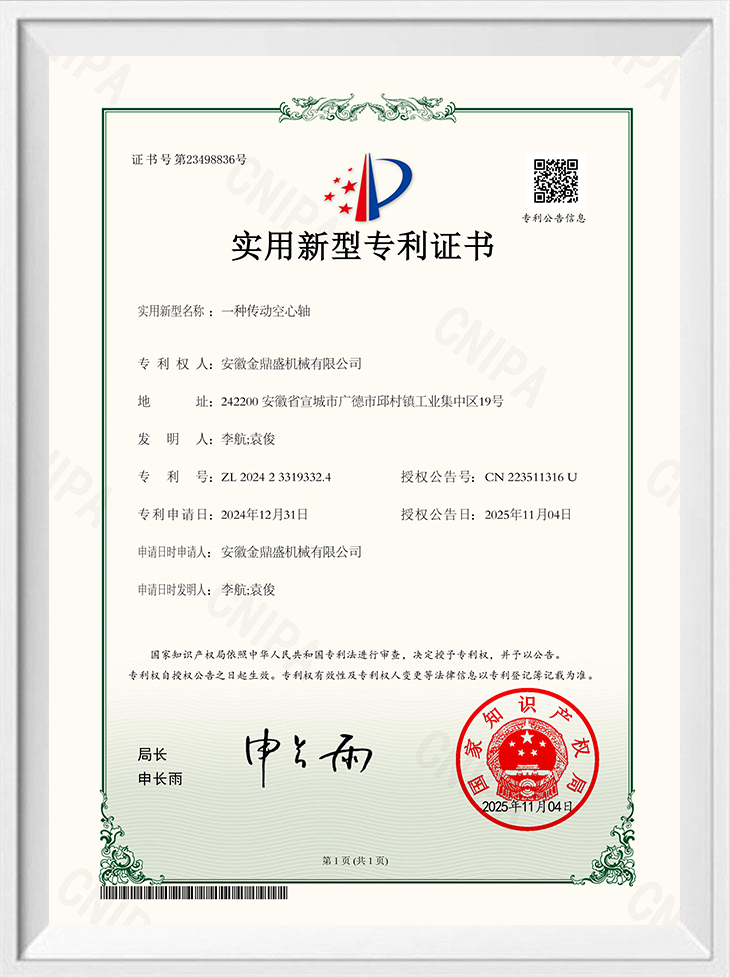
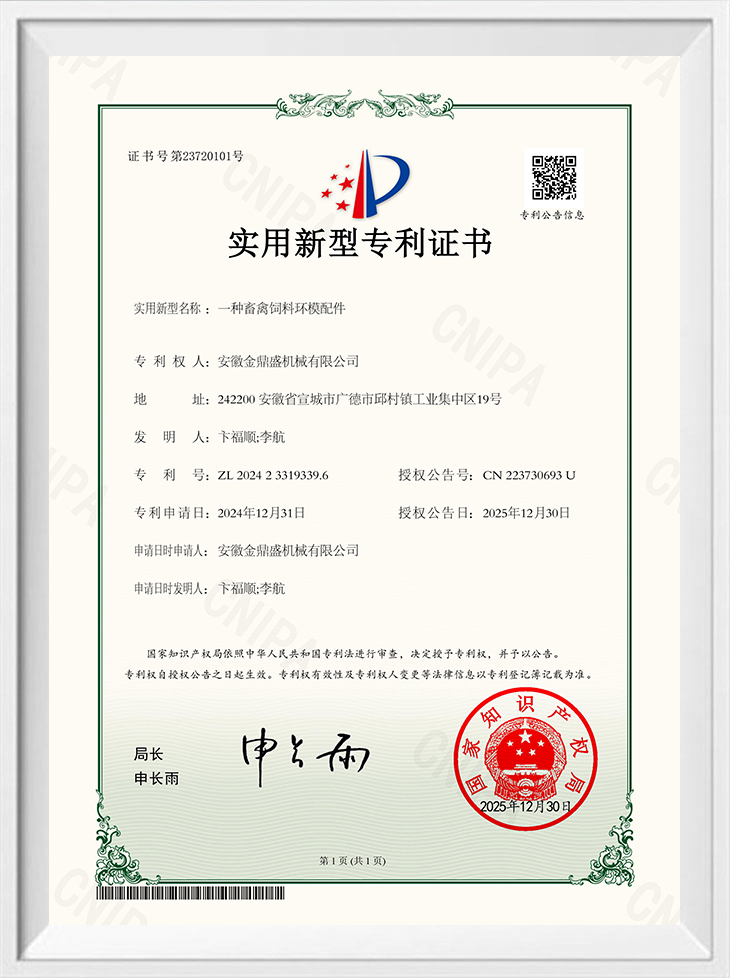
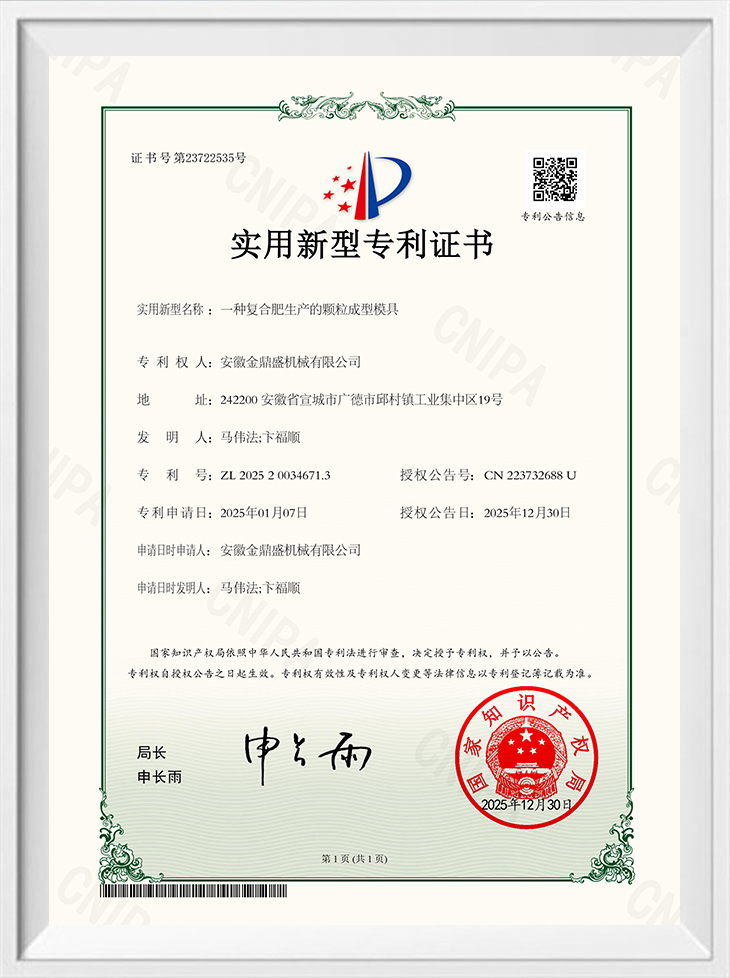
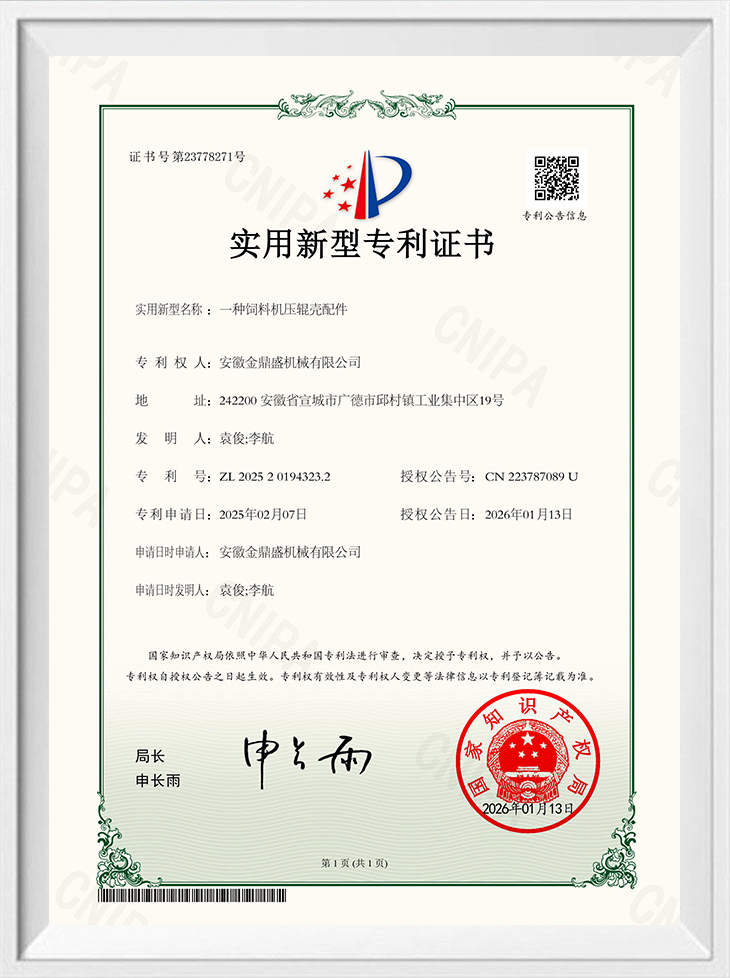
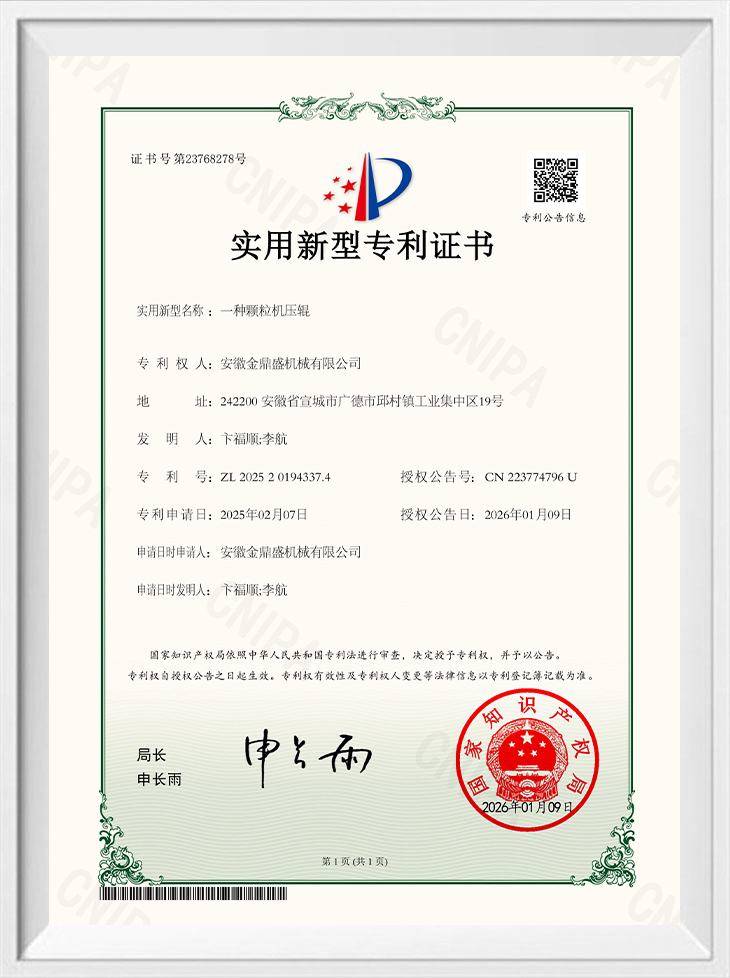
Certificate Of Honour
-

Advanced testing equipment
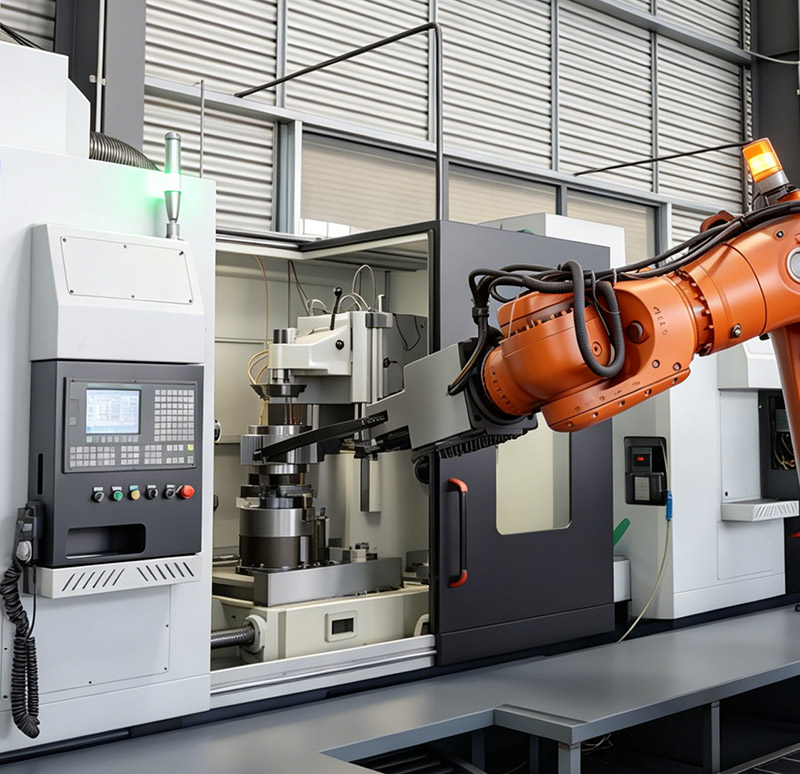
It is equipped with the most advanced production and processing equipment in China, providing strong hardware support for product manufacturing.
-

Mature technology
The company introduces advanced technology and manufacturing techniques at home and abroad, with world-leading technical and processing levels.
-

Complete variety
The company has a complete range of products, mainly including ring dies, rollers and various granulator accessories to meet diverse customer needs.
News Update
Message Feedback
Internal Components Industry knowledge
Small Parts, Big Impact: Choosing Granulator Internal Components
Internal components rarely get the attention that a roller shell or ring die does, yet a cheap bearing gland or an oil slinger that does not seat correctly can take down a production line just as fast as a worn die. Buyers who understand what these small parts actually do tend to spec them more carefully instead of treating them as an afterthought on a purchase order.
What Counts as an Internal Component
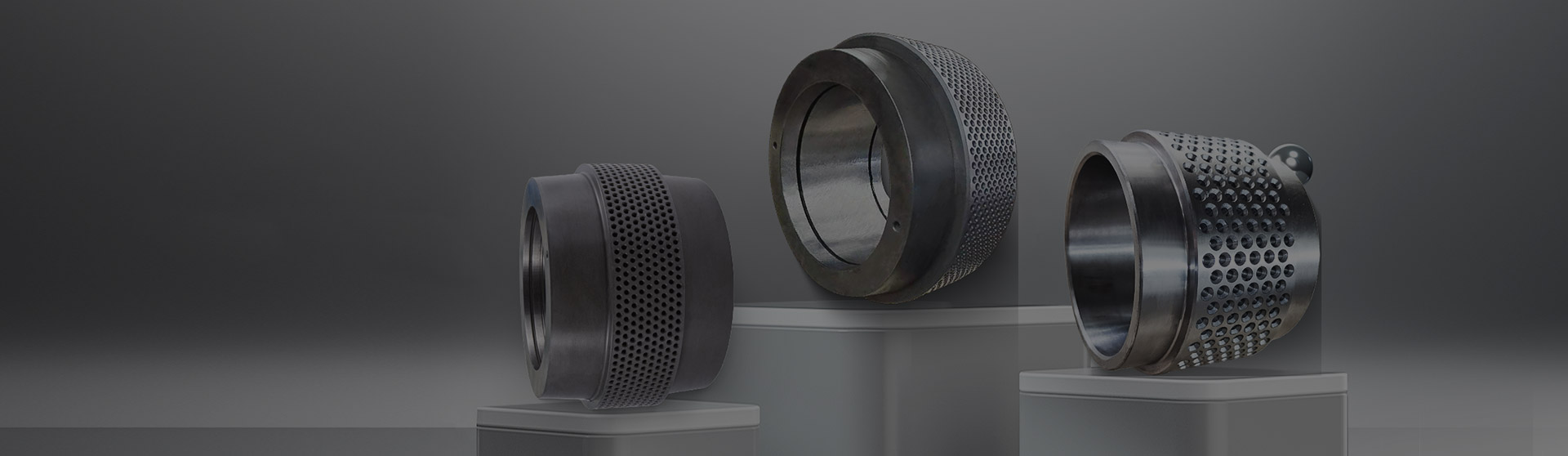
Inside the bearing housing of a pressure roller assembly, several small precision parts work together to keep the eccentric shaft and bearings running smoothly. These typically include the bearing gland (also called an end cover), the oil slinger or oil deflector, and precision spacer rings. None of them move much, but each controls something the bigger parts around it depend on.
Function and Failure Risk by Component
| Component | Function | Risk If It Fails |
|---|---|---|
| Bearing Gland / End Cover | Locks bearings in their seat and seals the housing | Bearing shifts under load, causing vibration and premature wear |
| Oil Slinger (Oil Deflector) | Throws lubricant outward, away from seals and the die chamber | Oil leaks past seals and contaminates the pelleted product |
| Precision Spacer Ring | Sets exact axial position and preload between bearings | Incorrect bearing preload, leading to overheating or early failure |
Why Dimensional Accuracy Matters More Than Material Here
Most internal components are machined from 45# carbon steel, which is strong enough for the job; the real variable between suppliers is how tightly the dimensions are held. A spacer ring that is a few hundredths of a millimeter off changes bearing preload, and a bearing gland with an out-of-round bore will not seat evenly. These are not defects you can usually catch by eye, which is why buyers sourcing in volume should ask about the machining tolerance a factory works to, not just the material grade.
What to Check Before Placing an Order
- Provide the exact bore, outer diameter, and thickness dimensions, or a sample part, rather than relying on a general part name.
- Confirm the parts are dimensionally matched to your existing roller shell and shaft assembly before ordering a full set.
- Ask whether parts are supplied as a matched kit or sold individually, since mixing suppliers increases the chance of a fit issue.
- Request tolerance data on critical dimensions, especially for spacer rings that set bearing preload.
Stocking Strategy for High-Uptime Operations
Because internal components are inexpensive relative to the downtime they can cause, many feed mills and biomass plants keep a small stock of glands, slingers, and spacers on hand for every active mill line, rather than ordering reactively after a failure. This is especially common for plants running multiple shifts, where an unplanned bearing failure during peak production is far more costly than the part itself.
Anhui Jindingsheng Machinery Co., Ltd. machines bearing glands, oil slingers, and spacer rings at its facility in Guangde, Anhui, dimensioned to match its own roller shells, eccentric shafts, and pressure roller assemblies, and can also machine to a buyer's own drawing or sample. The factory ships internal components as individual parts or matched sets to feed mill and biomass producers across Asia, Europe, and the Americas, with wholesale pricing for repeat B2B orders.
FAQ
Q: What is the difference between a bearing gland and an end cover?
A: The terms are often used interchangeably; both refer to the cap that locks a bearing in its housing and seals that end of the assembly, though exact naming can vary between manufacturers.
Q: How often should oil slingers be replaced?
A: There is no fixed schedule, but they are usually inspected and replaced during a bearing rebuild rather than on their own, since removing the housing to check one part but not the other is inefficient.
Q: Can these parts be made from a drawing instead of a sample?
A: Yes, most factories can machine from a technical drawing with dimensions and tolerances specified; a physical sample is helpful but not always required if the drawing is complete.
Q: Is it worth buying internal components in bulk?
A: For plants running continuous operations, keeping spare glands, slingers, and spacers in stock is usually worthwhile, since these parts are low-cost compared to the downtime caused by waiting on a replacement order.

Get In Touch
Follow us
Quick Links
Contact Us
Tel: +86-13961203188
Email : ysf@jindingsheng.com.cn
Address : No. 19, Qiucun Town Industrial Concentration Zone, Guangde City, Xuancheng City, Anhui Province
Copyright © Anhui Jindingsheng Machinery Co., Ltd. All
Rights Reserved.
Wholesale
Granulator Internal Components Manufacturer
