

 English
  中文简体
中文简体  русский
  Español
  عربى
عربى 
-
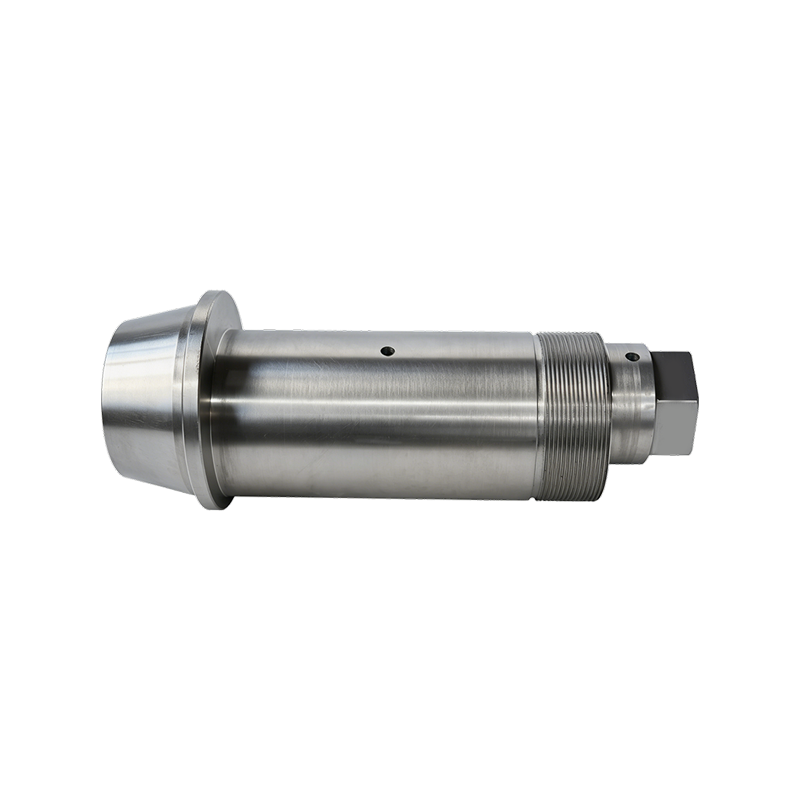
 Product Overview: The 42CrMo Eccentric Shaft is a high-strength alloy steel component designed for h...View Details
 -
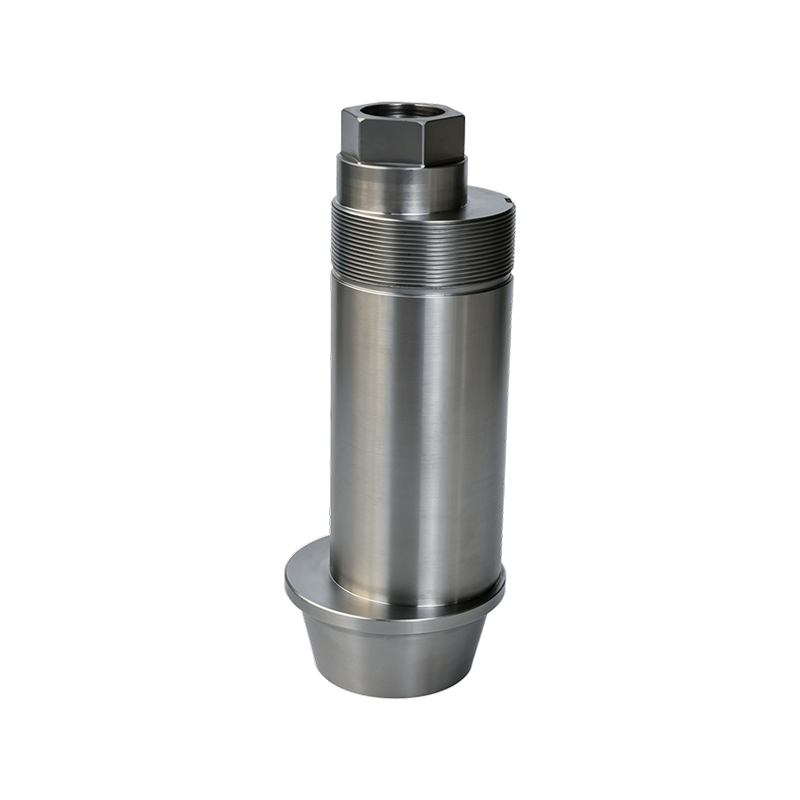
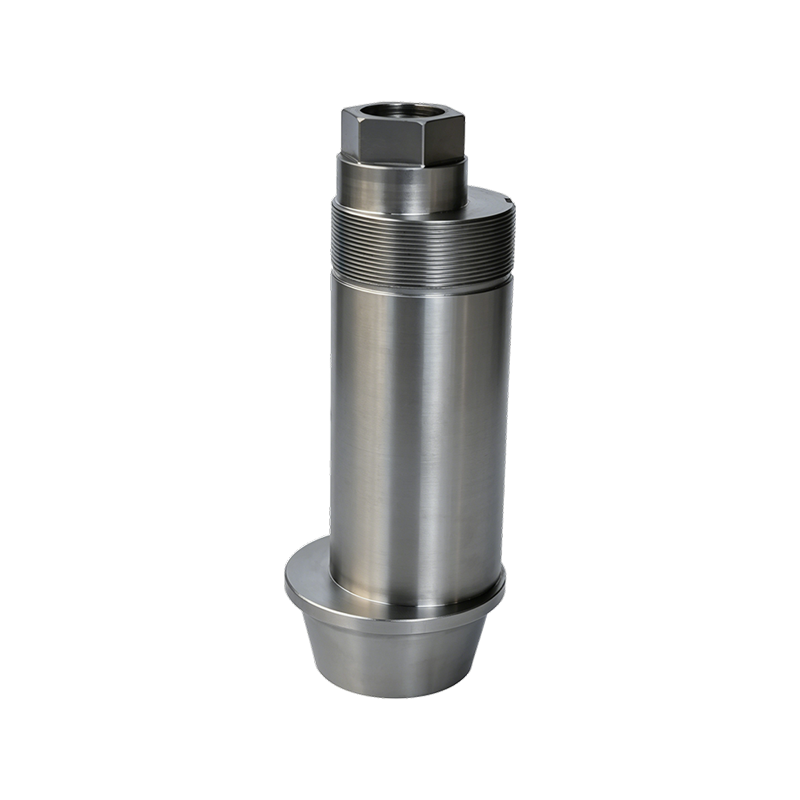
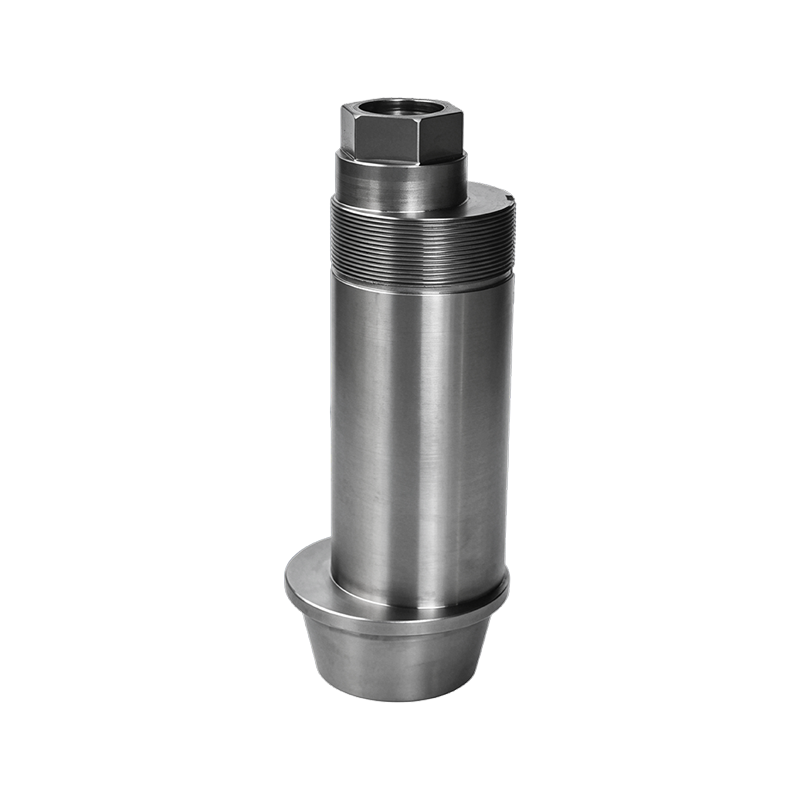
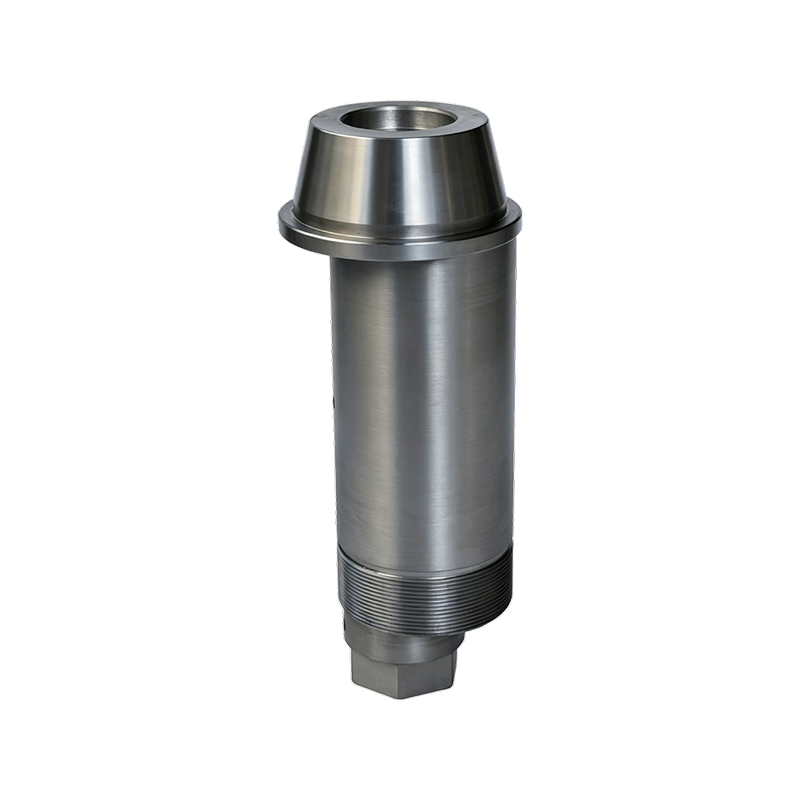
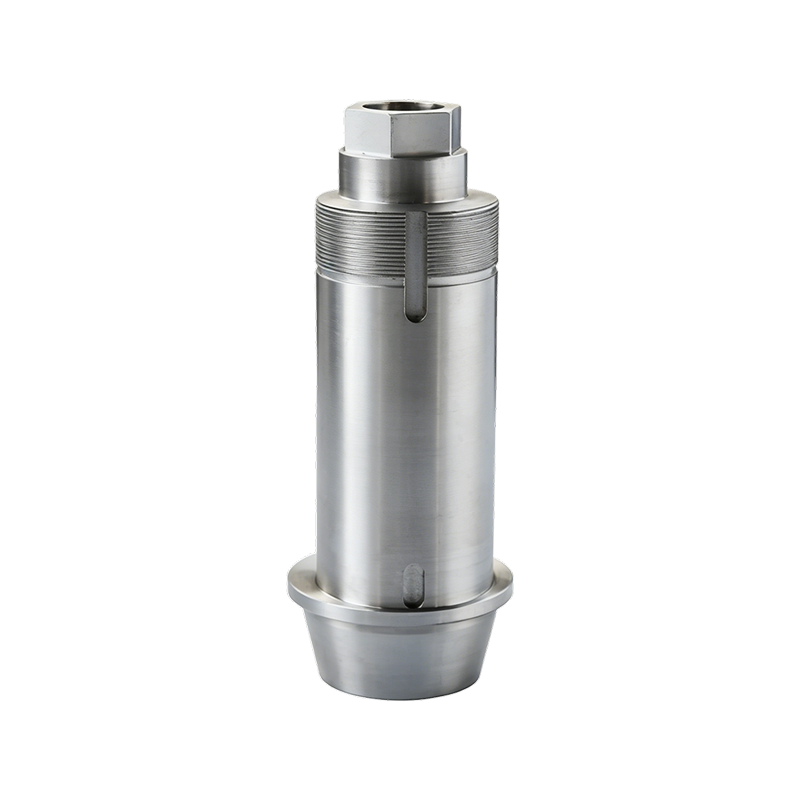
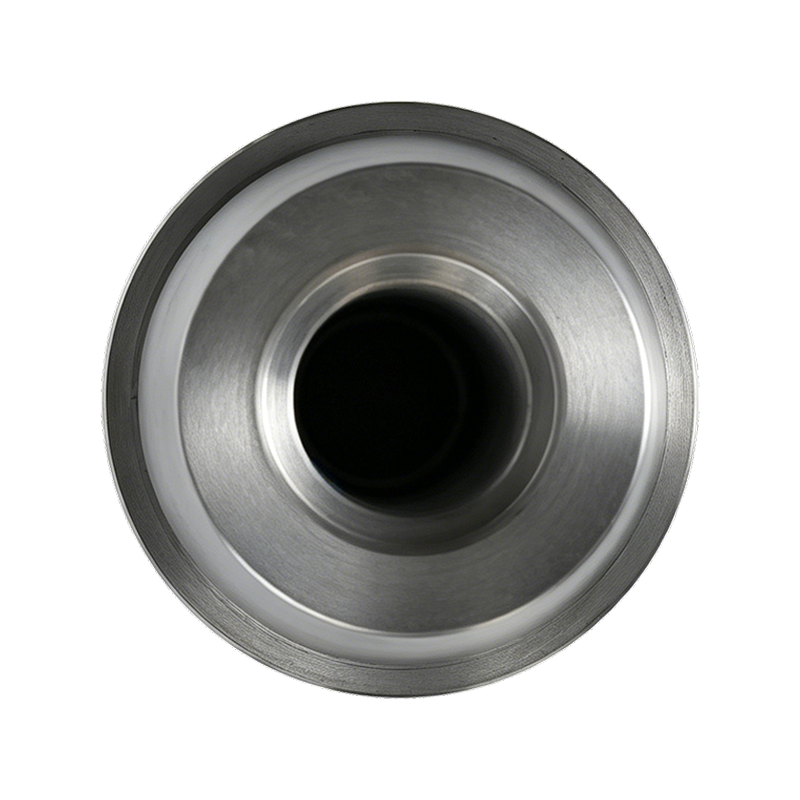
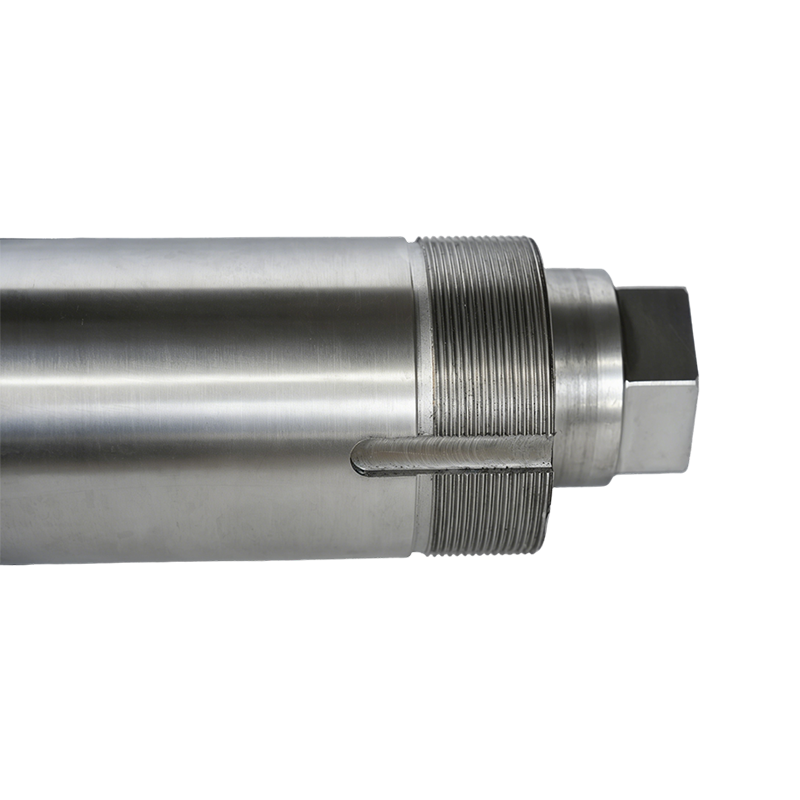
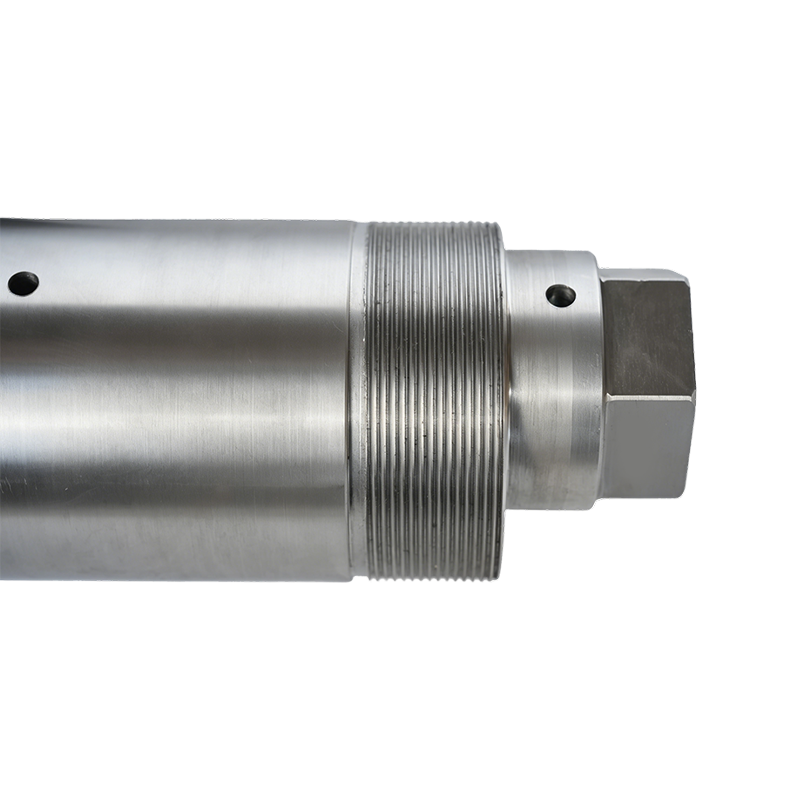
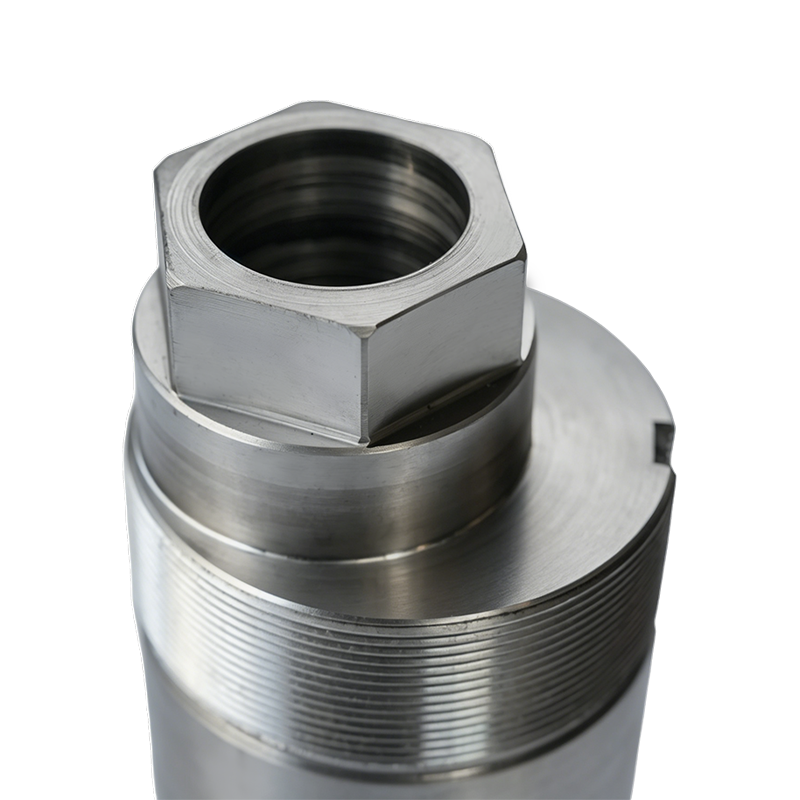
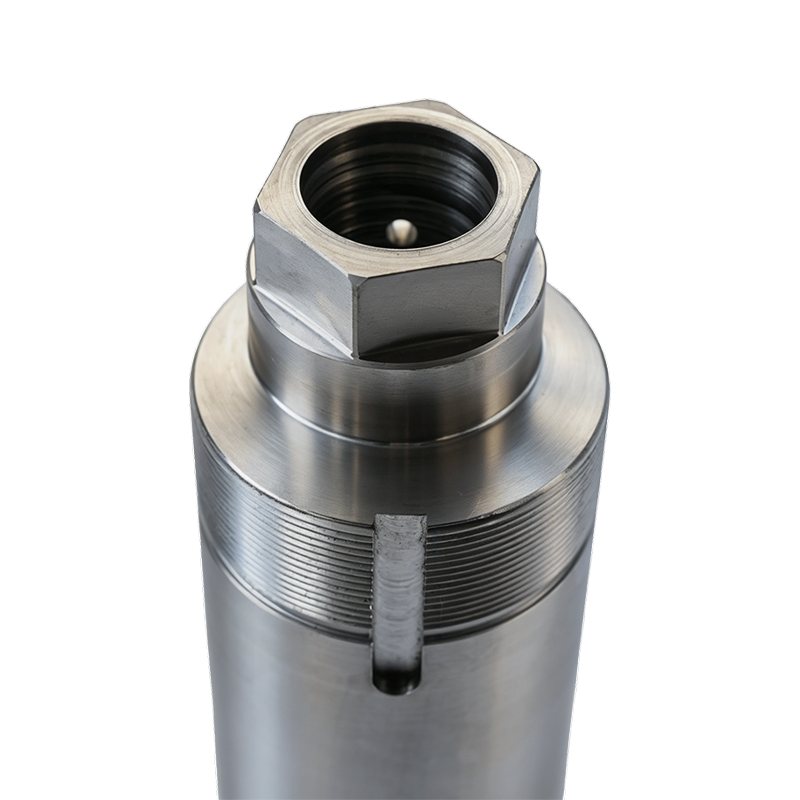
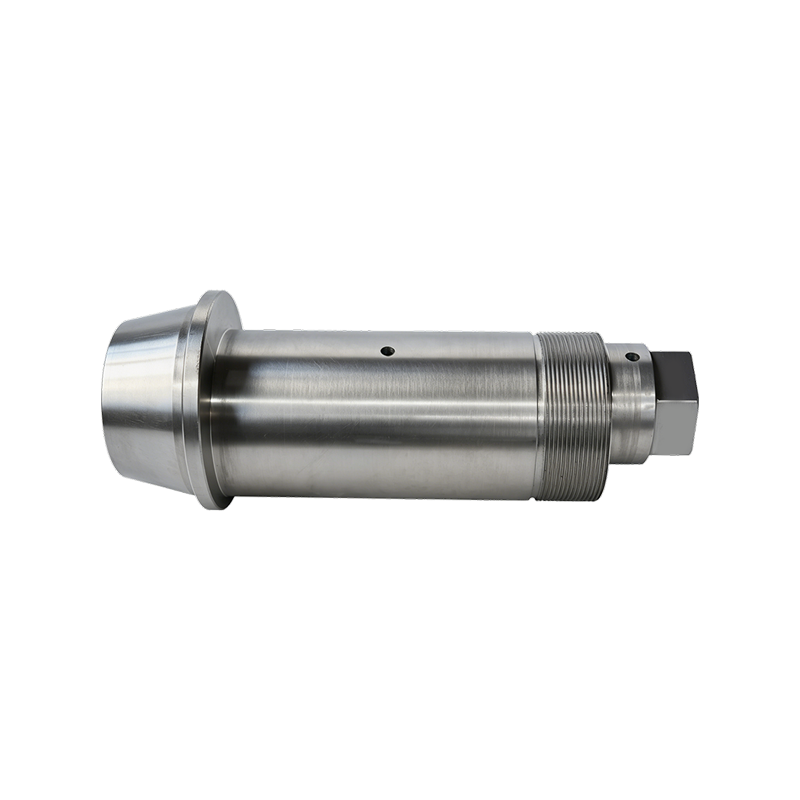
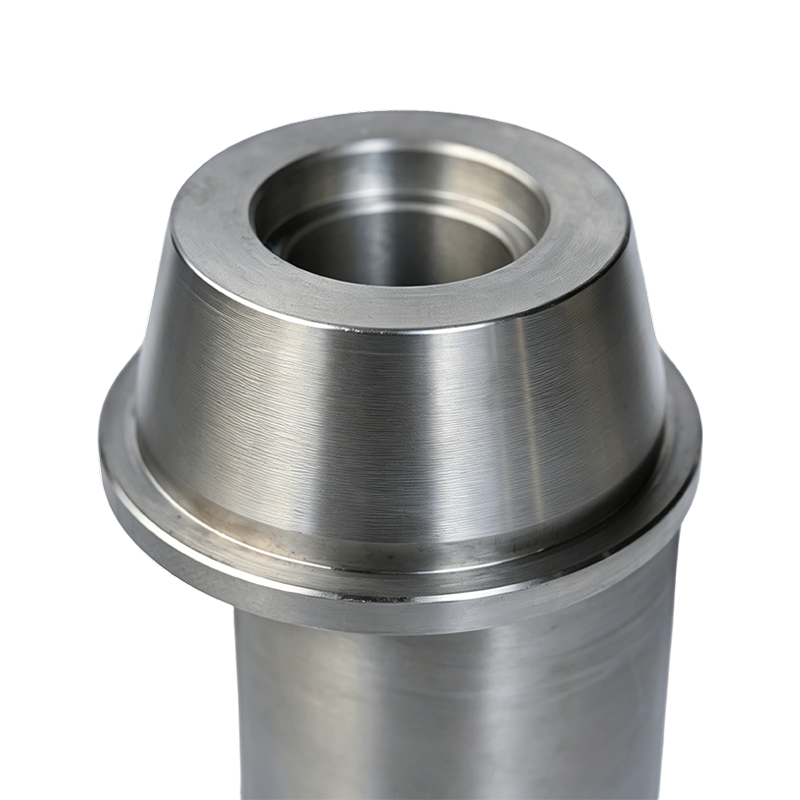 Product Overview: This eccentric shaft is a precision-engineered component made from 45# carbon stee...View Details
 -
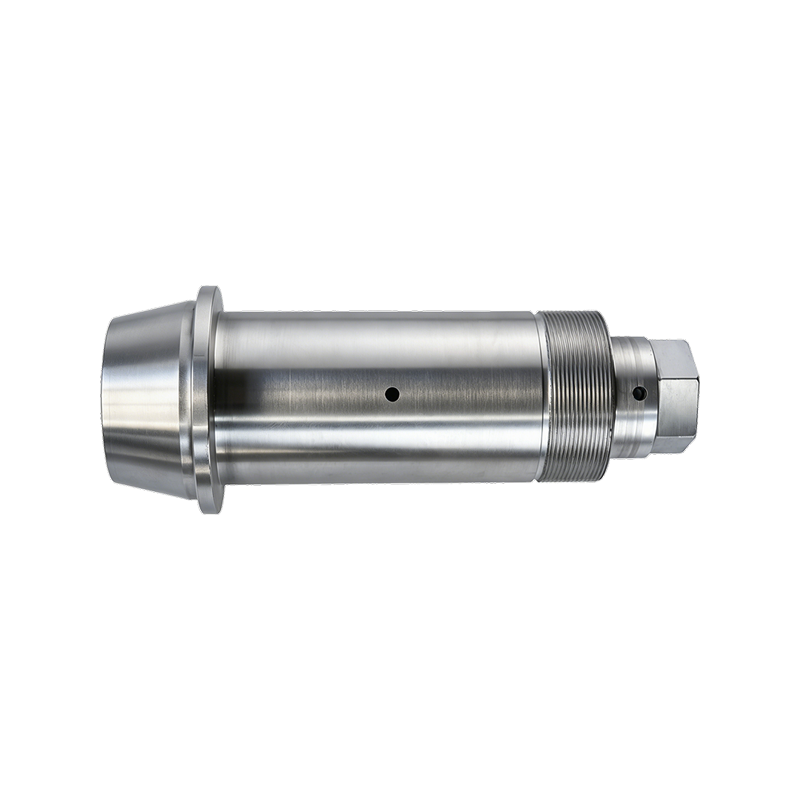
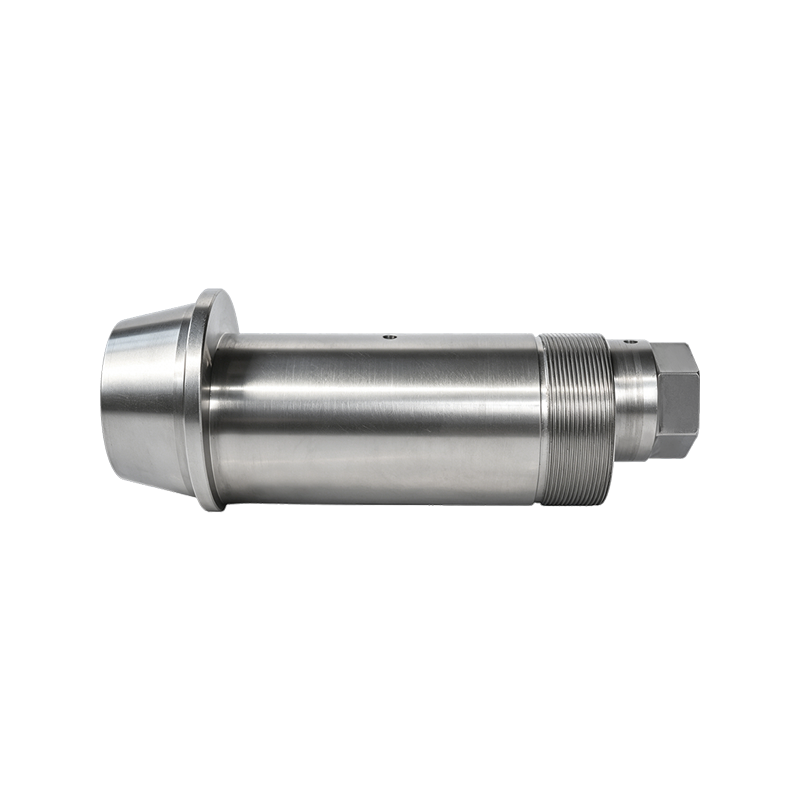
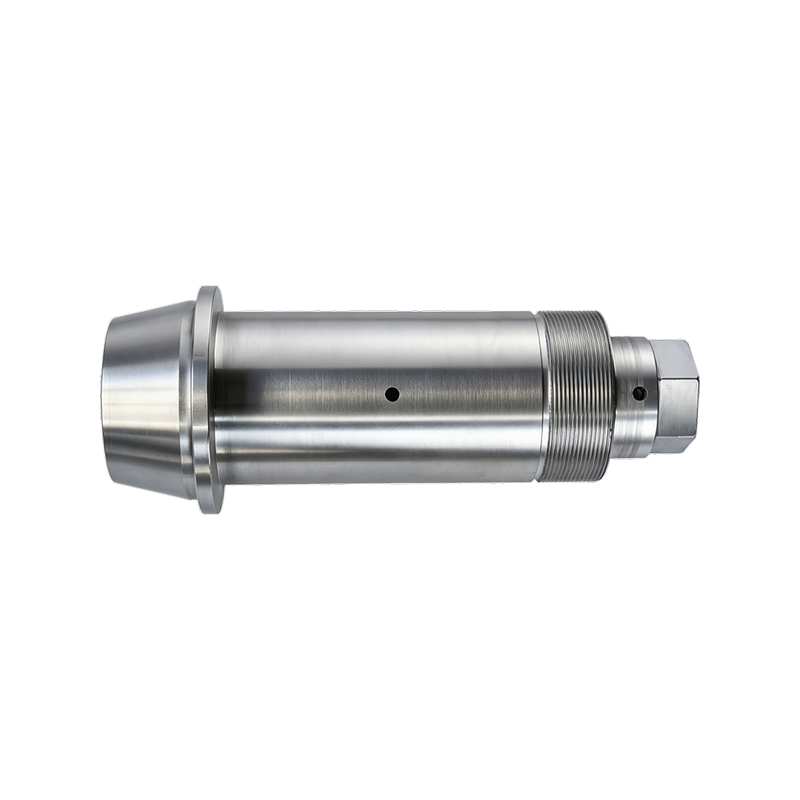 Product Overview: The 40Cr Eccentric Shaft is an alloy steel component manufactured for high-volume ...View Details
Alloy Steel Forged Eccentric Shaft Manufacturer
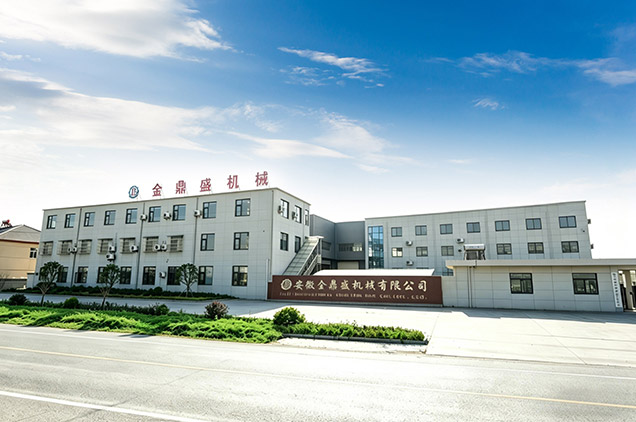
Anhui Jindingsheng Machinery Co., Ltd.
Anhui Jindingsheng Machinery Co., Ltd., located in the North District of Guangde City Economic Development Zone, Anhui Province, was established in 2022. The company covers an area of 14,509 square meters and has 97 employees. As China
Alloy Steel Forged Eccentric Shaft Manufacturer and Wholesale
Alloy Steel Forged Eccentric Shaft Factory, With advanced technology and manufacturing technology at home and abroad, it is at the world's leading level, and is an enterprise that pursues greatness and innovation.
The company focuses on the core business of R&D and manufacturing of granulator ring die, rollers, and related granulator parts services. The main product types are ring die, roller, and granulator accessories. It has the most advanced equipment and more complete service enterprise in China. The company's products are exported to many foreign countries: The United States, Japan, South Korea, Vietnam, France, Bangladesh, Russia, India, the Philippines, and European countries. The company strictly controls all processes from raw materials to forging, finishing, and heat treatment. It is the one-stop service center company in China.
Anhui Jindingsheng Machinery Co., Ltd., in line with the production concept of "refinement", uses stable and reliable quality to create your long-term development.
Friends from all walks of life are welcome to visit, guide, and negotiate business.
Certificate Of Honour
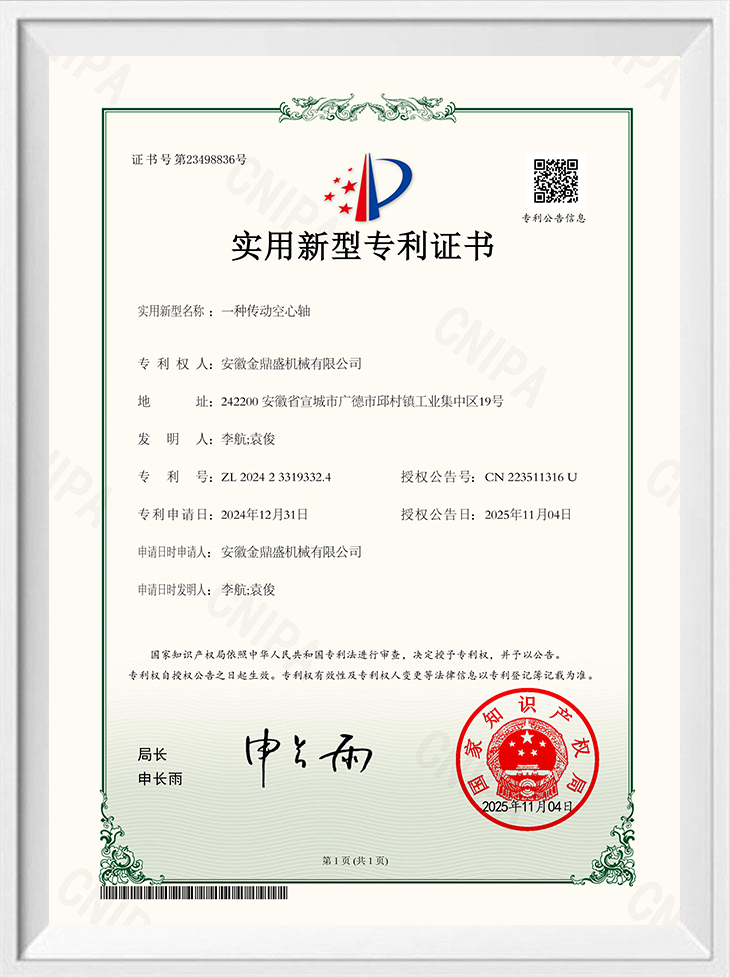
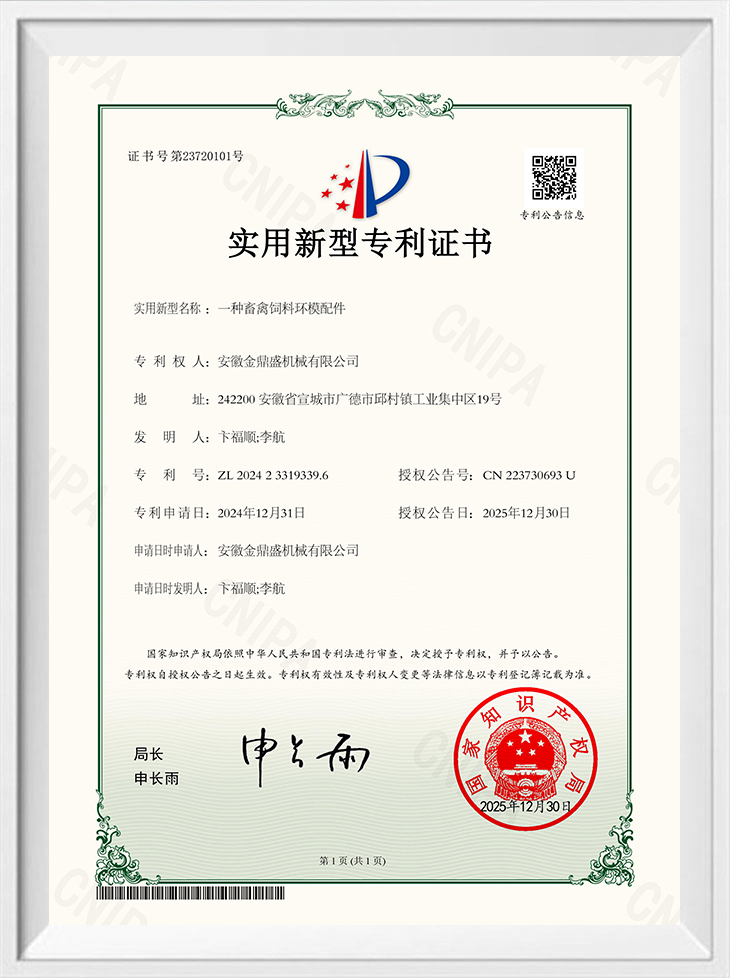
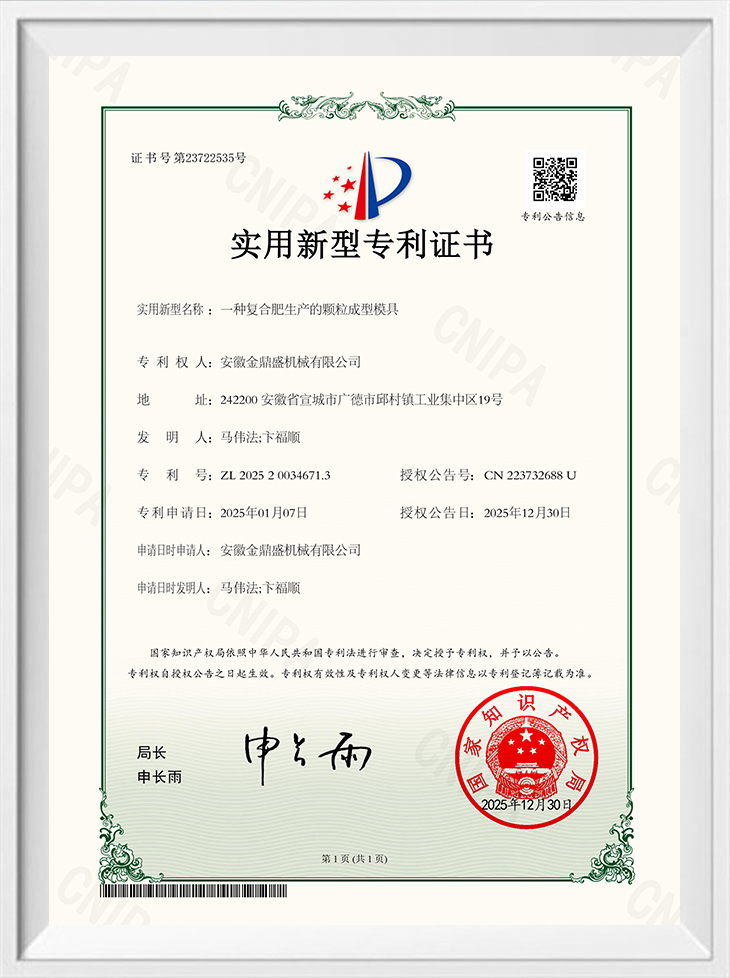
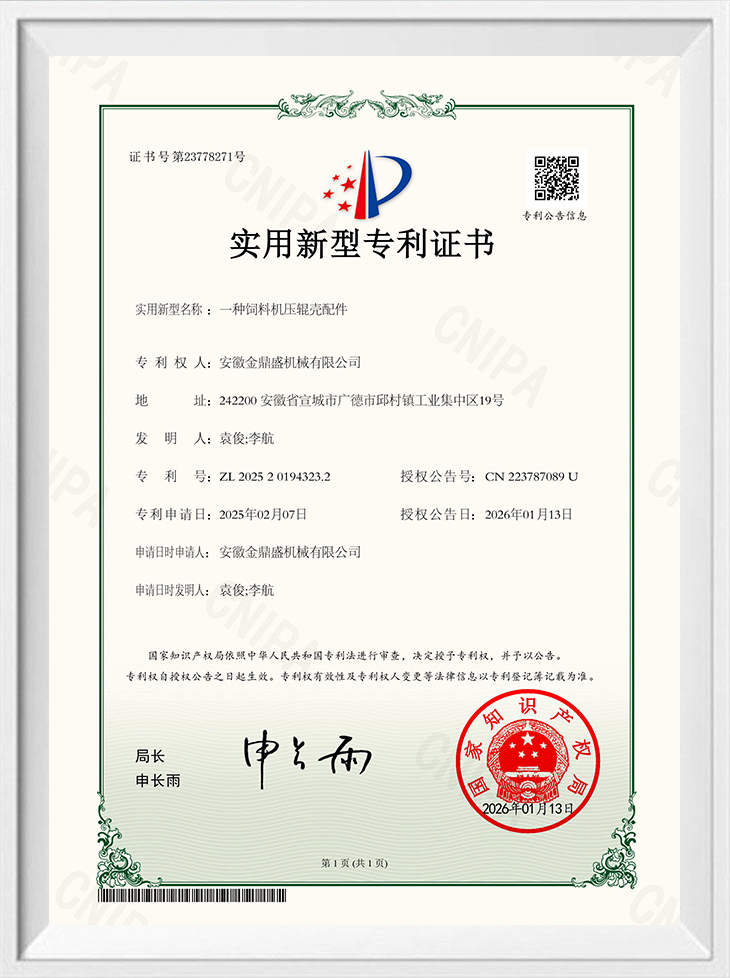
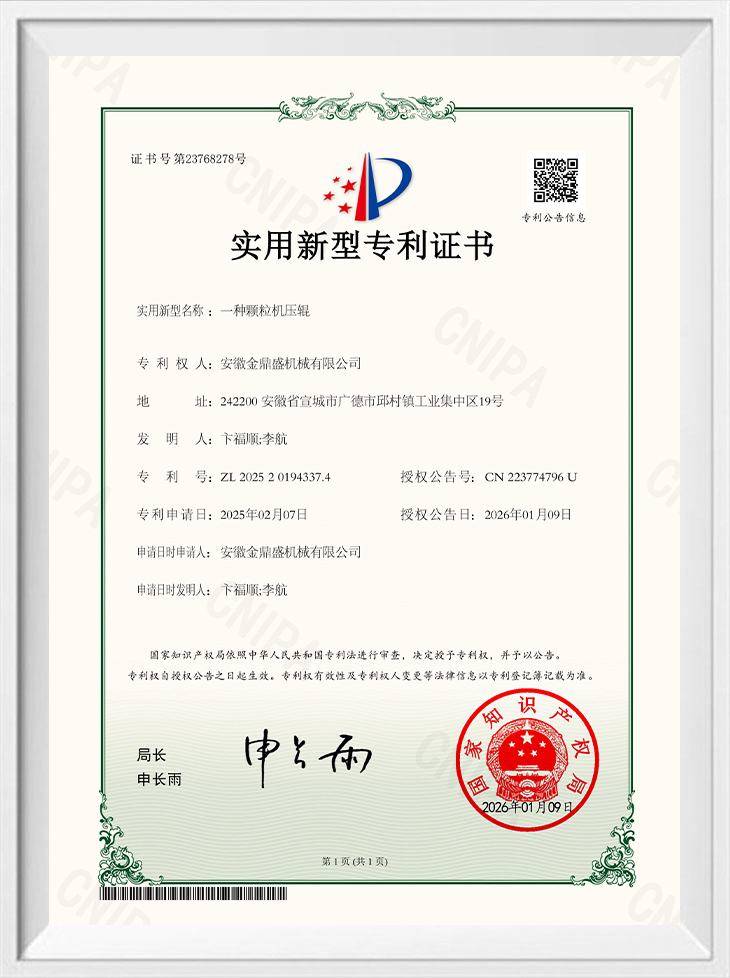
-

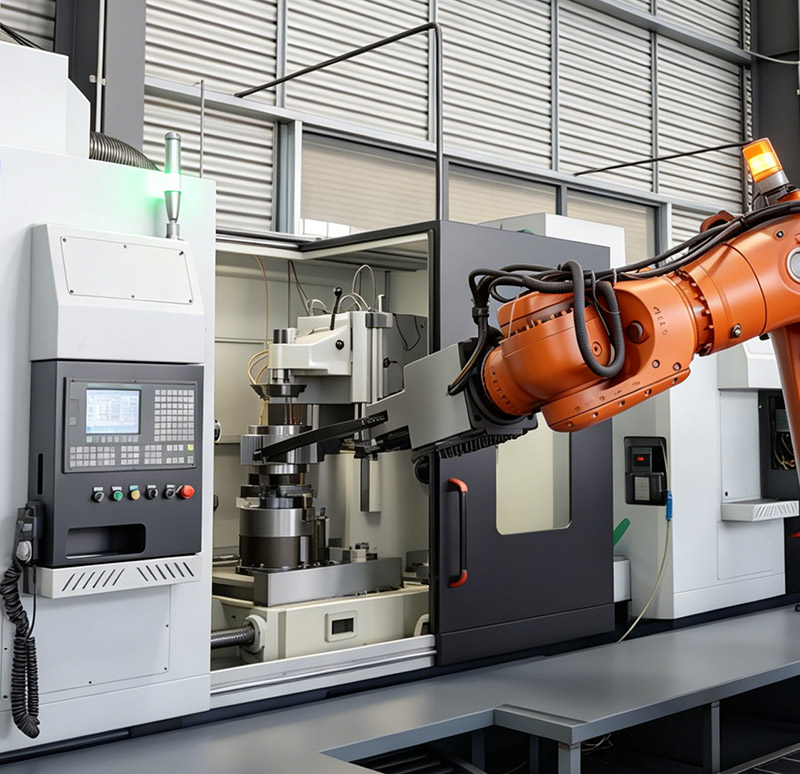
Advanced testing equipment
It is equipped with the most advanced production and processing equipment in China, providing strong hardware support for product manufacturing.
-

Mature technology
The company introduces advanced technology and manufacturing techniques at home and abroad, with world-leading technical and processing levels.
-

Complete variety
The company has a complete range of products, mainly including ring dies, rollers and various granulator accessories to meet diverse customer needs.
News Update
Message Feedback
Eccentric Shaft Industry knowledge
Eccentric Shaft: A B2B Sourcing Guide for Pellet Mill and Granulator Buyers
The eccentric shaft is one of the few parts in a pellet mill where a fraction of a millimeter of machining error can throw off pellet quality across an entire production run. For buyers comparing forged parts from different factories, understanding what "eccentric" actually controls, and how it is made, helps separate a precision component from a part that only looks the same on a spec sheet.
What the Eccentric Shaft Actually Controls
Unlike a straight shaft, an eccentric shaft is machined with its bearing journal offset from its centerline. That offset sets the exact gap between the pellet roller shell and the ring die, and in many mill designs the shaft can be rotated slightly to adjust that gap as the roller shell wears down. Get the offset wrong, or let it drift out of tolerance, and the roller either rubs the die too hard or leaves too much clearance, both of which show up immediately as poor pellet quality or abnormal die wear.
How Eccentric Shafts Are Made
Reliable eccentric shafts start as forged blanks rather than parts cut from bar stock, because forging aligns the steel's grain flow along the shaft's shape and gives it better fatigue resistance under repeated rotating load. After forging, the shaft goes through rough turning, heat treatment for core strength, and precision grinding on the journal surfaces, since the bearing seats and the eccentric offset both need to hold tight tolerances for the shaft to run true.
Common Material Grades
| Material Grade | Key Characteristic | Typical Use |
|---|---|---|
| 42CrMo Alloy Steel | High strength and good fatigue resistance after quenching and tempering | Heavy-duty pellet mills and high-throughput lines |
| 40Cr Alloy Steel | Balanced strength and machinability at moderate cost | Standard feed pellet mills and general granulator use |
| 45# Carbon Steel | Cost-effective, adequate strength for lighter-duty service | Smaller mills or budget-sensitive replacement orders |
What to Check Before Placing an Order
- Confirm the shaft is forged, not cut from round bar stock, especially for high-throughput or heavy-duty mills.
- Ask for the exact eccentric offset dimension and its tolerance range, not just the overall shaft length and diameter.
- Request the heat treatment specification, since core hardness affects fatigue life under continuous rotating load.
- Check that bearing journal surface finish and roundness are within a tight tolerance, as rough or out-of-round journals shorten bearing life quickly.
- Verify the shaft is dimensionally matched to your existing pressure roller assembly and bearing housing before ordering in bulk.
Wear Signs and Replacement Timing
An eccentric shaft wears more slowly than the roller shell or die around it, but once the bearing journal develops scoring, pitting, or measurable play, it should be replaced rather than reused, since a worn journal will damage a new bearing almost immediately. Unusual vibration, abnormal bearing heat, or difficulty holding a consistent roller-to-die gap after adjustment are common early signs that the shaft, not just the bearing, needs attention. Buyers running continuous multi-shift operations often inspect shafts during scheduled maintenance windows rather than waiting for a failure.
Anhui Jindingsheng Machinery Co., Ltd. forges and machines eccentric shafts in-house at its facility in Guangde, Anhui, carrying the process from raw billet through forging, heat treatment, and precision grinding under one roof. This keeps offset dimensions and journal tolerances consistent across a production batch, which matters for buyers ordering multiple shafts for the same mill line. The factory also supplies matched internal components, such as bearing glands and oil slingers, that pair with the shaft, and ships to feed mill and biomass producers across Asia, Europe, and the Americas with wholesale pricing for repeat B2B orders.
FAQ
Q: What does "eccentric" mean on this type of shaft?
A: It means the shaft's bearing journal is machined off-center from the main shaft axis by a set amount, which is what allows the roller assembly to sit at a specific, adjustable distance from the ring die.
Q: Can I request a custom offset dimension?
A: Yes, most factories can machine to a custom offset if you provide a drawing or the working clearance your mill requires, though custom orders typically carry a minimum order quantity.
Q: Why do two shafts with the same diameter sometimes not interchange?
A: Even with matching diameters, differences in offset dimension, keyway position, or overall length can make shafts incompatible, so it is safer to match against a drawing or sample than diameter alone.
Q: Should I replace the shaft and bearings at the same time?
A: If the journal shows wear, replacing bearings alone will not solve the problem, since a worn journal surface will quickly damage new bearings; inspecting both together during a rebuild is the more reliable approach.
Q: Is 42CrMo always the better choice over 40Cr or 45# steel?
A: Not automatically. 42CrMo offers higher strength and fatigue resistance, which suits heavy-duty or high-throughput lines, but for lighter-duty or budget-sensitive applications, 40Cr or 45# steel can be a more cost-effective match for the actual load the shaft will see.

Get In Touch
Follow us
Quick Links
Contact Us
Tel: +86-13961203188
Email : ysf@jindingsheng.com.cn
Address : No. 19, Qiucun Town Industrial Concentration Zone, Guangde City, Xuancheng City, Anhui Province
Copyright © Anhui Jindingsheng Machinery Co., Ltd. All
Rights Reserved.
Wholesale
Alloy Steel Forged Eccentric Shaft Manufacturer
