

 English
  中文简体
中文简体  русский
  Español
  عربى
عربى 
-
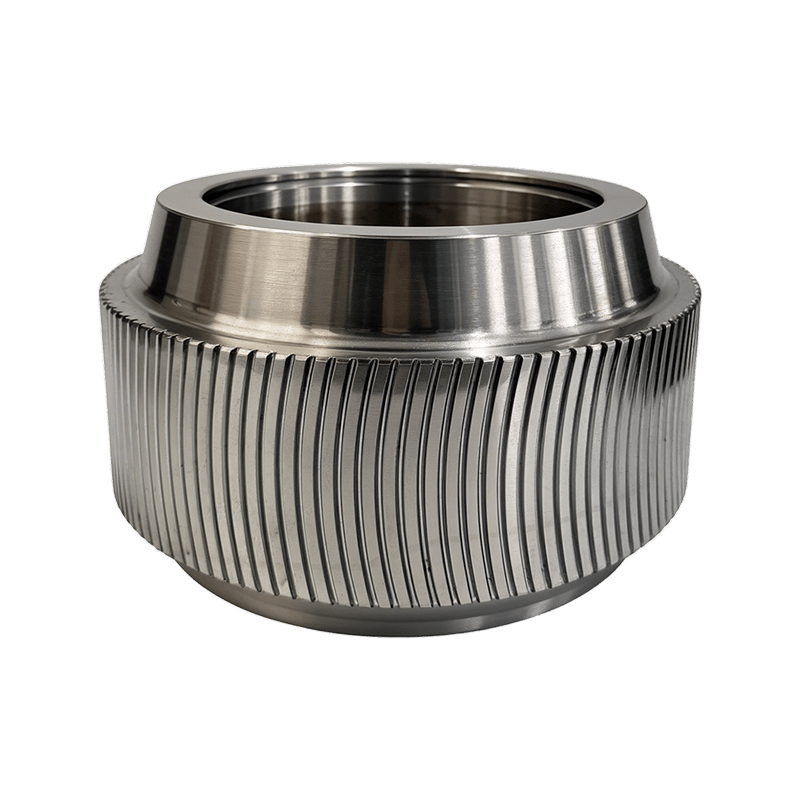 Product Overview The Arc Tooth Roller Shell is a key wearing part of the ring die pellet mill. It wo...View Details
 -
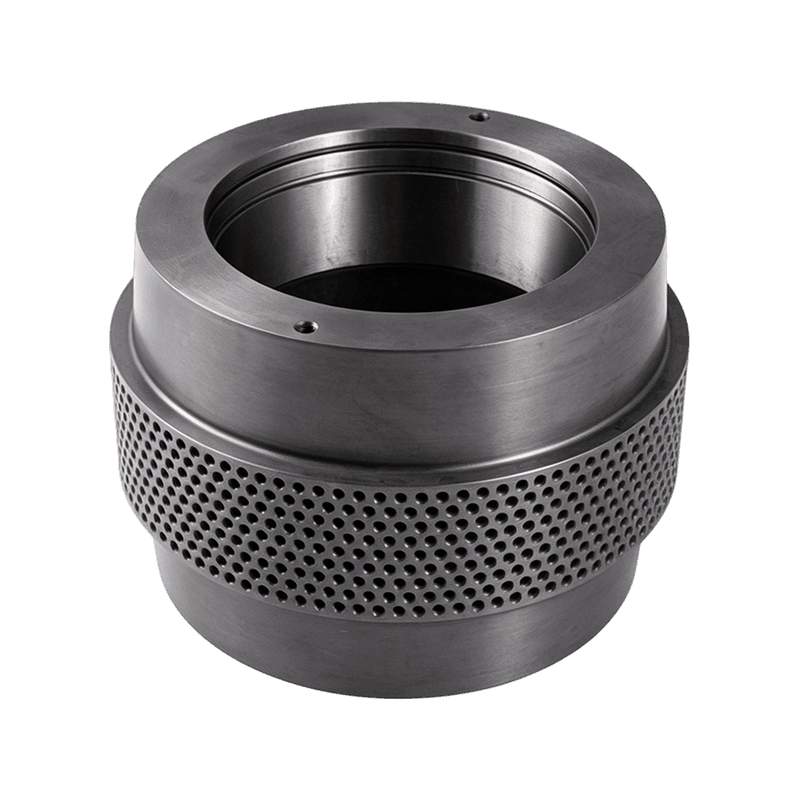
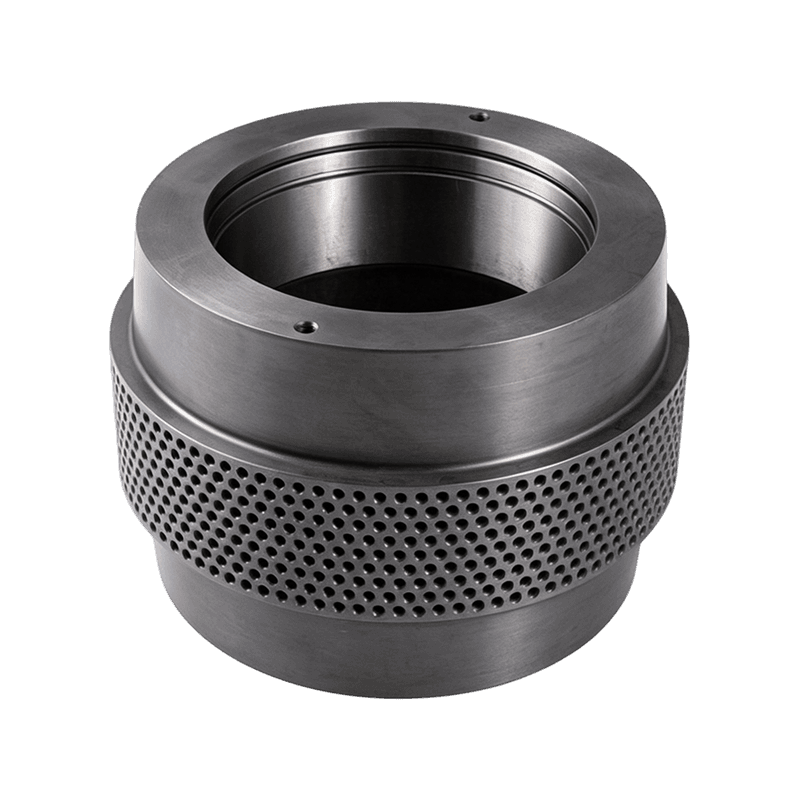 Product Overview A high-strength, wear-resistant pressure roller component manufactured from top-qua...View Details
 -
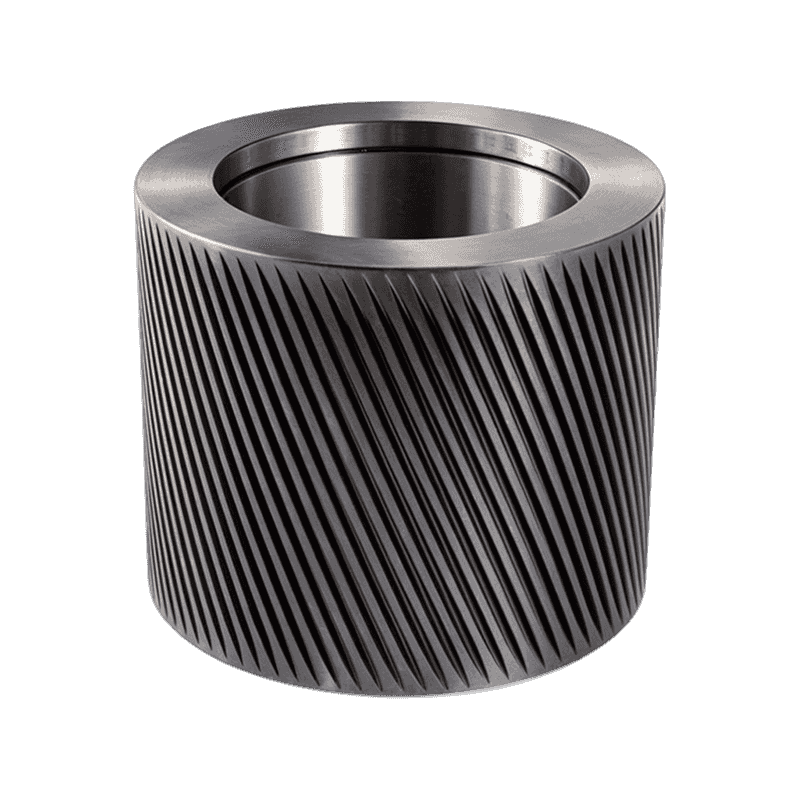
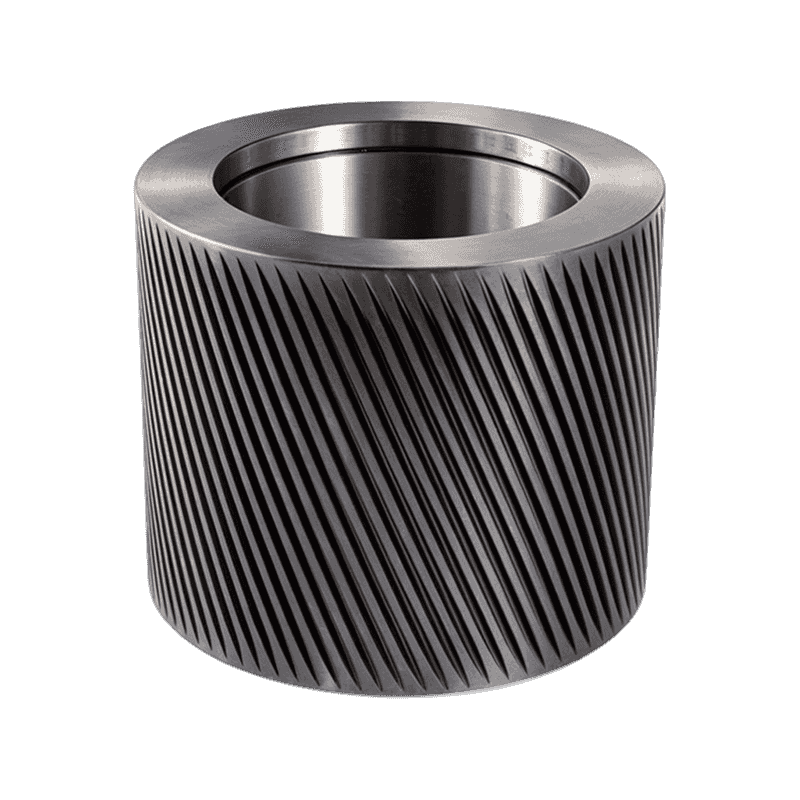 Product Overview Specialized high-performance rollers crafted from GCr15 or 100Cr6 bearing steel, en...View Details
 -
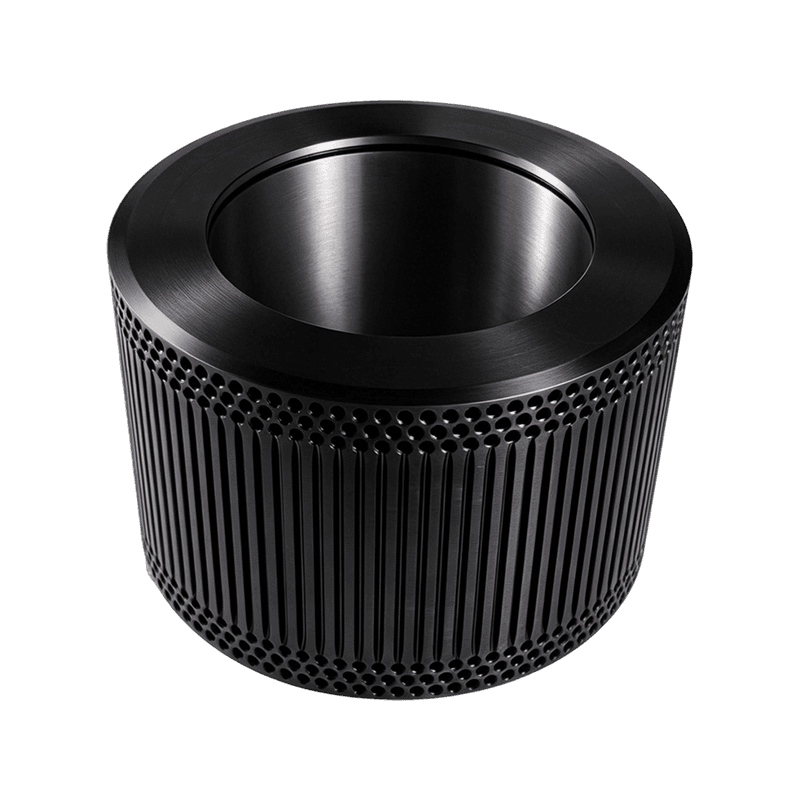
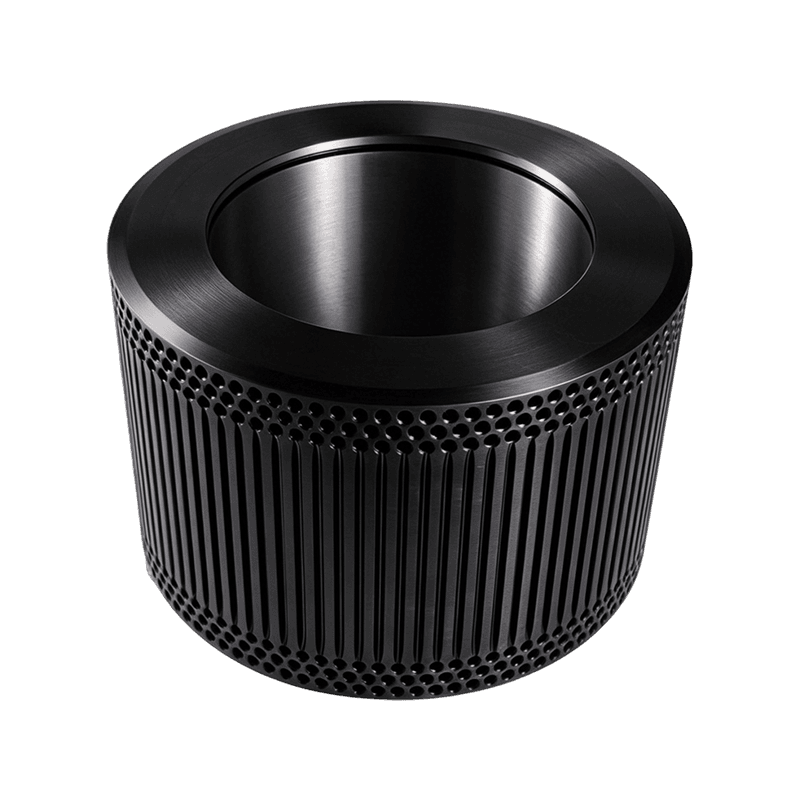 Product Overview A resilient pressure roller shell made from 60Si2Mn spring steel, designed for pell...View Details
 -
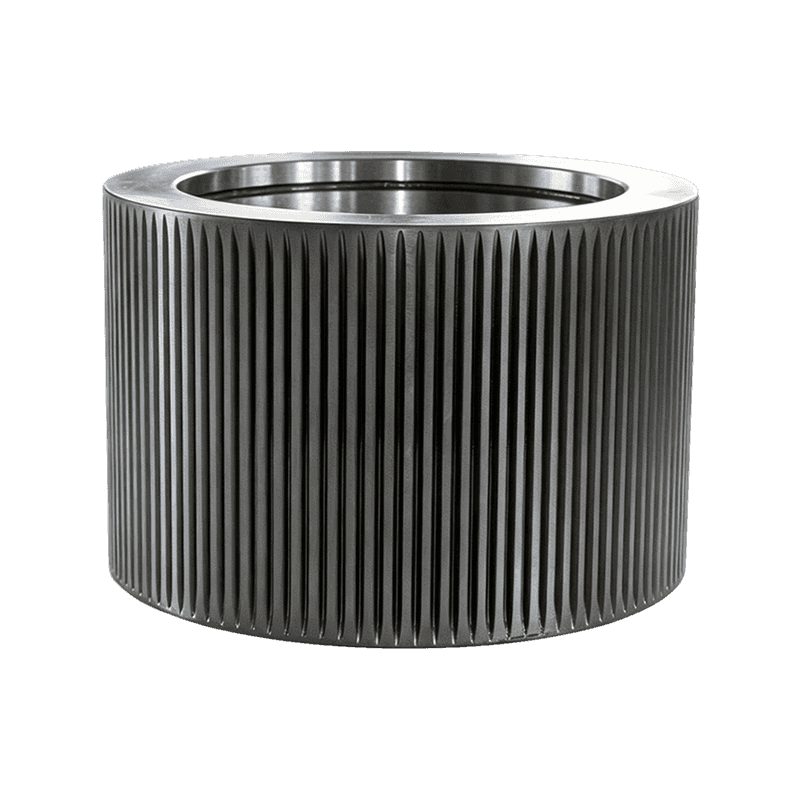
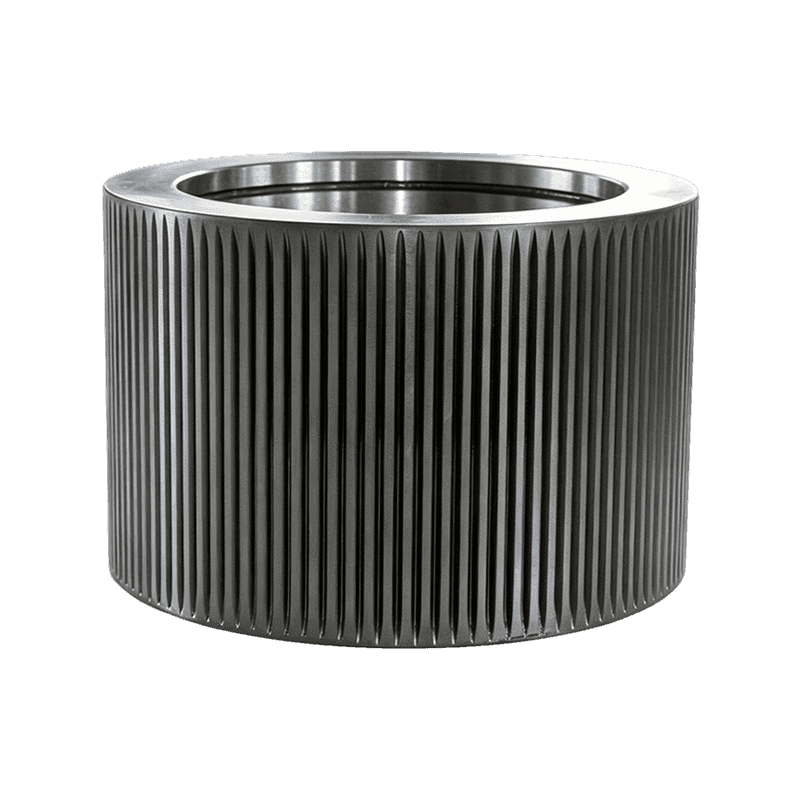 Product Overview A widely used and versatile alloy steel pressure roller, serving as a primary work...View Details
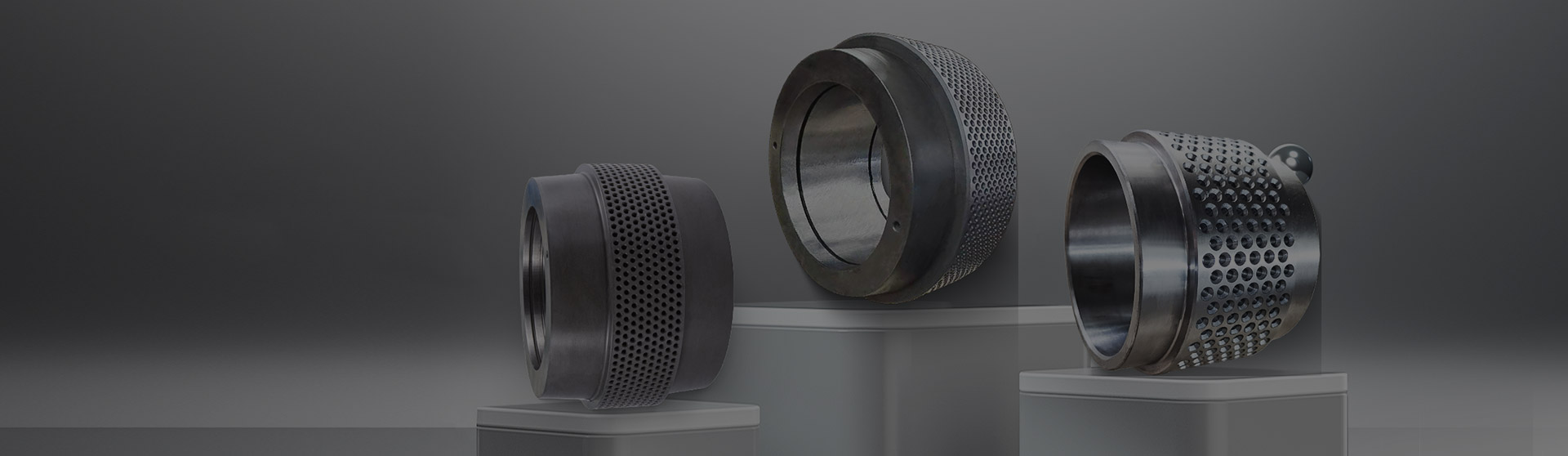
Pellet Roller Shell
Alloy Steel Pellet Roller Shell Manufacturer
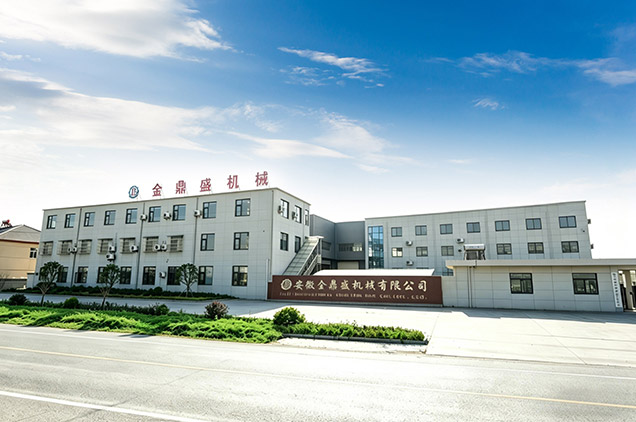
Anhui Jindingsheng Machinery Co., Ltd.
Anhui Jindingsheng Machinery Co., Ltd., located in the North District of Guangde City Economic Development Zone, Anhui Province, was established in 2022. The company covers an area of 14,509 square meters and has 97 employees. As China
Alloy Steel Pellet Roller Shell Manufacturer and Wholesale
Alloy Steel Pellet Roller Shell Factory, With advanced technology and manufacturing technology at home and abroad, it is at the world's leading level, and is an enterprise that pursues greatness and innovation.
The company focuses on the core business of R&D and manufacturing of granulator ring die, rollers, and related granulator parts services. The main product types are ring die, roller, and granulator accessories. It has the most advanced equipment and more complete service enterprise in China. The company's products are exported to many foreign countries: The United States, Japan, South Korea, Vietnam, France, Bangladesh, Russia, India, the Philippines, and European countries. The company strictly controls all processes from raw materials to forging, finishing, and heat treatment. It is the one-stop service center company in China.
Anhui Jindingsheng Machinery Co., Ltd., in line with the production concept of "refinement", uses stable and reliable quality to create your long-term development.
Friends from all walks of life are welcome to visit, guide, and negotiate business.
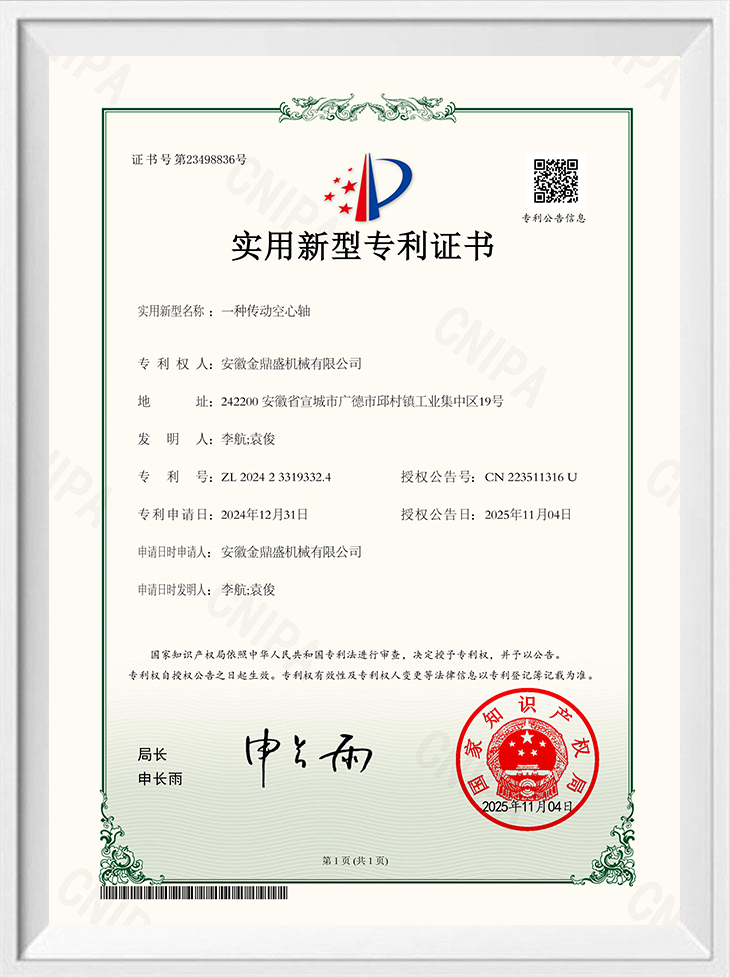
Certificate Of Honour
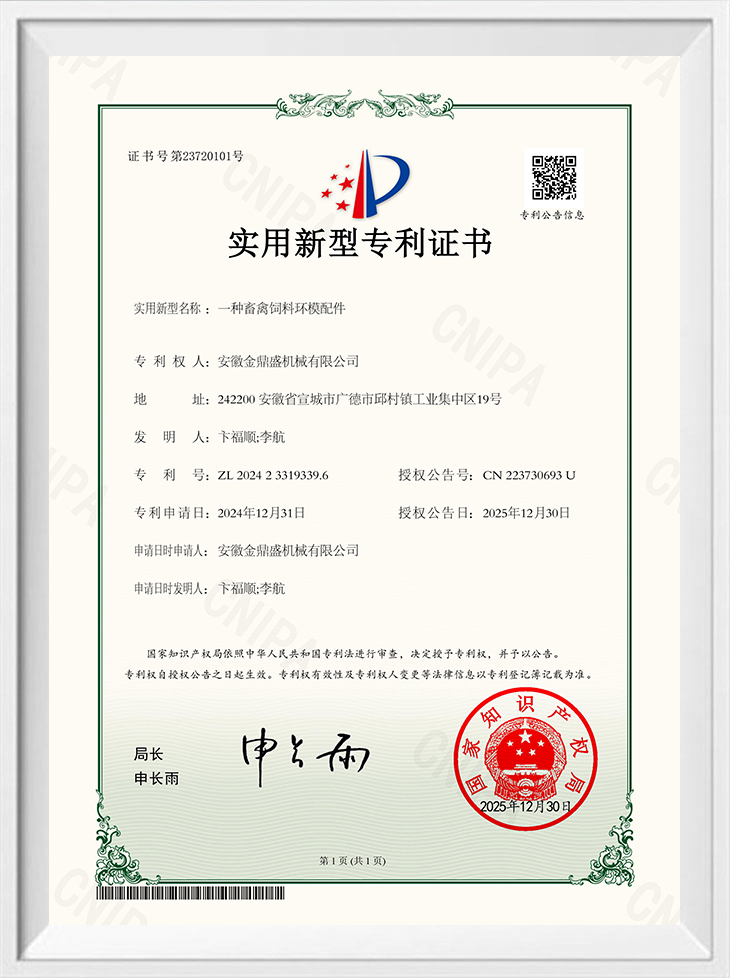
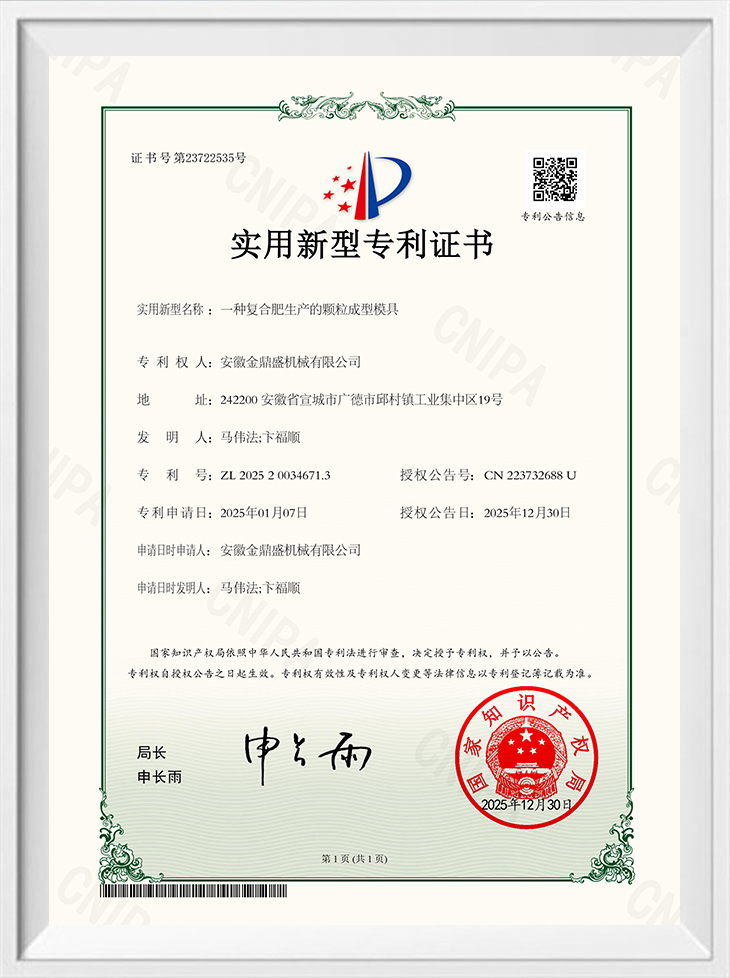
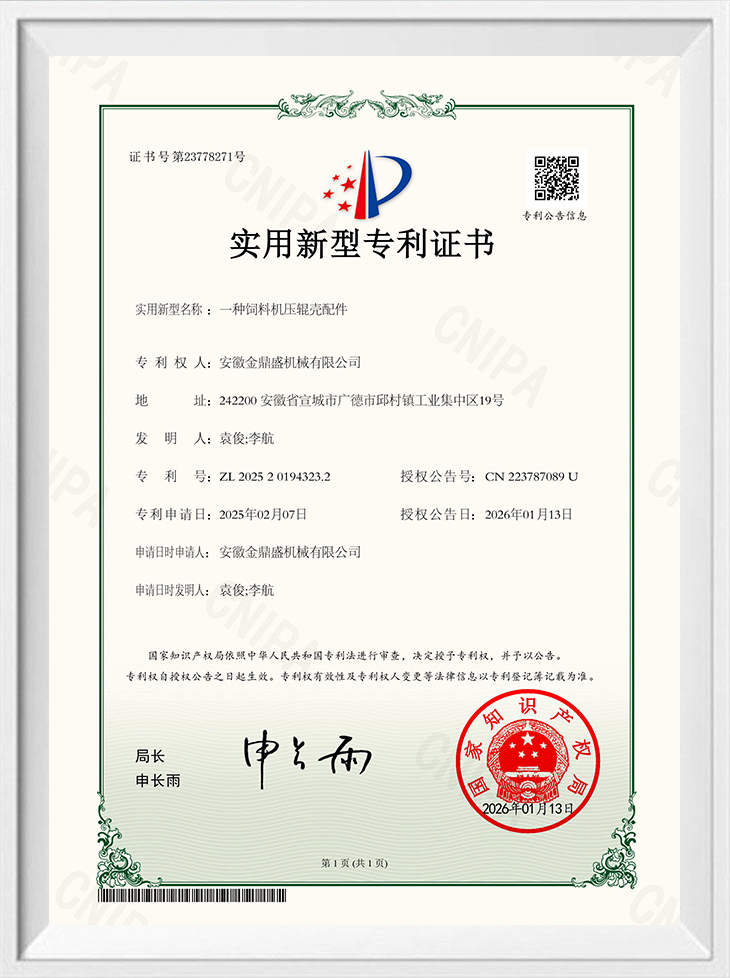
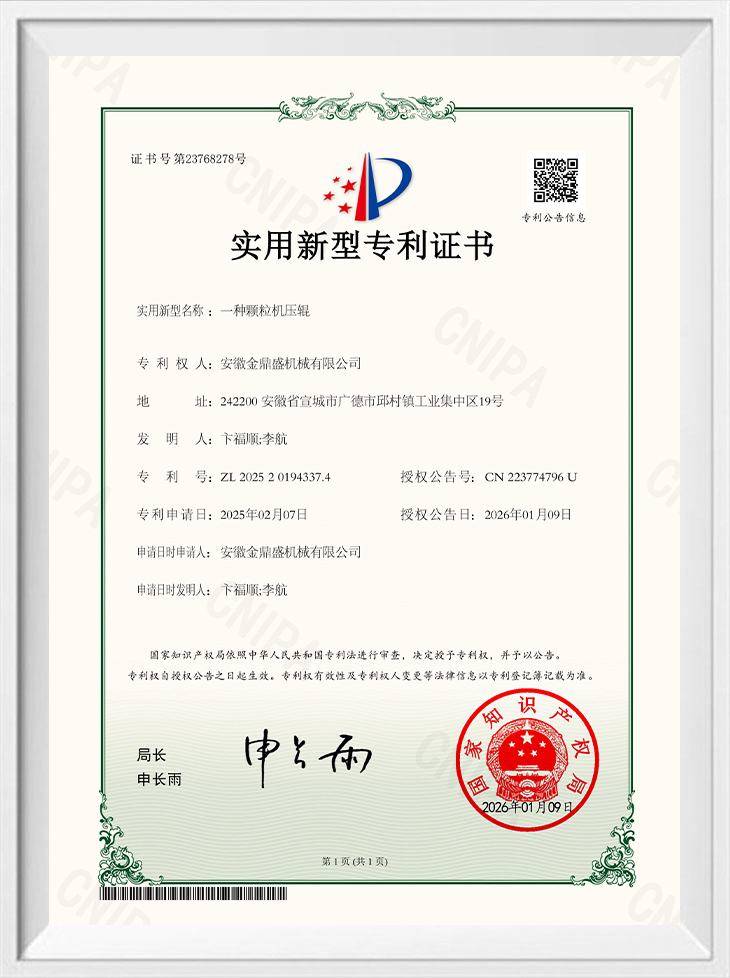
-

Advanced testing equipment
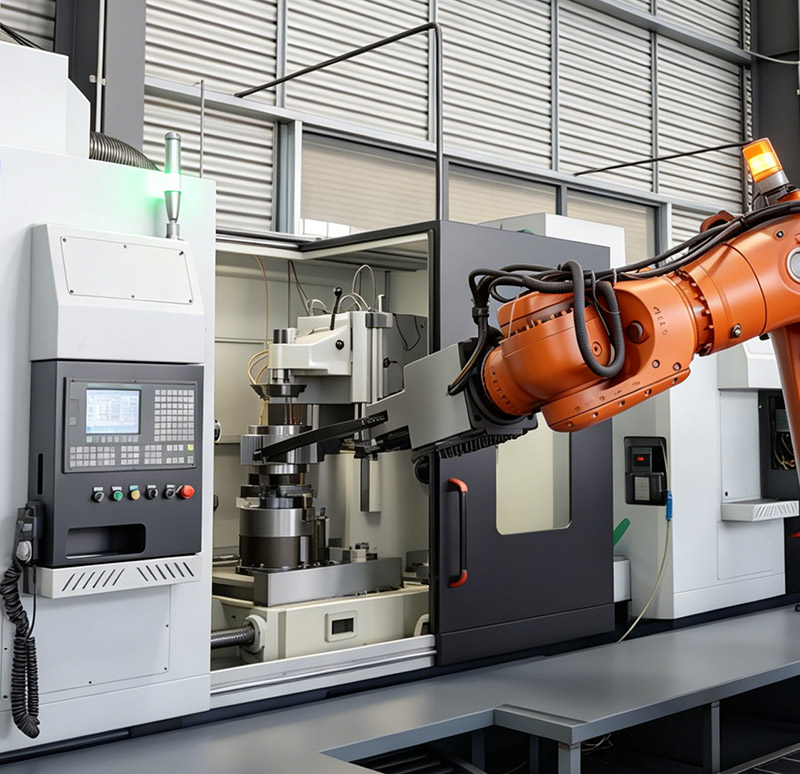
It is equipped with the most advanced production and processing equipment in China, providing strong hardware support for product manufacturing.
-

Mature technology
The company introduces advanced technology and manufacturing techniques at home and abroad, with world-leading technical and processing levels.
-

Complete variety
The company has a complete range of products, mainly including ring dies, rollers and various granulator accessories to meet diverse customer needs.
News Update
Message Feedback
Pellet Roller Shell Industry knowledge
Pellet Roller Shell: A B2B Sourcing Guide for Pellet Mill Buyers
Selecting the right pellet roller shell affects pellet quality and machine uptime as much as the ring die itself. For buyers comparing suppliers, knowing how roller shells are made and what separates a dependable factory from a risky one can prevent costly production stoppages.
What a Pellet Roller Shell Does
The roller shell is the rotating outer sleeve that presses raw material against the pressure roller assembly and ring die, extruding it into pellets. Because it stays in constant contact with abrasive feed or biomass material, the shell wears faster than most other pelleting parts, making it one of the most frequently replaced spare parts in a pellet mill.
Common Materials and Where They Fit
| Material Grade | Typical Hardness | Best Suited For |
|---|---|---|
| 20CrMnTi Alloy Steel | 58-62 HRC (case-hardened) | General feed pelleting, cost-sensitive orders |
| GCr15 / 100Cr6 Bearing Steel | 60-64 HRC | High-volume feed mills, longer service life |
| 60Si2Mn Spring Steel | 55-58 HRC | Applications needing extra toughness |
| 40Cr Alloy Steel | 52-56 HRC | Biomass and wood pellet lines |
What to Check Before Placing an Order
- Confirm the exact outer/inner diameter, width, and tooth pattern match your existing die.
- Ask for the heat treatment method, not just a hardness number on a spec sheet.
- Request material certificates or test reports for high-volume or repeat orders.
- Check whether the supplier also machines matching eccentric shafts, since mismatched tolerances between parts accelerate wear.
Replacement Cycle and Lifespan
Under normal conditions, a well-made roller shell typically lasts several months to over a year, depending on raw material abrasiveness, moisture content, and daily run hours. Buyers running multiple mill lines often keep two to three sets in rotation to avoid unplanned downtime.
Anhui Jindingsheng Machinery Co., Ltd. controls the full production process for pellet roller shells in-house, from raw material selection through forging, precision machining, and heat treatment, at its facility in Guangde, Anhui, then ships to feed mills and biomass producers across Asia, Europe, and the Americas. Buyers looking for related spare parts can browse the full granulator parts catalog alongside roller shells.
FAQ
Q: How do I know which roller shell fits my pellet mill brand?
A: Share the mill model, or the shell's outer/inner diameter, width, and tooth type; most manufacturers can cross-reference these dimensions against common brands such as CPM, Buhler, or Muyang.
Q: Is a harder roller shell always better?
A: Not necessarily. Very hard shells can become brittle under shock loads, especially with wet or inconsistent raw material, so hardness needs to be balanced against toughness for your specific application.
Q: Can roller shells be customized for non-standard dies?
A: Yes, most factories accept custom drawings covering hole pattern, corrugation type, and dimensions, though minimum order quantities may apply for fully custom tooling.

Get In Touch
Follow us
Quick Links
Contact Us
Tel: +86-13961203188
Email : ysf@jindingsheng.com.cn
Address : No. 19, Qiucun Town Industrial Concentration Zone, Guangde City, Xuancheng City, Anhui Province
Copyright © Anhui Jindingsheng Machinery Co., Ltd. All
Rights Reserved.
Wholesale
Alloy Steel Pellet Roller Shell Manufacturer
