

 English
  中文简体
中文简体  русский
  Español
  عربى
عربى 
-
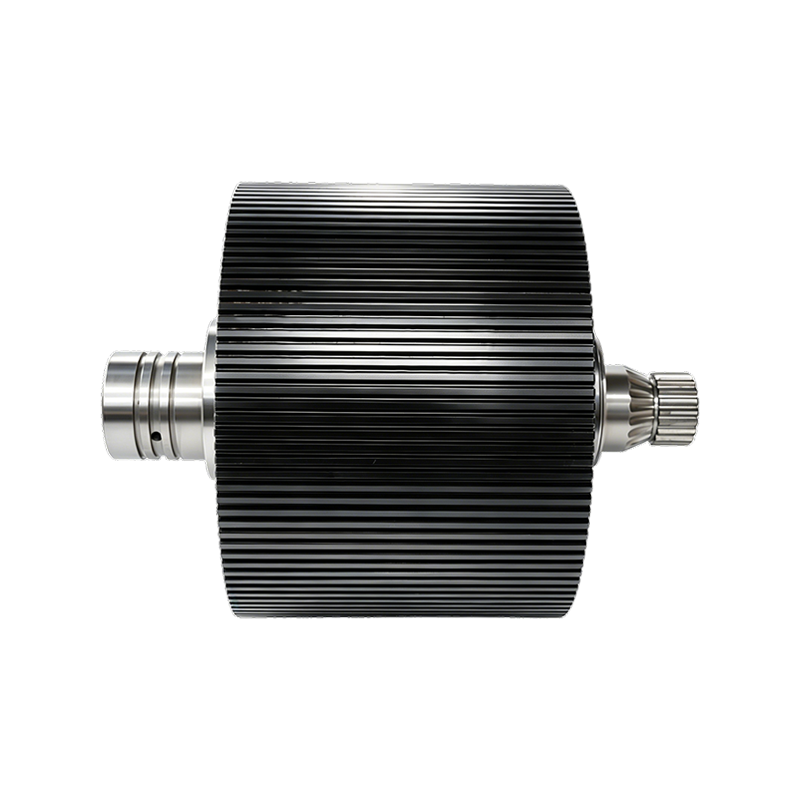
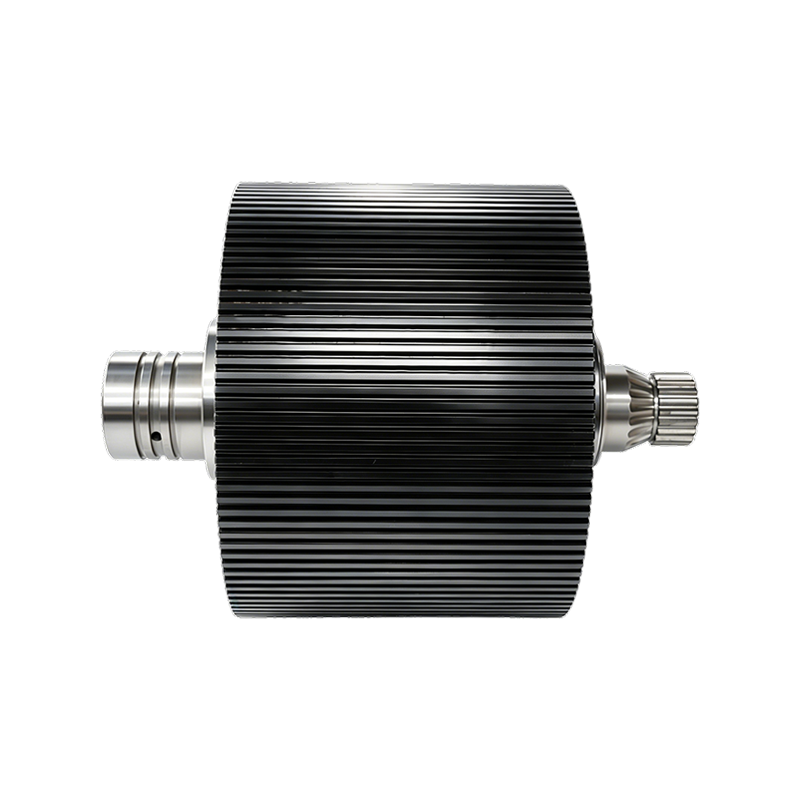
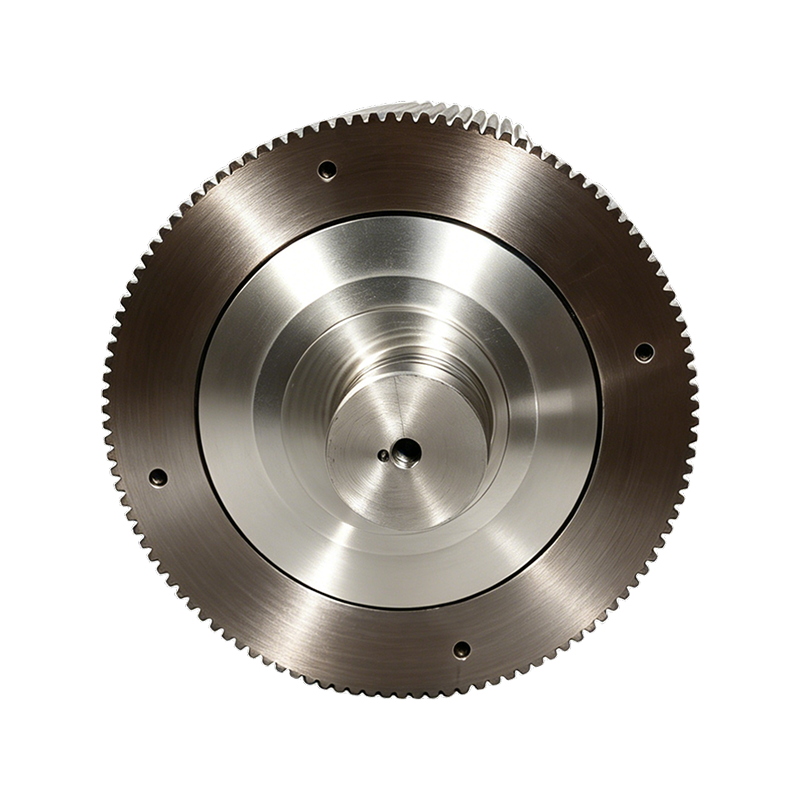
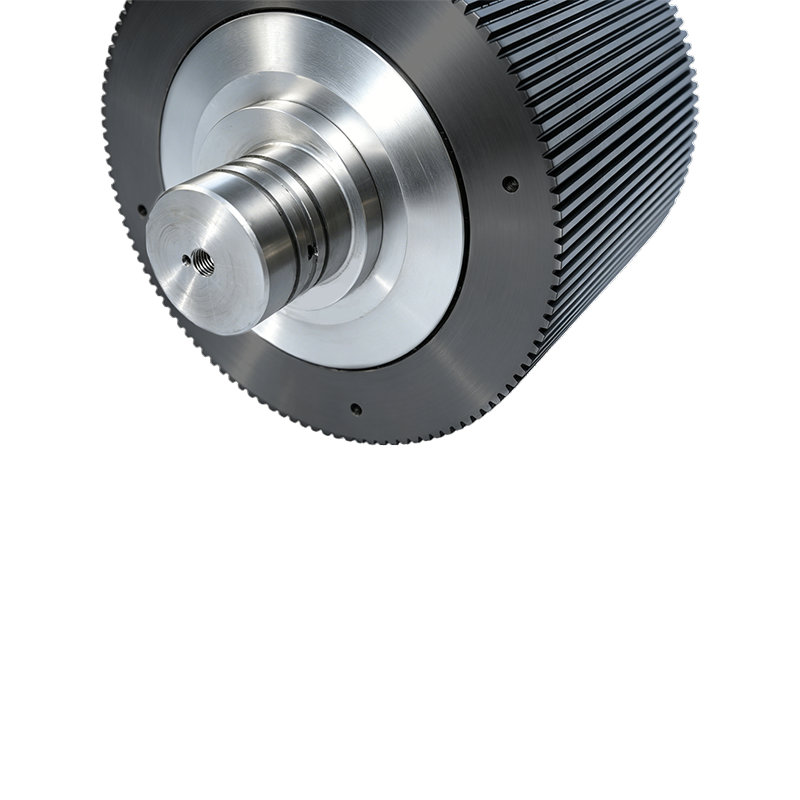
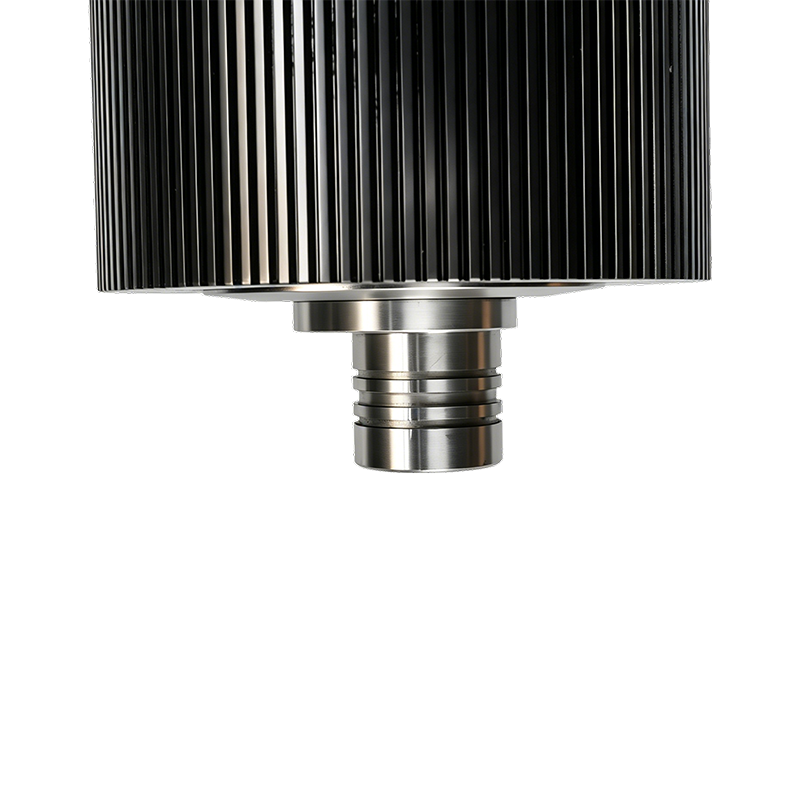
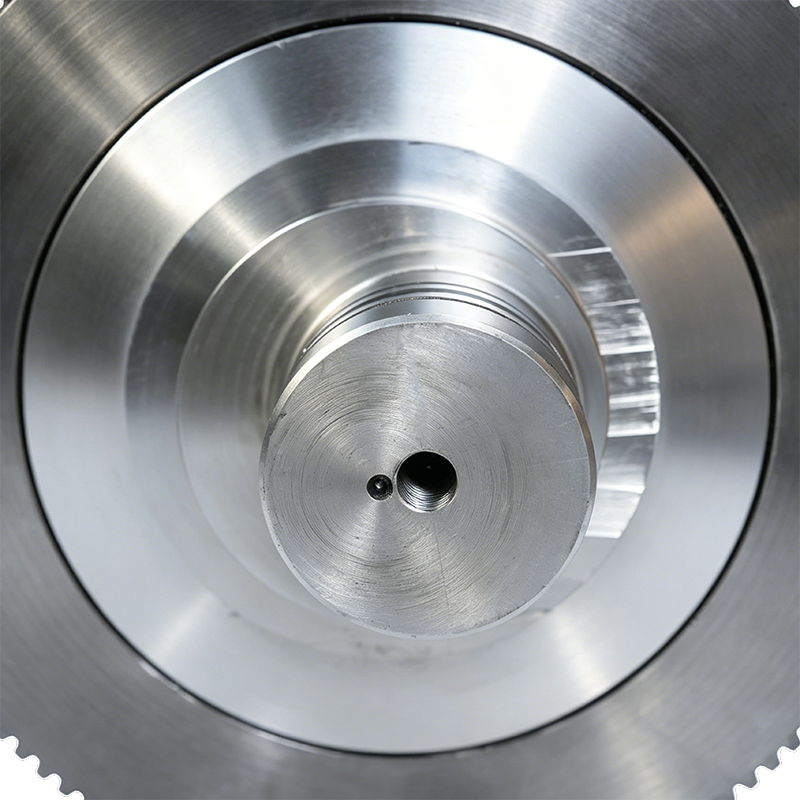
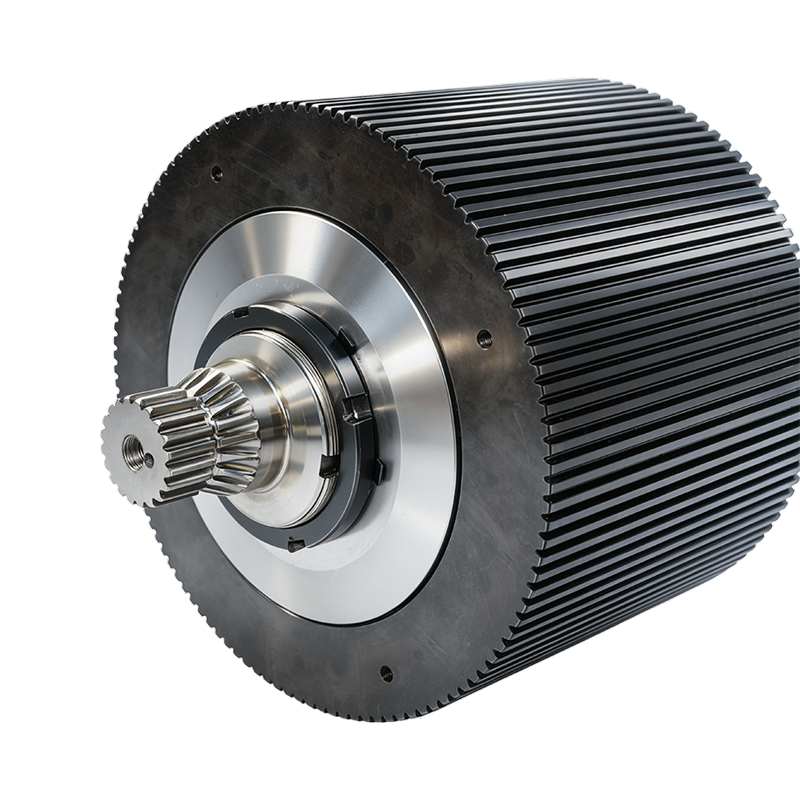
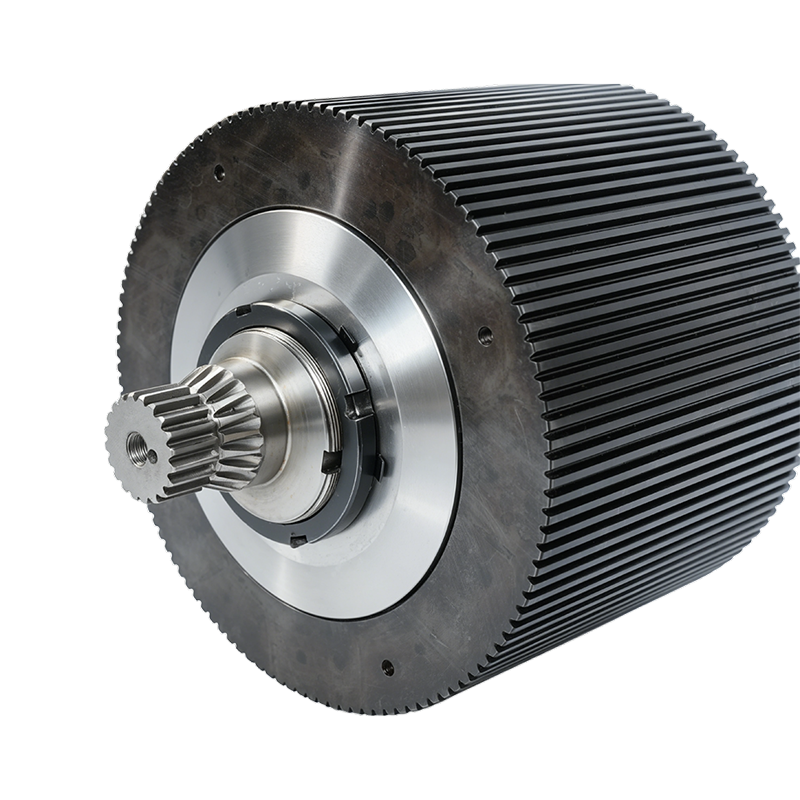
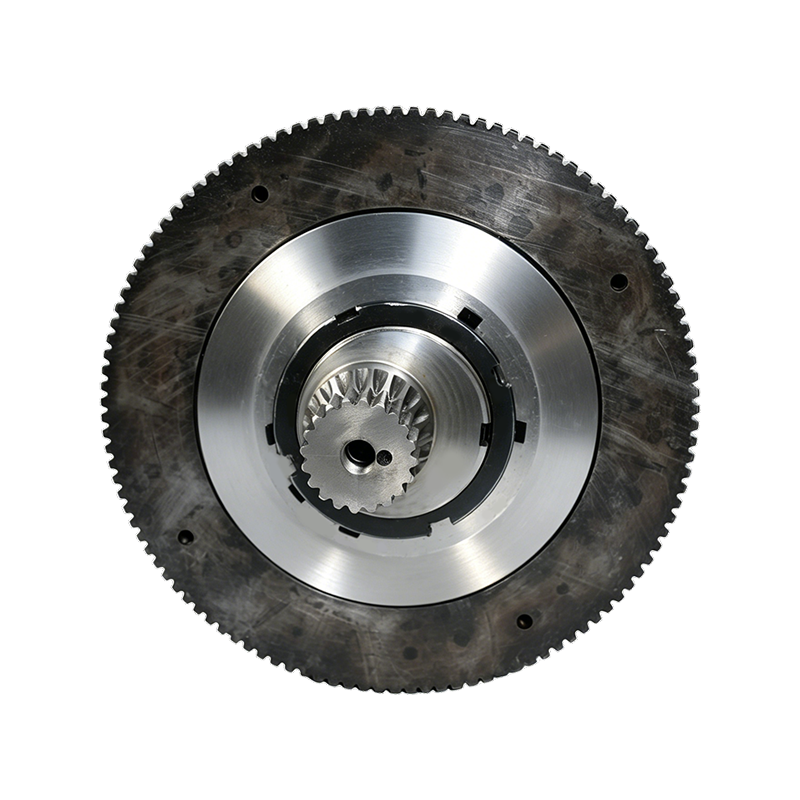
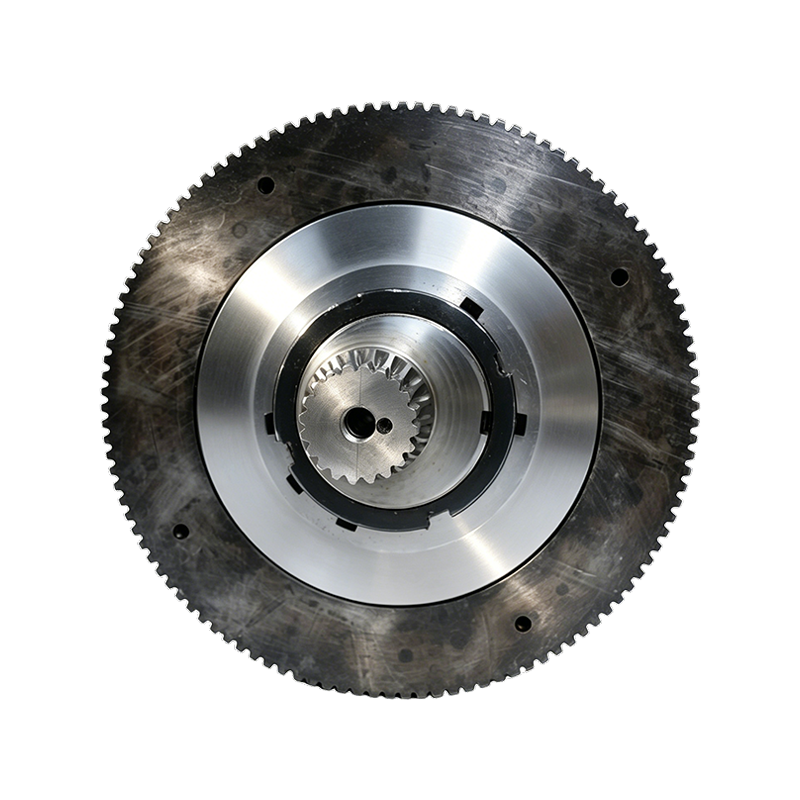
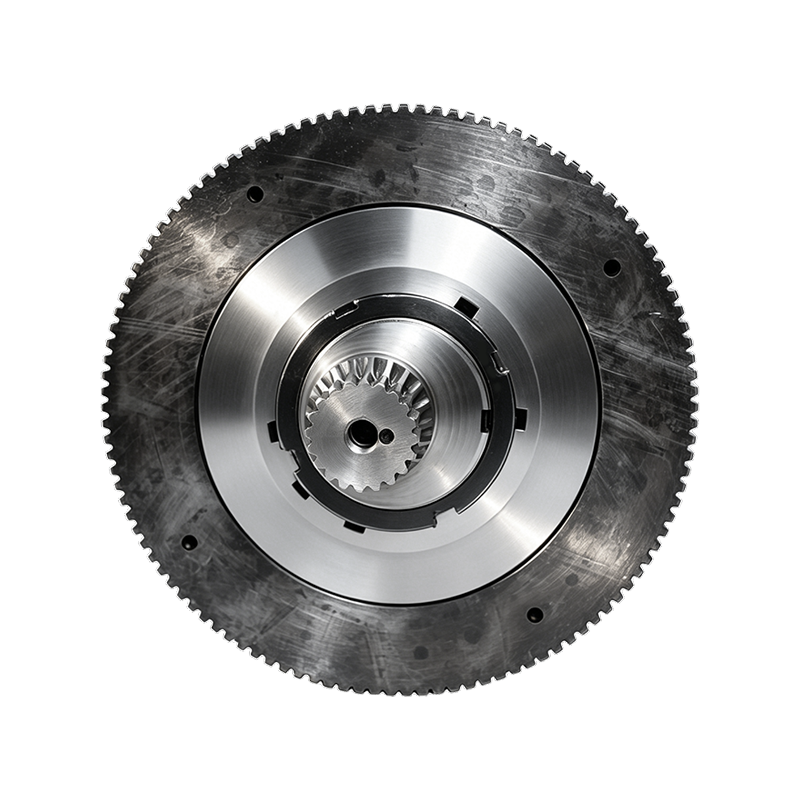
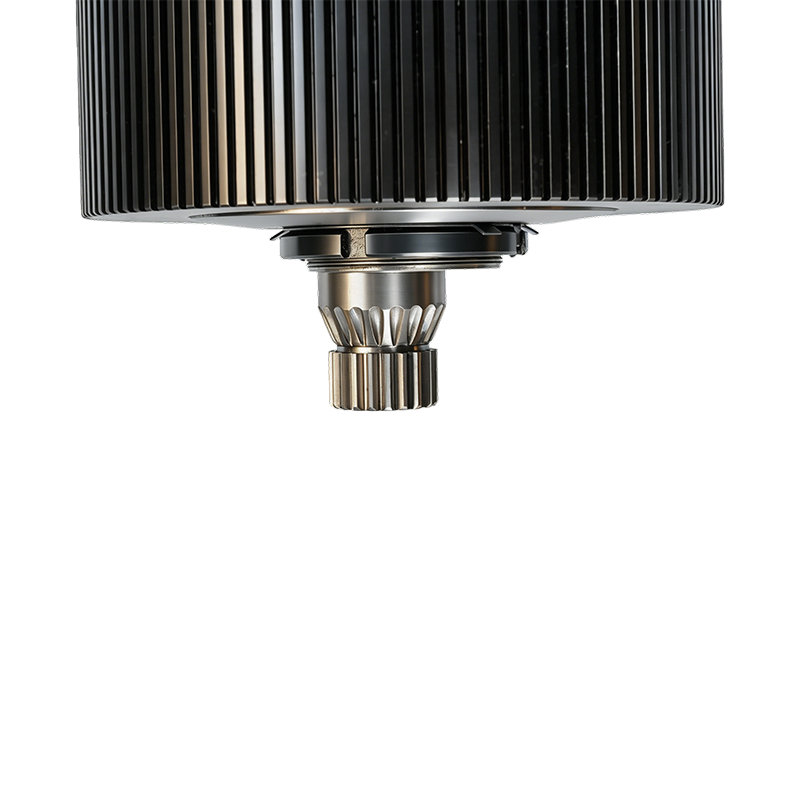
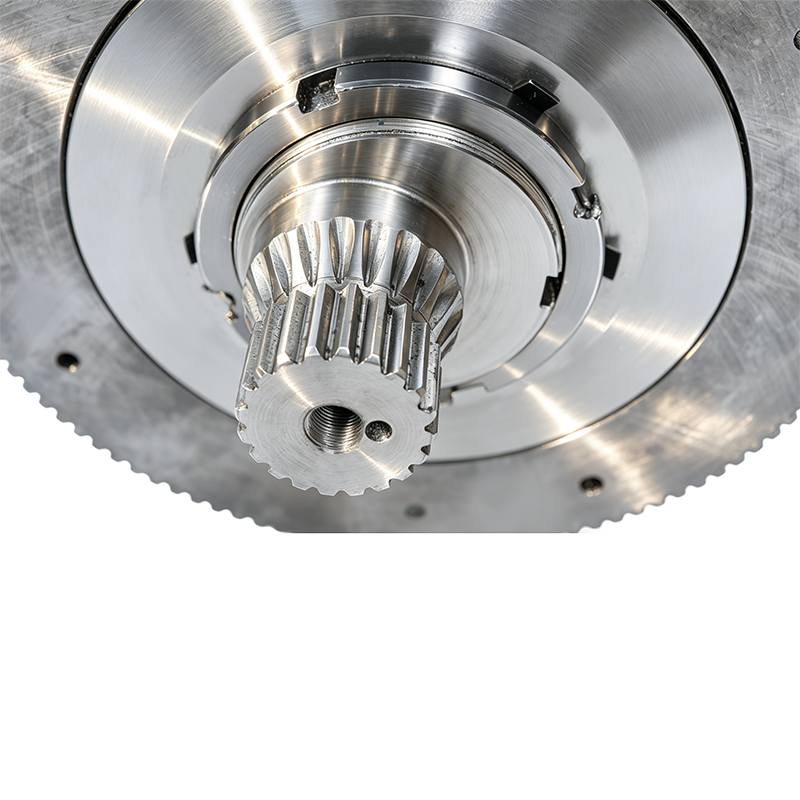
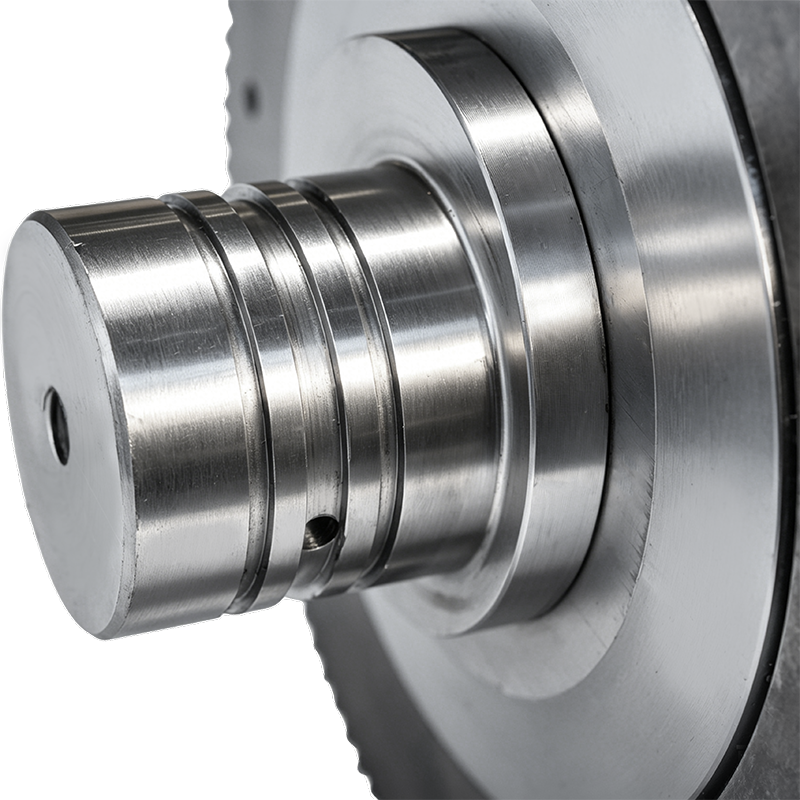 Product OverviewThe High-Productivity Pellet Mill Roller Shell Assembly is a critical component of t...View Details
Pressure Roller Assembly
Pressure Roller Assembly Manufacturer
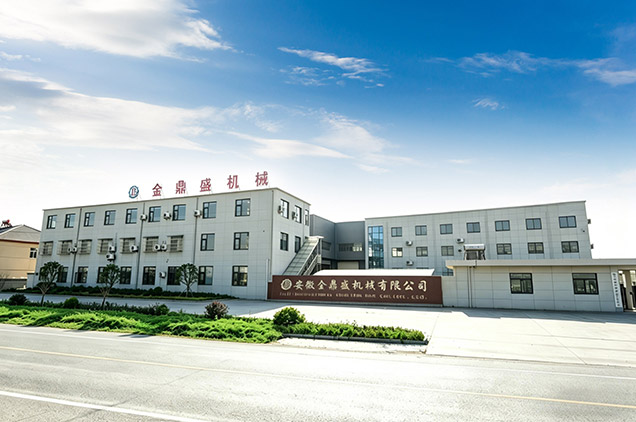
Anhui Jindingsheng Machinery Co., Ltd.
Anhui Jindingsheng Machinery Co., Ltd., located in the North District of Guangde City Economic Development Zone, Anhui Province, was established in 2022. The company covers an area of 14,509 square meters and has 97 employees. As China
Pressure Roller Assembly Manufacturer and Wholesale
Pressure Roller Assembly for Ring Die Pellet Mills Factory, With advanced technology and manufacturing technology at home and abroad, it is at the world's leading level, and is an enterprise that pursues greatness and innovation.
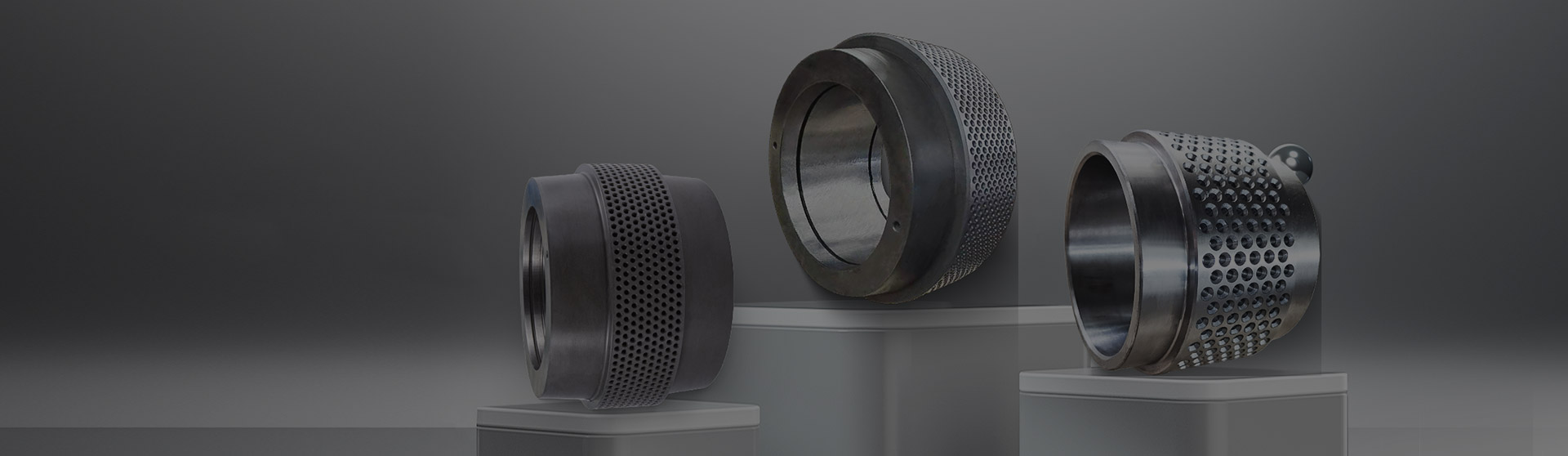
The company focuses on the core business of R&D and manufacturing of granulator ring die, rollers, and related granulator parts services. The main product types are ring die, roller, and granulator accessories. It has the most advanced equipment and more complete service enterprise in China. The company's products are exported to many foreign countries: The United States, Japan, South Korea, Vietnam, France, Bangladesh, Russia, India, the Philippines, and European countries. The company strictly controls all processes from raw materials to forging, finishing, and heat treatment. It is the one-stop service center company in China.
Anhui Jindingsheng Machinery Co., Ltd., in line with the production concept of "refinement", uses stable and reliable quality to create your long-term development.
Friends from all walks of life are welcome to visit, guide, and negotiate business.
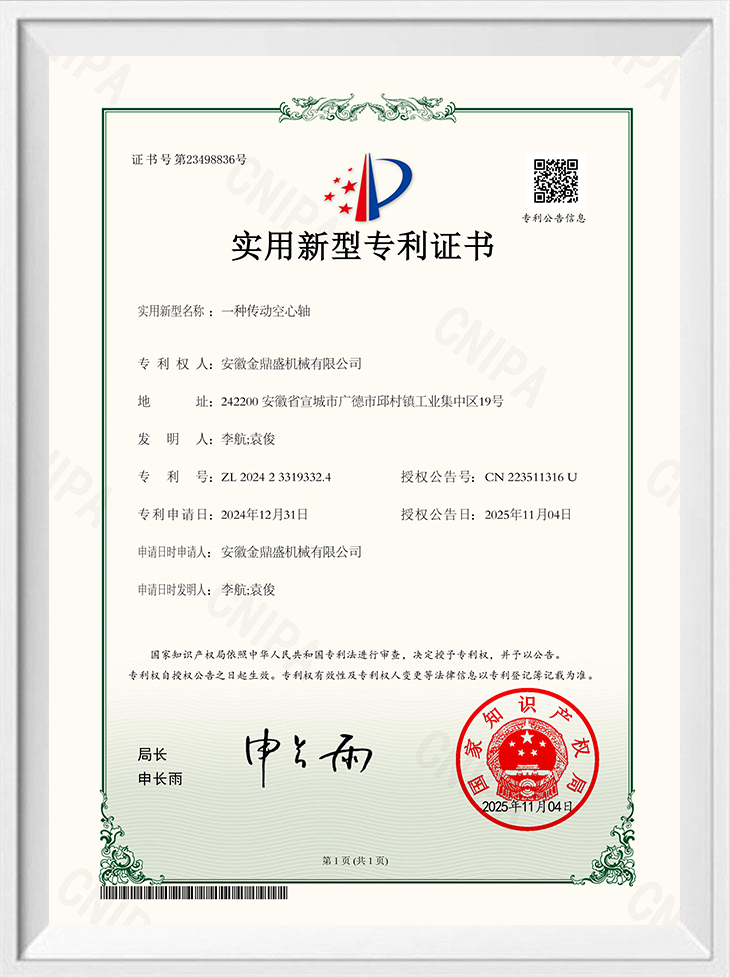
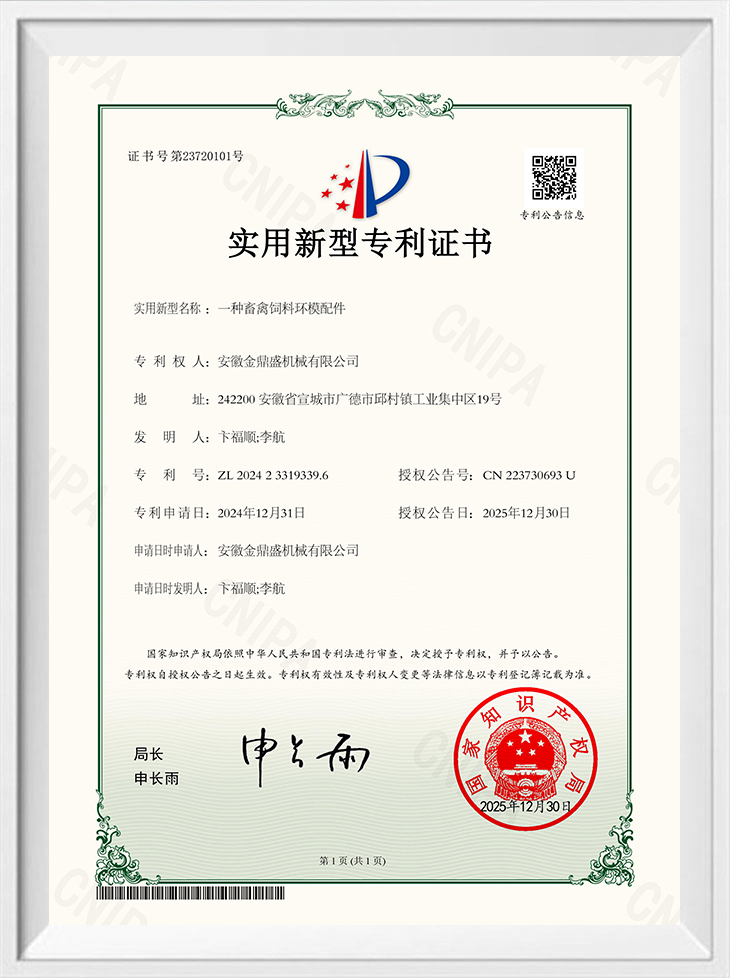
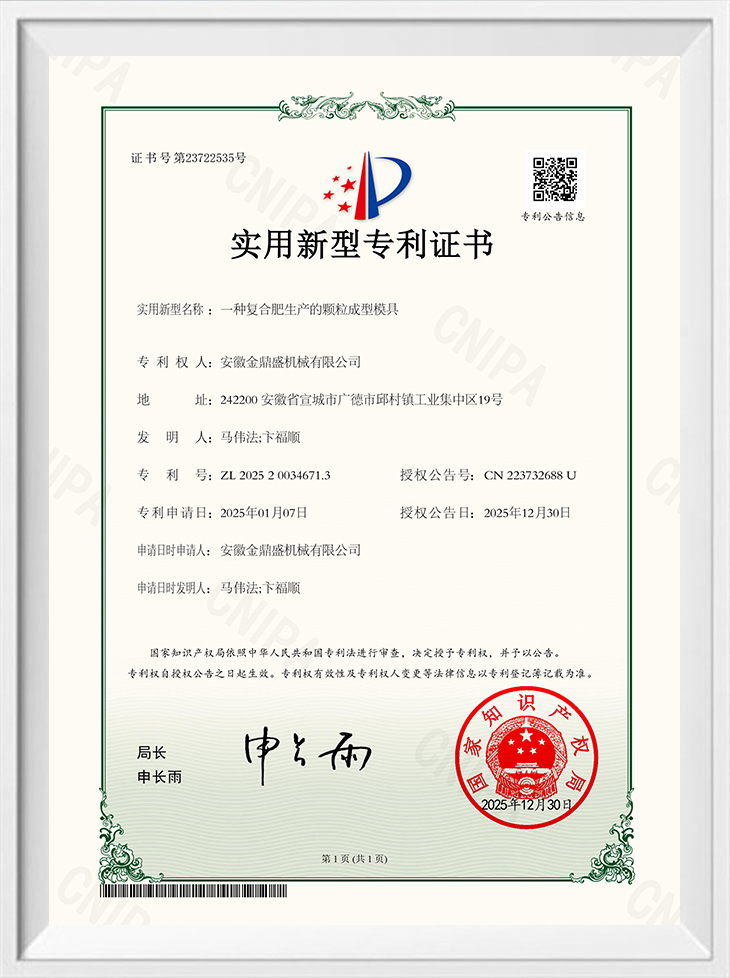
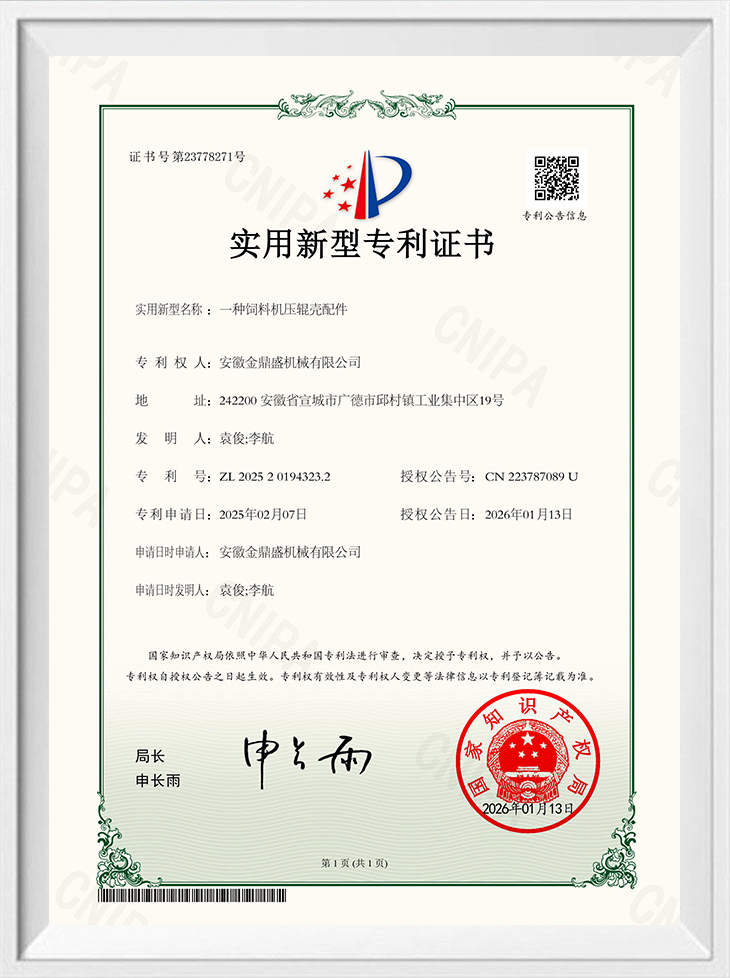
Certificate Of Honour
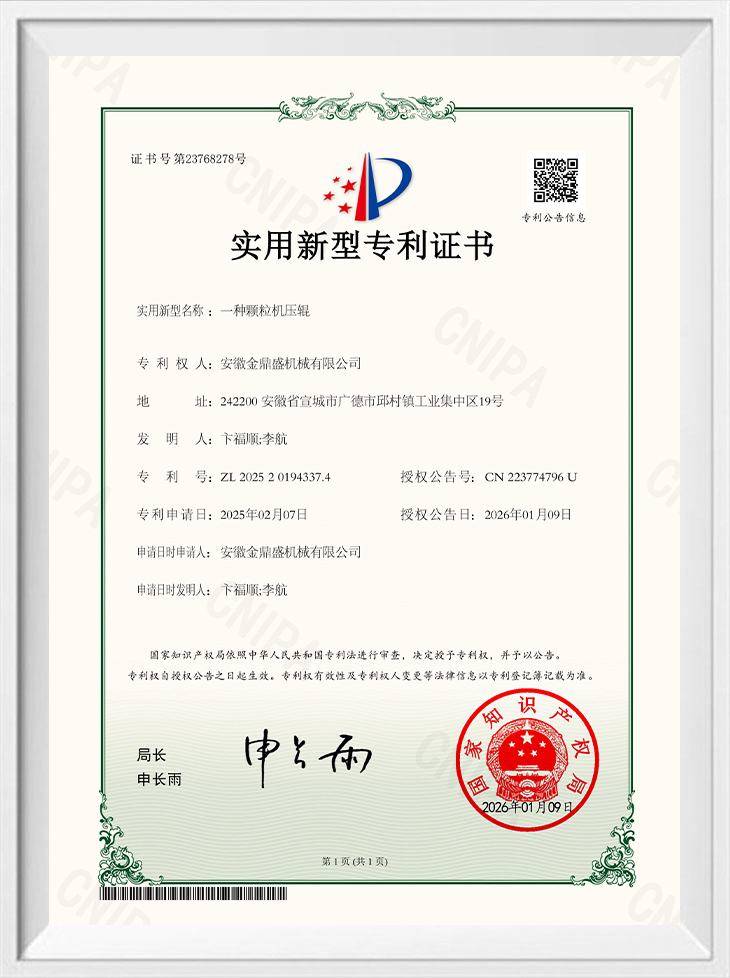
-

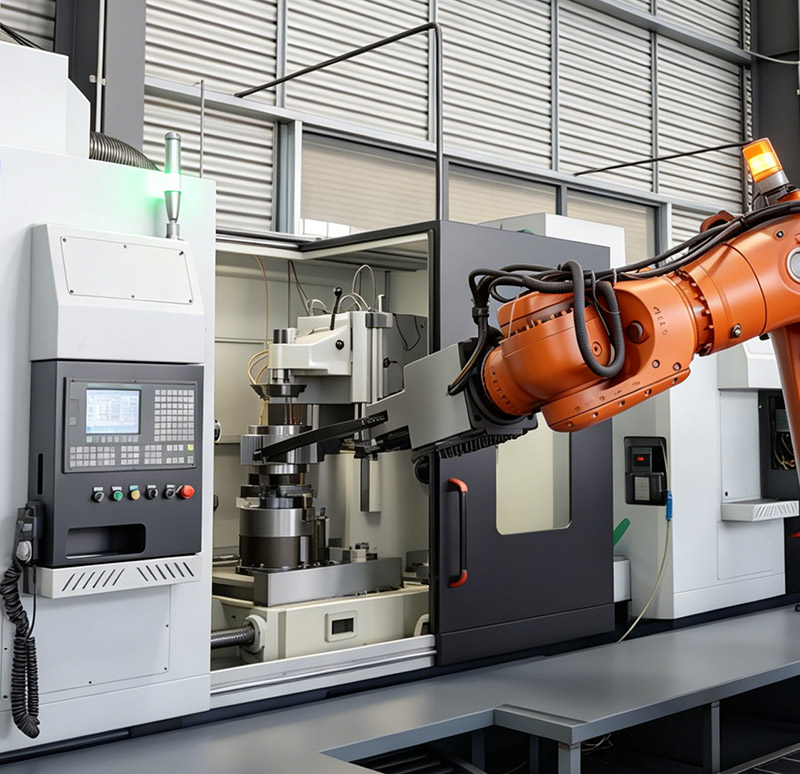
Advanced testing equipment
It is equipped with the most advanced production and processing equipment in China, providing strong hardware support for product manufacturing.
-

Mature technology
The company introduces advanced technology and manufacturing techniques at home and abroad, with world-leading technical and processing levels.
-

Complete variety
The company has a complete range of products, mainly including ring dies, rollers and various granulator accessories to meet diverse customer needs.
News Update
Message Feedback
Pressure Roller Assembly Industry knowledge
Pressure Roller Assembly: A B2B Sourcing Guide for Pellet Mill Buyers
A pressure roller assembly is more than a single part - it is a matched set of components working together under constant pressure and vibration. Buyers who source the assembly as a coordinated unit, rather than mixing parts from different suppliers, tend to see fewer bearing failures and longer intervals between rebuilds.
What a Pressure Roller Assembly Does
Inside a ring die pellet mill, the pressure roller assembly rotates against the inner wall of the die, forcing conditioned material through the die holes to form pellets. The assembly carries the full compression load of the process, so every component in it - the shaft, bearings, seals, and outer pellet roller shell - has to hold tight tolerances or the whole unit runs hot and wears unevenly.
Core Components in a Typical Assembly
| Component | Function |
|---|---|
| Roller Shell | Outer contact surface that compresses raw material against the ring die |
| Eccentric Shaft | Sets roller-to-die gap and carries the rotating load |
| Bearings | Support radial and axial loads while allowing smooth rotation |
| Bearing Gland / End Cover | Locks bearings in place and seals the housing |
| Oil Slinger and Spacer | Keeps lubricant inside the housing and away from the die chamber |
Why Matched Tolerances Matter More Than Price
- A shaft machined slightly undersize can let a bearing spin in its seat, generating heat that shortens bearing life within weeks.
- Mismatched internal components, such as an oil slinger that does not seat correctly, allow lubricant to leak into the pelleting chamber and contaminate the product.
- Sourcing the full assembly from one factory means the roller shell, shaft, and bearing housing are toleranced to work together, instead of being reconciled on-site by your maintenance team.
- Ask for the running clearance range between roller shell and die, since this figure affects both pellet quality and how fast the shell wears.
How Many Assemblies Does a Mill Need?
Most ring die pellet mills run two or three pressure roller assemblies per die, spaced evenly around the ring to balance the load. Buyers replacing a full set usually source all rollers together rather than one at a time, since rollers of different wear levels running on the same die can cause the die itself to wear unevenly.
Anhui Jindingsheng Machinery Co., Ltd. machines and assembles pressure roller components under one roof at its facility in Guangde, Anhui, so shafts, bearings, and shells built for the same order are toleranced as a set rather than sourced separately. The factory supplies both complete assemblies and individual replacement parts to feed mill and biomass producers across Asia, Europe, and the Americas, with wholesale pricing available for repeat B2B orders.
FAQ
Q: Should I buy a complete assembly or individual parts?
A: If you are replacing worn bearings or seals only, individual parts are fine as long as they match your existing shaft and housing dimensions exactly. For a full rebuild or a new mill line, a complete assembly avoids tolerance mismatches between parts sourced from different suppliers.
Q: What bearing type is normally used in a pressure roller assembly?
A: Most assemblies use deep groove ball bearings or cylindrical roller bearings depending on the load and speed of the mill; your supplier should confirm the bearing type against your machine's rated capacity rather than substituting a generic size.
Q: Can a pressure roller assembly be rebuilt instead of replaced?
A: Yes, in many cases the eccentric shaft and housing can be reused if they pass inspection, while only the roller shell, bearings, and seals are replaced, which lowers cost compared to a full new assembly.
Q: How do I know if an assembly is compatible with my mill brand?
A: Provide the mill model or the assembly's shaft diameter, roller width, and mounting dimensions; suppliers with cross-reference experience can typically match these to major brands without needing your original OEM part number.

Get In Touch
Follow us
Quick Links
Contact Us
Tel: +86-13961203188
Email : ysf@jindingsheng.com.cn
Address : No. 19, Qiucun Town Industrial Concentration Zone, Guangde City, Xuancheng City, Anhui Province
Copyright © Anhui Jindingsheng Machinery Co., Ltd. All
Rights Reserved.
Wholesale
Pressure Roller Assembly Manufacturer
