English
  中文简体
中文简体  русский
  Español
  عربى
عربى 
-
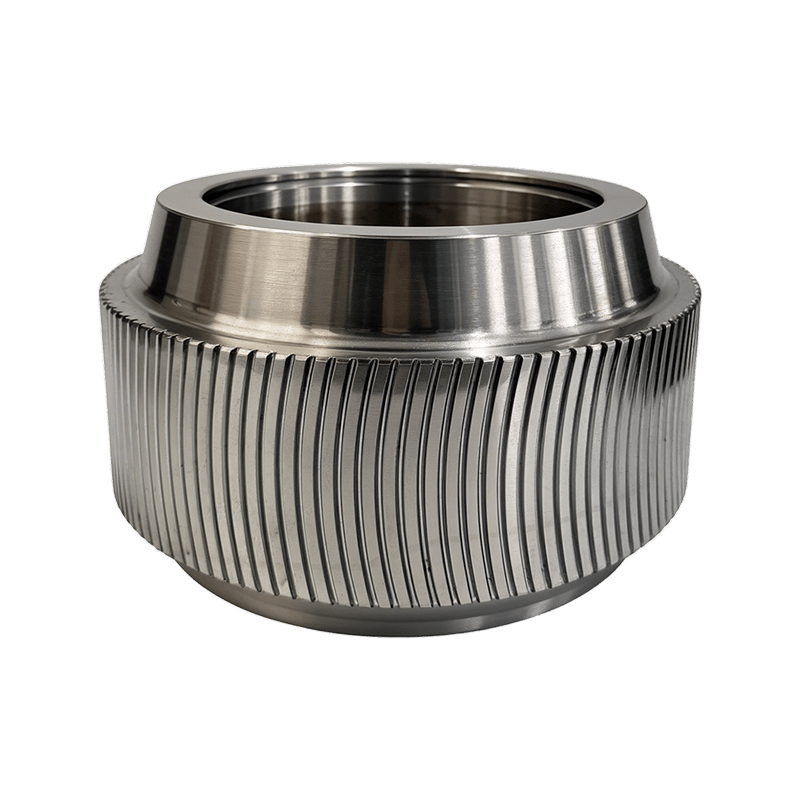 Product Overview The Arc Tooth Roller Shell is a key wearing part of the ring die pellet mill. It wo...View Details
 -
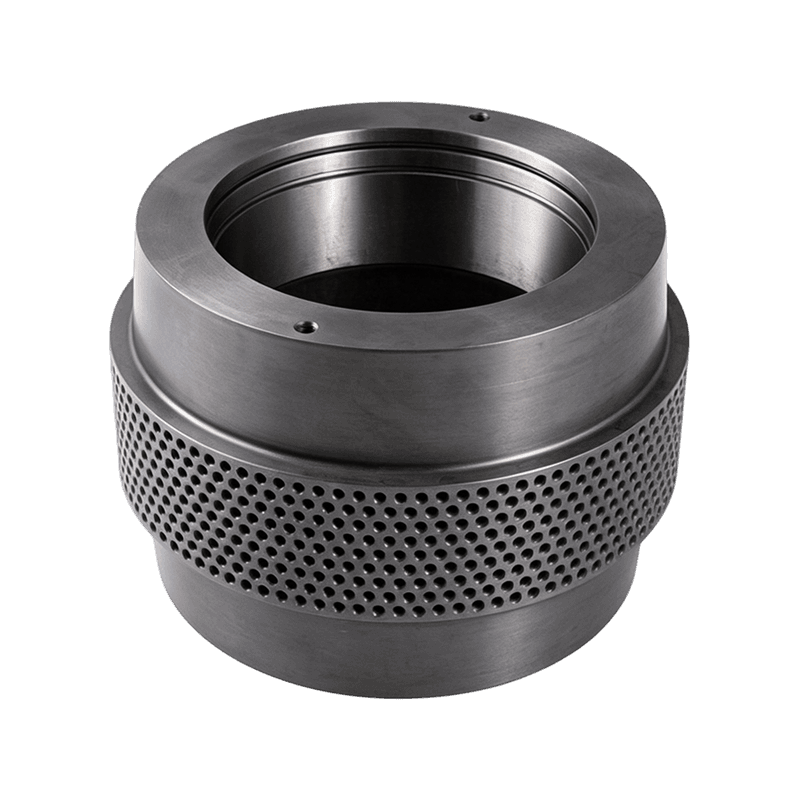 Product Overview A high-strength, wear-resistant pressure roller component manufactured from top-qua...View Details
 -
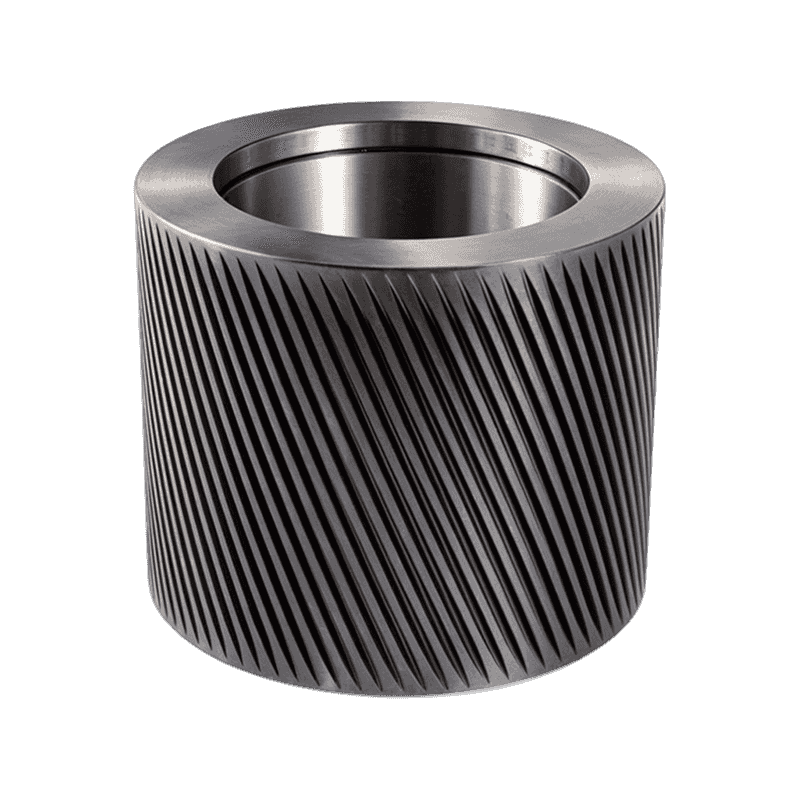
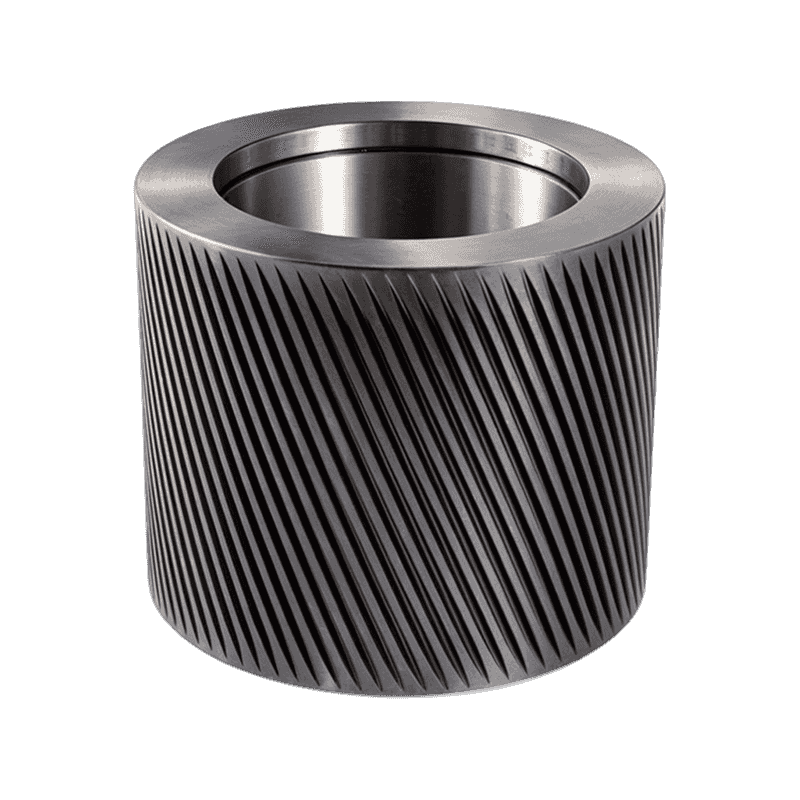 Product Overview Specialized high-performance rollers crafted from GCr15 or 100Cr6 bearing steel, en...View Details
 -
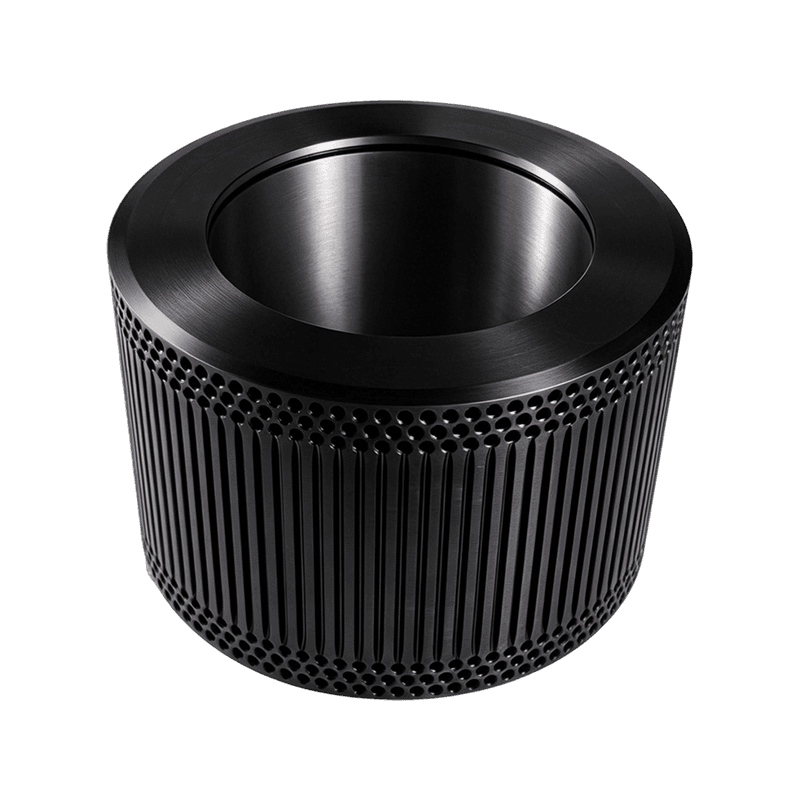
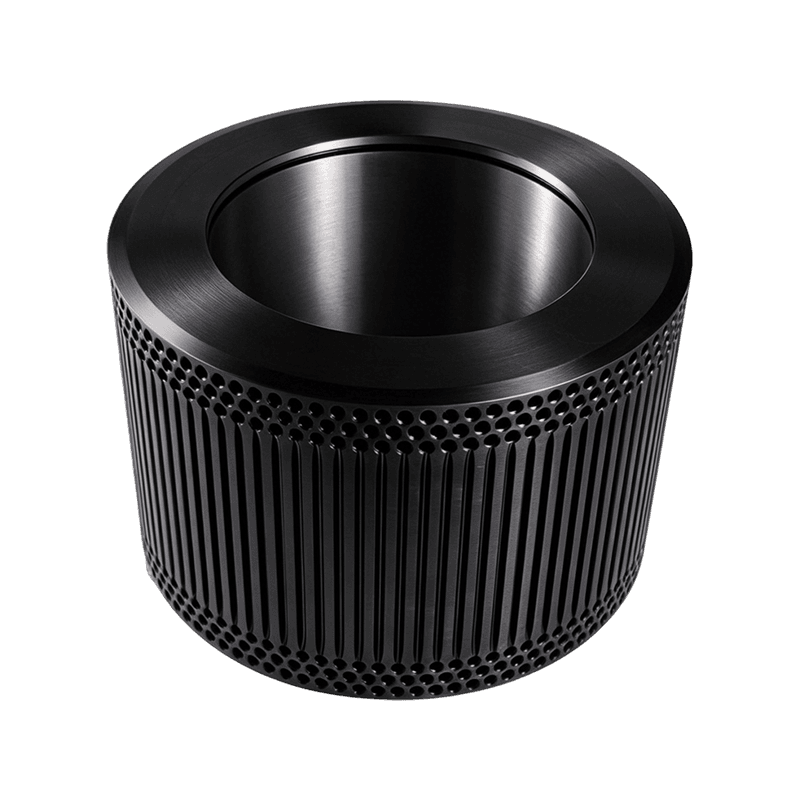 Product Overview A resilient pressure roller shell made from 60Si2Mn spring steel, designed for pell...View Details
 -
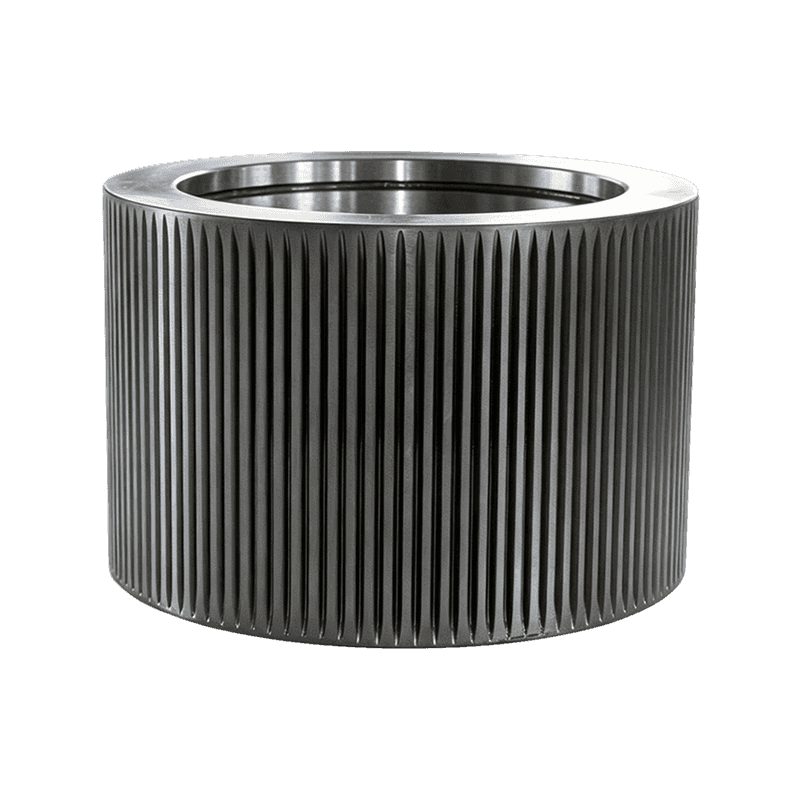
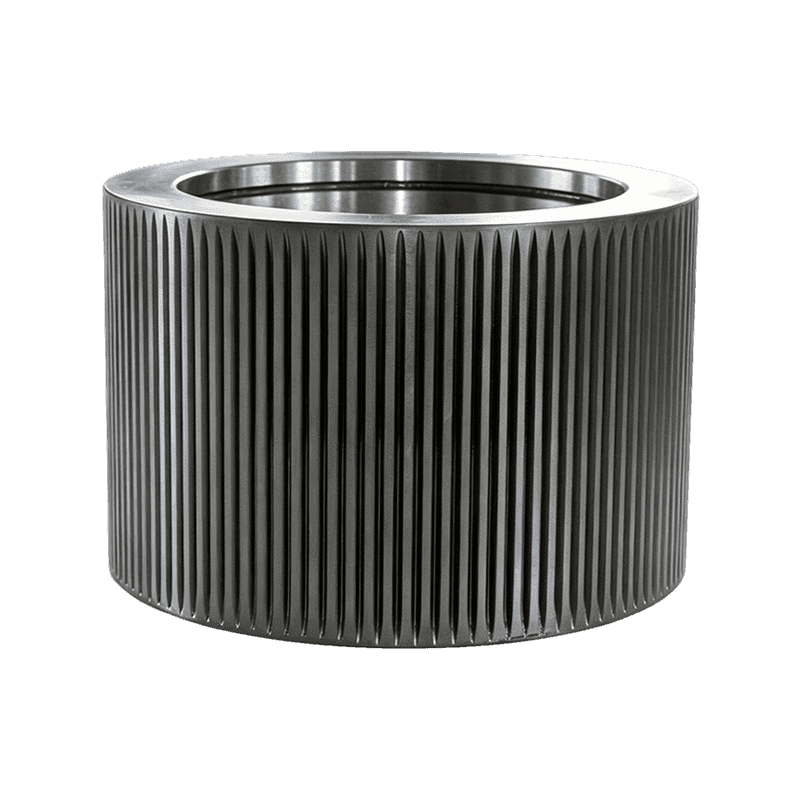 Product Overview A widely used and versatile alloy steel pressure roller, serving as a primary work...View Details
 -
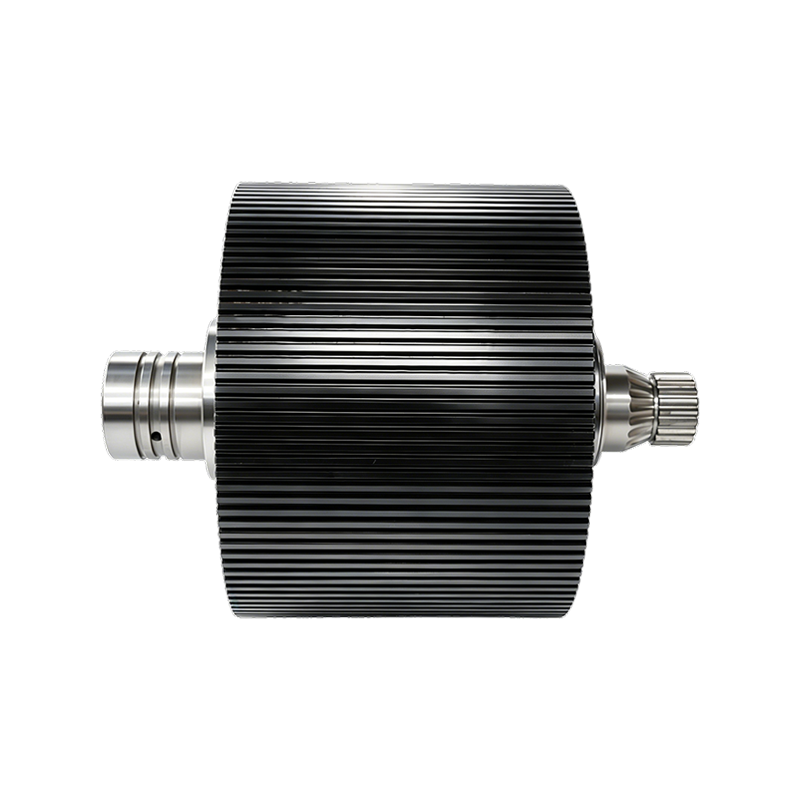
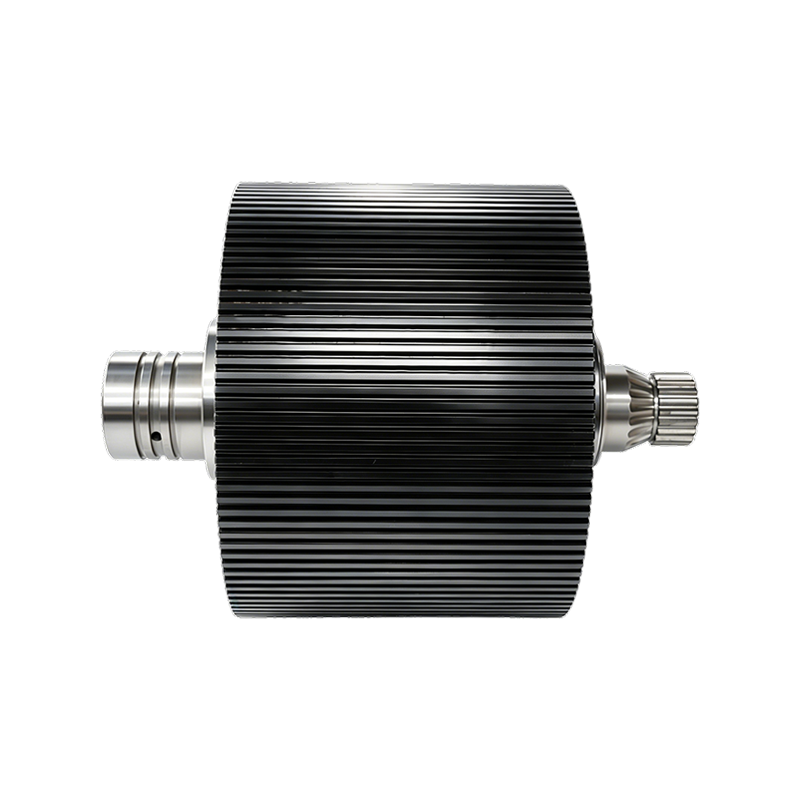
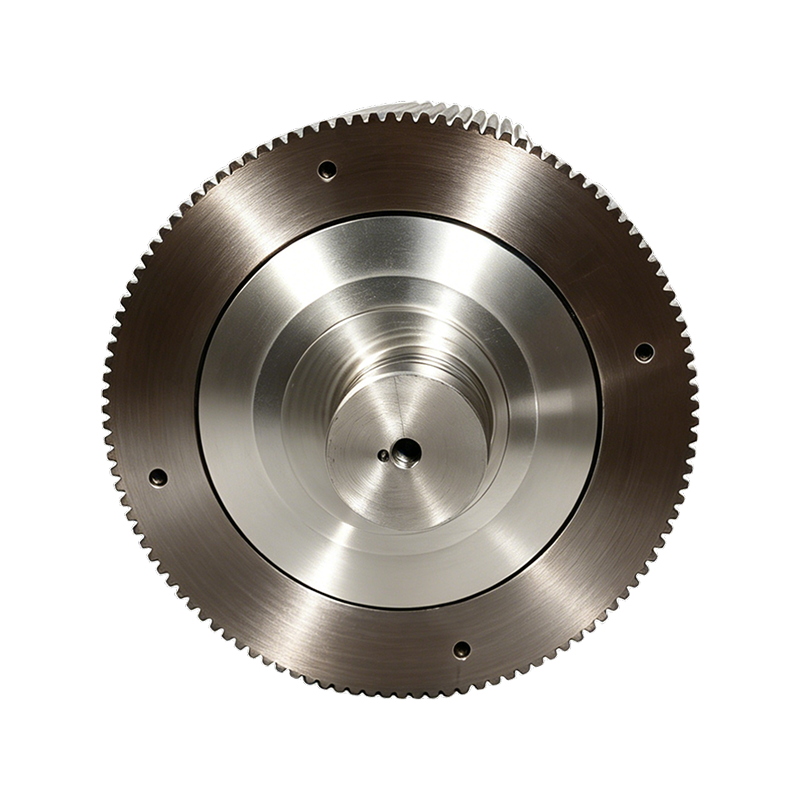
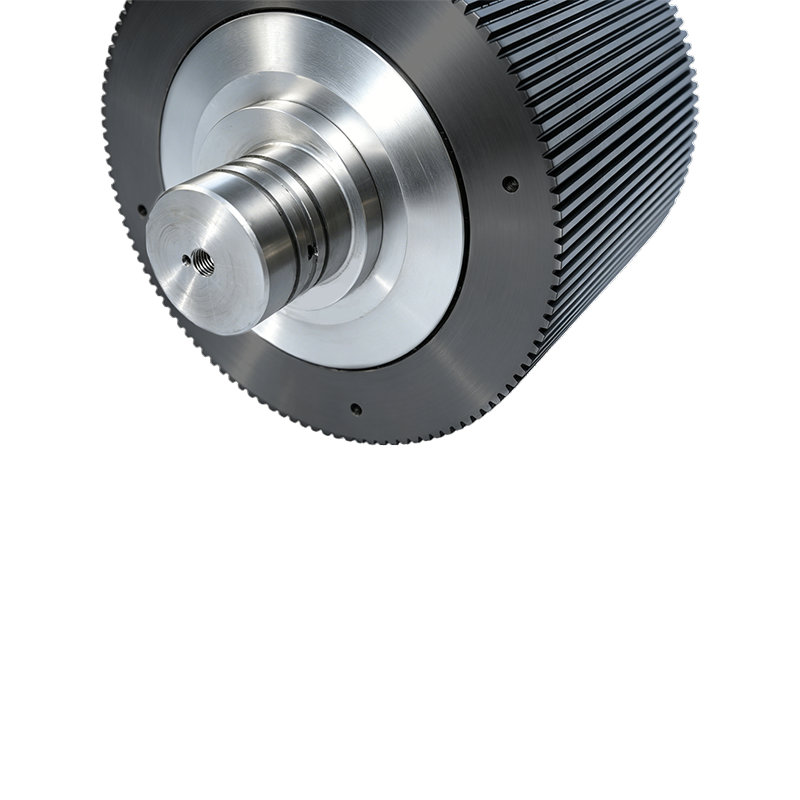
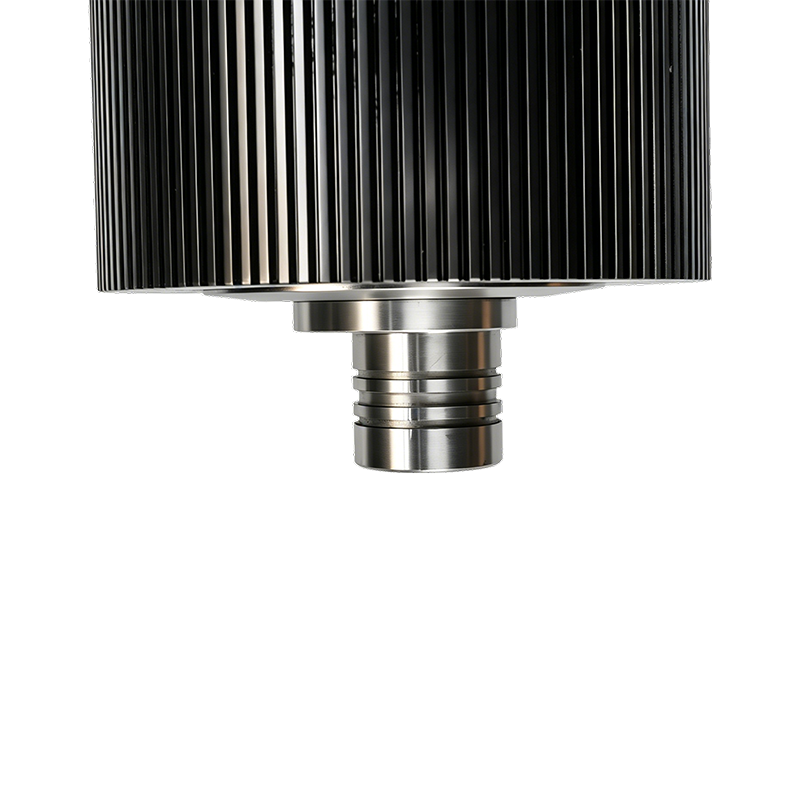
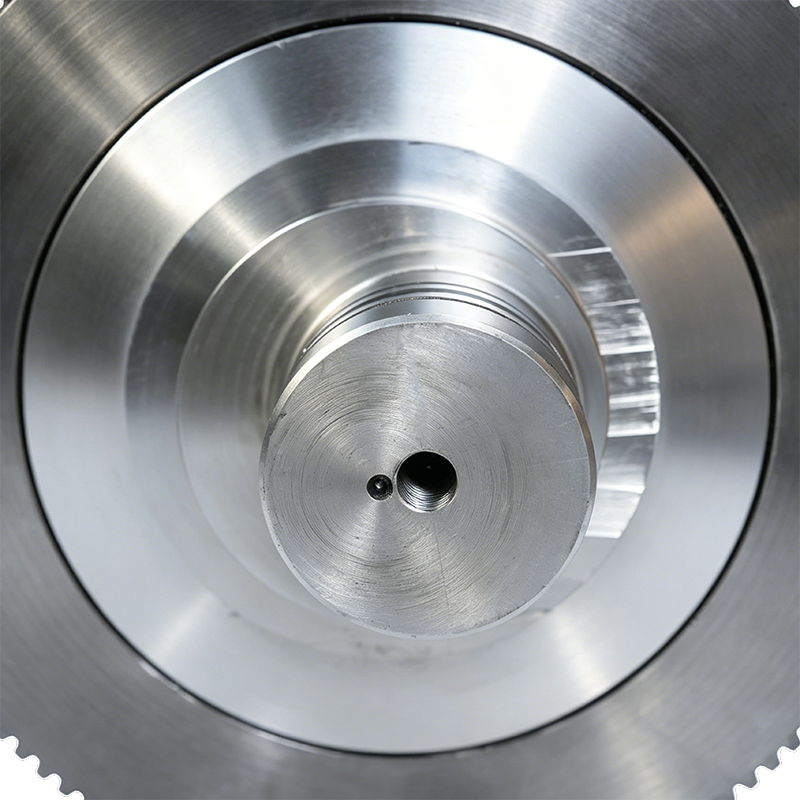
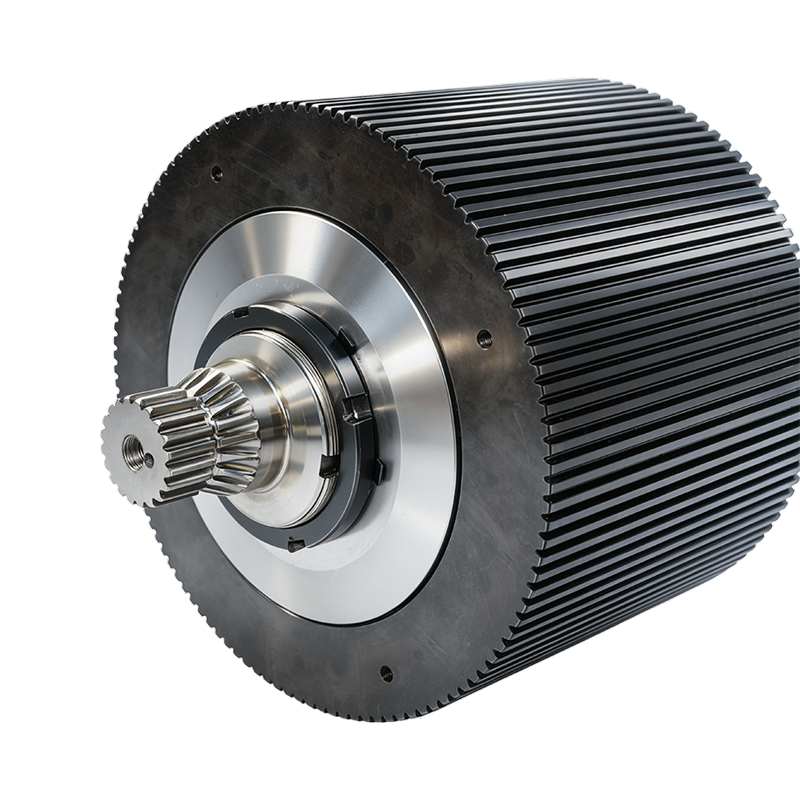
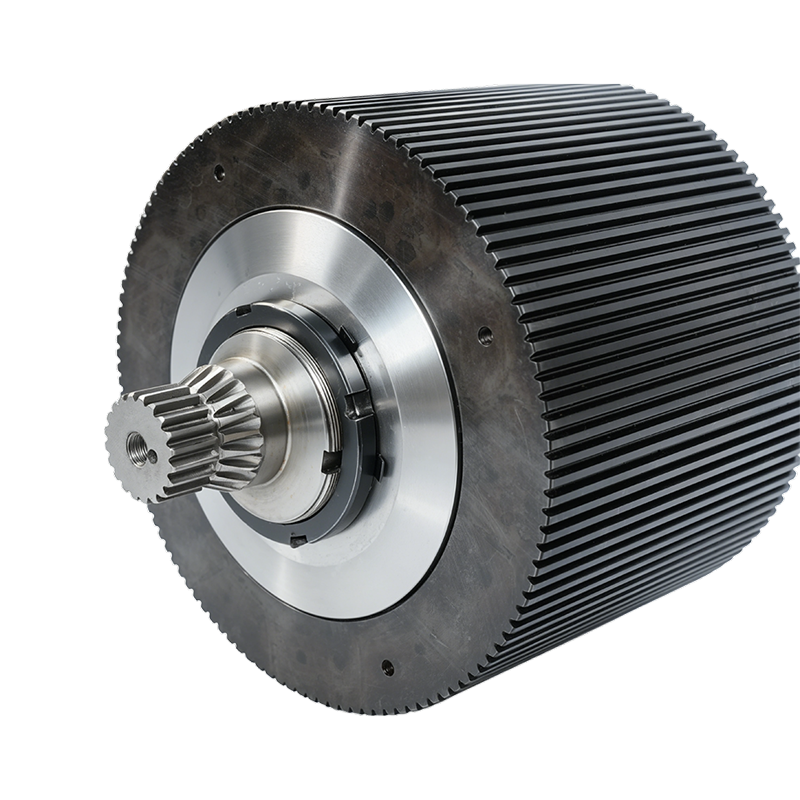
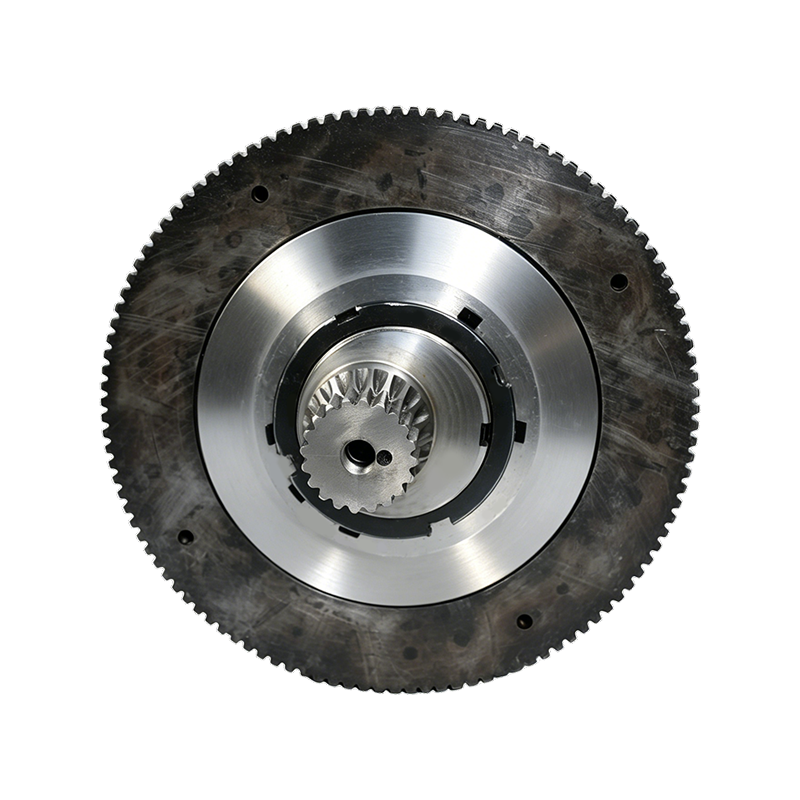
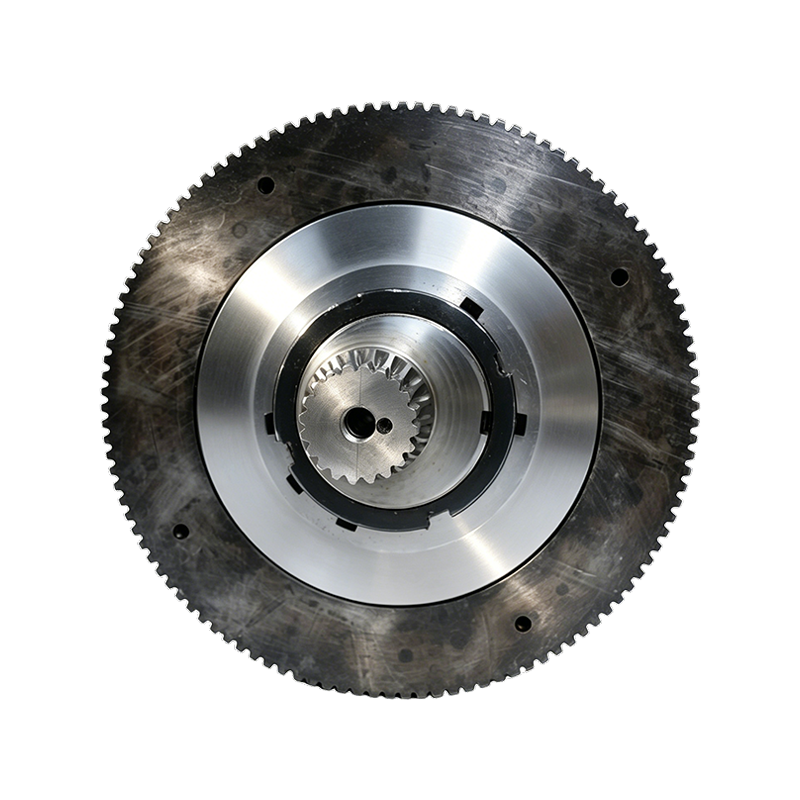
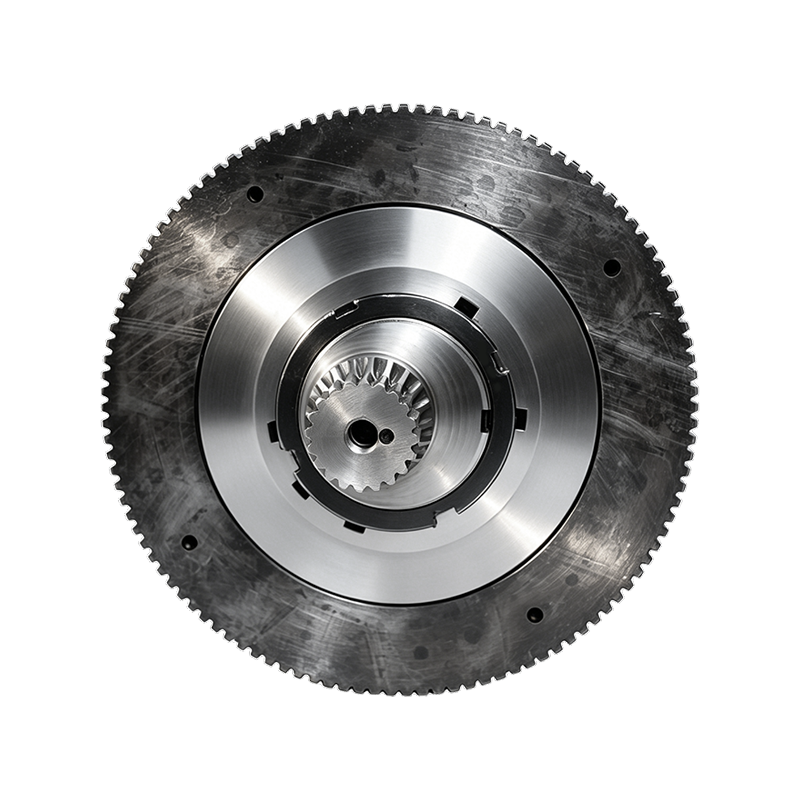
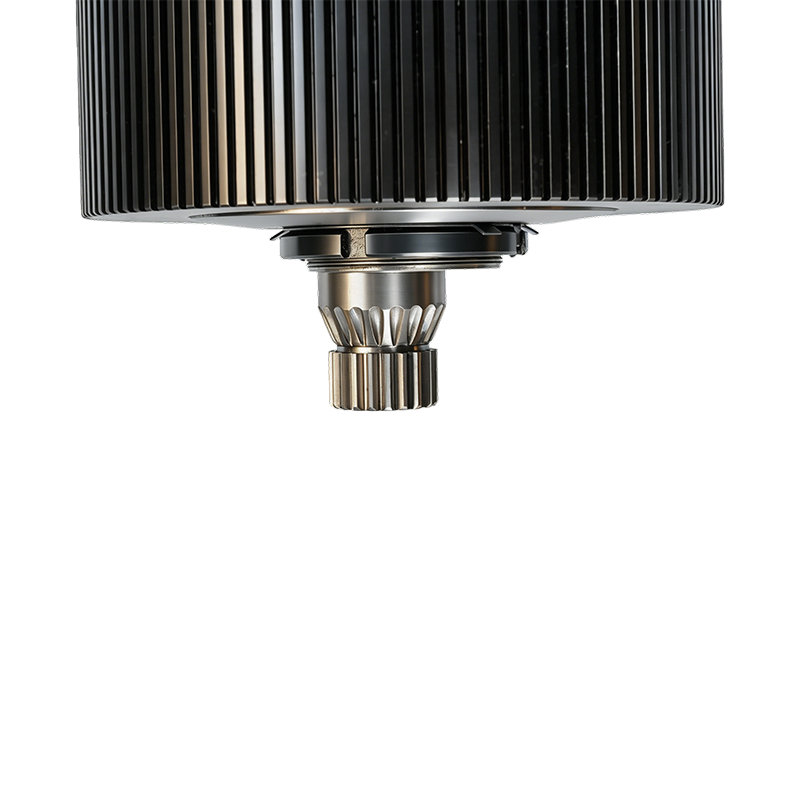
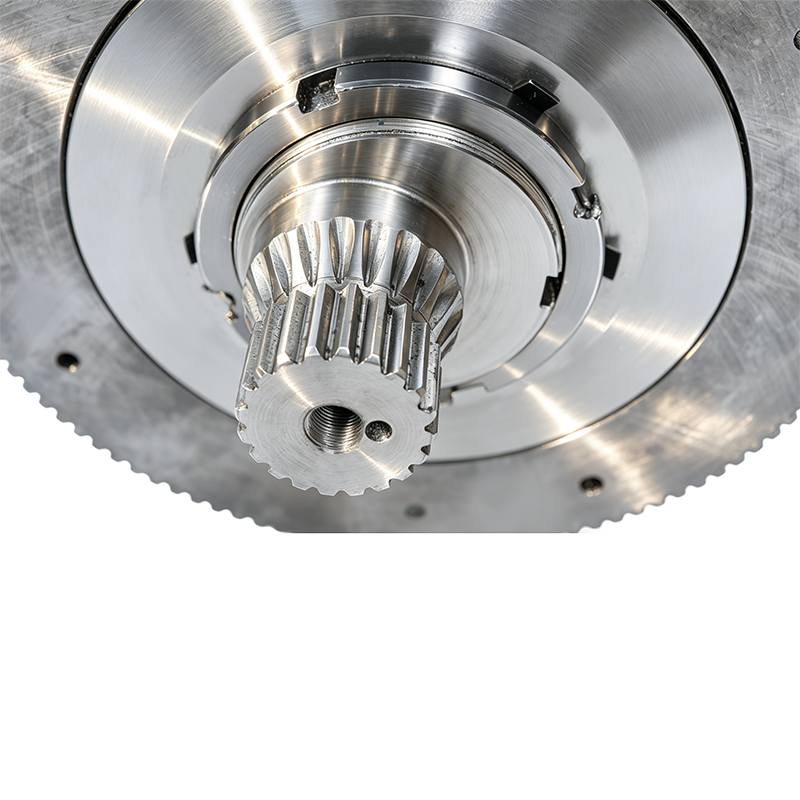
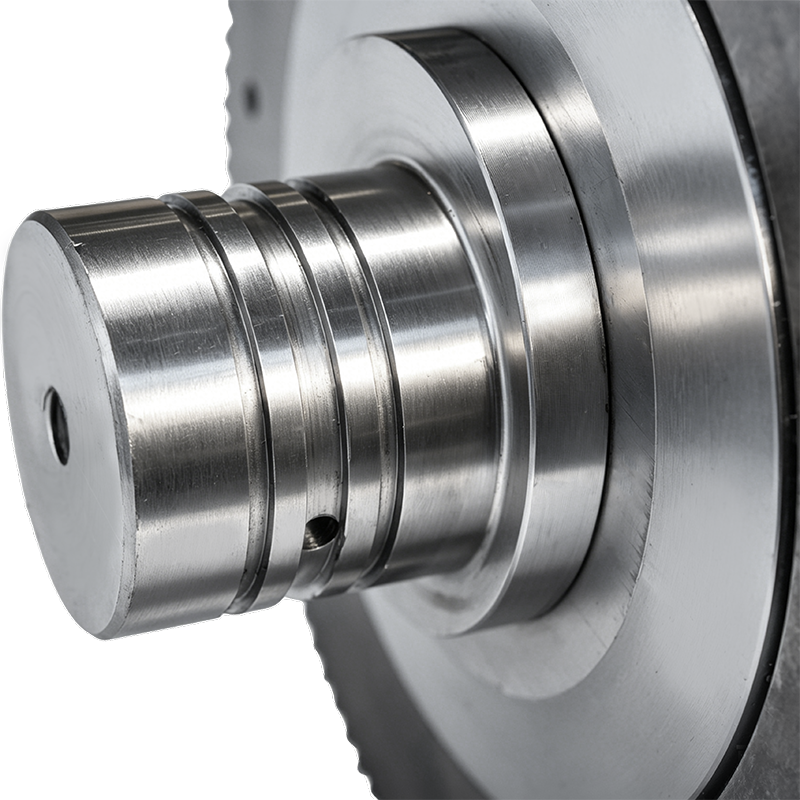 Product OverviewThe High-Productivity Pellet Mill Roller Shell Assembly is a critical component of t...View Details
 -
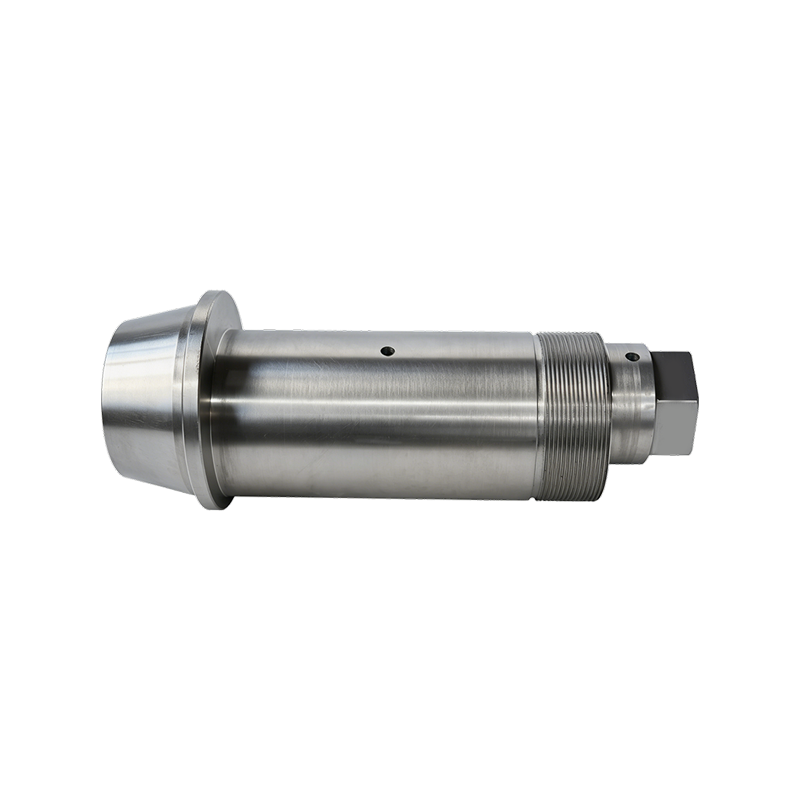
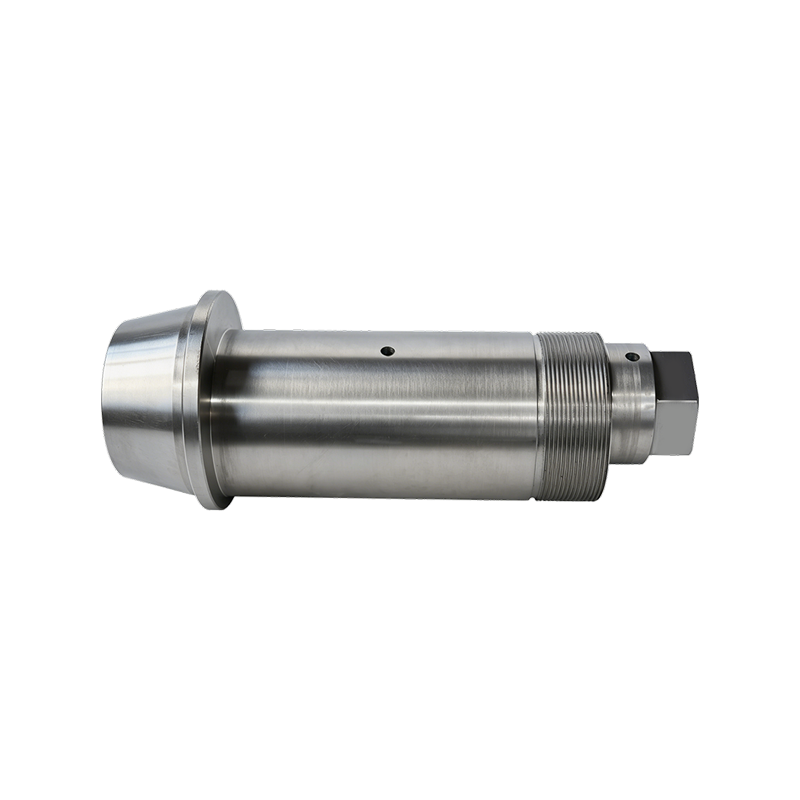
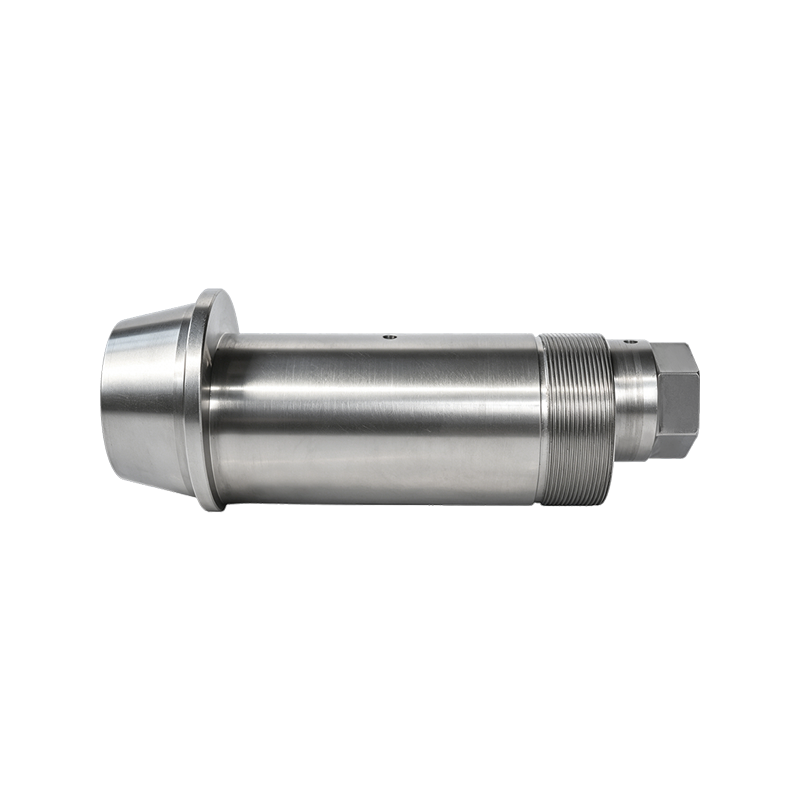 Product Overview: The 42CrMo Eccentric Shaft is a high-strength alloy steel component designed for h...View Details
 -
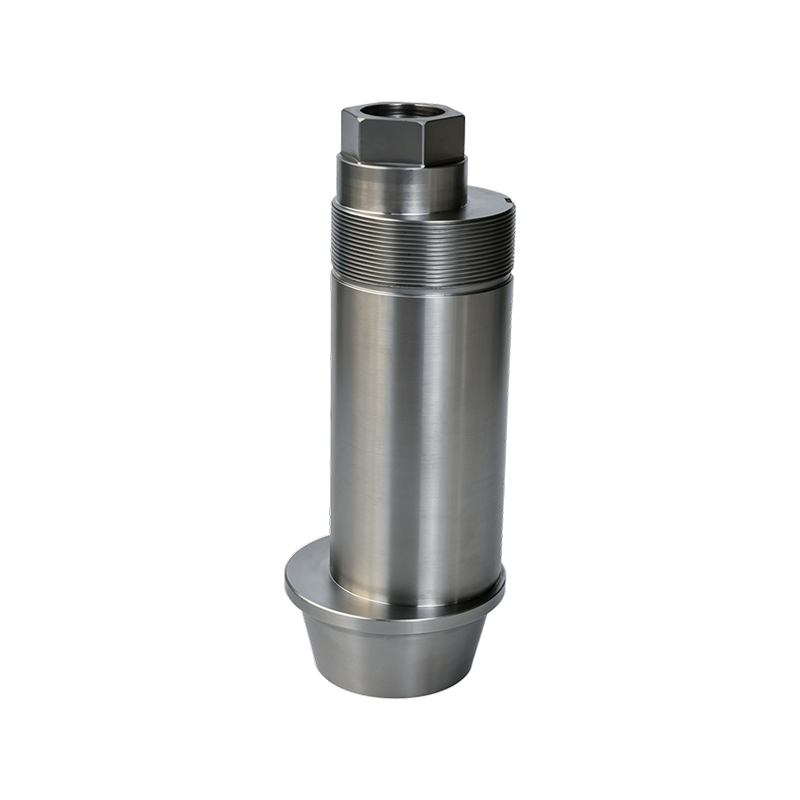
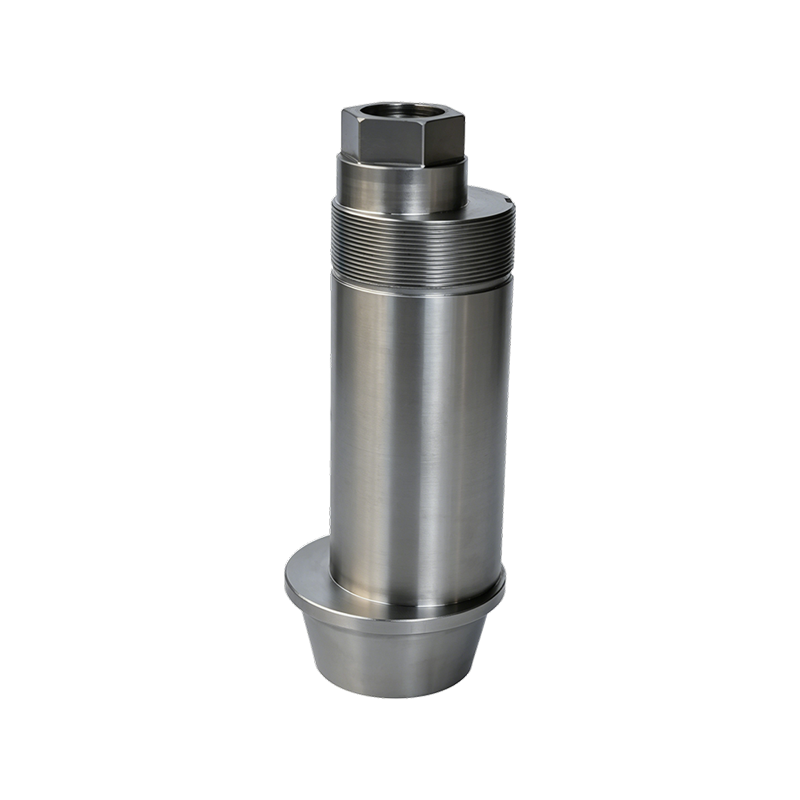
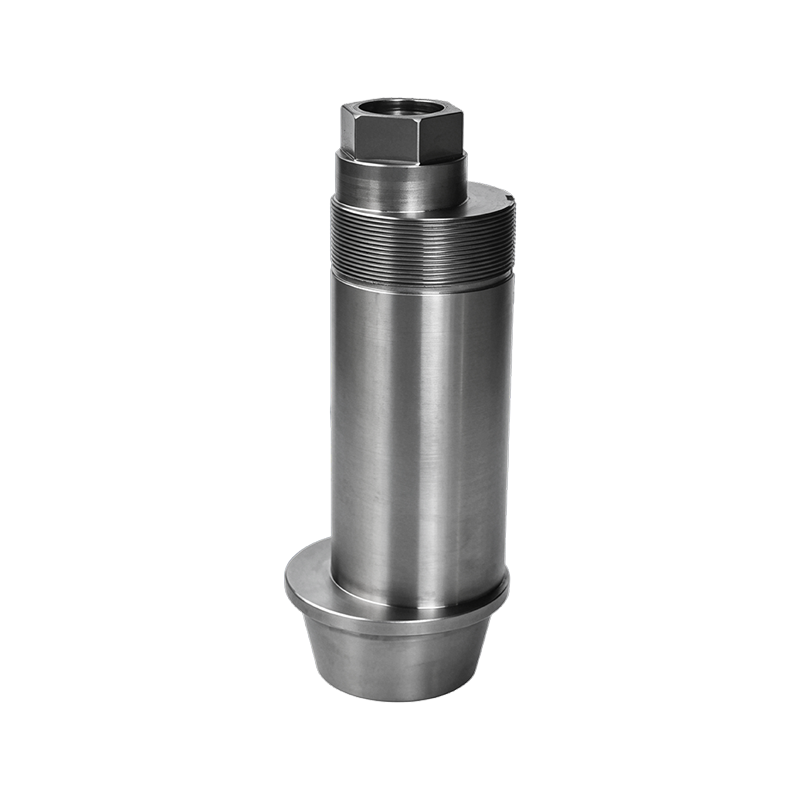
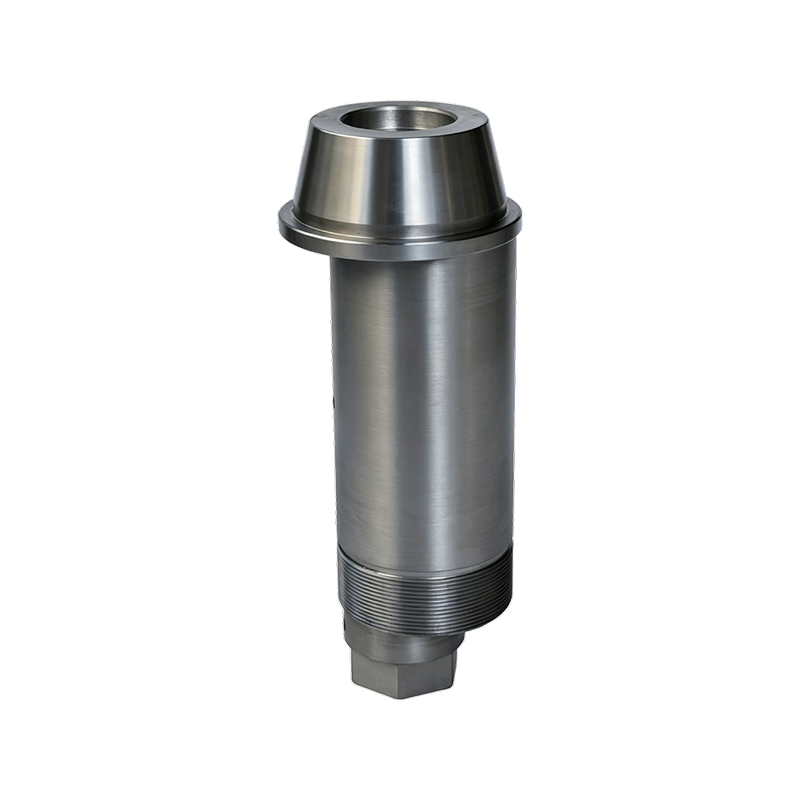
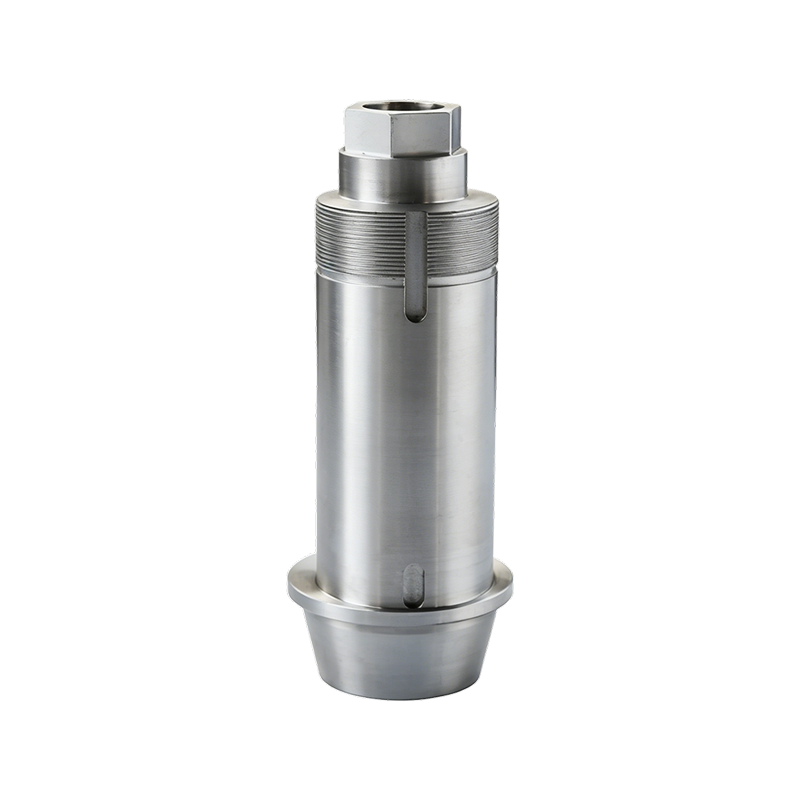
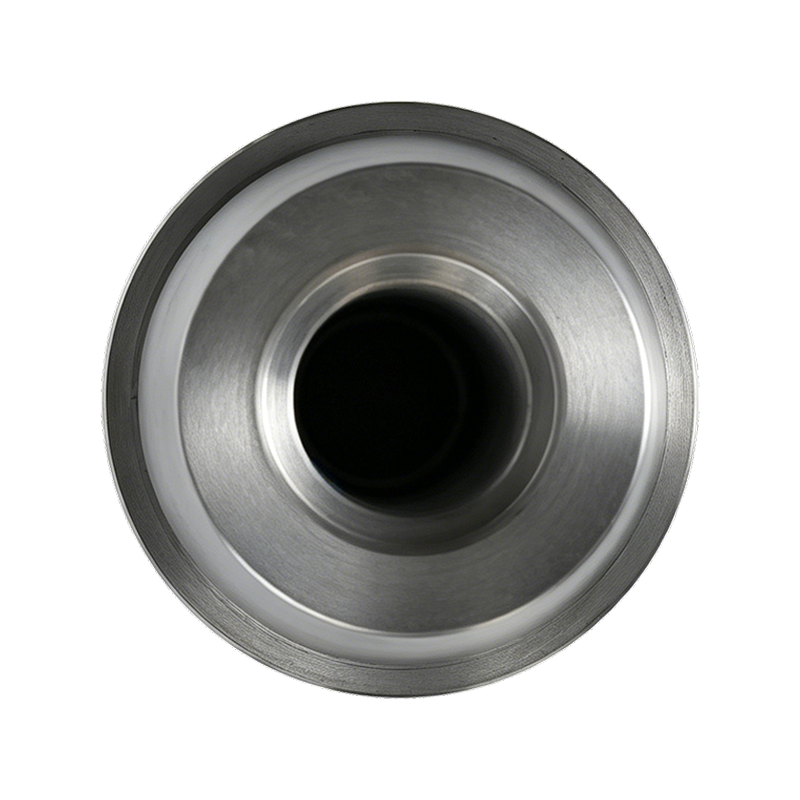
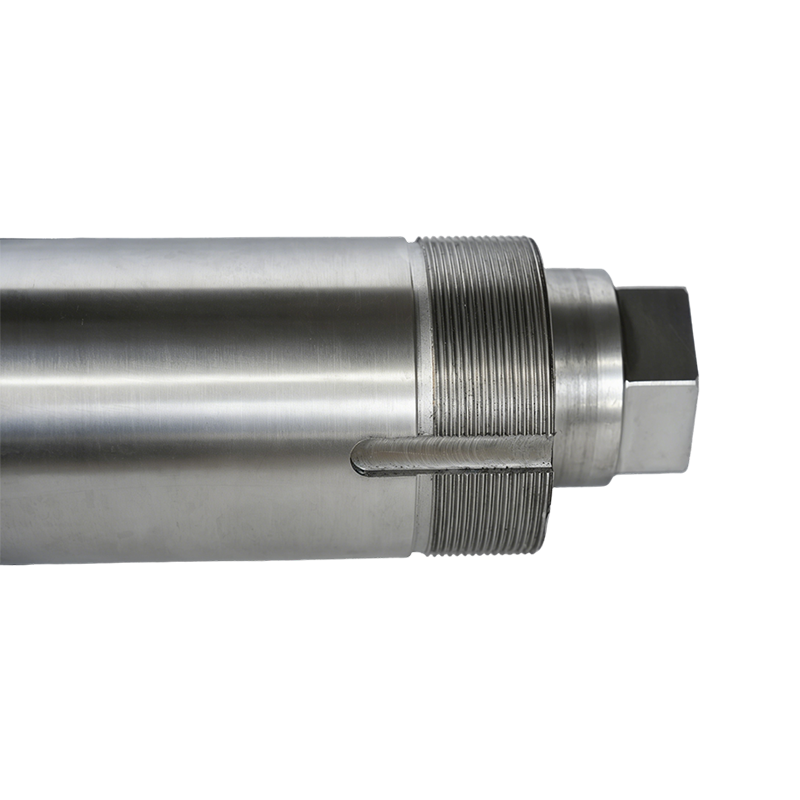
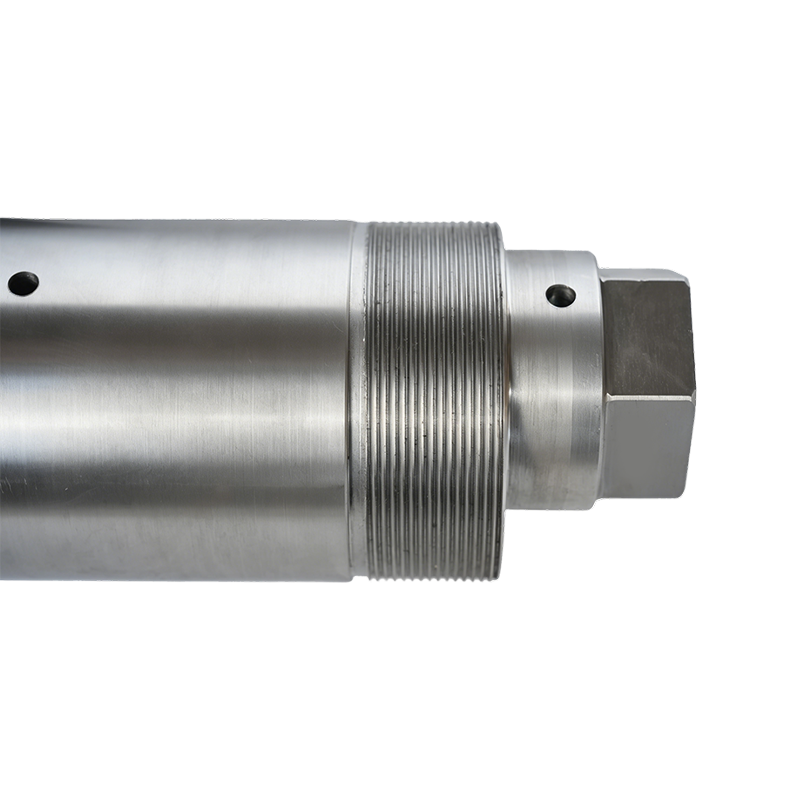
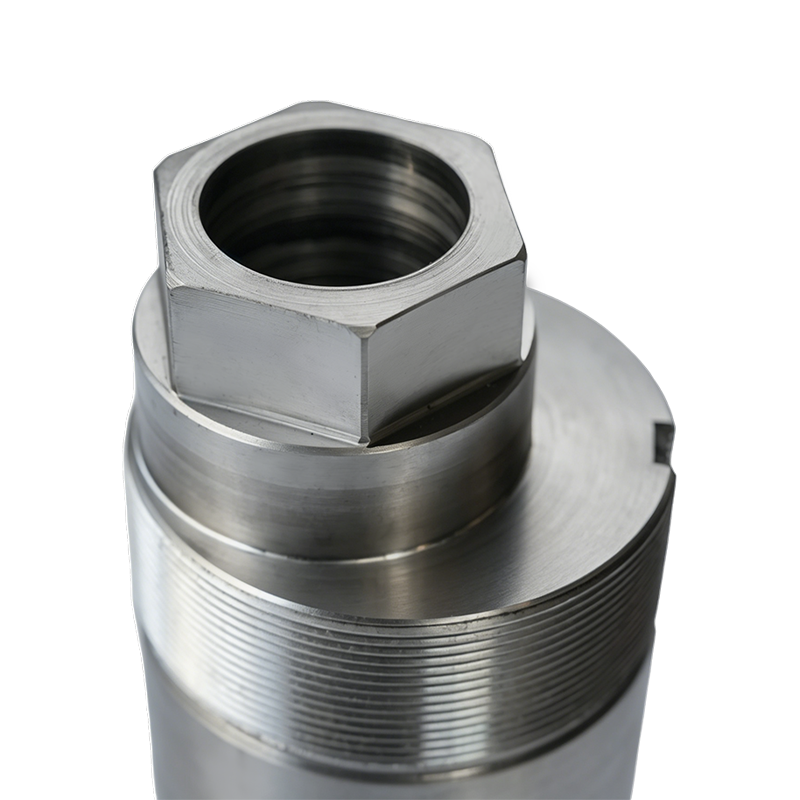
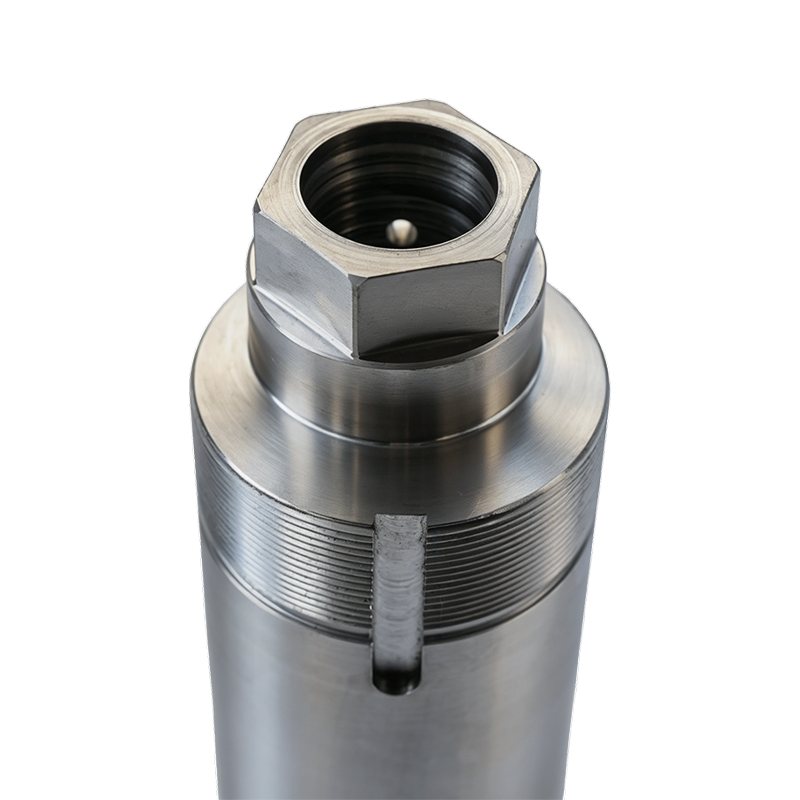
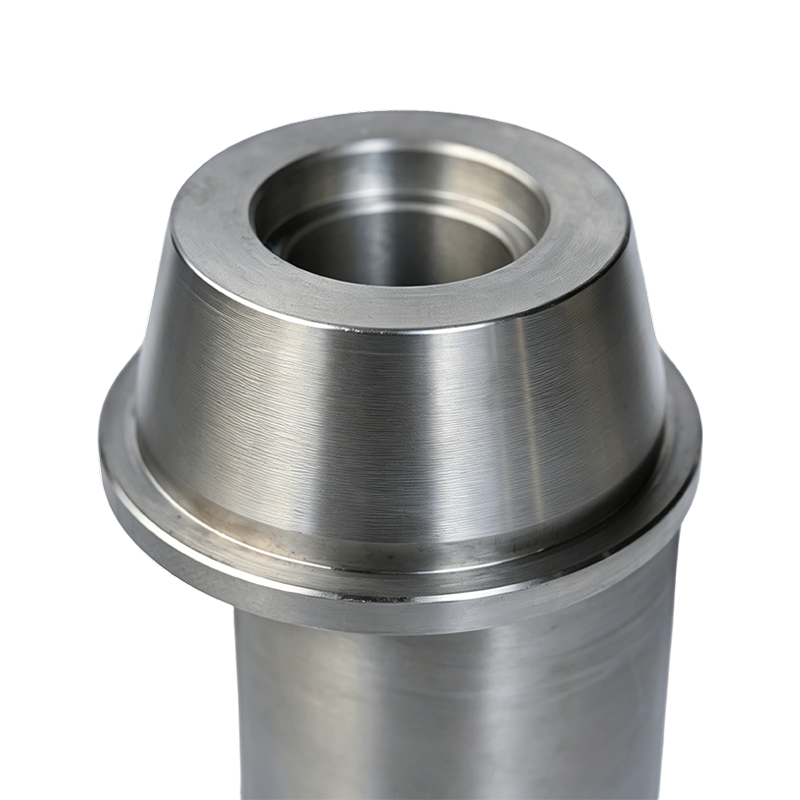 Product Overview: This eccentric shaft is a precision-engineered component made from 45# carbon stee...View Details
 -
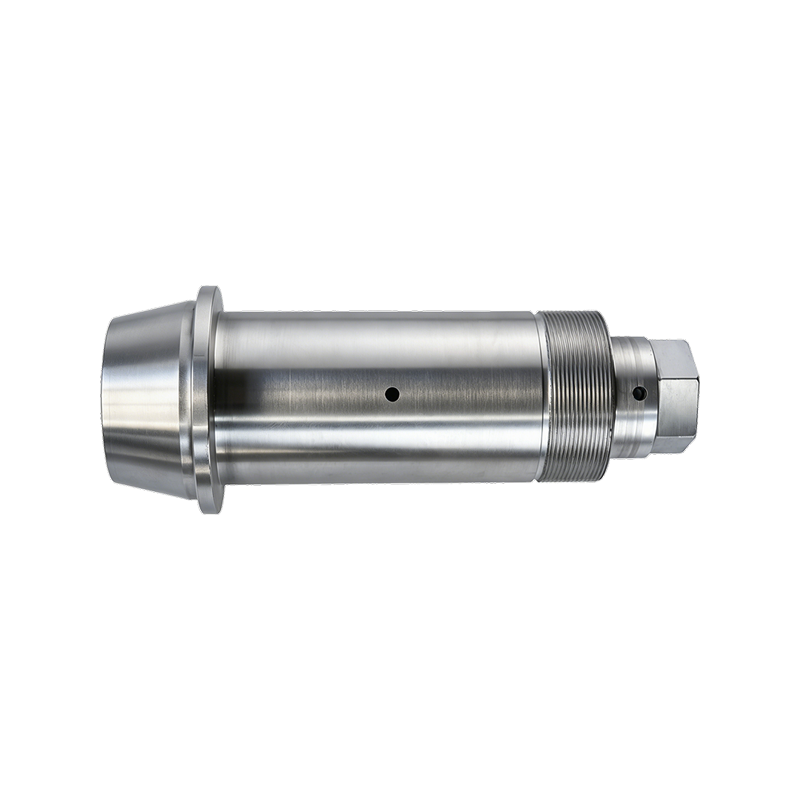
 Product Overview: The 40Cr Eccentric Shaft is an alloy steel component manufactured for high-volume ...View Details
 -
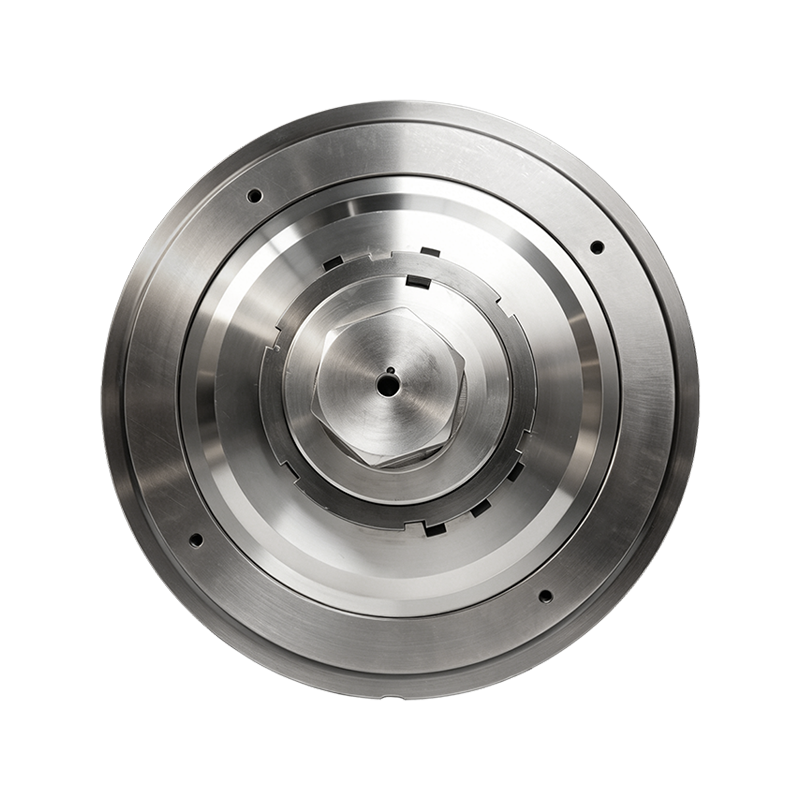
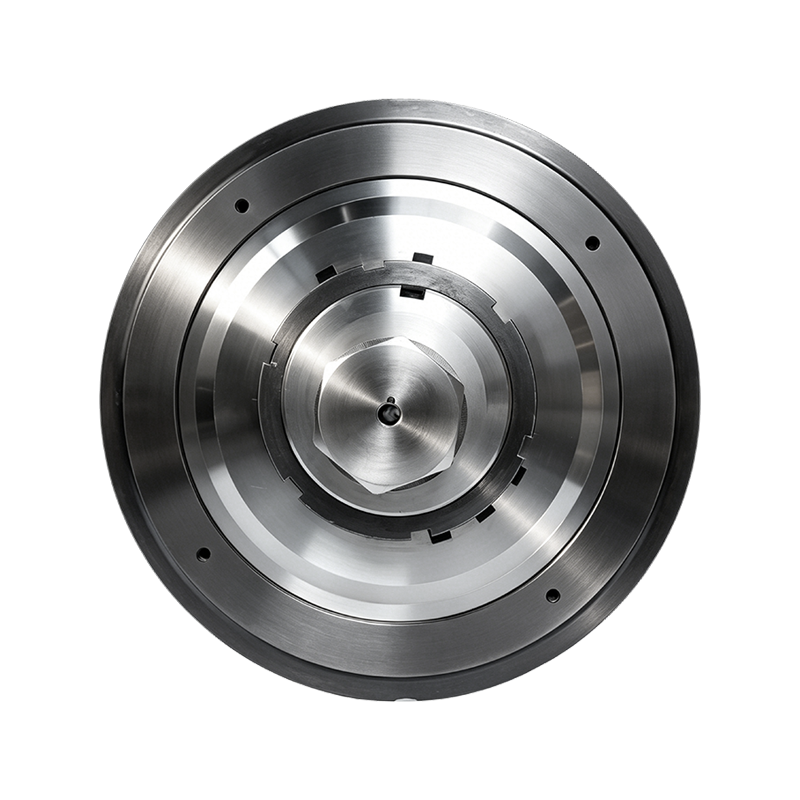
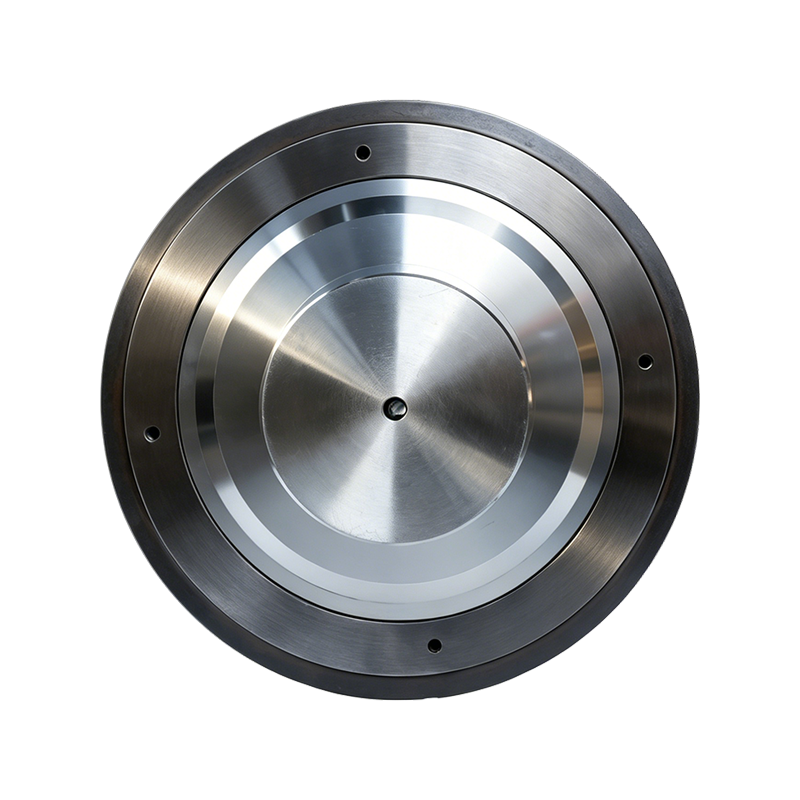
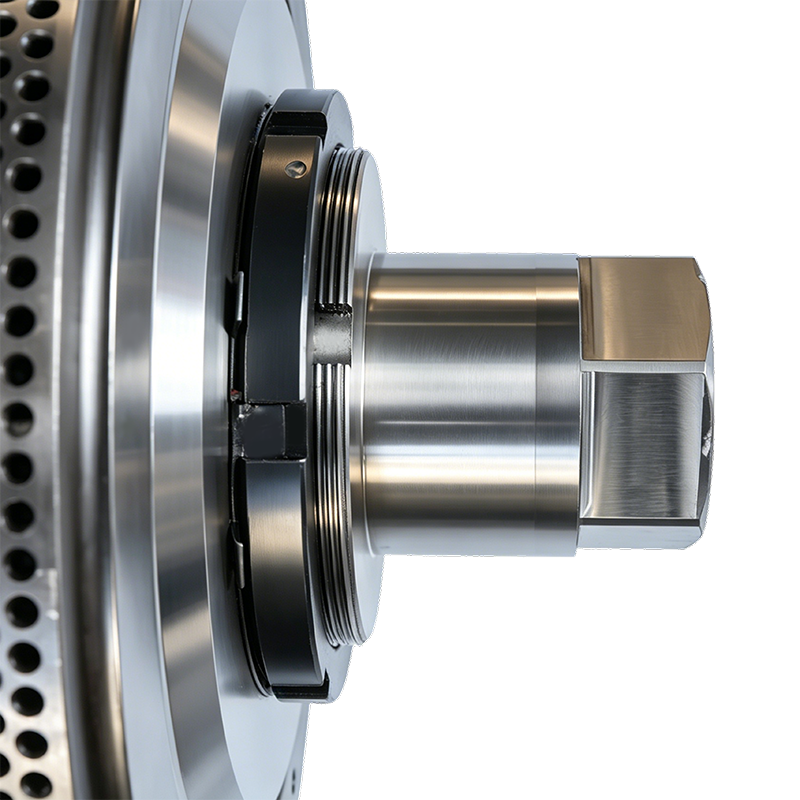
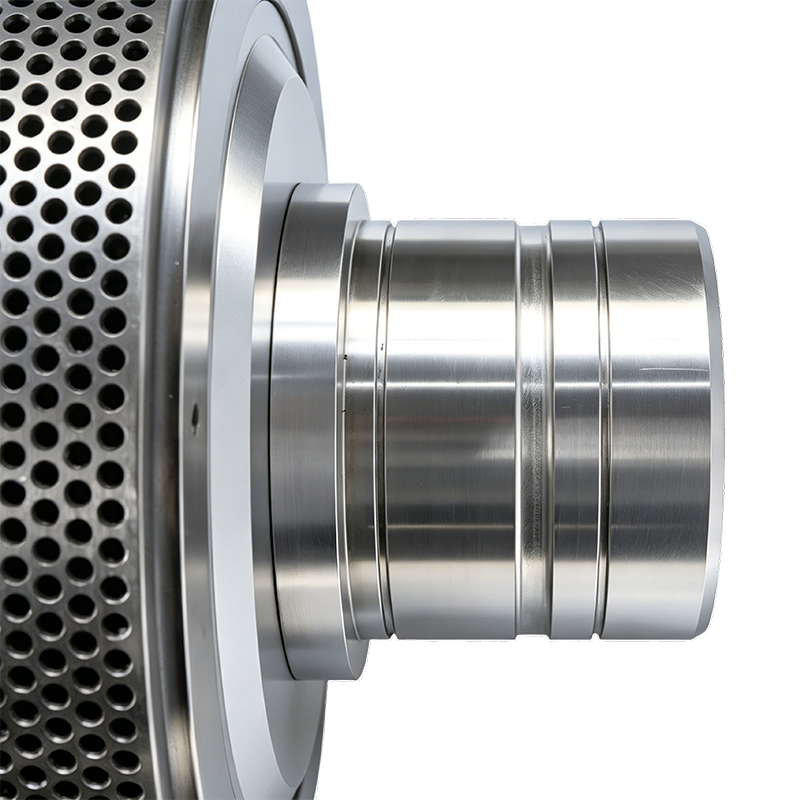
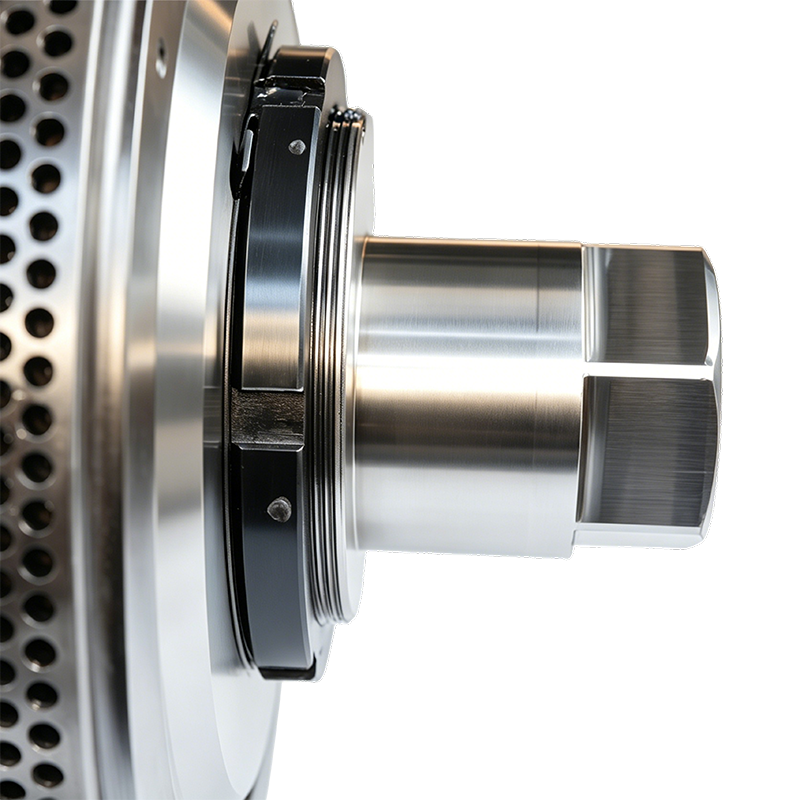
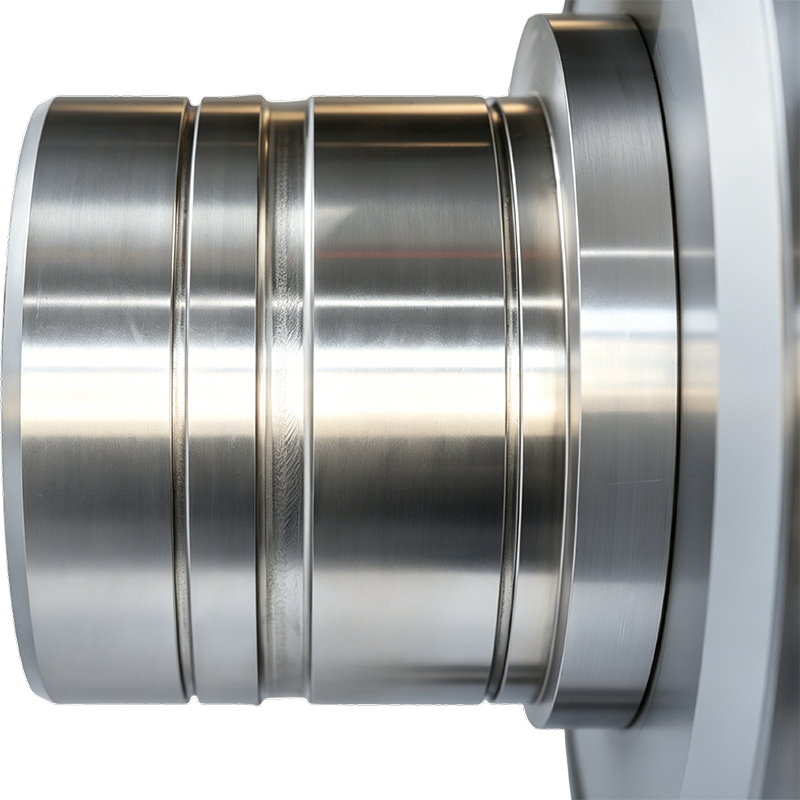
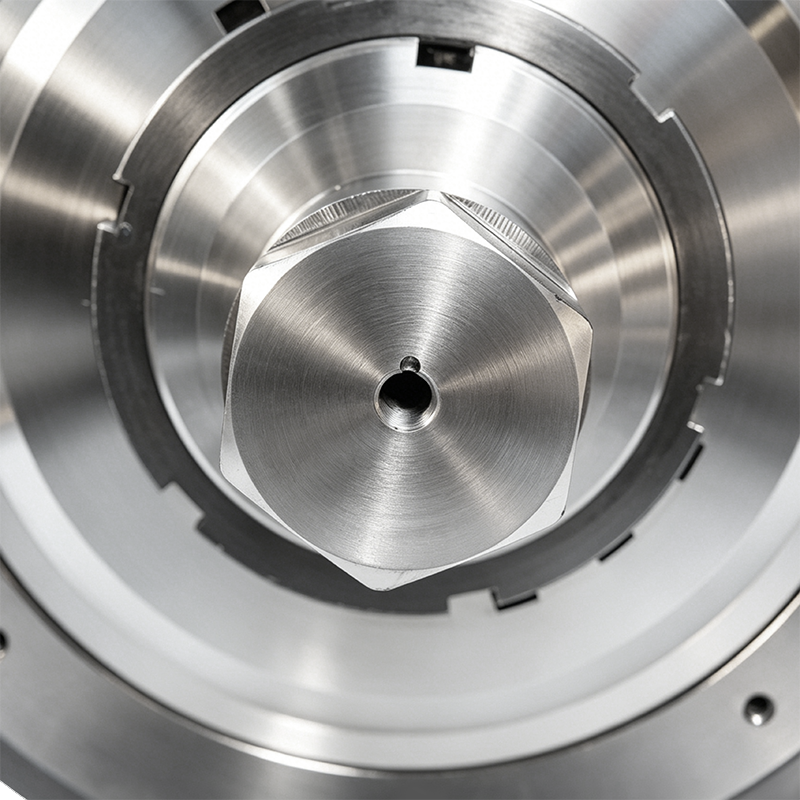 Product OverviewThis product is a precision-machined 45# Steel Gland (Bearing Cover/Seal Cap), speci...View Details
 -
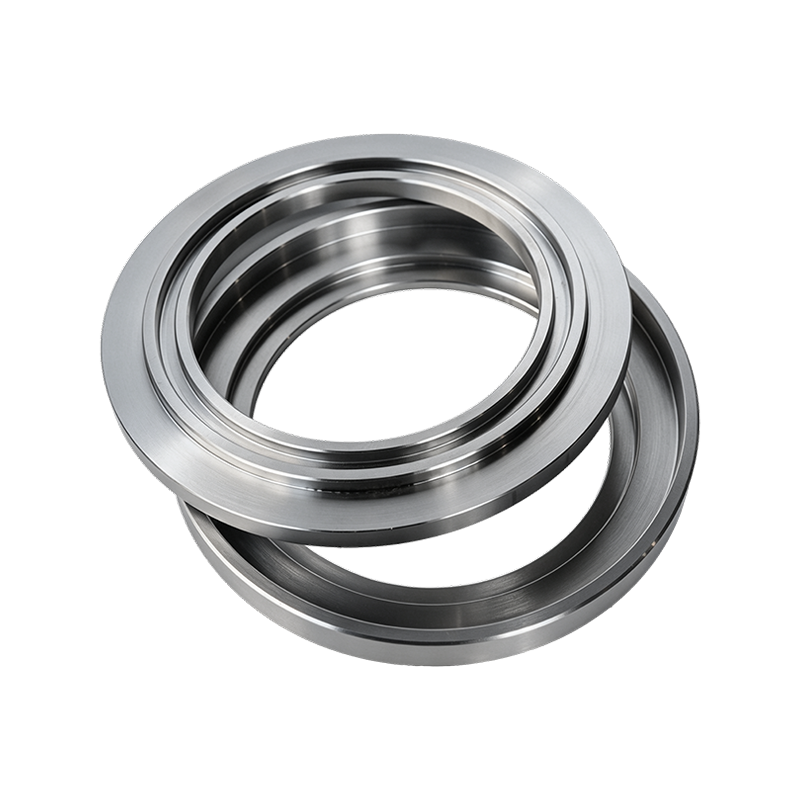
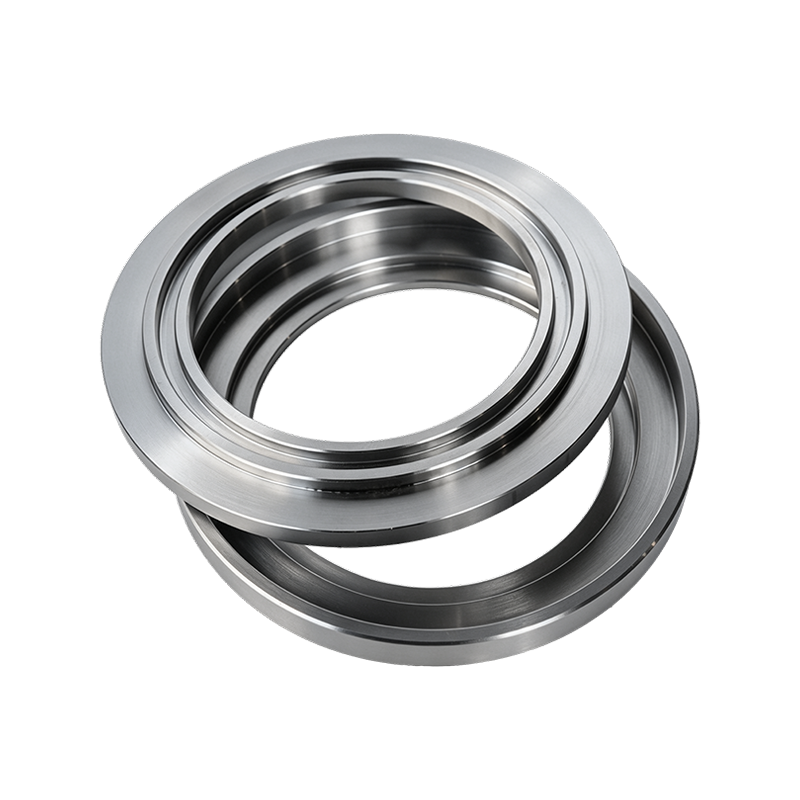
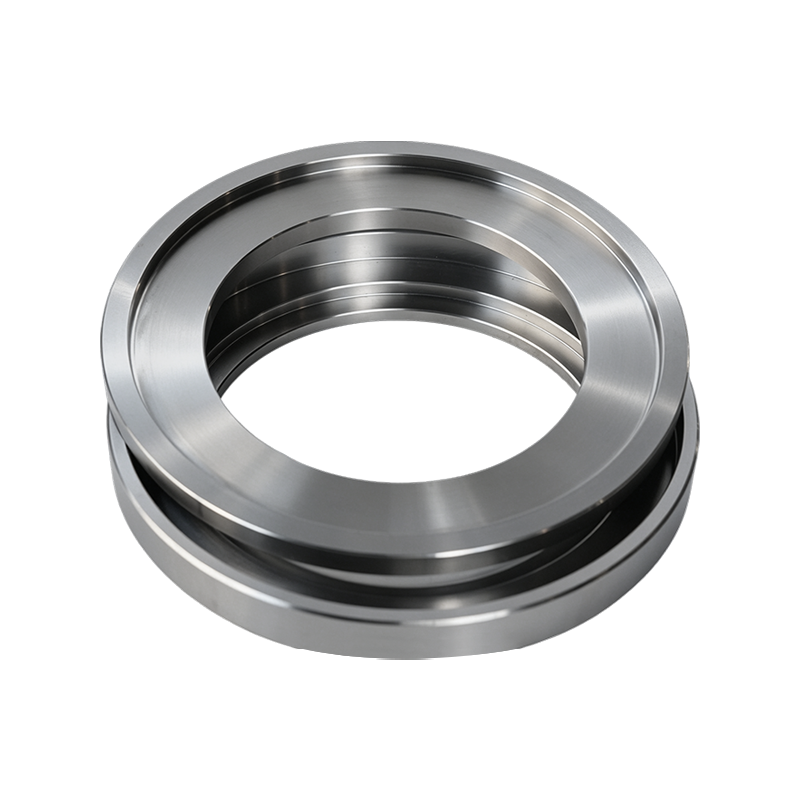
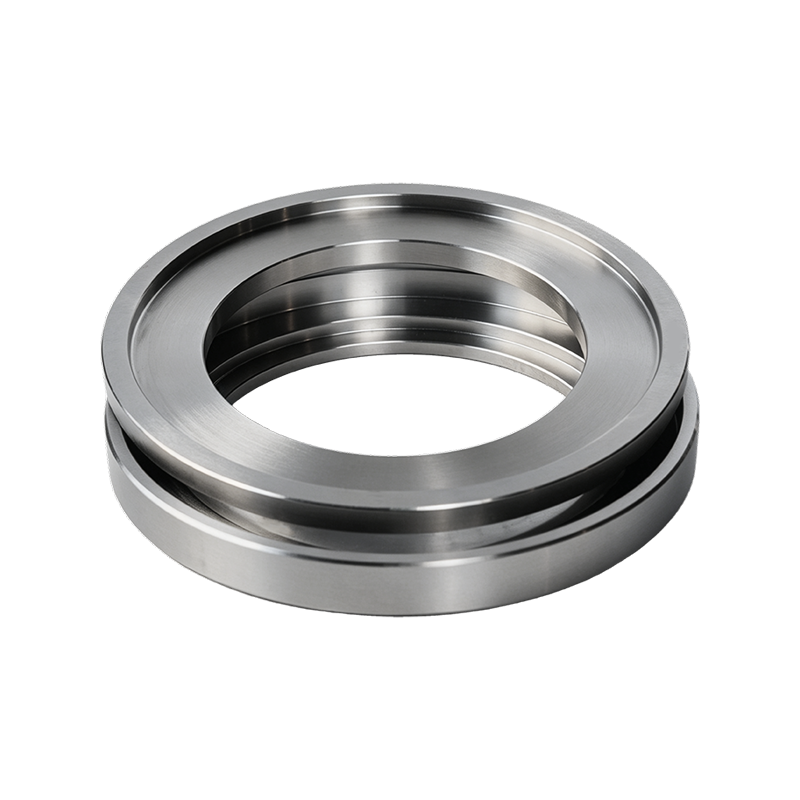
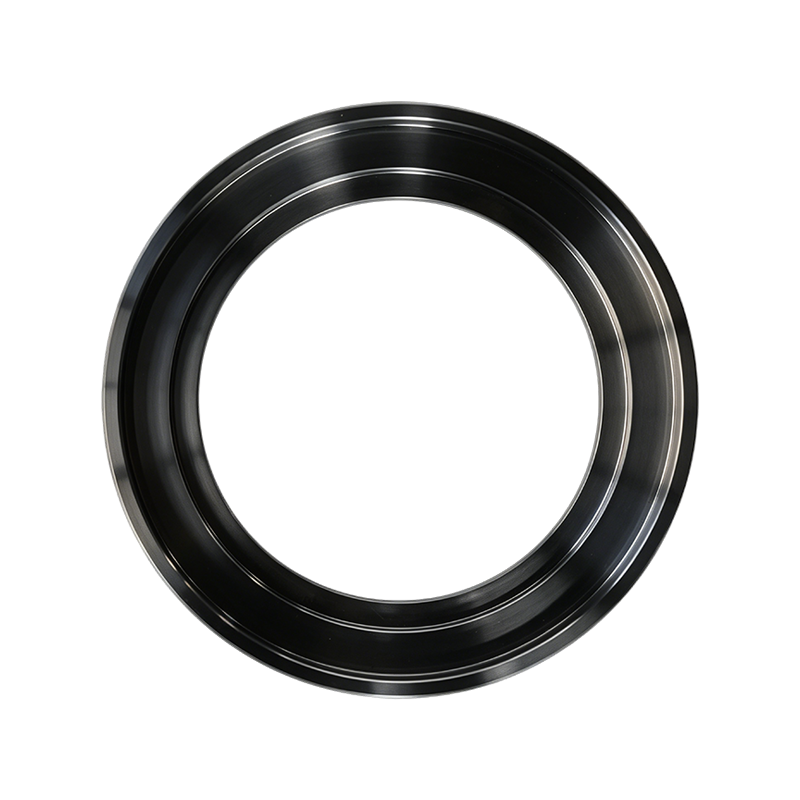
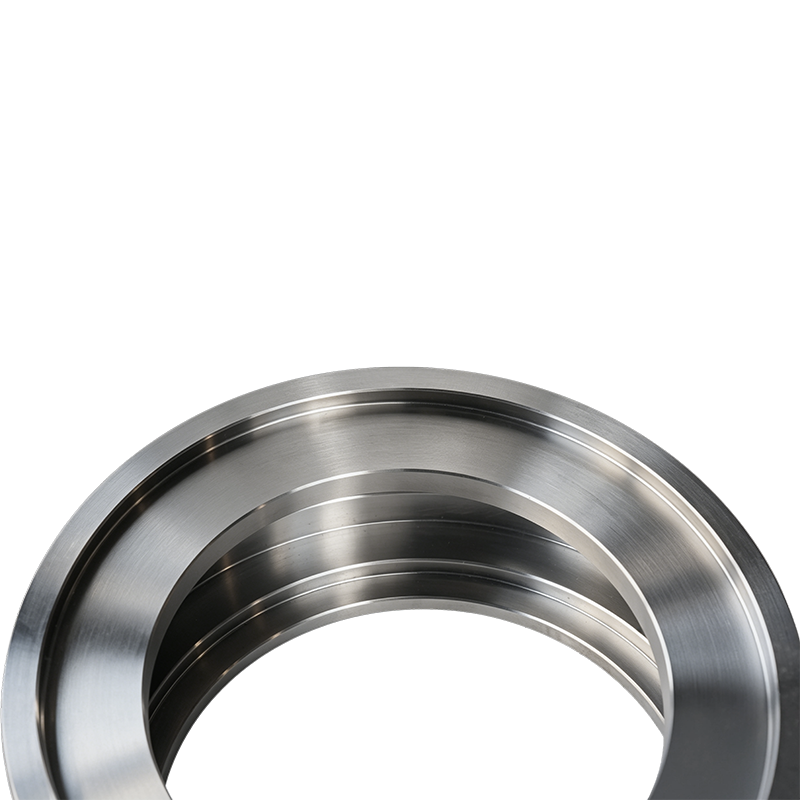
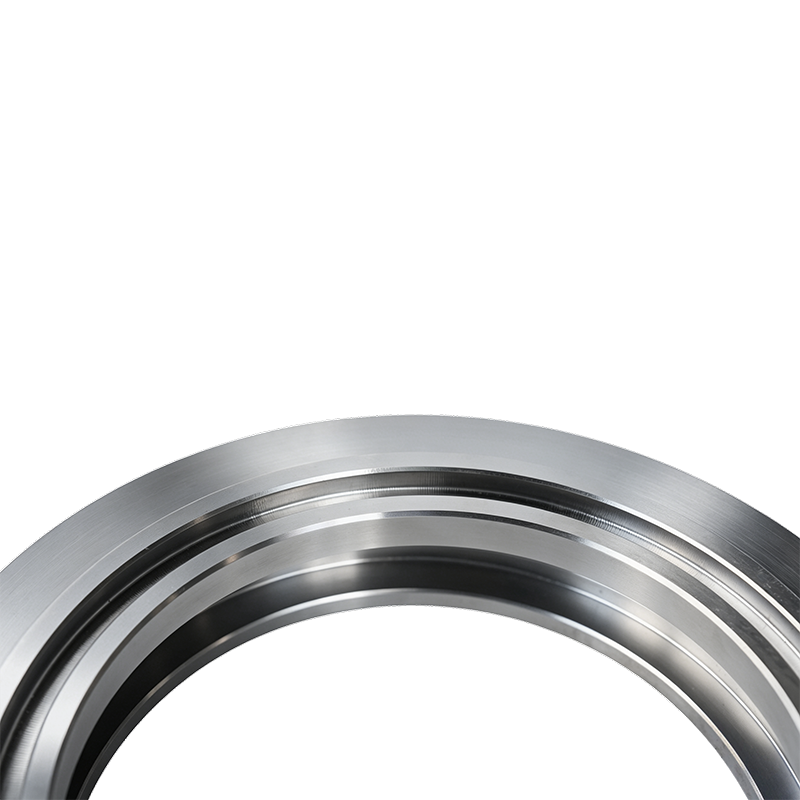
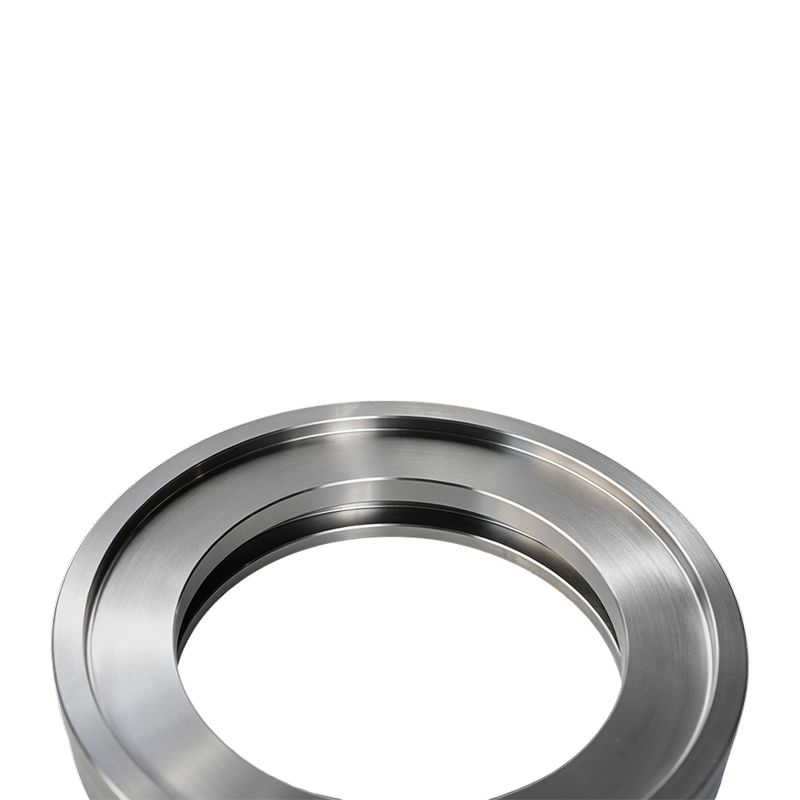
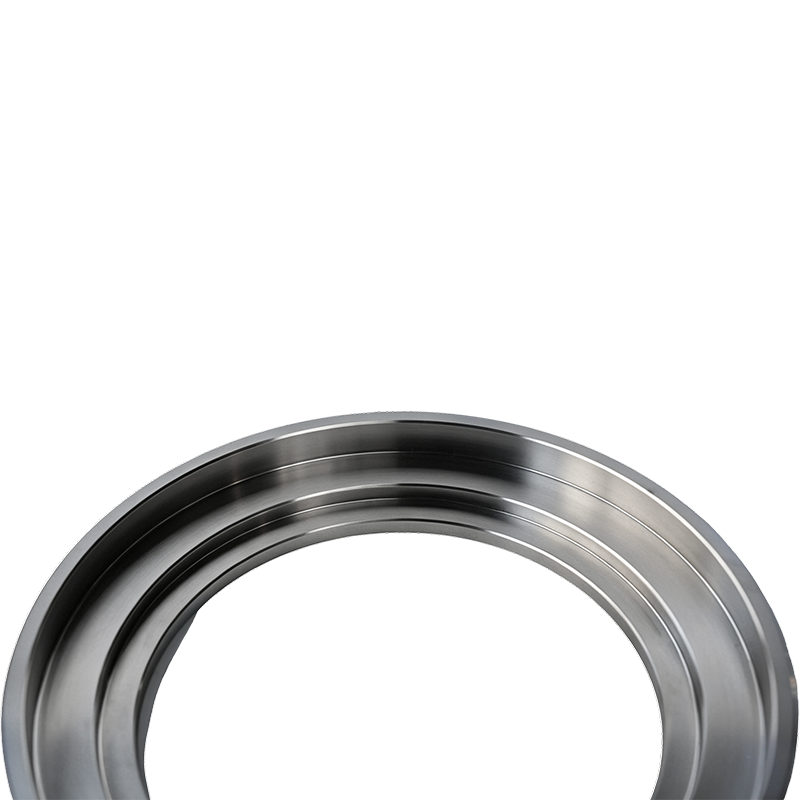
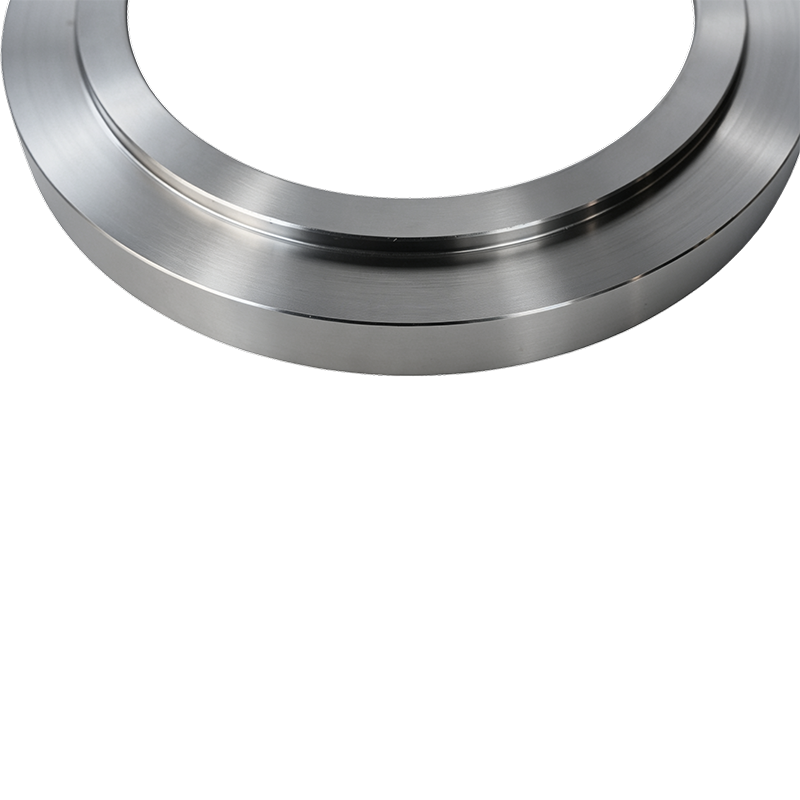
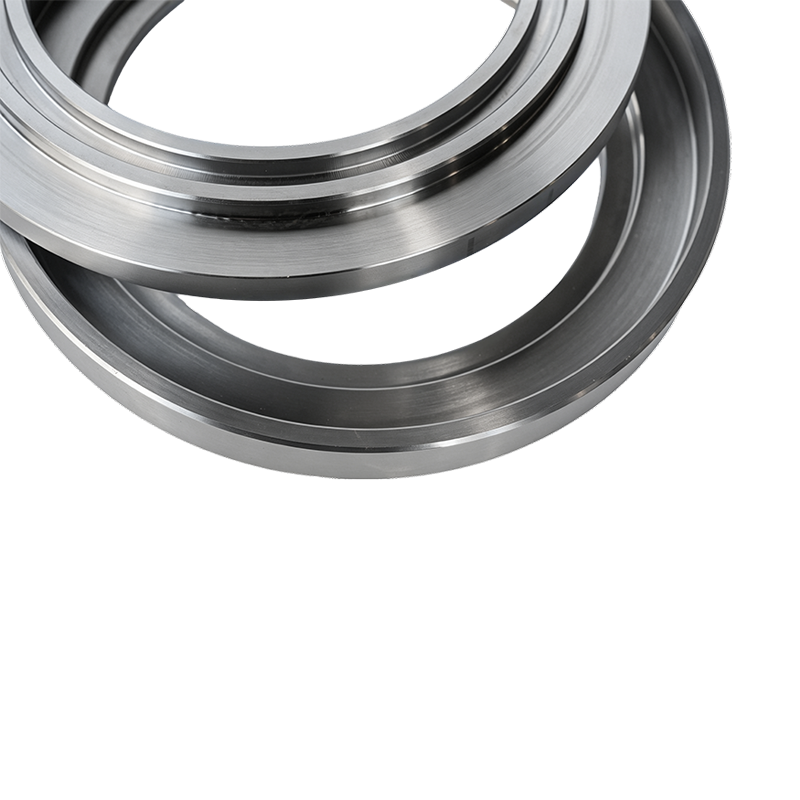 Product OverviewThe 45# Steel Oil Slinger (Oil Deflector) is a precision internal component mounted ...View Details
 -
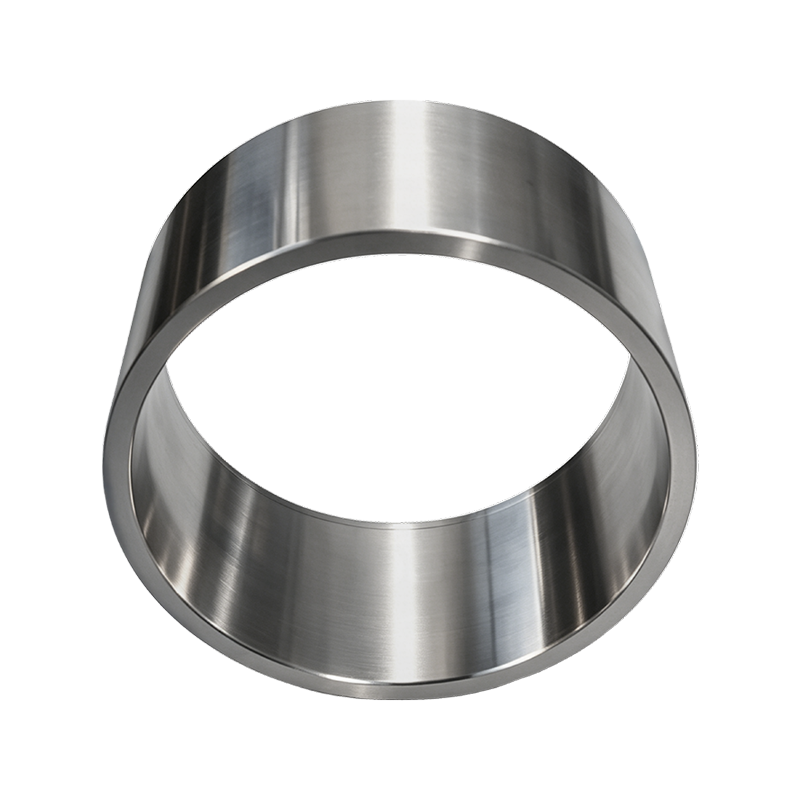
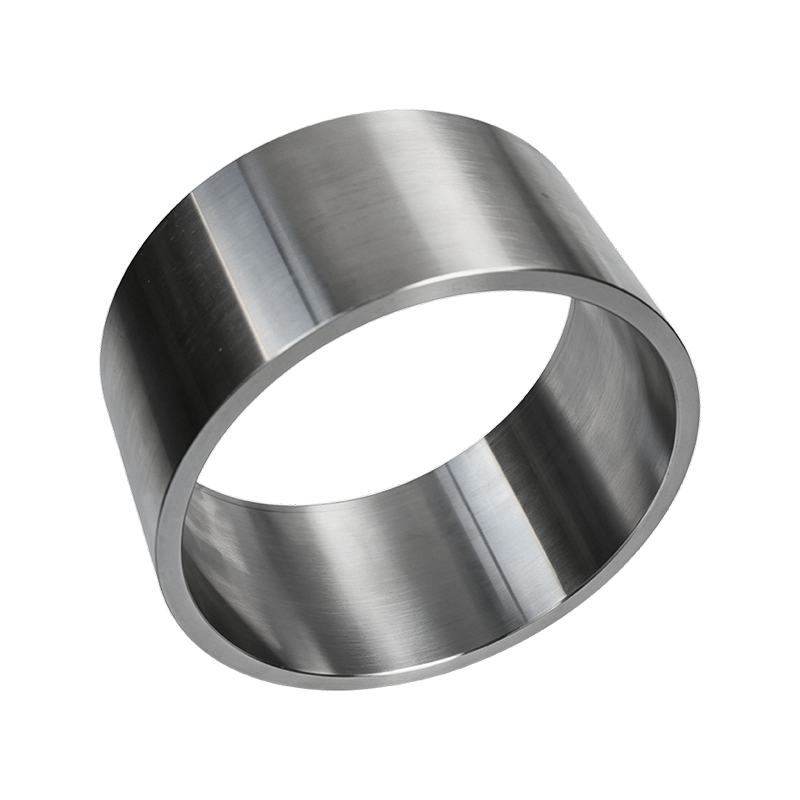
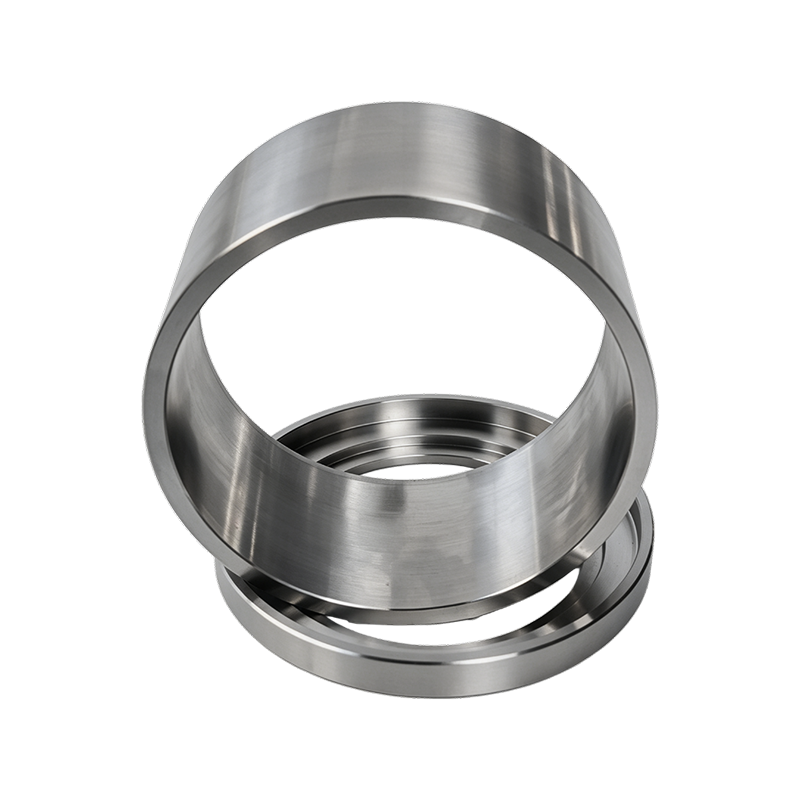
 Product OverviewThe 45# Steel Precision Spacer (Spacer Ring) is a critical internal component used t...View Details
Dimpled Roller Shells
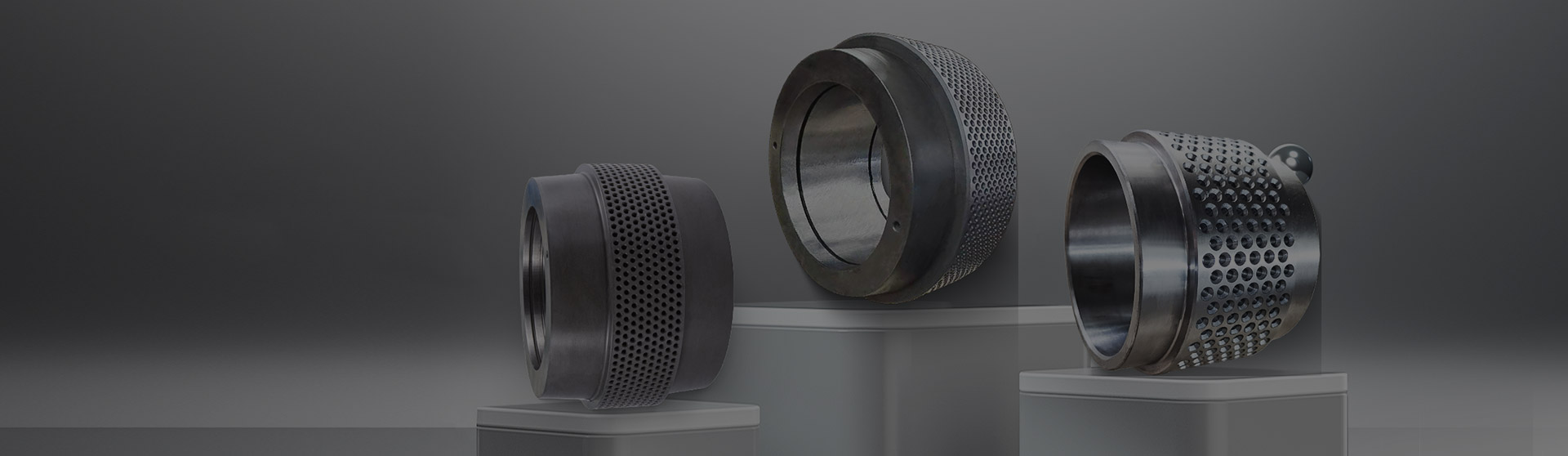
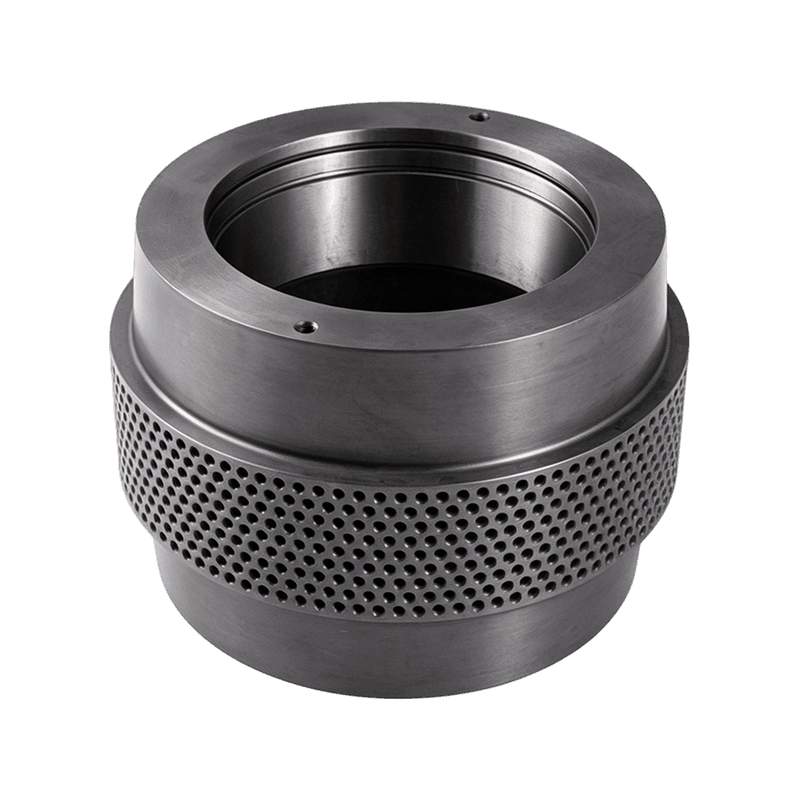
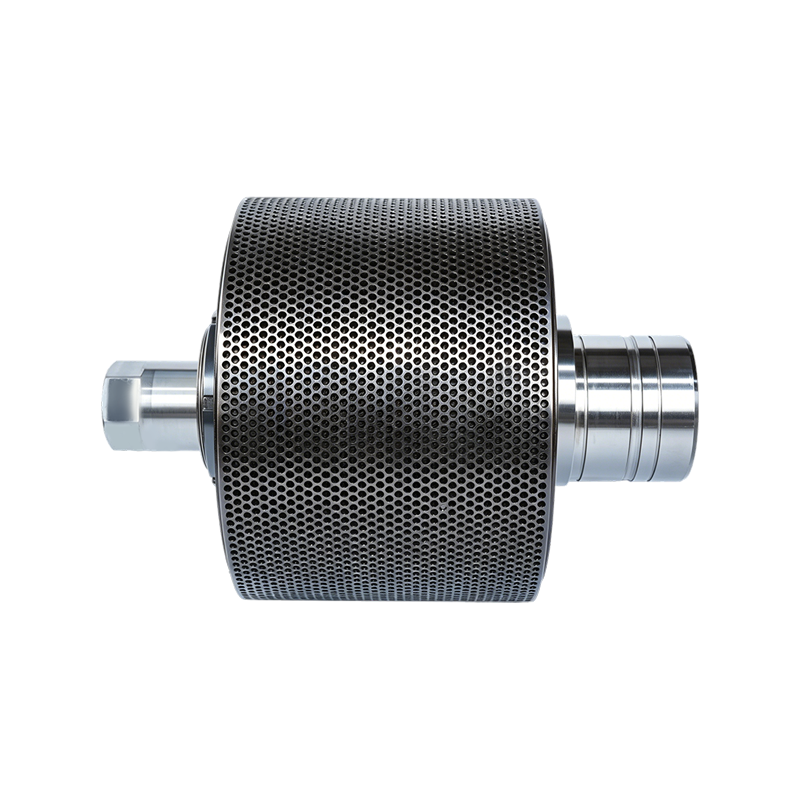
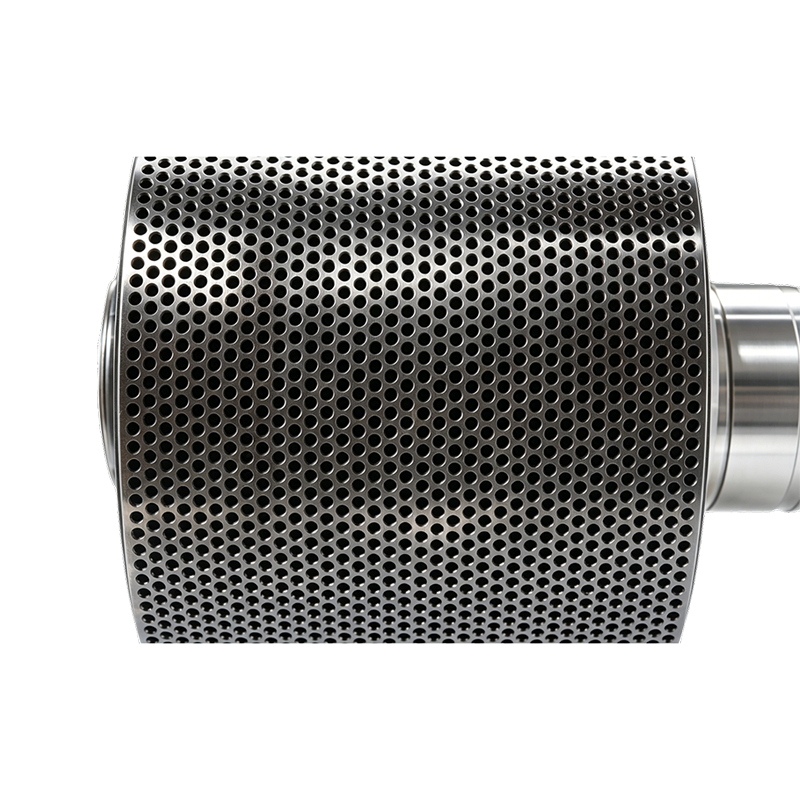
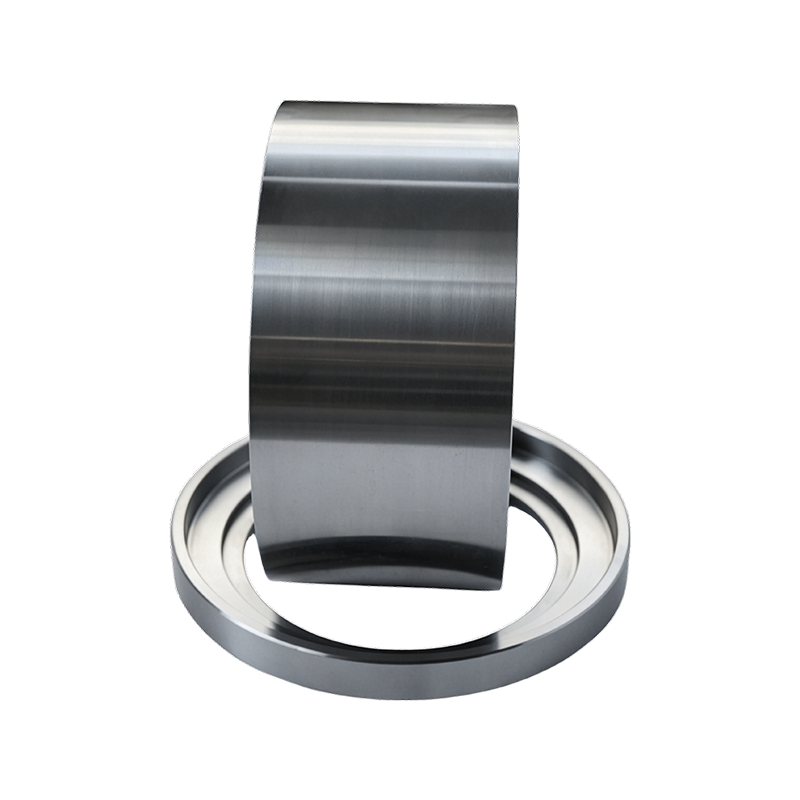
Anhui Jindingsheng Machinery Co., Ltd. manufactures dimpled roller shells for industrial pellet mills. These components are produced using controlled forging and heat treatment processes, with dimensional tolerances maintained within 0.05 mm. The dimpled surface geometry is engineered to increase friction between the roller and the ring die, facilitating consistent material compaction across varied biomass or feed formulations. Each shell is machined from high-carbon steel and subjected to multi-stage hardness testing to ensure structural uniformity. The company operates an integrated production line from raw material inspection to finished product packaging, allowing for batch traceability and stable supply to pellet plant operators worldwide.
Core Advantages
- Uniform dimple pattern ensures consistent material grip across the full roller width, reducing lateral slip during compression
- Through-hardened structure with core hardness HRC 58 to 62 and case depth at least 2.5 mm, providing resistance to abrasive wear under continuous load
- Customizable dimple depth from 0.8 to 2.0 mm and spacing to match specific raw material characteristics, including fiber length and moisture variability
- Full traceability from steel lot to final inspection, with dimensional reports and hardness logs provided per batch for quality assurance
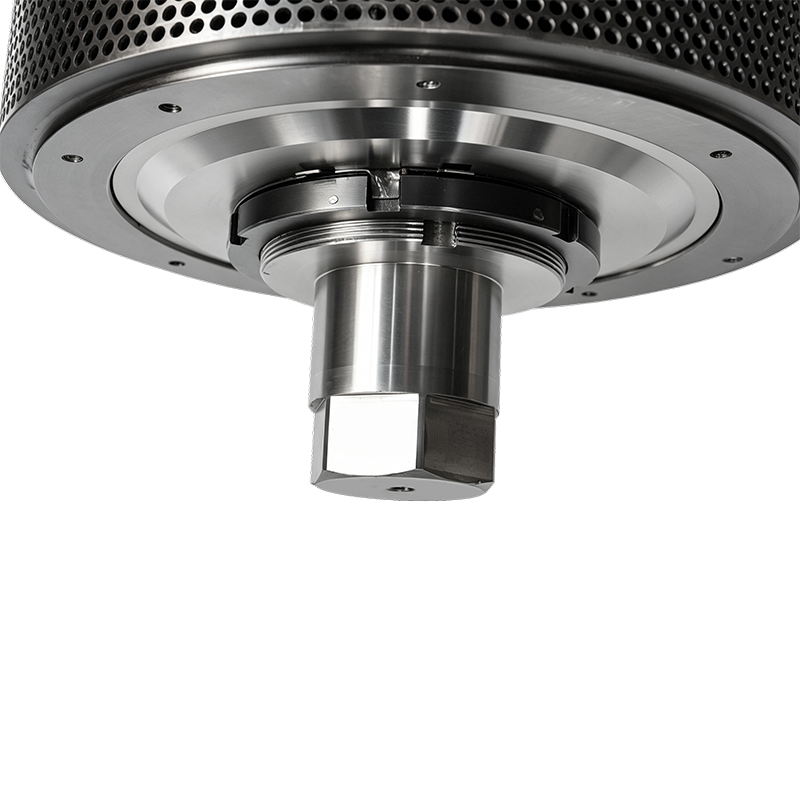
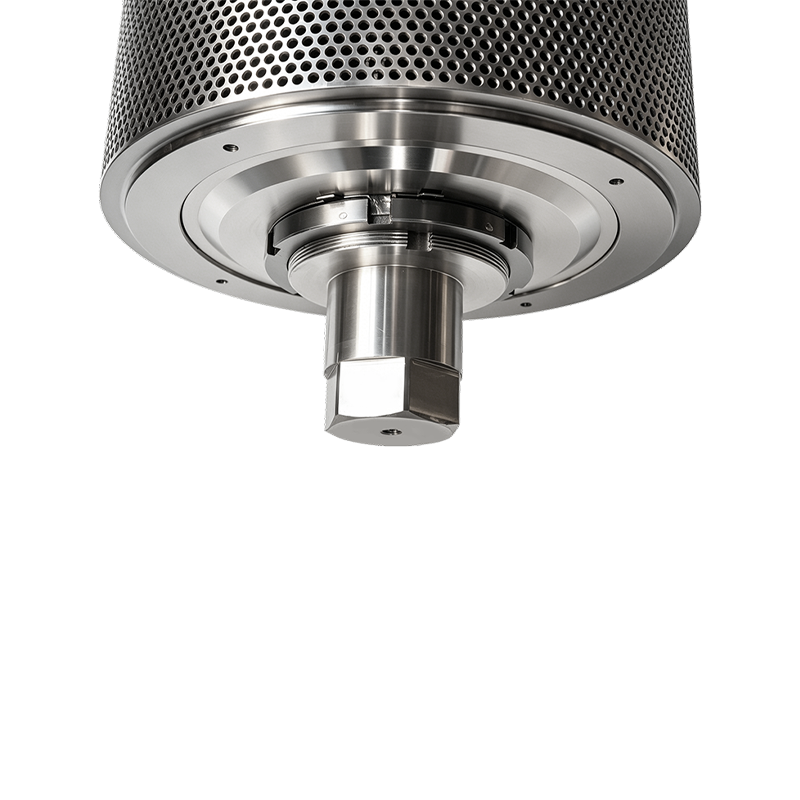
- Compatible with major pellet mill brands; shaft and keyway dimensions can be adapted to existing equipment without modification
Product Characteristics
| Material | High-carbon chromium bearing steel SAE 52100 or DIN 100Cr6 with grain size ASTM 8 to 10 |
| Hardness HRC | 58 to 62 through-hardened, not case-only |
| Dimple geometry | Spherical indentations, depth 0.8 to 2.0 mm, pitch 4 to 8 mm, customizable |
| Outer diameter range | 200 mm to 600 mm, other dimensions on request |
| Surface finish | Ra less than or equal to 0.8 micrometres on journal areas; dimpled face as-forged with controlled roughness |
| Balancing grade | G 6.3 per ISO 1940 for shell rotation up to 450 RPM |
Application Scenarios
- Biomass pellet production including wood chips, straw, sunflower husks, and palm kernel shells where high friction is required to overcome elastic deformation of fibrous materials
- Animal feed pelleting for corn, soybean meal, alfalfa, and compound feed to maintain throughput under varying moisture levels and oil content
- Fertilizer granulation lines where anti-slip roller surface reduces die clogging and improves granule uniformity in high-humidity environments
- Retrofit for existing pellet mills from CPM, Andritz, Buhler, and other common brands with interchangeable shaft mounting configurations
Processing and Quality Control
- Raw material verification: each steel batch undergoes chemical composition analysis by OES and cleanliness rating per ASTM E45
- Forging process: billet heated to 1050 to 1100 degrees Celsius, forged under 4000T press, with controlled cooling to prevent carbide network formation
- Heat treatment: austenitized at 830 to 850 degrees Celsius, oil-quenched, then tempered at 180 to 220 degrees Celsius to achieve stable retained austenite below 5 percent
- In-process inspection: 100 percent dimensional check on OD, ID, and keyway; hardness test per piece using Rockwell scale; surface crack detection via magnetic particle
Installation and Maintenance Notes
- Before mounting, clean the shaft and the shell bore to remove any debris; apply anti-seize compound on the key and taper surfaces to facilitate future disassembly
- Torque the retaining nut to the value specified for the mill model; over-tightening may distort the shell bore and affect alignment with the die
- Monitor roller shell temperature during the first 4 hours of operation; a temperature rise above 85 degrees Celsius may indicate insufficient clearance or excessive preload
- Inspect dimple wear every 200 operating hours using a depth gauge; plan for replacement when the average dimple depth falls below 0.4 mm to avoid die damage
Frequently Asked Questions
What is the typical service life of a dimpled roller shell
Service life ranges from 800 to 2500 hours depending on feedstock abrasiveness, moisture content, and operating pressure. Regular inspection of dimple wear depth is recommended; replacement is advised when dimple depth reduces to below 0.4 mm.
Can dimple patterns be customized for different materials
Yes. Dimple depth, diameter, and spacing are adjusted per order. For fibrous materials such as straw, deeper dimples from 1.6 to 2.0 mm with wider spacing are often specified; for fine feed, shallower patterns reduce wear.
What quality documentation is provided with each shipment
Each batch includes a material test certificate per EN 10204 3.1, hardness verification report, dimensional inspection sheet, and dimple geometry measurement. Additional non-destructive testing using UT or MT can be arranged.
How should the shell be stored before installation
Store in a dry, ventilated area with relative humidity below 60 percent. Apply a rust-preventive oil coating on the machined surfaces. Avoid stacking heavy objects on the shell to prevent distortion.
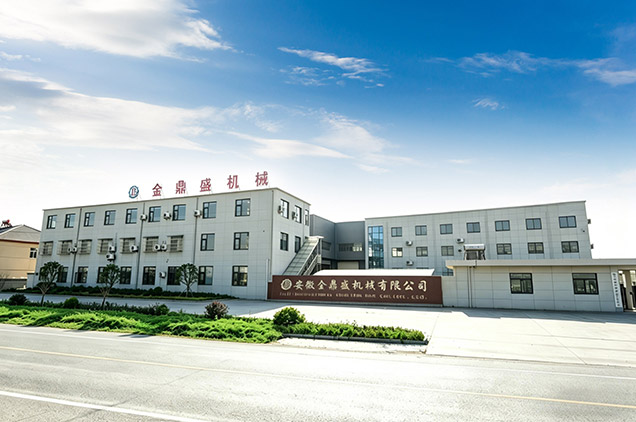
Anhui Jindingsheng Machinery Co., Ltd.
Anhui Jindingsheng Machinery Co., Ltd., located in the North District of Guangde City Economic Development Zone, Anhui Province, was established in 2022. The company covers an area of 14,509 square meters and has 97 employees. We are Custom Dimpled Roller Shells Supplier and China Dimpled Roller Shells Company, With advanced technology and manufacturing technology at home and abroad, it is at the world's leading level, and is an enterprise that pursues greatness and innovation.
The company focuses on the core business of R&D and manufacturing of granulator ring die, rollers, and related granulator parts services. The main product types are ring die, roller, and granulator accessories. It has the most advanced equipment and more complete service enterprise in China. The company's products are exported to many foreign countries: The United States, Japan, South Korea, Vietnam, France, Bangladesh, Russia, India, the Philippines, and European countries. The company strictly controls all processes from raw materials to forging, finishing, and heat treatment. It is the one-stop service center company in China.
Anhui Jindingsheng Machinery Co., Ltd., in line with the production concept of "refinement", uses stable and reliable quality to create your long-term development.
Friends from all walks of life are welcome to visit, guide, and negotiate business.
Message Feedback