English
  中文简体
中文简体  русский
  Español
  عربى
عربى 

Content
- 1 Why the Pressure Roller Assembly Deserves Close Attention
- 2 What a Pressure Roller Assembly Does in a Pellet Mill
- 3 Main Components of a Pressure Roller Assembly
- 4 Signs of a Failing Pressure Roller Assembly
- 5 What to Check Before You Buy a Replacement
- 6 Assembly-Level Replacement Versus a Shell Only
- 7 Maintenance Habits That Extend Assembly Life
- 8 The Bottom Line
Why the Pressure Roller Assembly Deserves Close Attention
Two pellet lines run side by side with the same ring die and the same raw material. One keeps producing dense, uniform pellets for weeks; the other starts making more fines, vibrating, and drawing uneven current. When the second line is opened up, the usual culprit is the pressure roller assembly: a worn shell, a loose bearing, or a failed seal that let dust into the grease.
The short version is that the pressure roller assembly receives more load and abrasion than any other part in the press chamber. It decides how evenly the material bed is compressed and how long the ring die lasts. Treating it as a precision component rather than a generic spare part is the fastest way to reduce unscheduled stops.
One clarification before going further. The term pressure roller assembly also appears in web-fed converting and coating machinery, where it usually means a nip or feed roller. This article follows the granulation industry meaning: the roller unit that presses feed, biomass, or fertilizer through the holes of a ring die.
What a Pressure Roller Assembly Does in a Pellet Mill
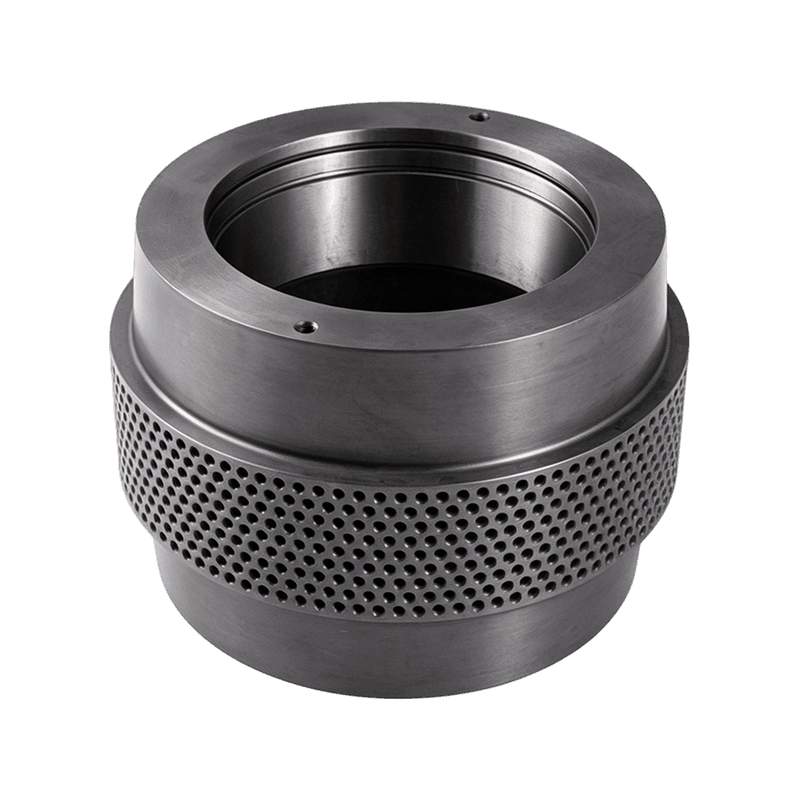
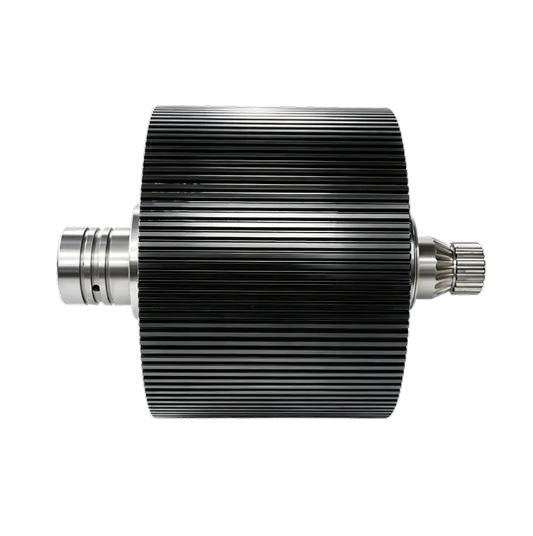
In a typical ring-die pellet mill, the die rotates around the rollers. Each pressure roller assembly sits on an eccentric shaft, and a hydraulic, pneumatic, or mechanical system pushes the roller outward against the inner surface of the die. Friction between die, material, and shell rotates the roller, the material is squeezed into the die holes, and a stationary knife cuts the pellets as they emerge.
The key point is that the full pressing force of the machine passes through this assembly. That is why the condition of the assembly changes the pellet almost immediately.
The Roller Shell Is the Working Surface
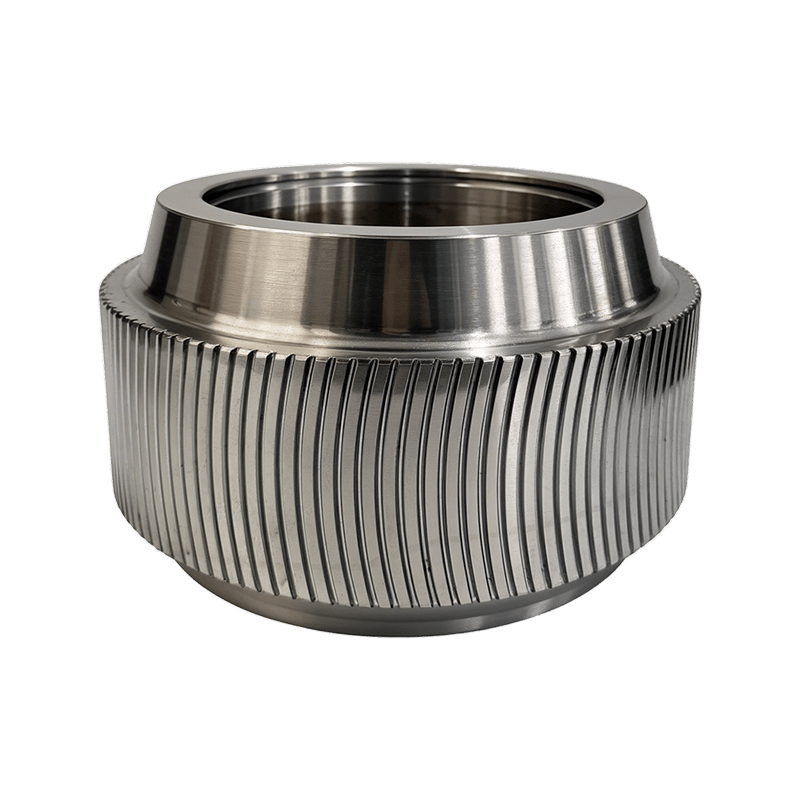
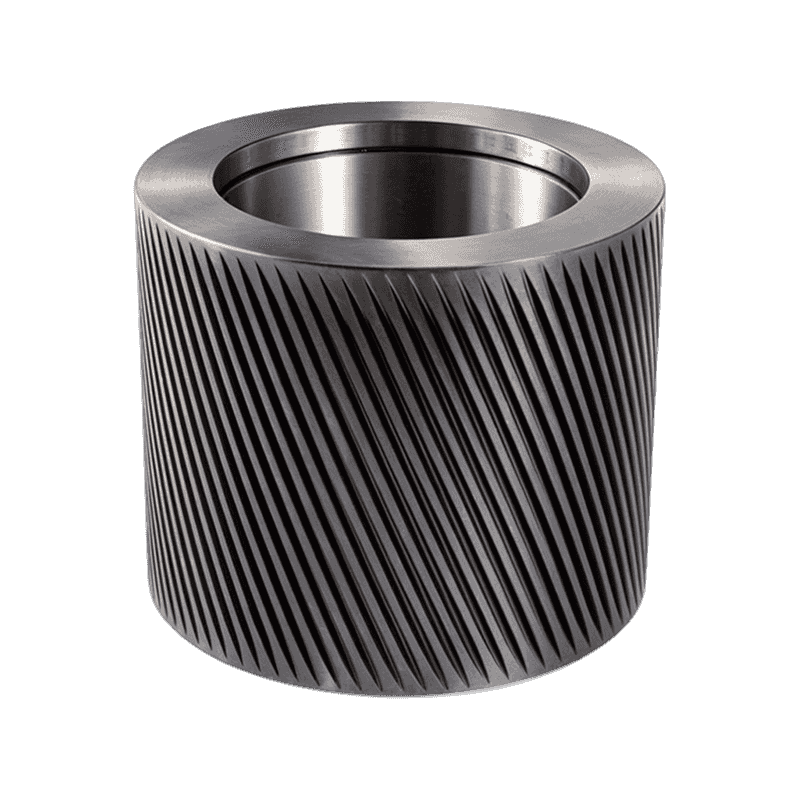
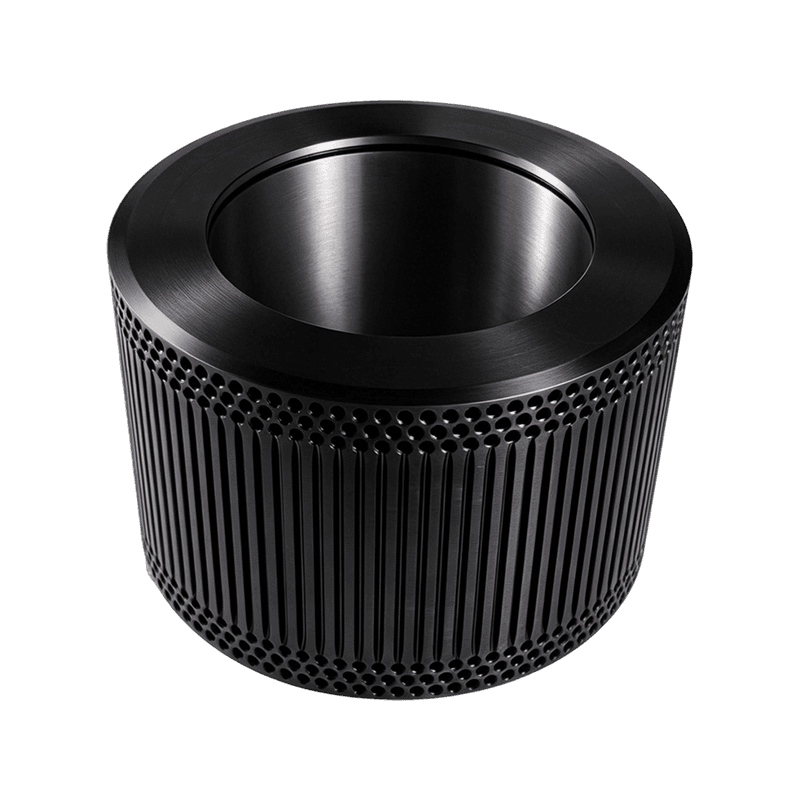
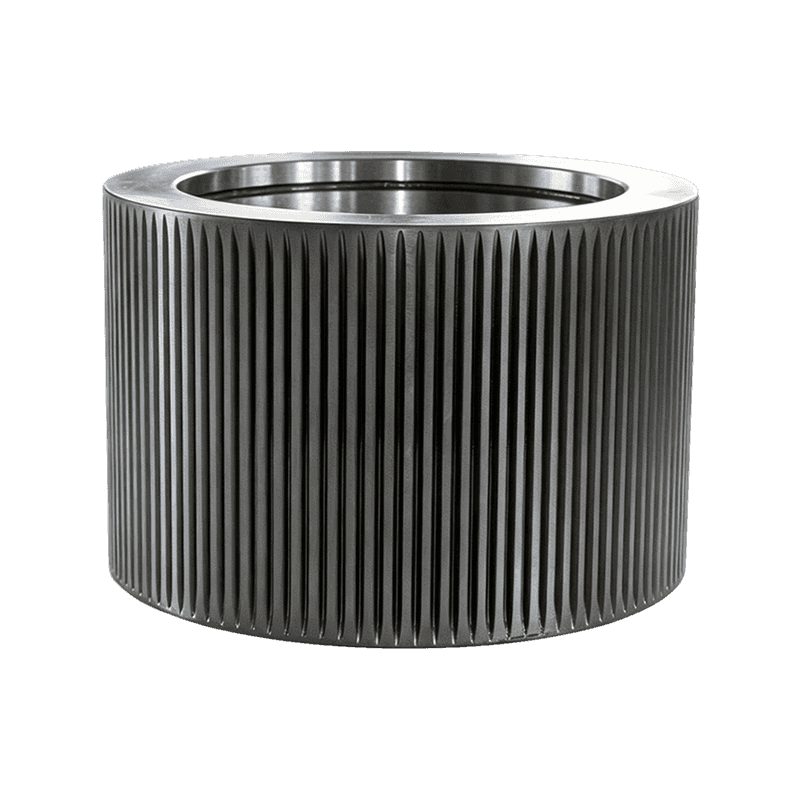
The shell is the removable outer layer that contacts the material bed. It absorbs abrasive wear from the raw material, fatigue from every rotation, and heat from continuous compression. Its outer diameter and width are matched to the ring die, and its surface hardness is the main factor in service life.
Bearings, Seals, and the Eccentric Shaft Carry the Remaining Work
Behind the shell, the roller bearings carry the radial load, the seals keep fines and moisture away from the bearing, and the eccentric shaft allows the roller position to be adjusted in relation to the die. A fault in any of these parts is hard to see from outside, yet it shortens the life of the entire assembly while the shell still looks acceptable.
Main Components of a Pressure Roller Assembly
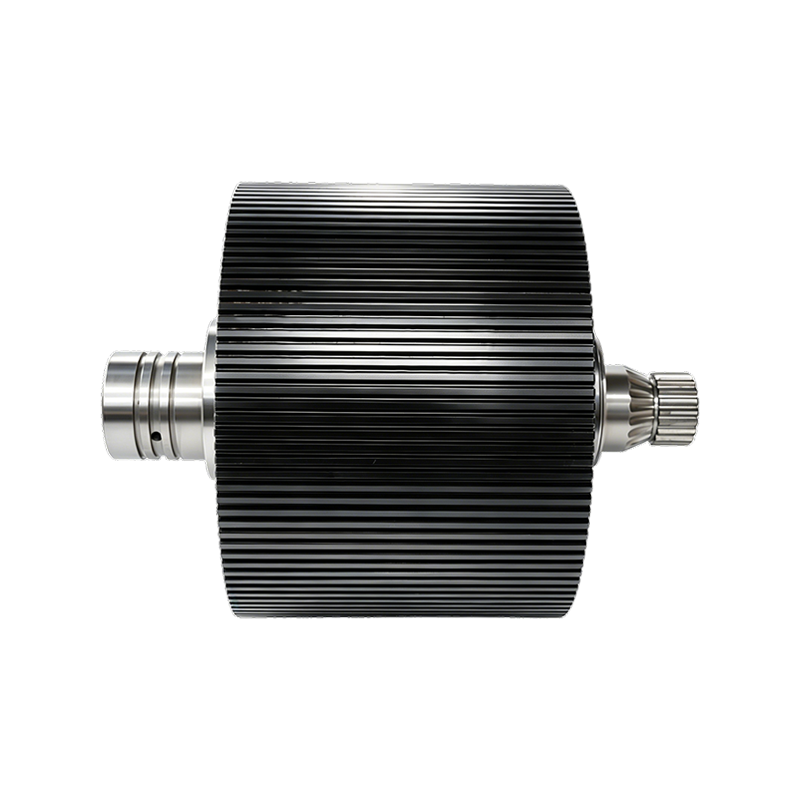
A typical unit consists of the roller shell, one or two bearings, the eccentric shaft, oil seals, and retention hardware. Each component has a defined duty, and each fails in a different way. Comparing them side by side makes routine inspection easier.
| Component | Primary function | Most common failure |
|---|---|---|
| Roller shell | Compresses the material bed against the ring die | Flat wear, step wear, surface cracking |
| Roller bearings | Carry the radial load while the shell rotates | Overheating, pitting, spalling |
| Eccentric shaft | Supports the assembly and adjusts the roller-to-die gap | Fatigue, bending, damaged keyways |
| Oil seals | Keep grease in and block dust and moisture | Leakage, torn lips, contamination |
| Fasteners and spacers | Hold bearing preload and running clearance | Loosening, corrosion |
Signs of a Failing Pressure Roller Assembly
The first warnings appear in two places at once: the pellet and the machine. If pellet density becomes uneven, fines increase, and the mill vibrates or draws uneven current, inspect the roller assembly before blaming the ring die.
- Uneven pellet hardness or a rising share of fines
- Vibration or knocking from the press chamber
- A flat or stepped wear pattern on the roller shell
- Bearing housing that runs hot to the touch
- Darkened grease, or grease containing metal particles
Shell Wear Shows Up in Pellet Quality First
Shell wear is seldom uniform. A shell that has lost its original profile cannot compress the material evenly, so pressure drops where the wear is deepest and pellet density follows. Once the wear reaches through the hardened layer, running it longer only wastes energy and risks damage to the die.
Bearing and Seal Failure Ends in a Seized Assembly
When a seal fails, fines mix with the grease and act as abrasive paste inside the bearing. Heat appears first, then noise, then play, then a seized or spun bearing that ruins the eccentric shaft. At that stage, replacing only the shell makes little sense because the supporting parts are already damaged.
What to Check Before You Buy a Replacement
Compared with the ring die, a pressure roller assembly is a smaller purchase, yet it has an outsized influence on uptime and pellet consistency. The following checks apply to feed, biomass, and fertilizer lines alike.
Start with the machine rather than the catalog. Use the mill builder's part number, or measure the roller width, outside diameter, and shaft geometry. The assembly must suit the ring die inner diameter and the adjustment range of the eccentric system.
Then question the material and heat treatment. Good shells are alloy steel, through-hardened or case-hardened to roughly 58 to 62 HRC. A softer shell wears quickly; a shell that is too hard risks cracking under shock loads.
Check the bearing package as well: bearing type and number, preload method, and grease specification. A bearing that simply fits but carries a lower rating will fail early in continuous production.
Confirm the critical dimensions and tolerances. The roller shell outside diameter influences the roller-to-die gap, and runout affects even compression. Ask for measured values rather than catalog numbers.
Finally, look at the supplier's process control. Consistent results come from controlled raw material, forging, heat treatment, and final machining. A supplier that manages the whole chain is easier to trust than one that only assembles purchased parts.
- Roller width, outer diameter, and shaft fit
- Material grade and hardness range, typically 58 to 62 HRC
- Bearing type, number, preload, and grease
- Roundness, runout, and surface finish
- Process control from raw material to final machining
Assembly-Level Replacement Versus a Shell Only
Replacing the complete assembly brings preloaded bearings, correctly placed seals, and a fresh working surface in one shot. It also removes the risk that hidden wear in the bearing or shaft shortens the life of a new shell. Planned downtime becomes easier to predict because one stop finishes the job.
Buying only the shell makes sense when the existing shaft has been checked, the bearing clearance is still within spec, and the old unit has shown no signs of heat or contamination. In continuous production, most teams choose the full assembly anyway, because the price difference is small compared with a second failure inside the press chamber.
Maintenance Habits That Extend Assembly Life
The first line of defense is lubrication discipline. Follow the mill builder's grease grade and interval; a common rule of thumb in dusty conditions is re-lubricating the rollers every eight operating hours. Do not stretch the interval just because the machine appears quiet.
Check bearing play and housing temperature during the daily walk-around. Early detection of play prevents the bearing from spinning on the shaft, which is one of the most expensive failure modes in the press zone. If the mill uses more than one roller, rotate the assemblies so wear stays balanced and the ring die keeps a uniform load.
Make every ring die change an inspection point. A planned stop is the cheapest moment to measure shell diameter, inspect seals, and refresh grease.
The Bottom Line
The pressure roller assembly sits at the center of a pellet mill's most demanding work. Its job is simple, but its construction, wear, and replacement have an outsized effect on uptime and pellet quality. Inspect the shell and listen to the bearing, replace the assembly as a matched system rather than a handful of parts that happen to fit, and keep lubrication on schedule. Those three habits will return more uptime than almost any other maintenance routine in the mill.