

 English
  中文简体
中文简体  русский
  Español
  عربى
عربى 

Industry News
GCr15 Bearing Steel Pellet Roller Shell: A Buyer's Material Guide for Pellet Mills
Three hundred hours into the run, the roller shell on the number two pellet mill is already flat in the middle, output is dropping, and the maintenance team is costing a replacement. The usual suspect is not bad luck; it is material selection. The conclusion up front: if your mill presses abrasive feed, wood, or fertilizer around the clock, a bearing steel GCr15 pellet roller shell will typically deliver the longest wear life of any common shell material, provided the steel has been correctly hardened and the shell profile matches your die.
This article explains what GCr15 is, why it works in a pellet mill pressing chamber, where it falls short, and what to verify before you buy. It is written for maintenance managers, production engineers, and purchasing teams who need a practical material comparison rather than a catalog page.
Content
What GCr15 Bearing Steel Is and Why It Works in a Roller Shell
GCr15 is a high-carbon chromium bearing steel produced to Chinese standard GB/T 18254. In Europe, the same type of steel is designated 100Cr6 under EN ISO 683-17, and North American buyers will recognize it as materially close to AISI 52100. The name is shorthand: G stands for bearing steel, Cr for chromium, and 15 for a nominal chromium content of about 1.5 percent.
Bearing steels are not general-purpose construction steels. They are designed for one punishing duty: rolling contact fatigue. A bearing race carries a rolling element millions of times without cracking. A pellet roller shell carries the same kind of repetitive, high-pressure contact between the shell teeth and the ring die, while abrasive raw material is squeezed in between. That makes bearing steel a natural fit for the job.
The two ingredients that matter most are carbon and chromium. High carbon allows the steel to become very hard after quenching. Chromium forms hard carbide particles that act as microscopic armor against abrasive wear. The rest of the specification is about cleanliness: tight limits on phosphorus and sulfur reduce the risk of embrittlement and internal defects.
| Element | Typical Range in GCr15 |
|---|---|
| Carbon (C) | 0.95–1.05% |
| Chromium (Cr) | 1.30–1.65% |
| Silicon (Si) | 0.15–0.35% |
| Manganese (Mn) | 0.20–0.45% |
| Phosphorus (P) | 0.025% max |
| Sulfur (S) | 0.025% max |
These numbers matter in practice. A GCr15 shell with the correct composition responds predictably to heat treatment and reaches a consistent hardness across the whole working surface. A shell made from off-grade material will not, no matter how carefully it is machined.
Hardness and Wear Performance in the Pressing Chamber
After the full hardening sequence, GCr15 roller shells typically sit at 58–63 HRC on the working surface. Some bearing components are quoted as high as 60–66 HRC, but for roller shells, a controlled range near the middle balances hardness against the risk of chipping.
How Hardness Translates to Service Life
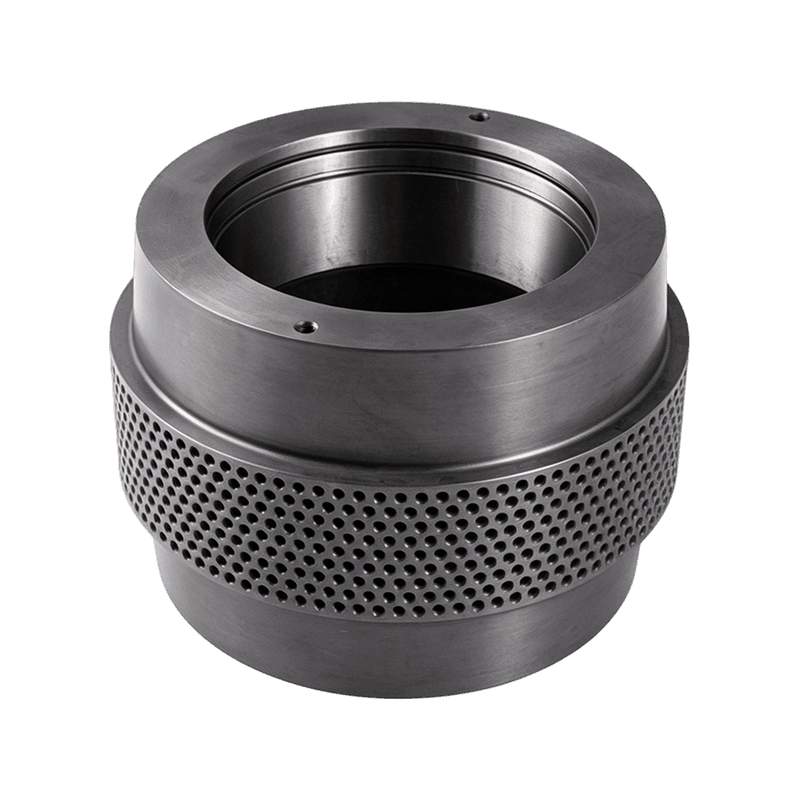
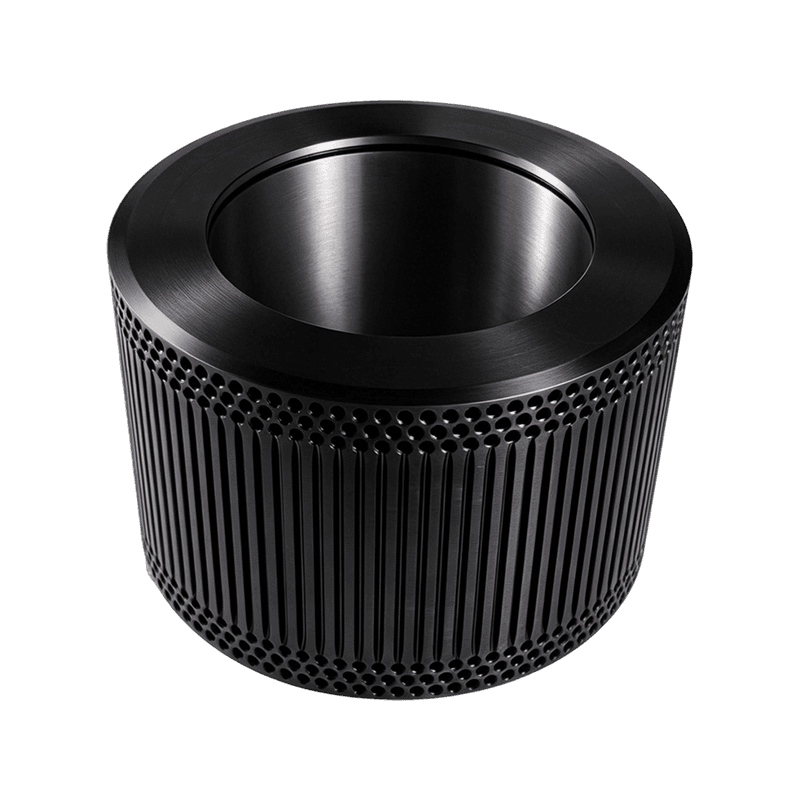
Abrasive wear is a surface-speed contest. Hard particles from the raw material — silica, sand, ash, and fibrous cell walls — dig into the shell surface under high pressure. The harder that surface is, the slower they dig. For this reason, a properly hardened GCr15 shell will normally outlast standard quenched-and-tempered alloy shells on abrasive feedstocks by a significant margin, and it will keep the pressing gap and pellet quality stable for much longer. The fine carbides in the martensitic matrix do the real work: they protrude slightly from the surface and resist the micro-cutting action of abrasive grains. Our GCr15/100Cr6 bearing steel roller shell is hardened and tempered specifically for this kind of continuous feed and biomass duty.
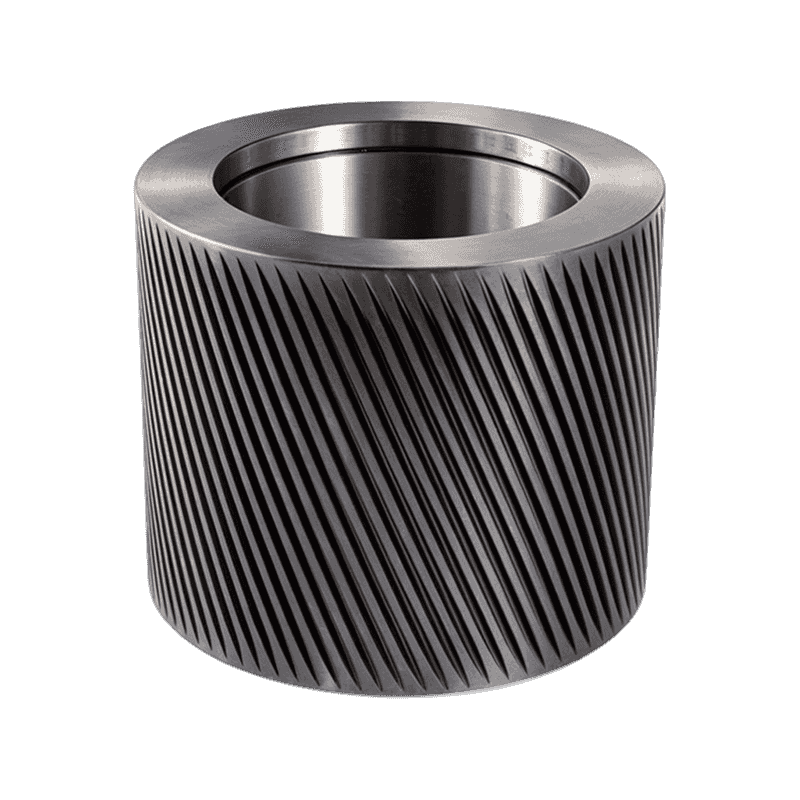 Custom Bearing Steel GCr15/100Cr6 Pellet Roller Shell Supplier, CompanyAnhui Jindingsheng Machinery Co., Ltd is China Custom Bearing Steel GCr15/100Cr6 Pellet Roller Shell Supplier and Company. Product Overvi...View Product →
The Toughness Trade-Off
Hardness is the main advantage of GCr15 and also its main limitation. A fully hardened bearing steel shell has less impact toughness than case-hardened or spring steel shells. If tramp metal, a broken die bolt, or a hard foreign object enters the nip between the shell and the die, the shell can chip or spall at the point of impact. GCr15 rewards good upstream discipline: magnets, screens, and careful material cleaning become part of the operating system.
Heat Treatment and Process Control Decide the Real Result
A steel grade is a recipe, not a result. GCr15 in the delivered, annealed condition is relatively soft and unsuitable for a working surface; every property that makes it valuable is created during heat treatment. The production sequence for a GCr15 roller shell is:
- Spheroidizing annealing, so the bar stock machines cleanly and with a uniform structure.
- Precision turning of the outer diameter, bore, keyway, and tooth profile.
- Quenching from the austenitizing range, typically 830–860°C.
- Low-temperature tempering, typically 150–180°C, to relieve stress without sacrificing hardness.
- Final grinding or finishing of the working surface to the specified diameter and surface quality.
Small process drift changes the finished part. A quenching temperature shift of only 10–15°C can move hardness by several HRC points, and insufficient tempering leaves internal stress that may cause cracking later. This is why buying from a supplier that controls raw material, forging, machining, and heat treatment in one place is not a marketing preference; it is the main safeguard against receiving a shell that looks correct and fails early.
GCr15 Versus Other Roller Shell Materials
Roller shells on the market are made from several steels, and the right choice depends on what is pressing through the die. The table below compares the most common options at their typical finished hardness.
| Material | Typical Hardness | Wear Resistance | Toughness | Best Suited For |
|---|---|---|---|---|
| GCr15 / 100Cr6 | 58–63 HRC | Highest among common shell steels | Lower | Abrasive materials, stable continuous runs |
| 40Cr alloy steel | 45–52 HRC | Moderate | Good | General feed lines, low-abrasive ingredients |
| 20CrMnTi alloy steel | 58–62 HRC carburized case | High | High | Impact risk, fluctuating load, abrasive feed |
| 60Si2Mn spring steel | 45–55 HRC | Moderate | Highest elasticity | High-vibration operations, shock loads |
Read the table from the user's side: if the reason your current shells are scrapped is uniform wear and thinning, GCr15 is the most direct upgrade. If the reason is cracked teeth or broken edges, the problem is impact, and you need a different material strategy rather than a harder one.
When GCr15 Is the Best Choice
Continuous, high-tonnage lines are where GCr15 earns its place. Typical candidates include wood pellet production with abrasive bark and sand contamination, animal feed with mineral additives, and fertilizer granulation blends. In these applications the shell runs for long shifts at a stable load, and the cost of a shell change — labor, downtime, and spare stock — is high. GCr15 extends the interval between changes and keeps pellet dimensions consistent over the lifetime of the shell. It also wears in a balanced way when matched with a similar-hardness ring die, so the nip geometry stays stable.
When You Should Look Elsewhere
If the failure mode is chipping at the tooth tips or cracks through the shell body, switch the strategy from higher hardness to higher toughness. A carburized shell such as our 20CrMnTi alloy steel roller shell builds a hard, wear-resistant case over a comparatively tough core, which absorbs impact without sacrificing surface life. In operations with vibration, frequent start-stop cycles, or shock loading, our 60Si2Mn spring steel roller shell offers elasticity and crack resistance, with a lower hardness level you accept in exchange for reliability.
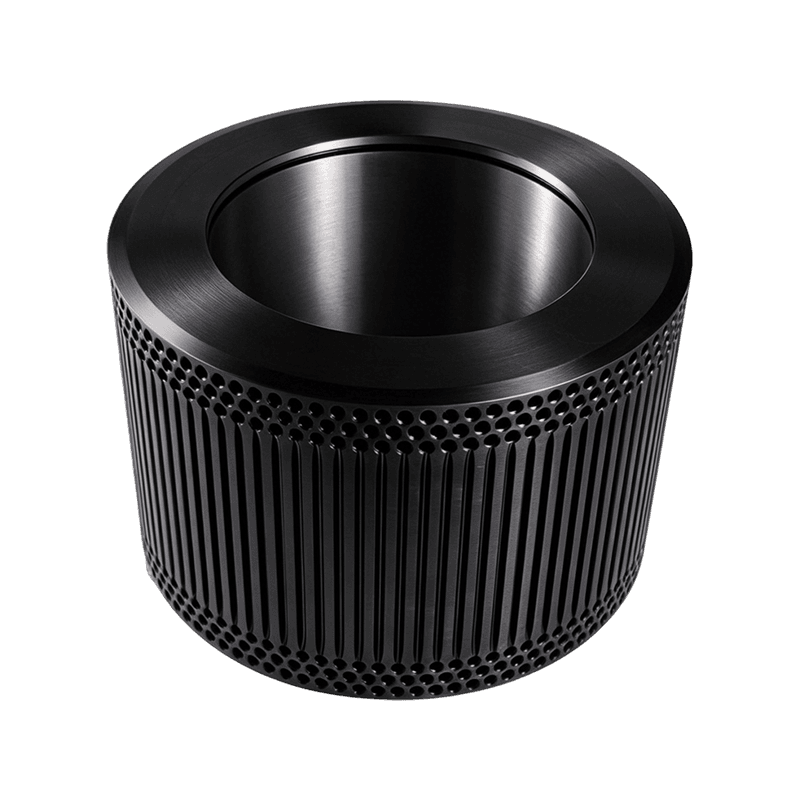 Custom Spring Steel 60Si2Mn Pellet Roller Shell Supplier, CompanyAnhui Jindingsheng Machinery Co., Ltd is China Custom Spring Steel 60Si2Mn Pellet Roller Shell Supplier and Company. Product Overview A ...View Product →
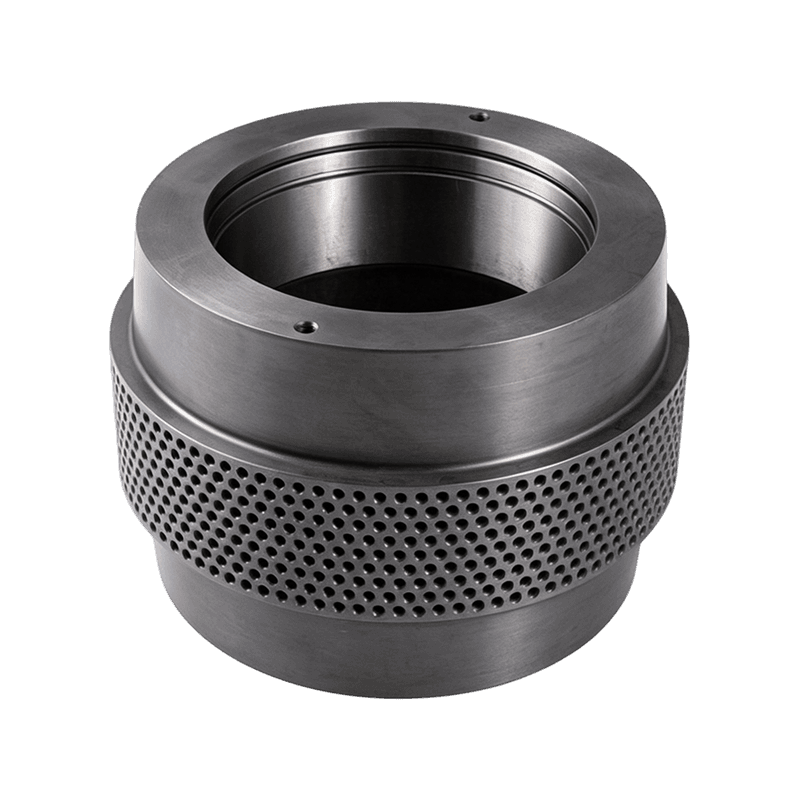 Custom Alloy Steel 20CrMnTi Pellet Roller Shell Supplier, CompanyAnhui Jindingsheng Machinery Co., Ltd is China Custom Alloy Steel 20CrMnTi Pellet Roller Shell Supplier and Company. Product Overview A h...View Product →
Buying Considerations for GCr15 Roller Shells
Once the material decision is made, the purchasing checklist decides whether the theory survives contact with production.
- Certification. Ask for material certificates confirming that the heat and composition comply with GCr15 under GB/T 18254 or an equivalent 100Cr6 specification.
- Finished hardness range. The data sheet should state the hardness range after heat treatment, not just the grade of raw steel.
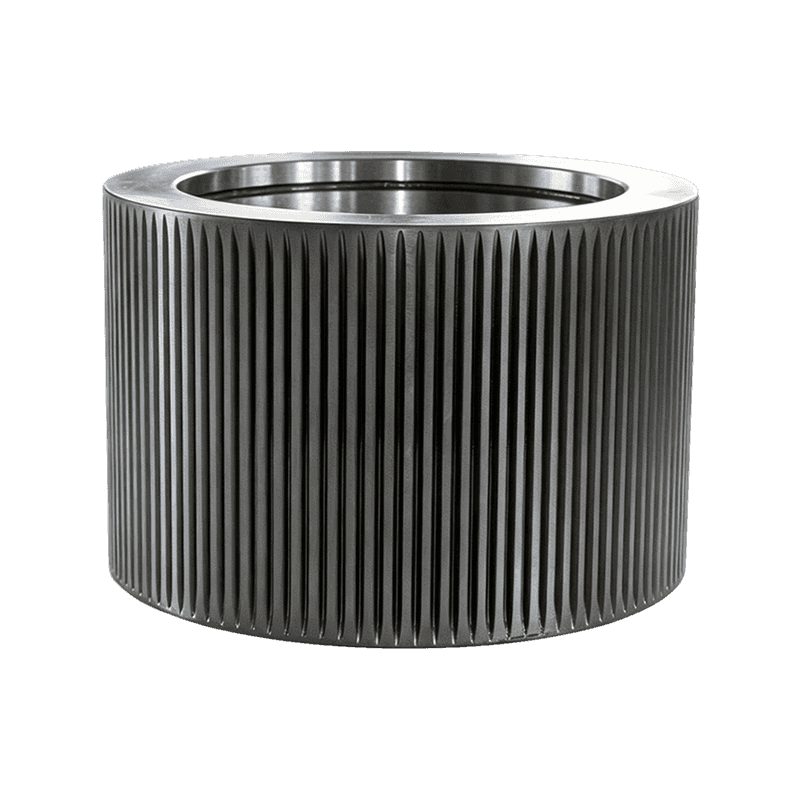
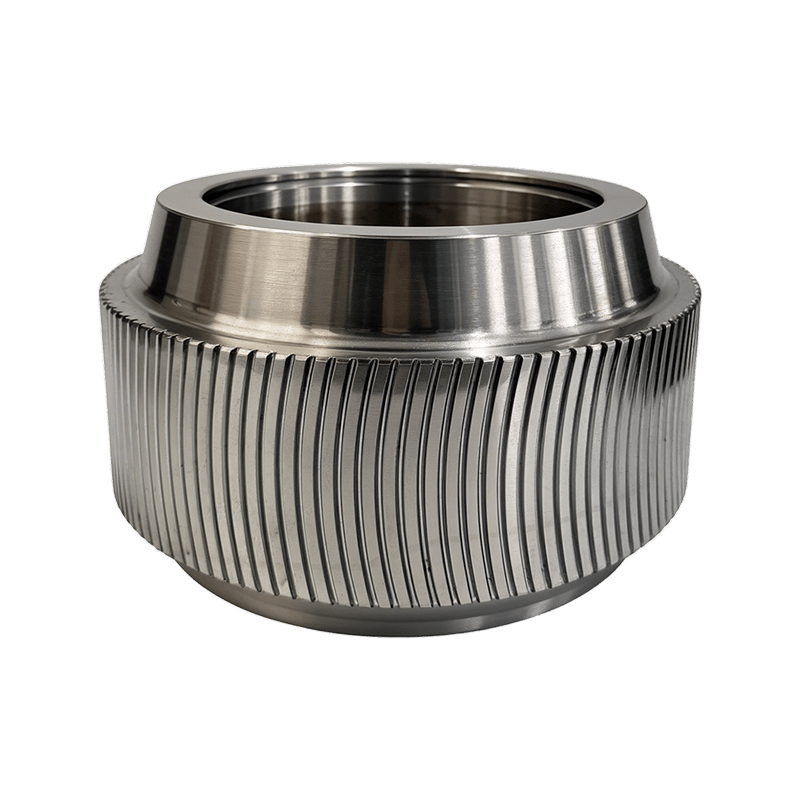
- Tooth profile. Coarse teeth grip bulky materials; fine teeth suit powdery feed; a curved-tooth profile improves material draw-in and reduces slip on slippery ingredients.
- Dimensions. Outer diameter, width, bore, keyway, and fixing details must match the roller assembly exactly, because a small deviation creates uneven load and early failure.
- Supplier process control. Ask whether the supplier forges, heat-treats, and finishes in-house or buys in blanks. In-house control gives traceability and consistency.
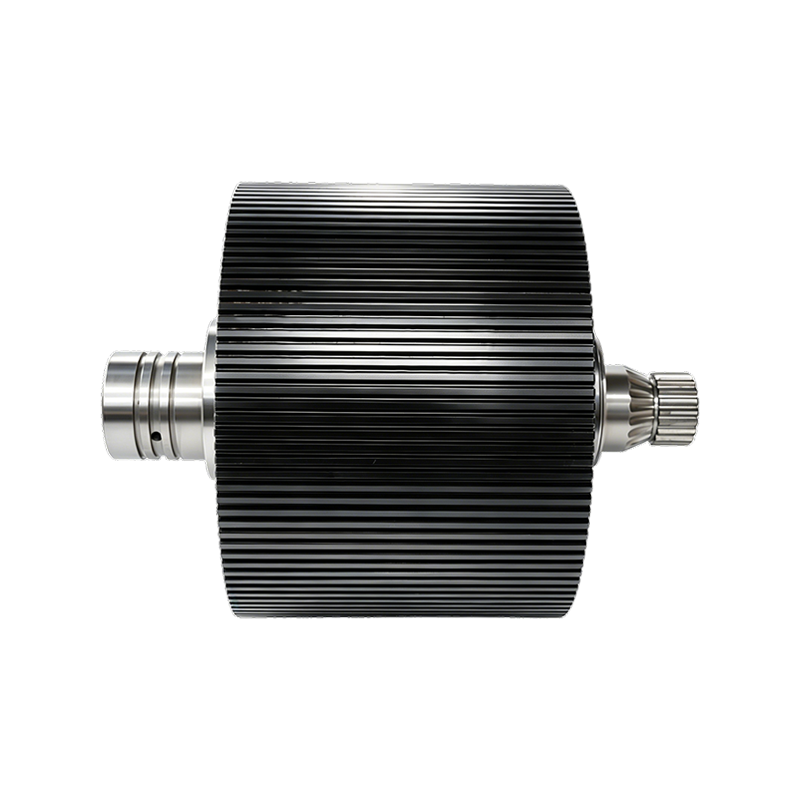
Replacing the shell is only half of the maintenance job. The same roller assembly contains bearings, seals, and oil slingers that wear on their own schedule, and understanding how pressure roller assemblies wear over their service life helps you plan changes that minimize unscheduled downtime.
The Bottom Line for Buyers
GCr15 bearing steel is the default answer for pellet mill operators who want maximum wear life and are prepared to protect the pressing chamber from foreign objects. It offers the highest hardness and abrasive wear resistance among the common roller shell steels, and its rolling-contact fatigue strength is exactly what the pressing chamber demands.
The material alone, however, is not a guarantee. Heat treatment, tooth geometry, and fitting accuracy decide the hours you get out of a shell. A supplier that can demonstrate control over the entire process — from raw material to finished roller shell — is worth more than a slightly lower price on a part that might not be hardened correctly.
To review the options against your actual maintenance plan, our complete product range covers GCr15, 40Cr, 20CrMnTi, and spring steel shells in one place.

Get In Touch
Follow us
Quick Links
Contact Us
Email : ysf@jindingsheng.com.cn
Address : No. 19, Qiucun Town Industrial Concentration Zone, Guangde City, Xuancheng City, Anhui Province
