

 English
 中文简体
 русский
 Español
 عربى


Industry News
Pellet Machine Parts: Choosing Roller Shells, Assemblies & Spares for Maximum Uptime
A feed mill in Vietnam lost six hours of production when a roller shell cracked at the bolt counterbore, and the replacement part ordered from a broker carried a different bore tolerance than the original. The repair cost 3,200 USD in airfreight and overtime, about twelve times the shell's invoice value. Most pellet plant downtime follows the same sequence: a wear failure, a wrong specification, and a mismatch discovered during installation.
This guide covers the pellet machine parts that actually decide mill uptime: roller shells, pressure roller assemblies, eccentric shafts, and internal components. It explains how to specify them so the replacement fits the first time, wears predictably, and does not fail early under normal load.
Content
- 1 Which Pellet Machine Parts Fail First?
- 2 Roller Shell Materials: Match Hardness to Your Operating Conditions
- 3 Tooth Profile: The Most Overlooked Pellet Machine Parts Specification
- 4 When to Replace the Full Pressure Roller Assembly
- 5 Eccentric Shafts and Internal Components: Small Parts, Big Failures
- 6 Supplier Checklist: How to Vet a Parts Maker
- 7 FAQ: Pellet Machine Parts
Which Pellet Machine Parts Fail First?
Roller shells and ring dies cause the majority of wear-related downtime in ring die pellet mills. In normal operation the shell presses the feedstock into the die holes under roughly 100 to 150 MPa of contact pressure, which makes the shell surface the first part to lose its profile.
The failure sequence in a typical mill is predictable:
- Roller shell surface wear, peening, or cracking on the working face
- Ring die hole enlargement and erosion at the die face
- Eccentric shaft bearing seat wear from contamination or lost preload
- Internal component failures such as deformed spacers and leaking oil slingers
Because the sequence is predictable, scheduled maintenance concentrates on the shell and die. Unexpected stoppages almost always trace back to a part that was inspected too late or specified incorrectly.
Roller Shell Materials: Match Hardness to Your Operating Conditions
Surface hardness is the single best predictor of roller shell wear life, but hardness without core toughness produces a brittle part that cracks under shock load. The correct choice balances a hard working surface against a core that can absorb impact.
Four steel grades cover most of the replacement market: 40Cr, 20CrMnTi, GCr15/100Cr6, and 60Si2Mn. They differ in how the hardness is developed, either through-hardening or carburizing, and that difference affects both wear rate and failure mode.
| Steel grade | Surface hardness | Case and core behavior | Best suited for |
| 40Cr (AISI 5140) | 28 to 34 HRC | Uniform through hardness, tough core | General feed pellets, moderate output |
| 20CrMnTi | 58 to 62 HRC | Hard carburized case, tough low-carbon core | Abrasive biomass and high-pressure feed |
| GCr15 / 100Cr6 | 58 to 63 HRC | Fully hardened, lower impact tolerance | Clean feed lines, continuous high throughput |
| 60Si2Mn | 40 to 46 HRC | Spring-grade toughness, high fatigue strength | Shock loads and intermittent operation |
Typical surface hardness after recommended heat treatment, in HRC
Field data from pellet plants shows a 30 to 50 percent improvement in shell life when switching from 40Cr to a carburized grade under abrasive feed conditions. The improvement comes from case depth as much as from surface hardness.
Case depth is the depth below the working surface where hardness remains above the minimum acceptable level. For carburized 20CrMnTi shells, specify a minimum effective case depth of 1.5 mm on the working face. Below that, the case collapses under contact pressure and the shell fails by plastic deformation, not by wear.
Supply risk is real in this market. Low-cost shells labeled GCr15 sometimes fail a portable spectrometer check because they contain no measurable chromium. Ask for the mill certificate and verify the grade before installation, not after a premature failure.
For clean feed lines running continuously, a fully hardened bearing steel shell such as GCr15/100Cr6 delivers the longest interval between changes.
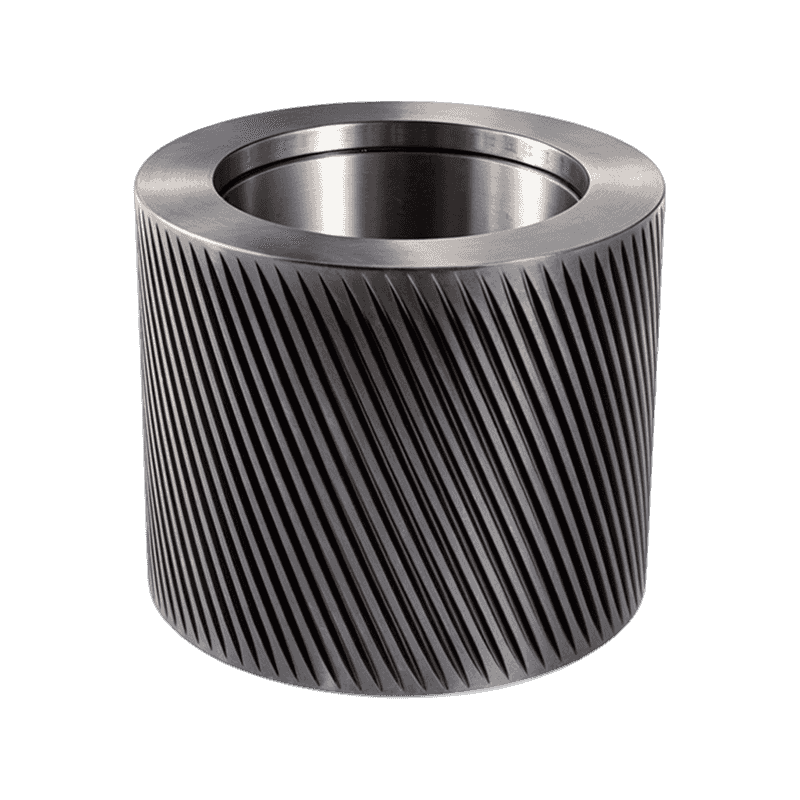
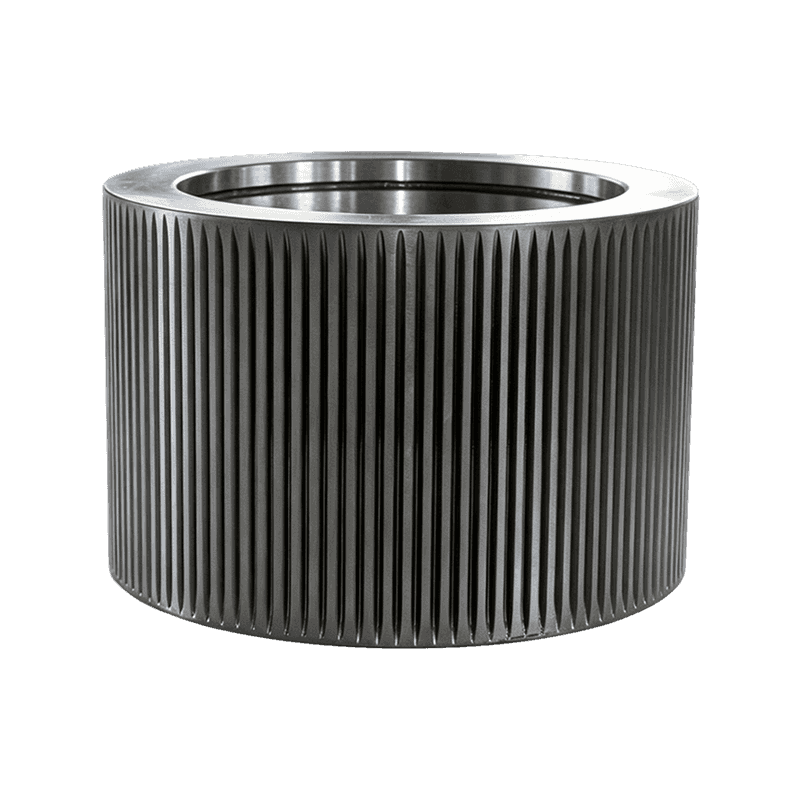
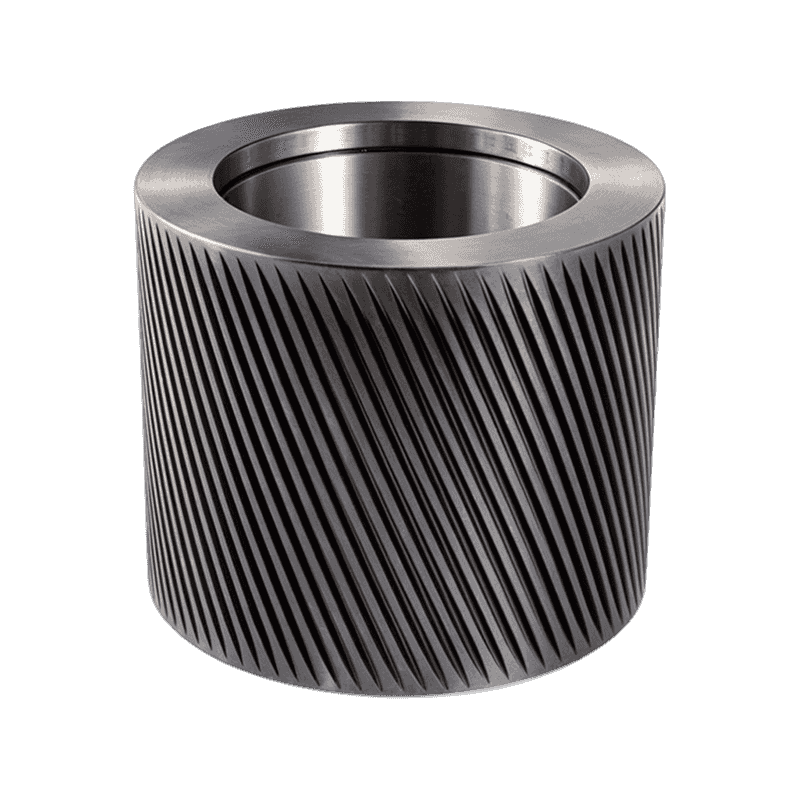 GCr15/100Cr6 Bearing Steel Pellet Roller ShellThis fully hardened bearing steel roller shell suits continuous feed lines seeking long service life. Its tooth geometry affects material bite and die feeding, making it a reliable choice for high-load pelletizing conditions.View Product →
Tooth Profile: The Most Overlooked Pellet Machine Parts Specification
Tooth geometry determines whether the shell catches the material and pulls it into the nip zone. A shell made of the correct steel but the wrong profile will slip, glaze, and starve the die.
Match the profile to the formulation, not just to the machine:
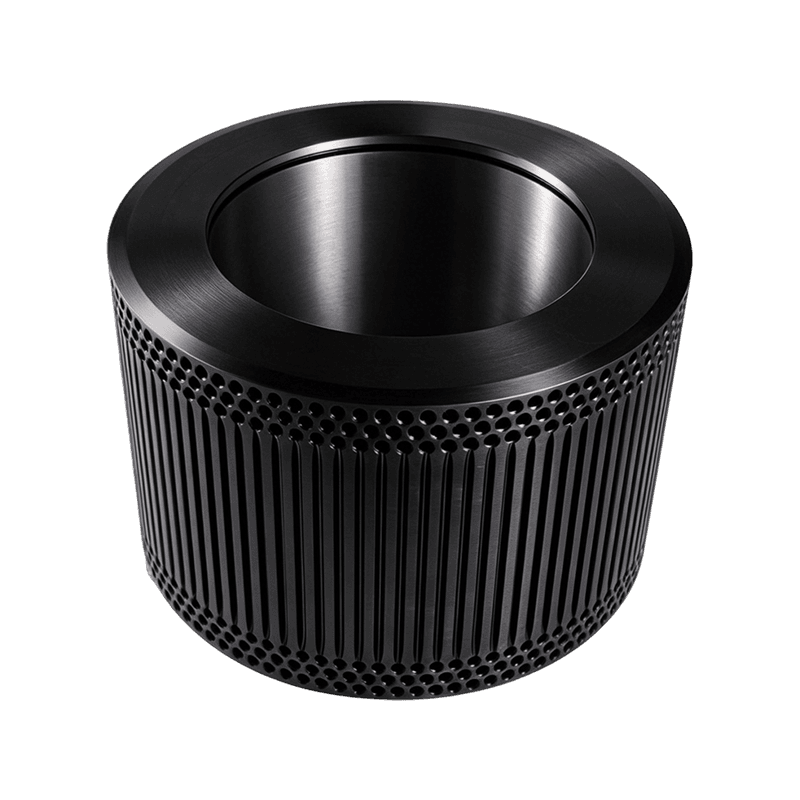
- Standard corrugated teeth suit dry, free-flowing mash with stable moisture
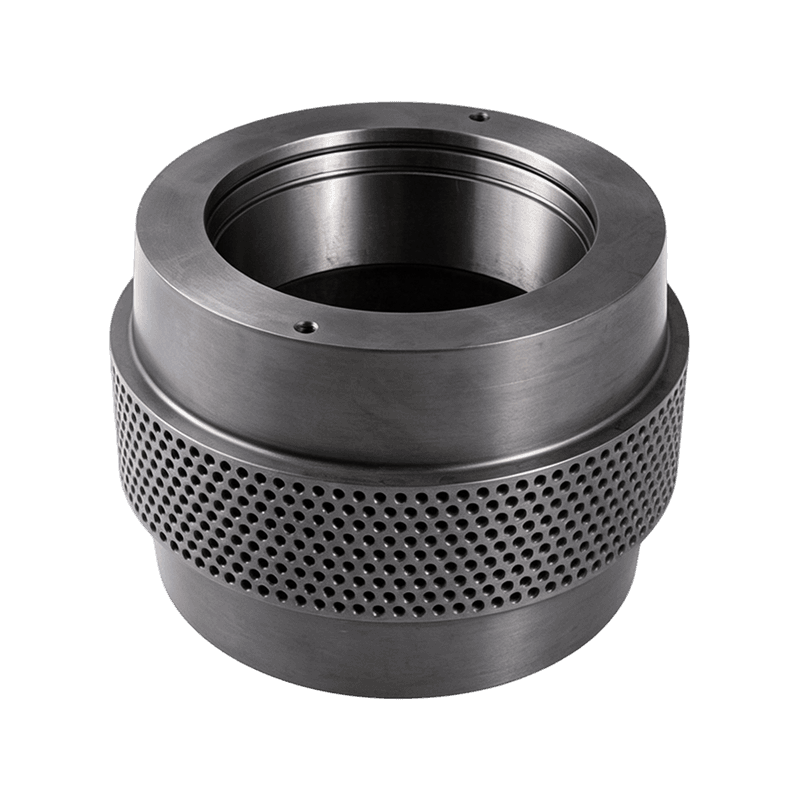
- Dimpled shells improve grip on high-moisture and high-fat formulations
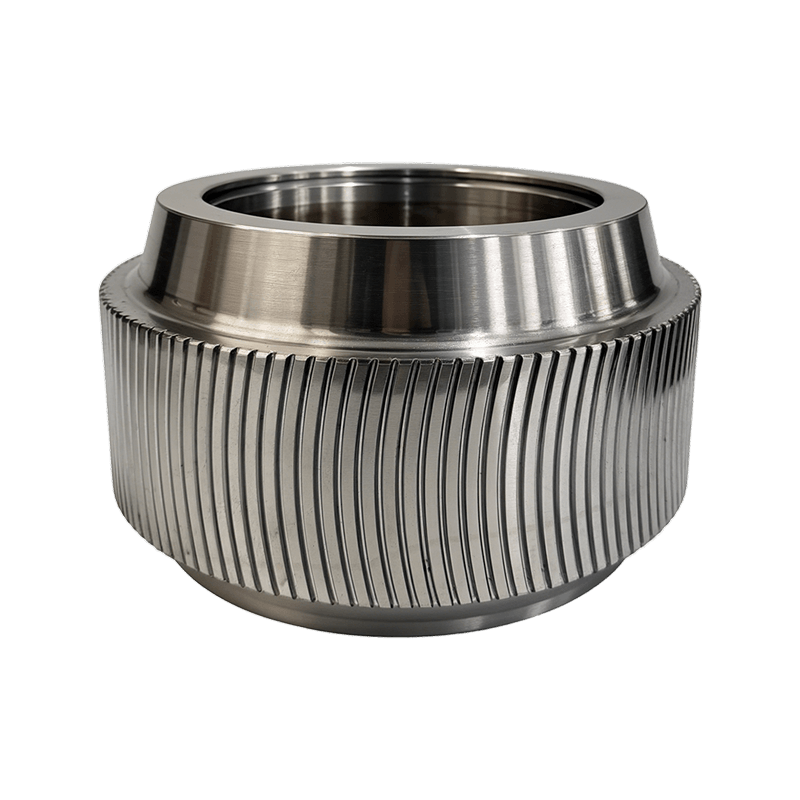
- Curved-tooth shells use an angled entry that bites into slippery or oily material more aggressively
The profile also affects how the shell and die age together. Running a new shell against a worn die concentrates stress on a smaller contact area, and plants commonly see output drop by 15 to 20 percent in that condition. Measure die wear before you schedule the changeover.
When to Replace the Full Pressure Roller Assembly
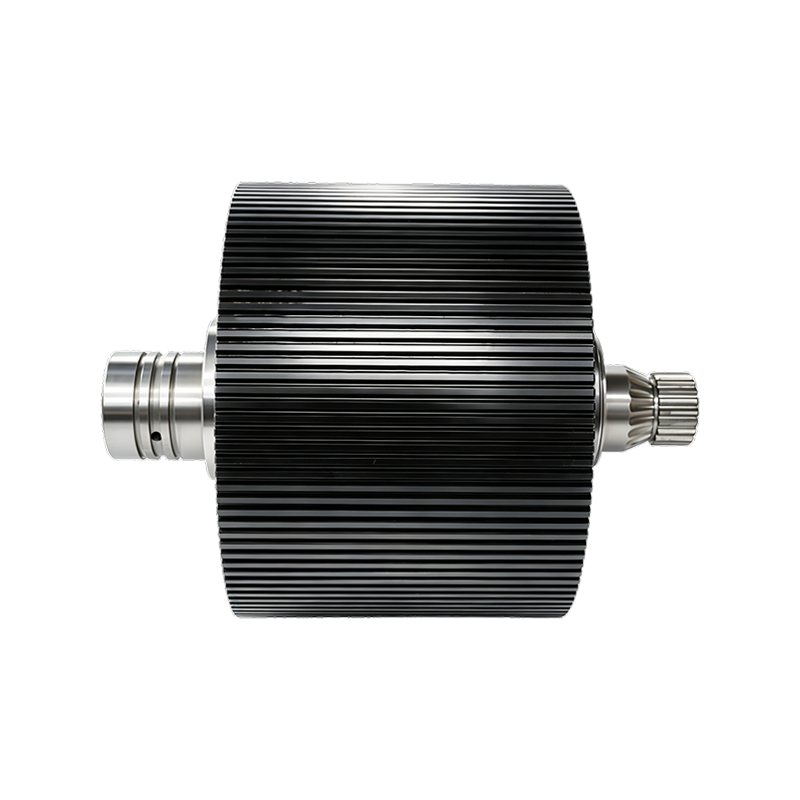
Replace the complete pressure roller assembly when bearings are noisy, seals are leaking grease, or the shell has lost more than 1 mm of tooth profile. A pressure roller assembly is the full rotating unit that presses material against the die: the roller shell, bearing set, oil seals, spacer sleeve, and retaining hardware.
Understanding how pressure roller assemblies are constructed and where they wear makes the replacement decision straightforward.
Shell-only replacement
- Lower part cost per change
- Requires bearing pull, inspection, and re-fit at the mill
- Risk of seal damage or preload error during assembly
- Longer changeover time on a running line
Full assembly swap
- Preassembled with matched bearing clearance and preload
- Shorter planned stop because no on-site pressing work
- Consistent tolerance between shell, shaft, and seal
- Higher upfront cost, usually recovered in one avoided breakdown
Plants that run 24/7 consistently choose full assemblies for planned stops. For smaller mills where labor is available and tolerances can be checked, shell-only replacement remains cost-effective.
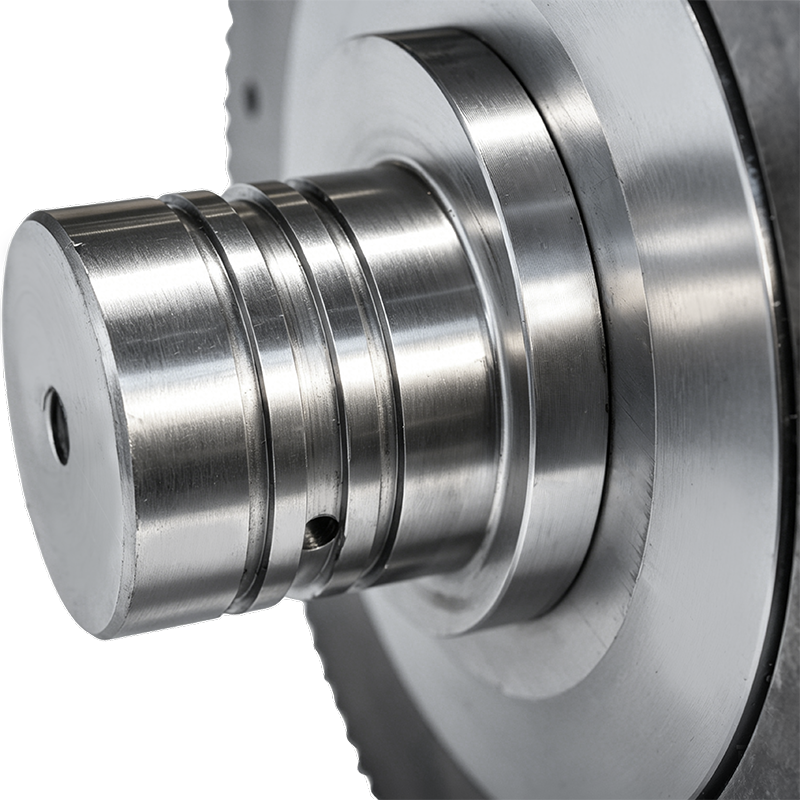 High-Productivity Ring Die Roller Shell AssemblyA complete assembly with alloy steel shell, tapered roller bearings, and sealing system for 24/7 plants. It maintains precise roller-to-die gap, improves material grip, and reduces downtime during planned maintenance stops.View Product →
Eccentric Shafts and Internal Components: Small Parts, Big Failures
An eccentric shaft failure is rarely caused by the shaft itself; it usually starts as a lubrication or alignment failure at a seal, spacer, or bearing gland that was skipped during maintenance.
The eccentric shaft rotates to move the roller toward or away from the die, setting the nip gap. When the bearing seat wears, the controlled gap becomes an oval, output drops, and the roller shell begins to knock. Shafts are typically supplied in 45 steel for standard duty, 40Cr for improved strength, or 42CrMo for high-torque machines that run abrasive materials.
Internal components get even less attention and fail just as predictably:
- Bearing gland end covers keep grease in and contamination out
- Oil slingers and deflectors direct lubricant toward the bearing race
- Precision spacers and spacer rings set the correct bearing preload
A deformed spacer destroys bearing preload, and a bearing running without preload can fail within hours. When ordering internal parts, confirm the width tolerance; a spacer that differs from the original by 0.1 mm changes the entire load path.
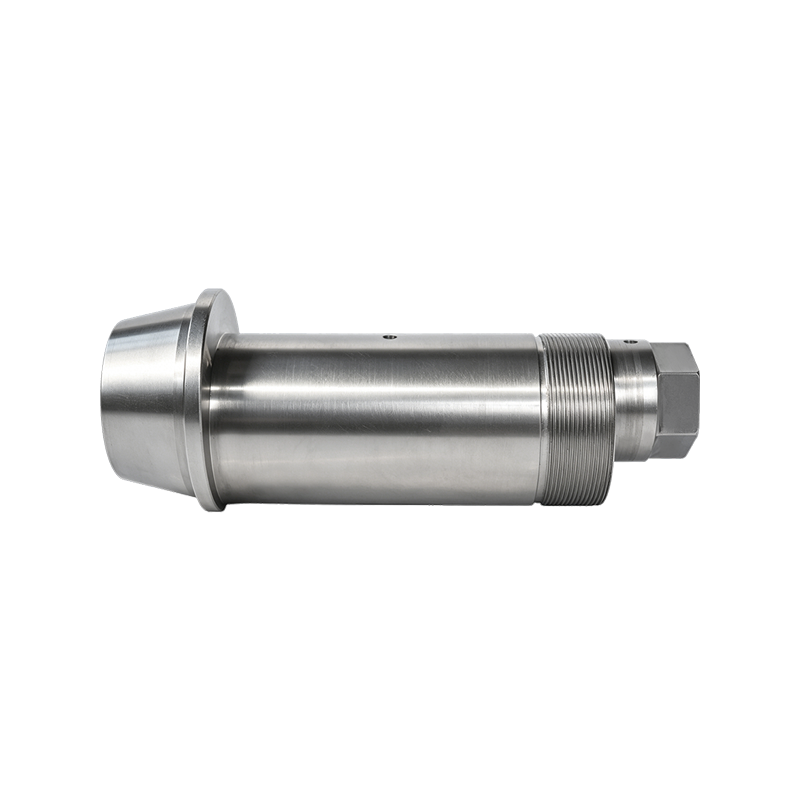 42CrMo Alloy Steel Eccentric ShaftPrecision-forged and heat-treated 42CrMo shaft for pellet mills. Its dimensional accuracy and surface finish protect bearing preload and alignment, which are critical when replacing internal parts during maintenance.View Product →
Supplier Checklist: How to Vet a Parts Maker
Evaluate the supplier's process, not only the price. The parts that fit and live longest come from manufacturers who control material, heat treatment, and final dimensions in one place.
Use this checklist for every new source:
- Request a mill certificate with the heat number and chemical composition for each batch
- Confirm hardness testing is done on finished parts, not only on a witness coupon
- Verify bore, keyway, and concentricity tolerances against the original drawing or your own measurements
- Ask about stock and lead time; a two-week emergency airfreight order can cost more than the part itself
- Confirm the warranty covers premature wear or fracture under documented operating parameters
Anhui Jindingsheng Machinery Co., Ltd. manufactures pellet machine parts in its 14,509 square meter facility in Guangde, and controls the flow from raw material, forging, precision machining, and heat treatment. The company supplies roller shells, pressure roller assemblies, eccentric shafts, and internal components as a one-stop parts service, with exports to the United States, Japan, South Korea, Vietnam, France, Bangladesh, Russia, India, and the Philippines.
FAQ: Pellet Machine Parts
How often should pellet machine roller shells be replaced?
Typical service life ranges from 800 hours on abrasive biomass to 1,500 hours on clean feed lines. The practical trigger is tooth profile loss; when the tooth height is reduced by about one-third, replace the shell before cracks initiate.
What is the difference between open-end and closed-end roller shells?
An open-end shell is a machined sleeve where the bearing sits against a shoulder and the shaft passes fully through. A closed-end shell has one closed end, so the bearing is captured in a pocket and the heat path to the outer surface is different. Choose the style that matches your mill's bearing arrangement.
Cracks in premium shells usually come from clearance problems, not steel quality. An oversized roller shaft or an undersized bore removes the preload, the shell flexes under load, and fatigue cracks start at the keyway or bolt holes. Measure the bore and shaft before installation.
Should I always replace the ring die when I change the roller shell?
Not every time, but you should measure the die face. If the countersink depth has doubled or the die face shows 0.5 mm or more of radial wear, a new shell against the old die creates uneven pressure and shortens the new part's life.

Get In Touch
Follow us
Quick Links
Contact Us
Email : ysf@jindingsheng.com.cn
Address : No. 19, Qiucun Town Industrial Concentration Zone, Guangde City, Xuancheng City, Anhui Province
