

 English
 中文简体
 русский
 Español
 عربى


Industry News
pellet mill components: Applications, Selection Criteria, and Practical Guidance
A 520 mm ring die line in a Midwestern feed mill lost 24 percent of its throughput in three weeks. The die was still within spec; the roller shells were not. Their tooth profile had flattened, so the shells skidded over the feed instead of forcing it through the die holes. That sequence - output drops, motor load climbs, die life shortens - is almost always a component problem, not a machine problem.
Pellet mill components are the replaceable wear parts inside the pressing chamber that convert motor torque into compaction force. The set includes roller shells, the ring die, eccentric shafts that drive the rollers, and the internal parts that seal and lubricate the bearing assembly: gland end covers, oil slingers, and spacer rings. Replace them as a coordinated set and track their wear, and you get predictable uptime. Ignore them, and you get emergency stops and scrapped dies.
Content
The press chamber is a compact system: the roller shells press conditioned material outward against the rotating ring die, and friction between the shell, the material, and the die holes forms the pellet.
Two or three roller shells, each mounted on an eccentric shaft, rotate inside the die. Each shell pinches a thin layer of material against the die inner surface and pushes it into the die holes. The mechanical load is concentrated in three areas: the shell surface, the die inner face, and the bearing journals behind the shells.
| Component | Function | First sign of failure |
| Roller shell | Compresses material against the die | Flattened teeth, slipping, output drop |
| Ring die | Shapes the pellet column | Reduced throughput, rough pellet surface |
| Eccentric shaft | Drives the roller orbit | Vibration, bearing journal wear |
| Bearing gland end cover | Seals the bearing cavity | Oil leakage, groove wear |
| Oil slinger / deflector | Throws oil into the bearing | Bearing noise, overheating |
| Spacer ring | Sets axial clearance | End-play, uneven roller wear |
The eccentric shaft creates the rolling action: its offset journal makes the shell rotate eccentrically, so every point of the shell surface takes a fresh bite of material. The shaft absorbs cyclic bending loads, which is why material selection matters - 45 steel for standard feed duty, 40Cr for higher fatigue strength, and 42CrMo for the toughest continuous operations. On large mills, a complete pressure roller assembly bundles the shell, shaft, and support parts into one replaceable unit.
Roller Shell Materials: Hardness, Wear Life, and Real-World Trade-Offs
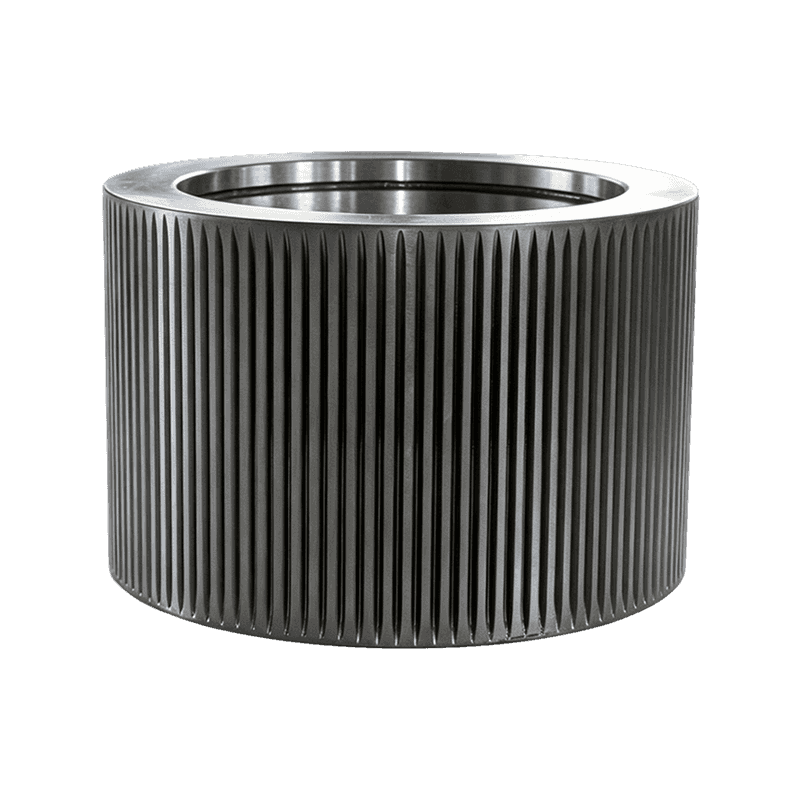
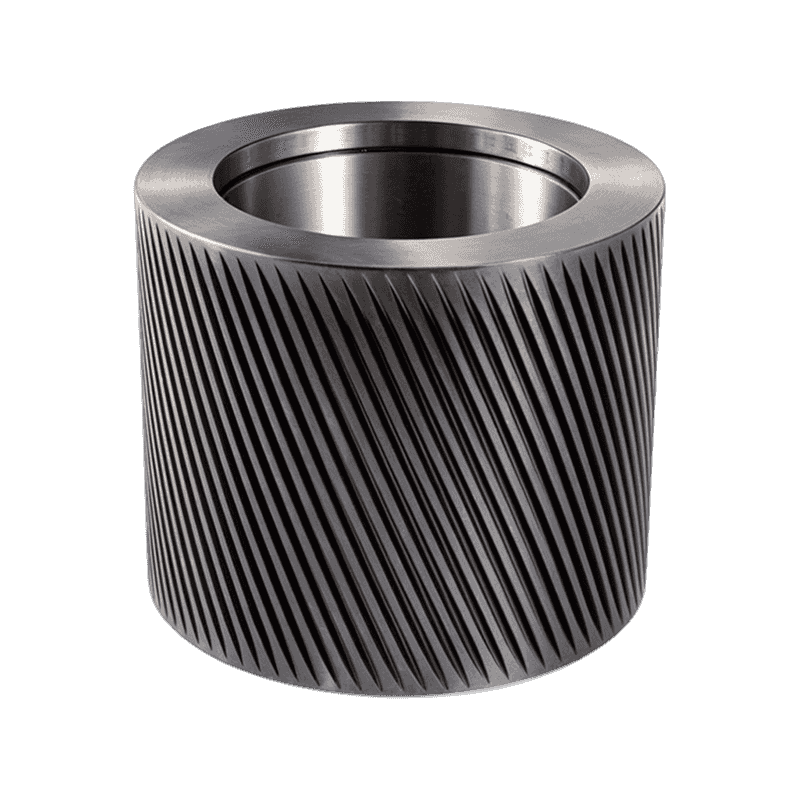 GCr15/100Cr6 Bearing Steel Pellet Roller Shell for High-Stress MillsThis roller shell is made from high-carbon chromium bearing steel, offering fatigue resistance and surface integrity for heavy-duty pelleting of biomass, feed, and wood fiber, making it a durable choice where shell hardness and core toughness are critical.View Product →
Roller shell material selection is a direct trade-off between surface hardness, core toughness, and cost per ton of pellets.
Hardness resists abrasive wear from silica in the feed; toughness resists cracking under impact. No single grade gives the maximum of both. Four materials cover nearly every roller shell specification in this role:
- 40Cr alloy steel - quenched and tempered to 40-48 HRC. General-purpose grade with a balanced strength-to-cost ratio for standard feed formulas.
- 20CrMnTi - carburized case reaches 58-62 HRC on a tough low-carbon core. Handles abrasive materials and high compression ratios without chipping.
- GCr15 / 100Cr6 bearing steel - through-hardened to 58-63 HRC with the highest wear resistance and best dimensional stability for high-tonnage runs.
- 60Si2Mn spring steel - heat-treated to 44-50 HRC with excellent elasticity. Bends rather than cracks under severe impact, useful for wood pellet lines.
| Material | Surface hardness (HRC) | Wear resistance | Core toughness | Best suited for |
| 40Cr | 40-48 | Good | Good | General feed, moderate loads |
| 20CrMnTi | 58-62 case | High | High | Abrasive feed, high pressure |
| GCr15 / 100Cr6 | 58-63 | Very high | Moderate | Continuous high-tonnage runs |
| 60Si2Mn | 44-50 | Moderate | Very high | Impact loads, wood pellets |
Field data from poultry feed lines shows GCr15 / 100Cr6 roller shells commonly lasting 6,000 to 8,000 metric tons, while 40Cr shells are swapped at 3,500 to 4,500 tons. On wood pellets, 20CrMnTi and GCr15 both outlast 40Cr, but 20CrMnTi resists chipping better when oversize particles enter the chamber. The premium shell cost is recovered in fewer changeouts, lower energy bills, and less die wear.
Confirm that the eccentric shaft and bearings can carry the extra hardness load; a harder shell transfers more force to the die and the bearing assembly. The full hardness and wear data set appears in the published bearing steel roller shell buying guides on this site.
Eccentric Shafts and Internal Components: The Supporting Cast
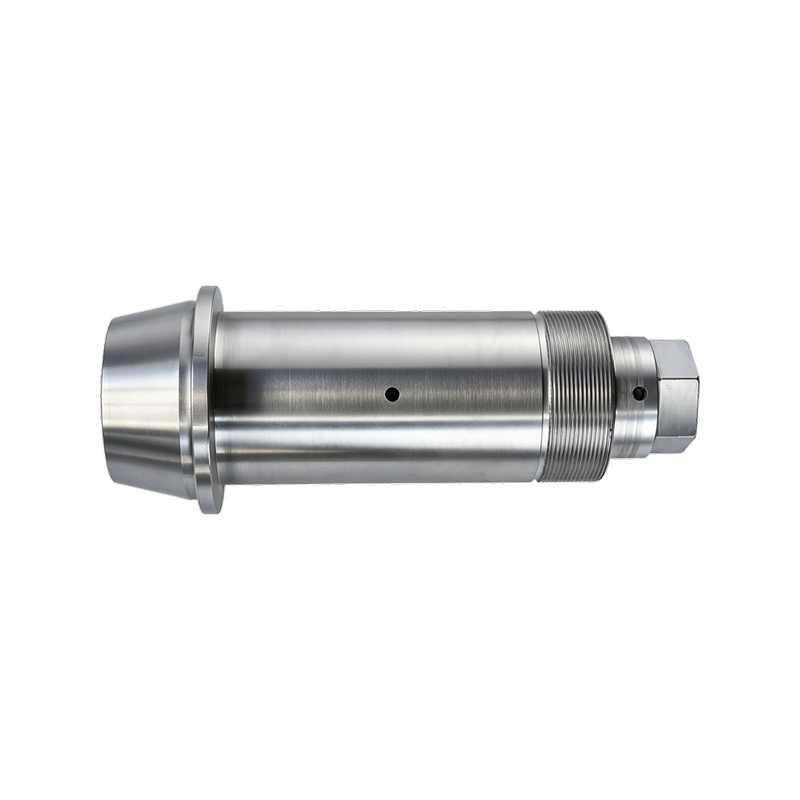 40Cr Alloy Steel Eccentric Shaft for Pellet Mill and Automotive UseThis 40Cr eccentric shaft provides high fatigue strength and uniform hardness, suitable for demanding industrial applications. It is a key component in pellet mill press chambers and automotive variable valve lift systems, with precision CNC machining.View Product →
Eccentric shafts and internal components fail less often than roller shells, but when they fail, they take the entire press chamber down with them.
The eccentric shaft sits behind each roller shell and converts main shaft rotation into the orbital motion that turns the shell. Its bearing journals wear, the eccentric lobe develops fatigue cracks, and the keyway opens up if the shell seizes. Replacing an eccentric shaft in the field is a multi-hour job, so inspection intervals matter as much as the material grade:
- 45 steel eccentric shaft - adequate for motors up to roughly 90 kW on standard feed duty.
- 40Cr eccentric shaft - higher fatigue strength; recommended for 110 kW and above or high-compression feed formulas.
- 42CrMo eccentric shaft - maximum strength and toughness for wood pellet presses and heavy continuous service.
The internal components finish the job. A bearing gland end cover seals the bearing cavity against dust and grease loss. An oil slinger, or deflector, rotates with the shaft and throws lubricant across the bearing race. A precision spacer ring sets the axial clearance of the roller assembly. All three are machined from 45 steel, and their wear is invisible until the bearing overheats or roller end-play exceeds specification.
How to Match Pellet Mill Components to Your Die and Raw Material
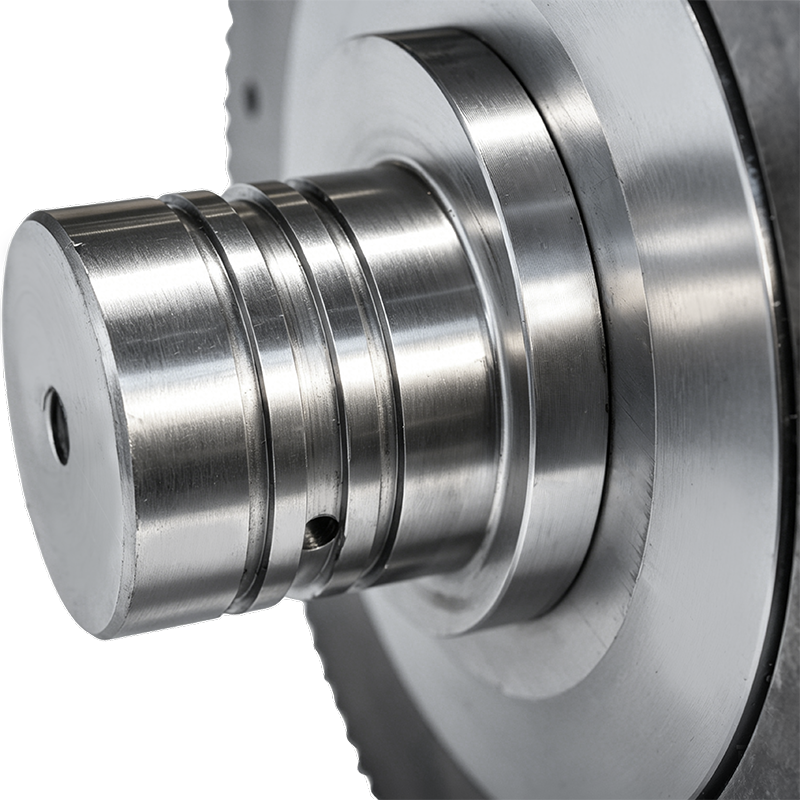 Alloy Steel Ring Die Roller Shell Assembly with Heavy-Duty BearingsThis complete roller assembly features hardened alloy steel shells (20CrMnTi or 40Cr), custom tooth profiles for grip, and sealed tapered roller bearings, ensuring consistent pellet quality and high throughput in biomass and feed production.View Product →
The correct replacement component is defined by the die compression ratio, the raw material abrasiveness, and the motor power on the mill, not by the machine brand.
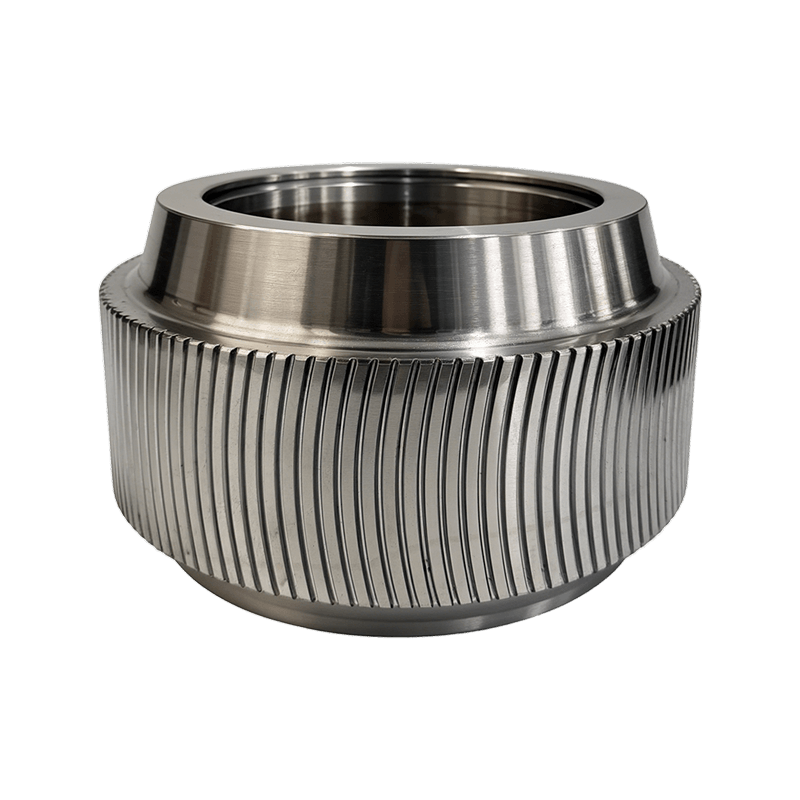
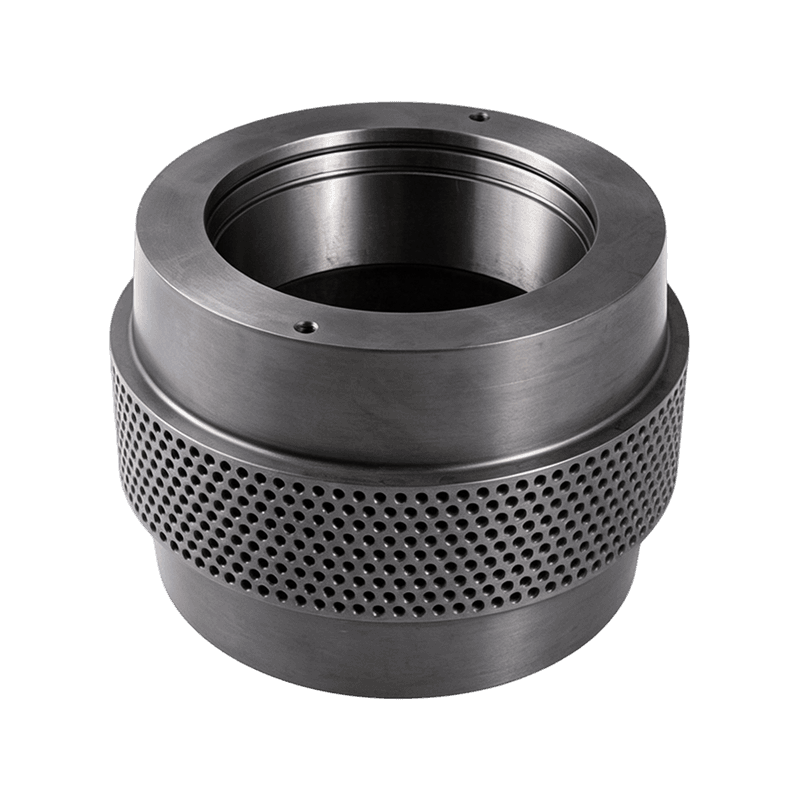
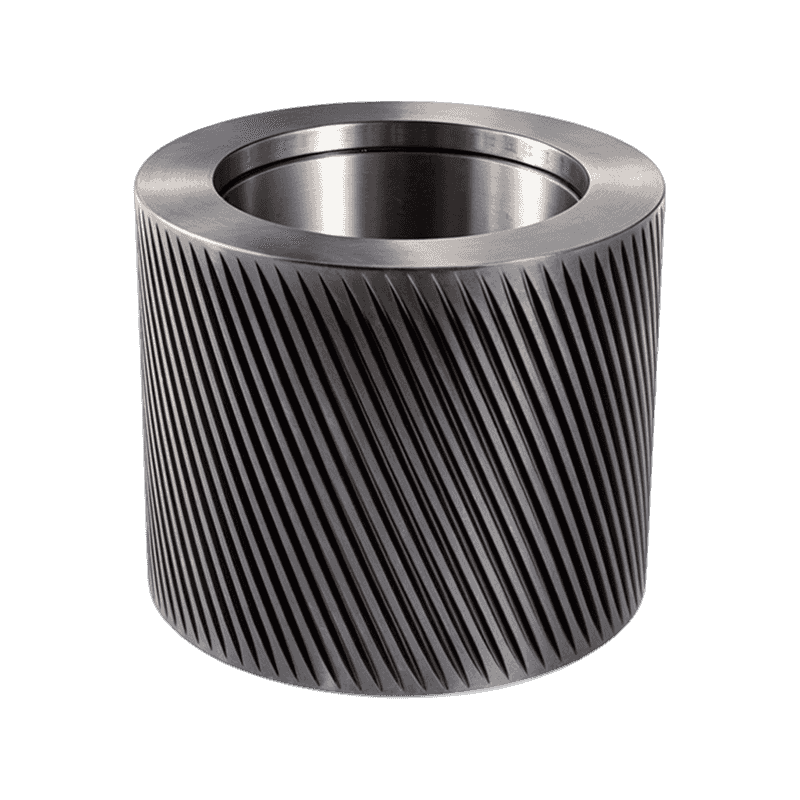
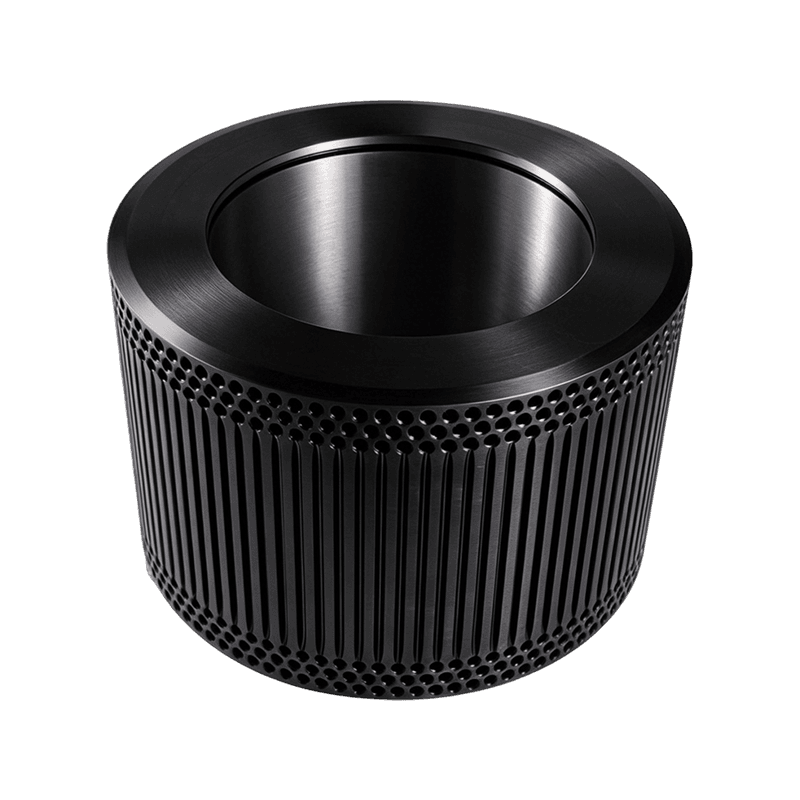
A feed pellet made on a 6 mm die with a 1:8 compression ratio behaves differently from a wood pellet produced on an 8 mm die at 1:5. High-compression feed indents softer shells quickly; wood fiber punishes shells with impact from knots and oversized chips. Corrugated shells grip wood and fibrous material, dimpled shells handle moist feed, and curved-tooth shells improve bite on sticky formulas.
- Measure the outer diameter of the existing shell and verify the roller-to-die clearance in the maintenance manual.
- Select the tooth profile to match the material: corrugated, dimpled, or curved-tooth.
- Match the eccentric shaft material to motor power and load cycles; never reuse a shaft with a galled journal.
- Replace gland end covers, oil slingers, and spacers every time the roller assembly is changed.
- Log shell life in tons and schedule the next change at 70 percent of expected life.
Operators who want to minimize changeover risk can order a complete pressure roller assembly so the shell, shaft, and support parts arrive as one matched set. This removes the chance of mismatched clearances when parts come from different batches, and it shortens the time the mill stands still during maintenance.
Pellet Mill Components FAQ
Which pellet mill components wear out first?
Roller shells wear first. They make direct frictional contact with the material bed and the die, so the tooth profile flattens progressively. A bearing steel shell on feed typically lasts 6,000 to 8,000 metric tons, while 40Cr changes earlier. After shells, the next wear items are the eccentric shaft bearing journals and the die.
How do I know a roller shell needs replacement?
Watch throughput and motor amperage. When output drops by about 5 percent on the same recipe and moisture, or visible tooth height is down by one-third, replace the shell. Grooves, pitting, and heat discoloration on the shell surface also indicate abnormal contact.
Can I use a harder shell material than the original?
Yes, if the eccentric shaft and bearings are in good condition. A harder shell transfers more load to the die and the bearing assembly, so the shaft journals must be sound. Many feed mills upgrade from 40Cr to GCr15 or 20CrMnTi and extend change intervals by 40 to 80 percent.
What causes roller shell cracking?
Cracks come from impact: tramp metal, oversized hard particles, or a shell worn so thin that the hardened case collapses. Spring steel 60Si2Mn resists impact best, and 20CrMnTi offers a hard case with a tough core. If cracks keep appearing in the same position, check the eccentric shaft bearing for excessive play.

Get In Touch
Follow us
Quick Links
Contact Us
Email : ysf@jindingsheng.com.cn
Address : No. 19, Qiucun Town Industrial Concentration Zone, Guangde City, Xuancheng City, Anhui Province
