

 English
 中文简体
 русский
 Español
 عربى


Industry News
Hammer Mill Hammers: Material Selection, Wear Life, and Replacement Guide
Hammer mill hammers in a Nebraska feed mill had to be replaced three times in one season. The first set lost its square cutting edges after 200 hours. The second set cracked on the first shift when a bolt entered the grinding chamber. The third set, specified with a harder but still impact-tolerant grade, ran 600 hours before the first rotation. The difference was not the brand. It was the metallurgy, the geometry, and the service interval.
Every hammer mill operator faces the same problem: the hammer is a flat steel bar, but its wear life can vary by a factor of three depending on material choice and maintenance discipline. This guide explains what causes hammer wear, which steel grades work in which applications, and how to build a practical replacement schedule.
Content
What Causes Premature Wear in Hammer Mill Hammers?
Premature hammer wear is a mismatch between the hammer alloy and the abrasive load, not a random failure. Hammer mill hammers rotate at 75 to 90 meters per second, impacting the incoming material and absorbing strain on the leading edge. If the feed contains silica, sand, or stalk fragments, the edge wears like a cutting tool dragged through abrasive slurry.
Four factors control the wear rate
- Abrasive content: silica, sand, soil, and fiber raise the wear rate exponentially.
- Hammer tip speed and screen gap: higher speed and tighter clearance increase contact stress.
- Moisture level: feed above 14 percent moisture becomes stickier and more abrasive.
- Alloy hardness and microstructure: a 10 HRC difference can roughly double or halve abrasion life.
The fastest gains usually come from the last factor. Switching from a low-carbon hammer to a properly hardened alloy can reduce cost per ton by 20 to 35 percent, even when the hammer price is higher.
Hammer Mill Hammers: Material Grades Compared
No single steel grade is best for every hammer mill. The choice is a trade-off between hardness for abrasion resistance and toughness for crack resistance. Hardness alone misleads: a 62 HRC hammer resists wear well but may snap when a stone or bolt passes through the chamber.
The chart shows relative wear life under abrasive grain conditions, with the same geometry and operating speed. Use it as a ranking, not a guarantee.
| Material Grade | Hardness (HRC) | Impact Toughness | Best Application | Typical Wear Life (relative) |
| Carburized low-carbon steel | 55-62 surface | Low-medium | Clean grain, low tramp-metal risk | 1.0x |
| 40Cr medium-carbon alloy | 45-52 | Good | Corn, soybean, general feed | 1.2x |
| 60Si2Mn spring steel | 42-48 | Excellent | Feed with contaminants, biomass | 1.3-1.4x |
| 20CrMnTi carburized alloy | 58-62 surface | Medium | Abrasive grain, high-tonnage mills | 1.6x |
| High-chromium white iron | 58-63 | Low | Minerals, low-impact abrasive service | 2.0x+ |
Spring steel (60Si2Mn) is the most common starting point for feed mills because it survives impact without cracking. The same alloy logic appears in other wear parts on the same line: a pellet mill roller shell has to balance hardness and toughness in exactly the same way. When a production line runs both a hammer mill and a pellet mill, matching the alloy philosophy across both components simplifies spare parts and maintenance training.
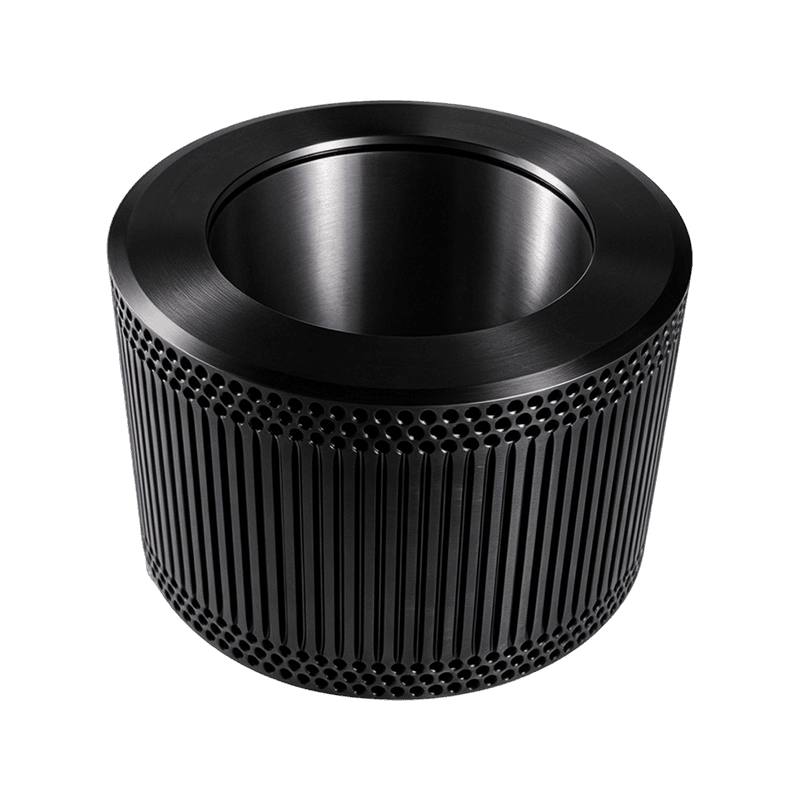 60Si2Mn Spring Steel Pellet Roller Shell for Pellet MillsThis roller shell uses 60Si2Mn spring steel, offering high elasticity and impact resistance for biomass, wood, and feed pelletizing. It suits operations prioritizing shock absorption and fatigue endurance. Its carburizing and quenching process helps prevent oxidation, making it a practical wear part for pellet mill lines.View Product →
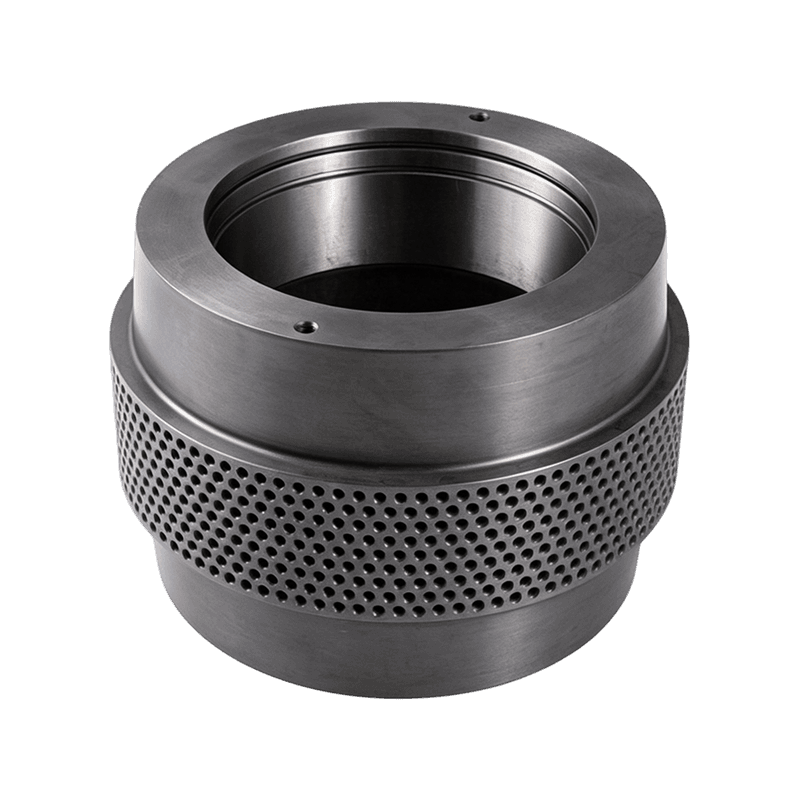 20CrMnTi Alloy Steel Pellet Roller Shell for High-Pressure ExtrusionMade from carburized 20CrMnTi alloy steel, this shell provides a hardened surface with a tough core, handling continuous pressure without cracking. Precision CNC machining ensures compatibility with major brands like CPM, Bühler, Famsun, and Andritz, making it suitable for demanding biomass and feed pelletizing.View Product →
Wear Patterns and When to Reverse or Replace Hammers
Check hammers by wear pattern, not by the calendar. Rotate when the leading corner rounds to about 25 percent of the original width, or when screen throughput drops by 8 to 10 percent at the same motor load. Hammer mill hammers wear in predictable zones; catching the pattern early is the cheapest maintenance you can do.
Field inspection procedure
- Isolate and lock out the mill, then open the grinding chamber.
- Measure the four working corners of each hammer with a caliper.
- Compare the worn width with a new hammer of the same specification.
- Rotate each hammer 180 degrees so an unused corner becomes the leading edge.
- Record the tonnage and the screen size for every rotation.
Reversing a hammer takes about 20 minutes per mill and can double its effective life. The rule is simple: use all four corners before discarding the steel.
From Hammer Mill to Pellet Mill: Managing the Whole Wear-Parts Chain
In feed and biomass plants, hammer wear and pellet mill roller shell wear should be scheduled together to avoid two separate downtime events. Most plants run a hammer mill upstream to grind the raw material and a pellet mill downstream to compress it through a ring die. Both components face abrasive wear, both need periodic replacement, and both benefit from the same maintenance calendar.
Specialist manufacturers such as Anhui Jindingsheng Machinery Co., Ltd. build roller shells and pressure roller assemblies with the same hardness-to-toughness logic, and their product line covers alloy steels, spring steels, and bearing steels. When you plan the hammer rotation, inspect the roller shells and pressure roller assemblies at the same time. A roller shell with a worn tooth profile raises extrusion energy and accelerates die wear. Complete pressure roller assemblies simplify replacement because the shell, bearings, and shaft tolerances arrive as a matched unit.
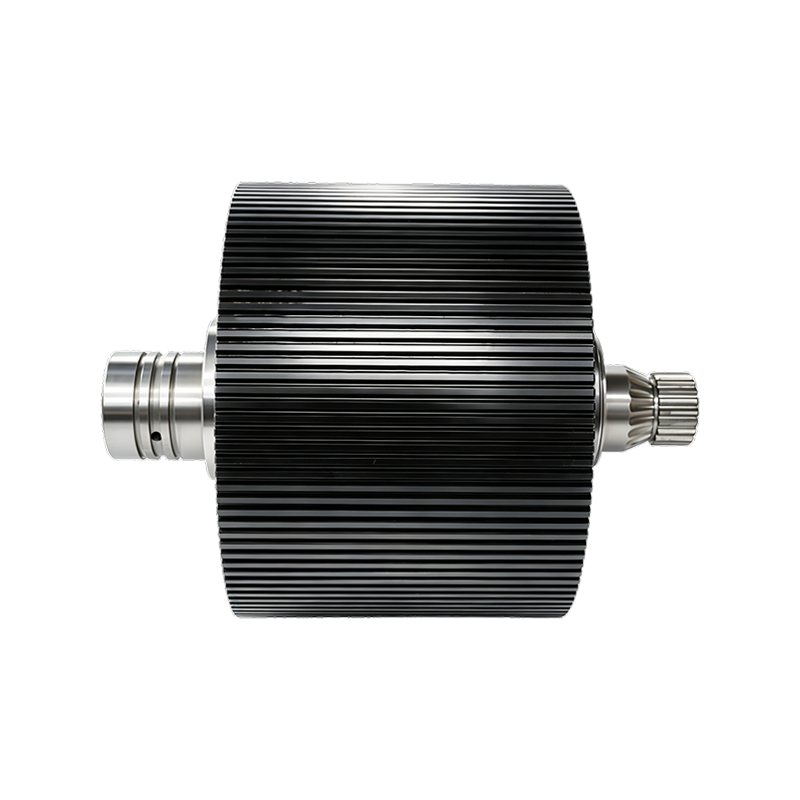
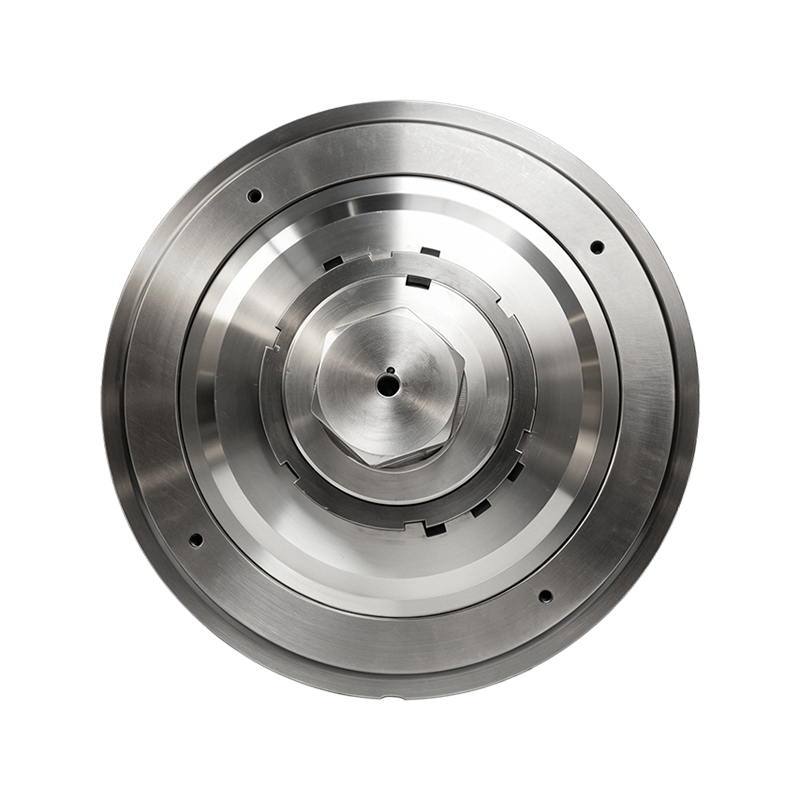
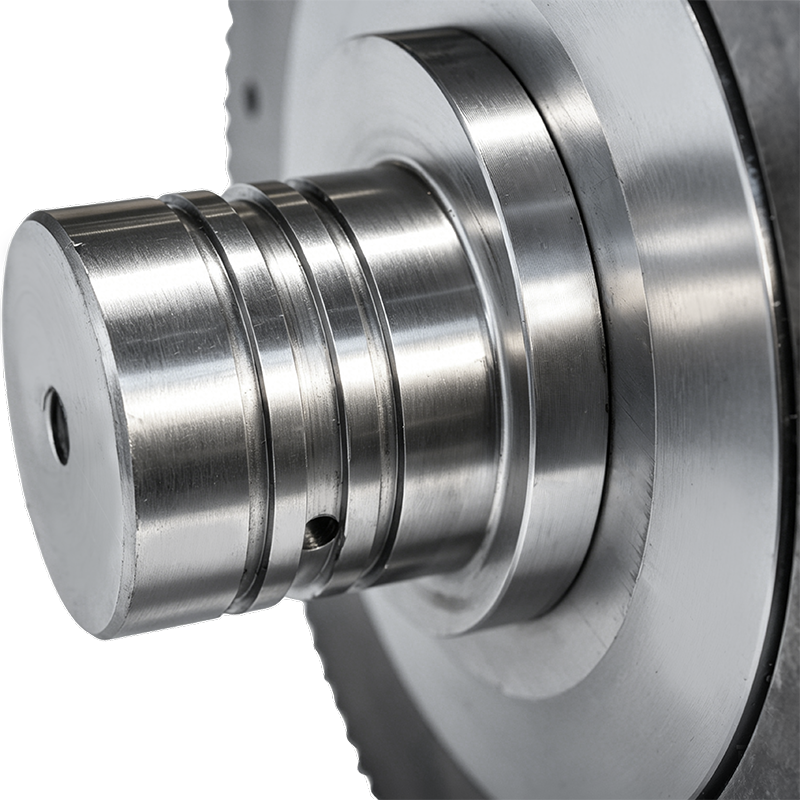 Complete Pellet Mill Roller Shell Assembly with Bearings and ShaftThis assembly combines a high-strength roller shell, heavy-duty bearings, shaft, and sealing system as a matched unit. Engineered for biomass and high-fiber feed pelleting, it features advanced heat treatment and custom tooth profiles to minimize slippage, reduce energy use, and stabilize output. Its dust-proof sealing extends service life.View Product →
In practice, a plant that tracks hammer wear per feedstock and roller shell wear per ton of pellets can predict both replacement intervals to within a week. This is the difference between a reactive maintenance culture and a scheduled parts budget.
Pre-Purchase Checklist for Hammer Mill Hammers
A complete purchase order for hammer mill hammers specifies dimensions, hardness, hole pattern, material grade, and an expected tonnage target. A capacity-based target is the only meaningful KPI; price per kilogram means nothing if tons per set drops sharply.
- Hammer thickness and exact length/width to match the rotor.
- Target hardness range in HRC, with a tolerance of no more than 3 HRC.
- Material grade or its equivalent standard number.
- Hole pattern and pin diameter, including mounting orientation.
- Weight tolerance across a full set, to keep the rotor balanced.
- Expected tons per set under your screen size and moisture range.
- Lead time for a second batch, so you can pre-order before the threshold.
Ask the supplier to quote tons per set, not just hardness. A respectable hammer maker will ask about your screen size, moisture, and contaminant level before recommending a grade.
Hammer Mill Hammers FAQ
What is the best material for hammer mill hammers?
Spring steel (60Si2Mn) is the most versatile choice for feed and biomass hammer mills because it combines 42 to 48 HRC hardness with high impact toughness. For extremely abrasive materials, high-chromium white iron lasts longer but is more likely to break on tramp metal impact.
How often should hammer mill hammers be rotated?
Rotate hammers when the leading corner loses roughly 25 percent of its original width, or when throughput drops noticeably. Most grain mills rotate every 80 to 150 operating hours and replace the hammers after two complete rotations.
Do thicker hammer mill hammers last longer?
Not always. A thicker hammer adds mass and extends abrasion life, but it increases rotor load and power draw. The correct thickness is set by the rotor design and the target particle size, not by wear life alone.
Can the same hammers be used for wood and grain?
The same geometry can be used in both, but the alloy should differ. Wood pellets contain silica and bark, so a harder grade with good toughness is preferred; grain processing favors a tough spring steel that survives tramp metal without cracking.

Get In Touch
Follow us
Quick Links
Contact Us
Email : ysf@jindingsheng.com.cn
Address : No. 19, Qiucun Town Industrial Concentration Zone, Guangde City, Xuancheng City, Anhui Province
